

Article
Wang Tao
{
  "authors": [
    "Wang Tao"
  ],
  "type": "legacyinthemedia",
  "centerAffiliationAll": "",
  "centers": [
    "Carnegie Endowment for International Peace",
    "Carnegie China"
  ],
  "collections": [],
  "englishNewsletterAll": "",
  "nonEnglishNewsletterAll": "",
  "primaryCenter": "Carnegie China",
  "programAffiliation": "",
  "programs": [],
  "projects": [],
  "regions": [
    "East Asia",
    "China"
  ],
  "topics": [
    "Climate Change"
  ]
}
Source: Getty
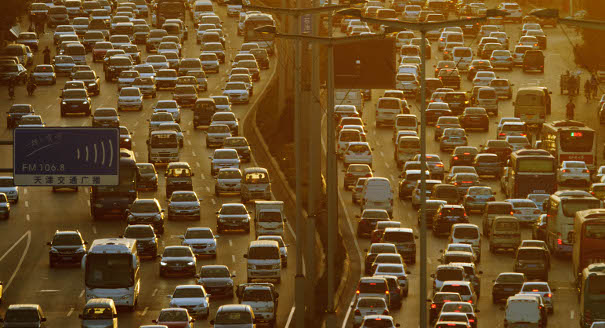
High levels of smog persist throughout China due to weak enforcement of current environmental regulations. Environmental protection agencies are understaffed and do not have the power to oppose government officials that prioritize GDP growth over environmental protection.
Source: CCTV World Insight
High levels of smog persist throughout China due to weak enforcement of current environmental regulations. In an interview with CCTV’s World Insight, Carnegie-Tsinghua’s Wang Tao explained the various causes of this problem. He pointed out that environmental protection agencies are understaffed and do not have the power to oppose government officials that prioritize GDP growth over environmental protection.
Wang proposed a number of short-term solutions, such as utilizing newer technology that reduces emissions from factories and vehicles as well as ensuring that regulations are enforced. In the long term, though, he said that China needs to reduce its energy reliance on coal and increase the use of other energy sources such as nuclear, hydroelectric, and solar power. Questions remain over how Chinese authorities will create policy incentives and establish the infrastructure necessary for China to decrease its reliance on coal and work toward lower levels of smog. The public, Wang concluded, could play a significant role in exerting necessary pressure on Chinese authorities to address this issue of pollution. He added that lower vehicle usage and electricity consumption by the Chinese public will also have an impact on reducing pollution.
This video inteview was originally aired on CCTV World Insight.
Former Nonresident Scholar, Carnegie-Tsinghua Center for Global Policy
Wang Tao was a nonresident scholar in the Energy and Climate Program based at the Carnegie–Tsinghua Center for Global Policy.
Recent Work
Wang Tao
Wang Tao, Yang Yifang
Carnegie does not take institutional positions on public policy issues; the views represented herein are those of the author(s) and do not necessarily reflect the views of Carnegie, its staff, or its trustees.
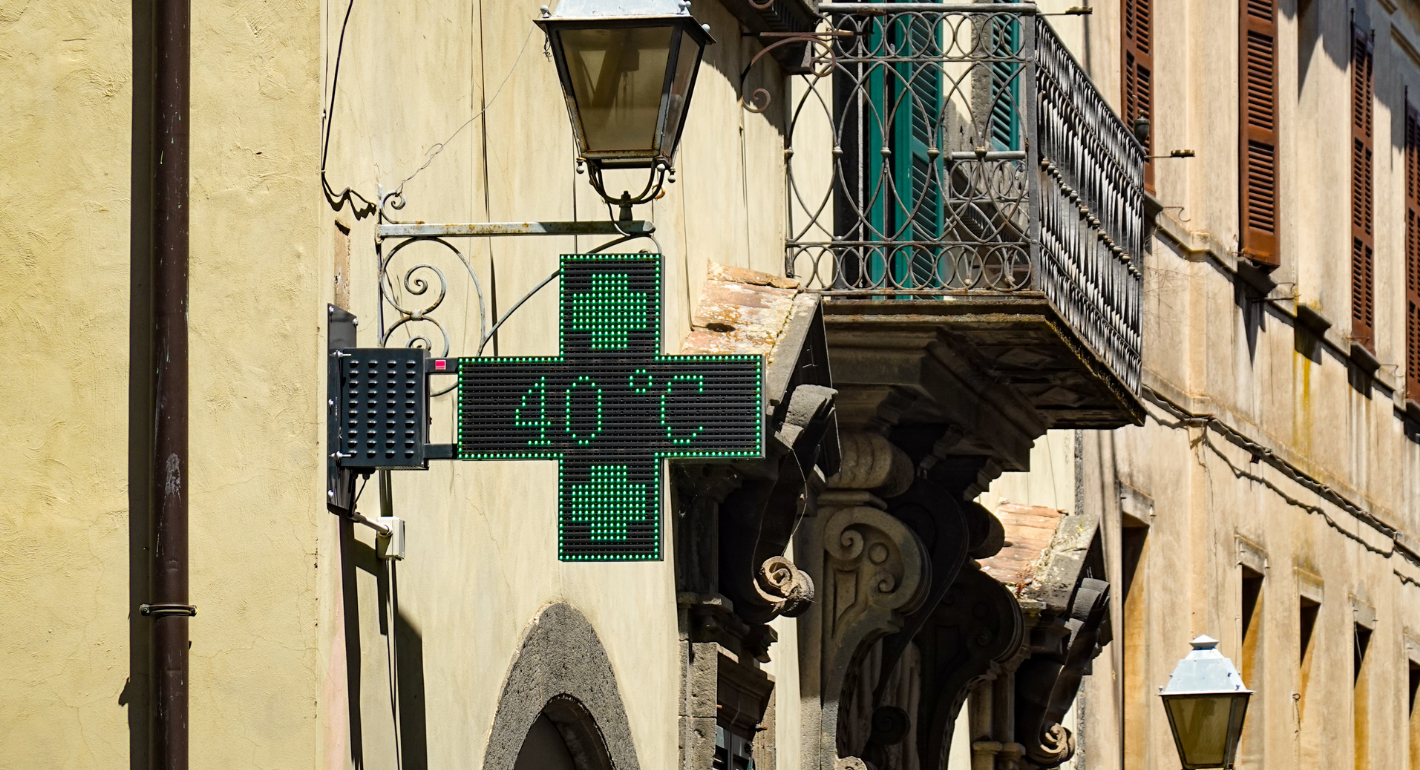
Western Europe’s dual-use infrastructure melted down during its latest heat wave. If a predicted hot weather event can take the continent by surprise, what chance does it have to withstand unexpected geopolitical crises?

Rym Momtaz

Europe’s industrial supply chains leave it vulnerable to global shocks. The EU needs a pragmatic green industrial strategy that balances durable partnerships and bolsters homegrown clean tech without sacrificing low-carbon ambition.


Milo McBride, Pauline Gerard

As geopolitical rivalry weaponizes global supply chains, the EU’s true vulnerability lies in emerging-risk imports. For these goods, suppliers are growing more concentrated, substitution more difficult, and political risk is looming.

Sinan Ülgen

The EU’s new migration policy is not suited to today’s realities. With climate change increasingly becoming a driver of displacement, Europe needs to rethink its deterrence-focused approach.

Shana Tabak
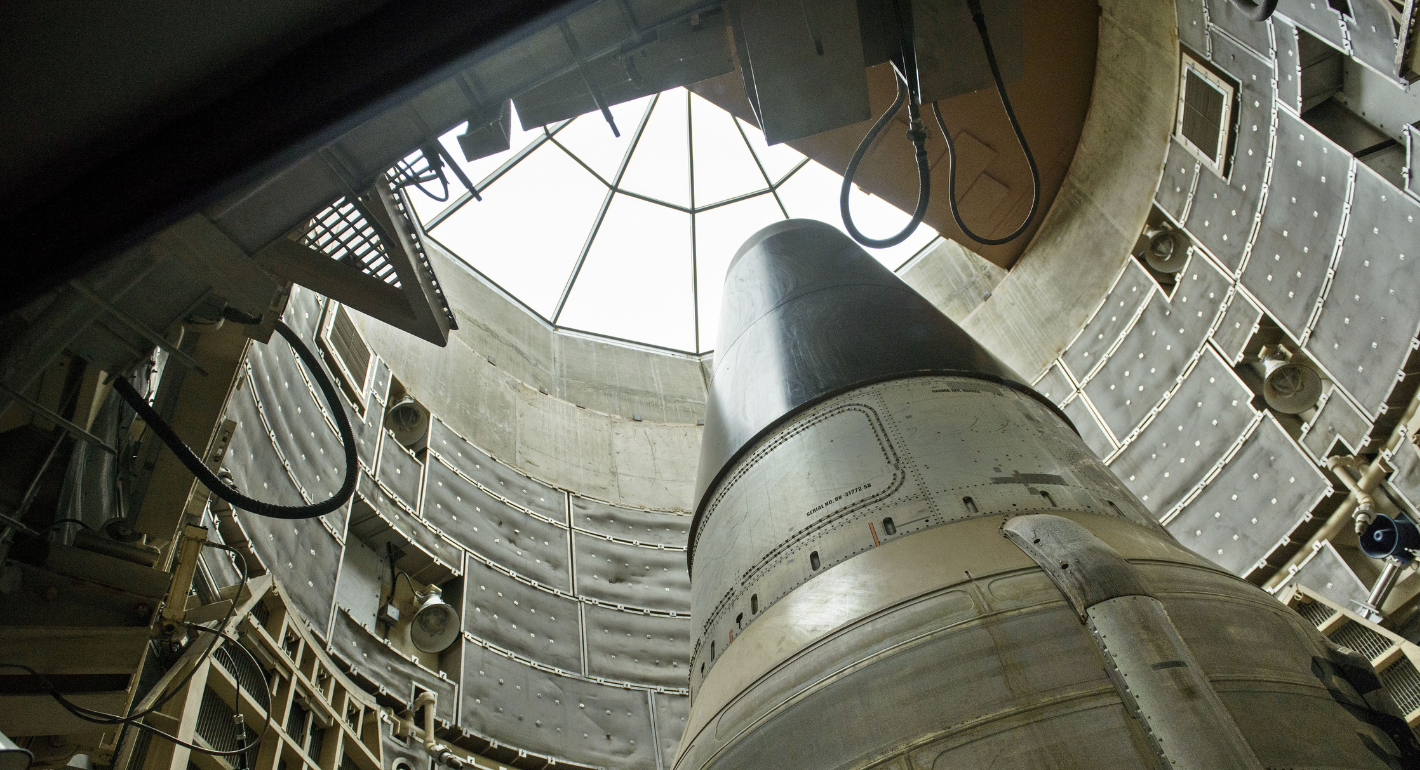
Amid uncertainty caused by the Iran war, the global drive for nonproliferation has stalled. With Europe diplomatically marginalized and countries reassessing their nuclear options, efforts to curb the spread of nuclear weapons risk becoming irrelevant.

Jane Darby Menton