

In The Media
Lilia Shevtsova
{
  "authors": [
    "Lilia Shevtsova"
  ],
  "type": "legacyinthemedia",
  "centerAffiliationAll": "",
  "centers": [
    "Carnegie Endowment for International Peace",
    "Carnegie Russia Eurasia Center"
  ],
  "collections": [],
  "englishNewsletterAll": "",
  "nonEnglishNewsletterAll": "",
  "primaryCenter": "Carnegie Russia Eurasia Center",
  "programAffiliation": "",
  "programs": [],
  "projects": [],
  "regions": [
    "Russia",
    "Eastern Europe",
    "Ukraine"
  ],
  "topics": [
    "Political Reform",
    "Foreign Policy"
  ]
}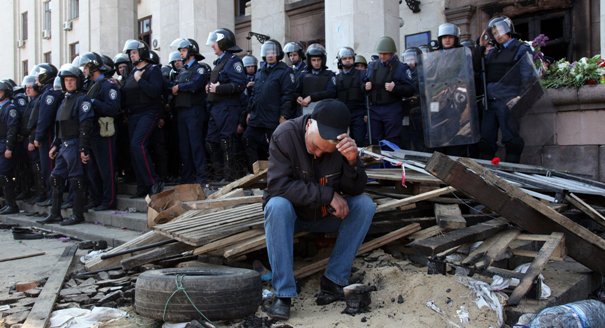
Source: Getty
There are many Ukrainians, even in the southeast, who have grown accustomed to Ukrainian independence and would resist efforts to fragment Ukraine and force the annexation or creation of quasi-independent republics.
Source: American Interest
The crisis in Ukraine is taking on an alarming—one could even say hopeless—dimension. The Ukrainian state has so far failed to control the situation in its Eastern regions, and the West has failed to stop the Kremlin’s aggression against Ukraine. The armed and well-organized pro-Russian separatists are continuing to plunge eastern Ukrainian towns deeper and deeper into chaos. Their goal is plain: call for local referenda and declare the independence of the Donetsk, Lugansk, and Kharkov “People’s Republics”, which will then ask Moscow to accept them into its warm embrace. On May 2, the Ukrainian interim government finally began an offensive on the stronghold of the pro-Russian militants in Slovyansk, and government forces have already overtaken checkpoints around the city, but it remains to be seen whether they will succeed in re-asserting control. And the Moscow-backed separatists can still strike back.
The recent round of U.S. and EU sanctions imposed on Russia have not only failed to prevent further escalation of violence and aggression; they have actually convinced the Kremlin to continue its Ukrainian Crusade. (This should come as no surprise: President Obama himself expressed his skepticism that the sanctions would work.) Putin now has further proof, if more were needed, that the West is disunited, that Germany is dragging its feet, and that the West is unwilling to make sacrifices and is fearful of the consequences of a Russian collapse in the face of truly crippling sanctions. While sanctions are already biting somewhat and have begun to deepen Russia’s recession; they will only force the Kremlin to rethink its position in the long term. In the short term, they will only strengthen Putin’s conviction that the price of backtracking would be higher than the toll exacted by them. “But this is irrational! Putin is mad!” So goes the lament of all too many emotionally excitable observers. No: Putin is more rational than most; his reason, however, is being directed toward ensuring his political survival in Russia.The joint press conference by President Obama and German Chancellor Angela Merkel on May 2 has proved that Merkel’s “gradualist” diplomatic approach has won the day. Both leaders expressed their readiness “to impose costs on Russia for its actions”, declaring that they will turn the sanctions screw further only if Russia “continues on its current course.” What this ambiguous language means is that the leaders of the world’s most powerful states have not decided yet where the “red line” for Kremlin mischief is drawn. This was no doubt an encouraging press conference for the Kremlin. ...
Read the full text of this article in the American Interest.

Former Senior Associate, Russian Domestic Politics and Political Institutions Program, Moscow Center
Shevtsova chaired the Russian Domestic Politics and Political Institutions Program at the Carnegie Moscow Center, dividing her time between Carnegie’s offices in Washington, DC, and Moscow. She had been with Carnegie since 1995.
Recent Work
Lilia Shevtsova
Lilia Shevtsova
Carnegie does not take institutional positions on public policy issues; the views represented herein are those of the author(s) and do not necessarily reflect the views of Carnegie, its staff, or its trustees.
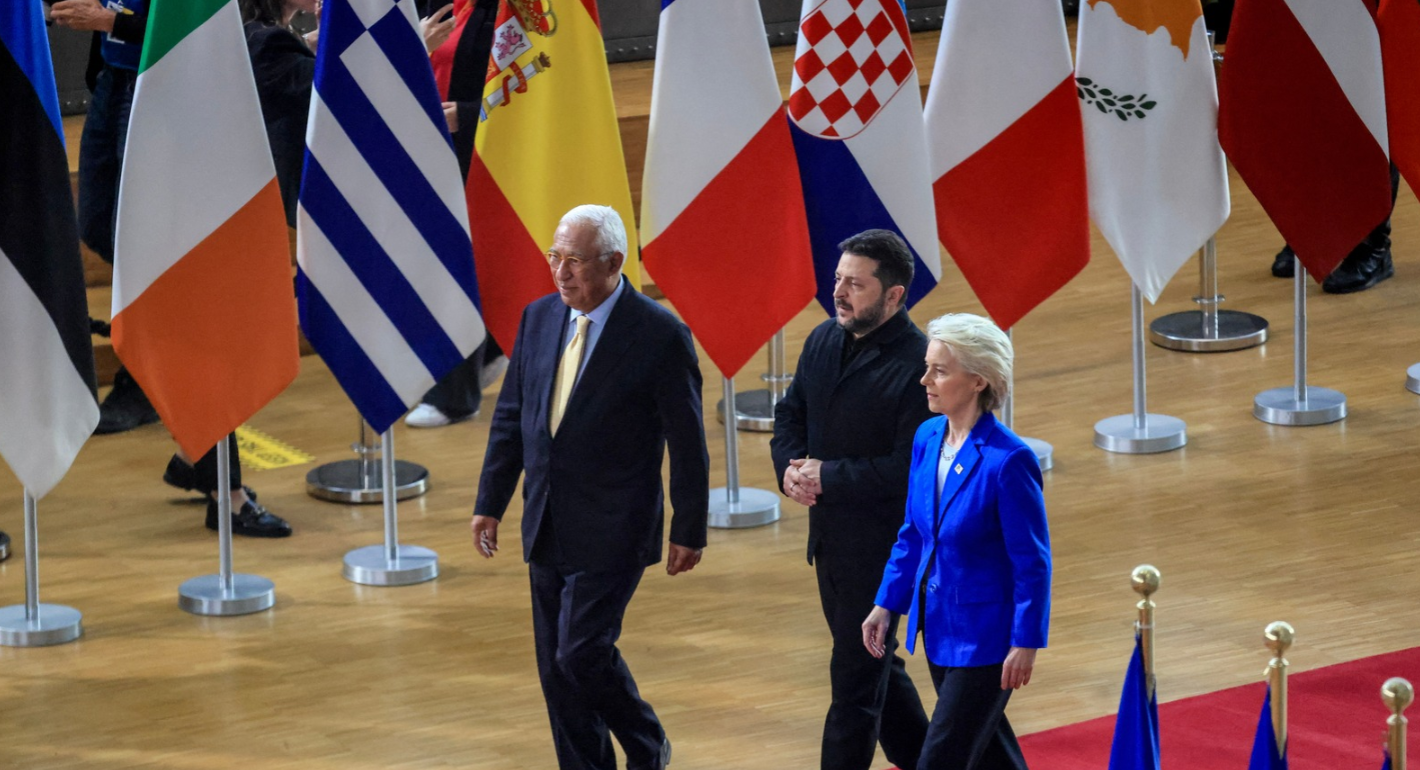
The EU can impose sanctions but struggles to enforce them without the United States. With Washington increasingly disinterested in backing European interests, the bloc must now fend for itself.
Nicu Popescu, Tiago Antunes
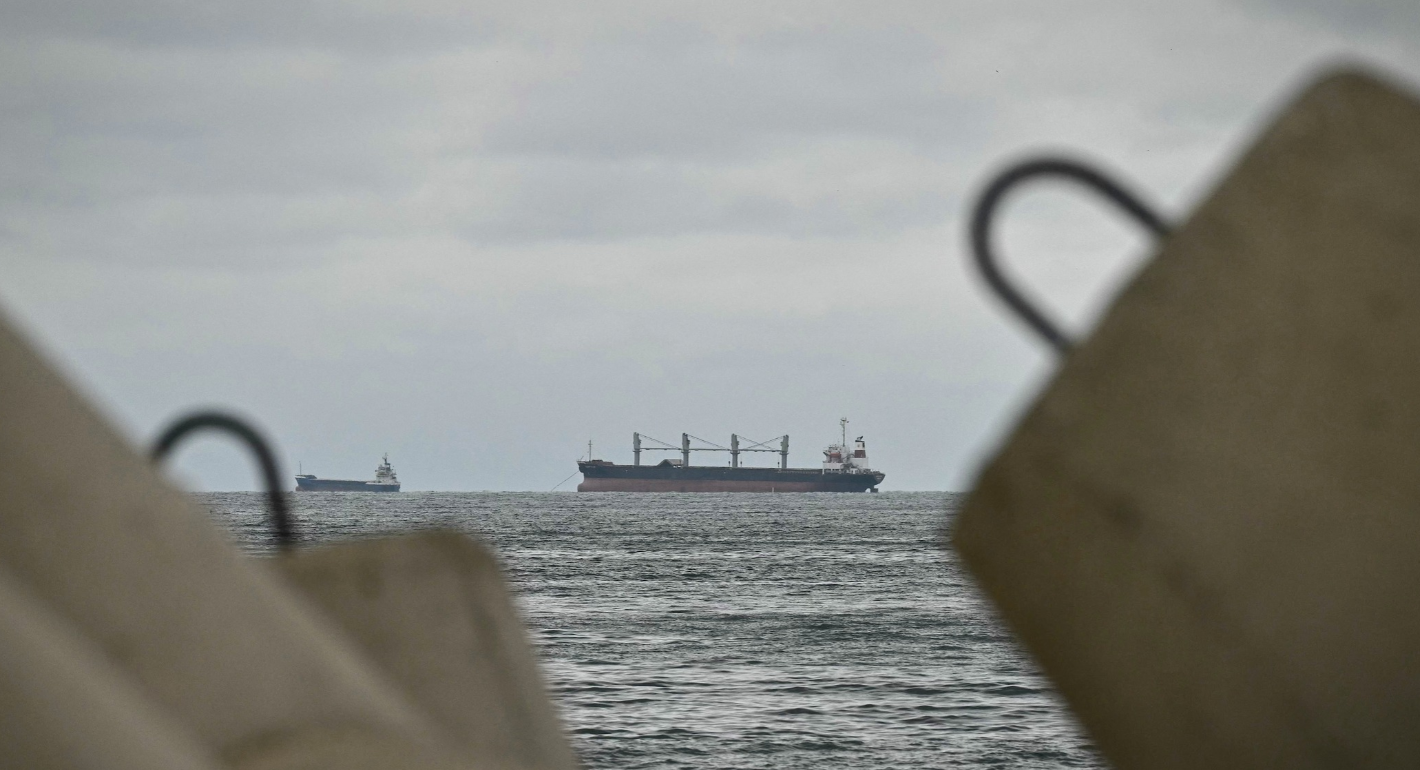
Russia is testing the waters of NATO’s mutual defense clause. What do strikes in Romanian territorial waters mean for the alliance’s posture toward Moscow?

Dimitar Bechev
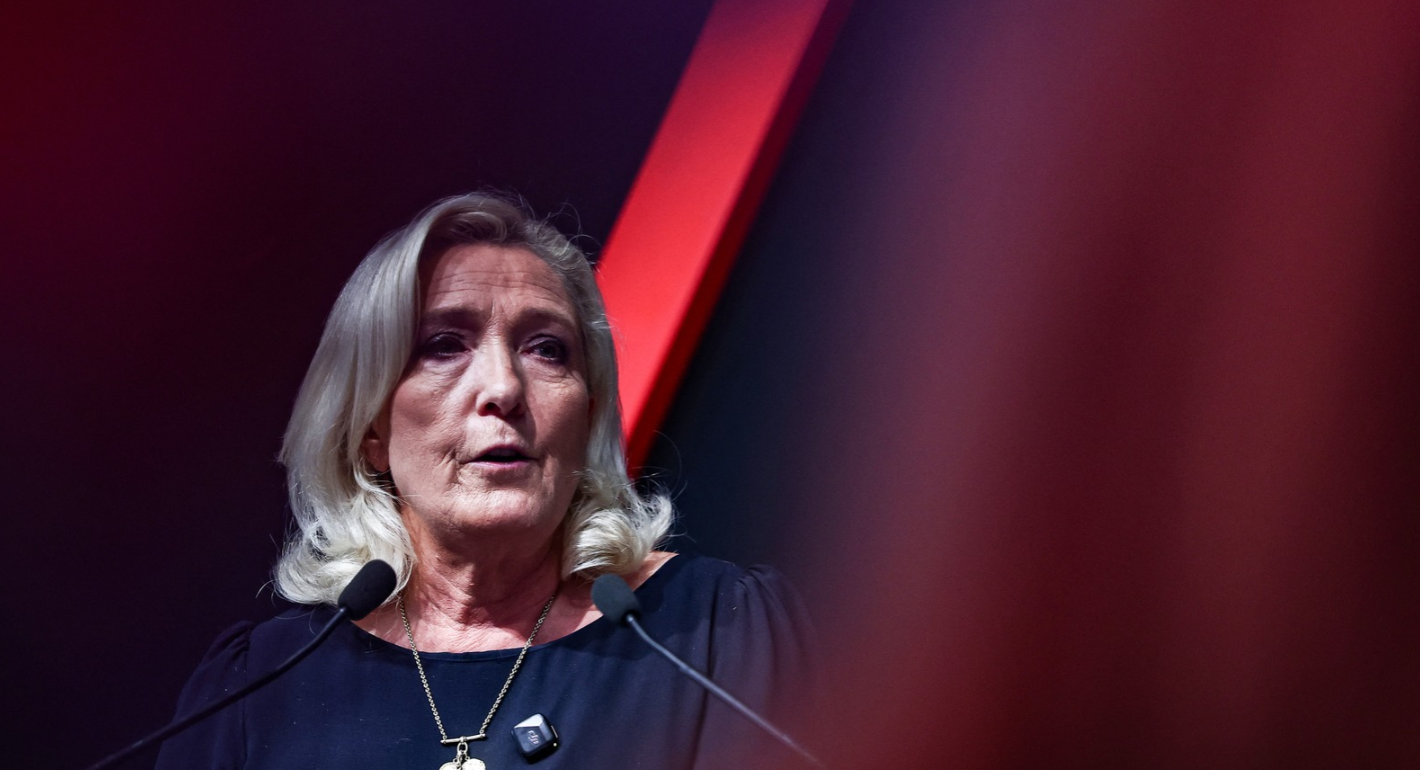
With its public finances in shambles, the far right polling at 35 percent ahead of the 2027 presidential election, and a growing protest movement, is France’s crisis a threat to the EU’s geopolitical awakening?

Rym Momtaz, ed.
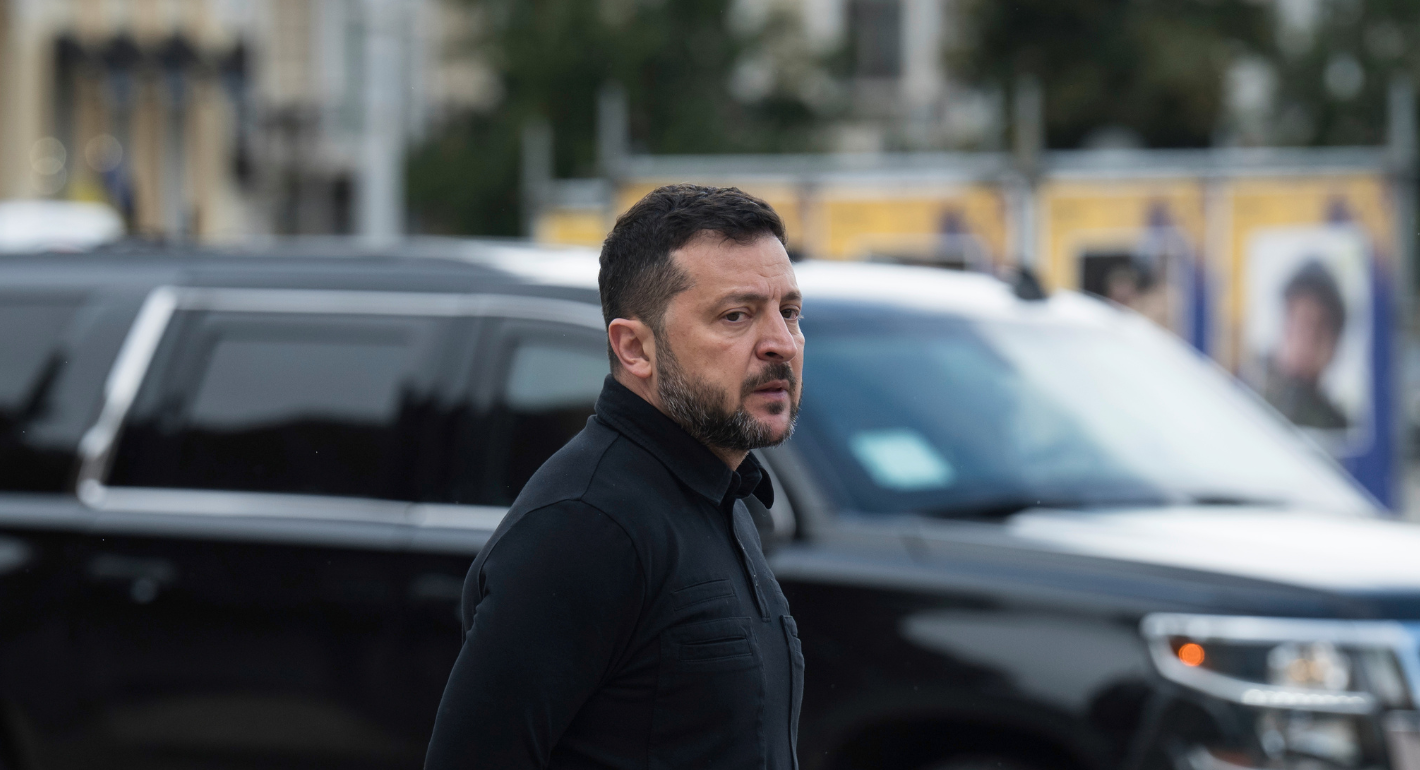
Ahead of a tough winter for Ukraine, Donald Trump’s swing back toward Russia bodes ill. But instead of panicking, Kyiv’s European allies are focusing on action.
Rym Momtaz
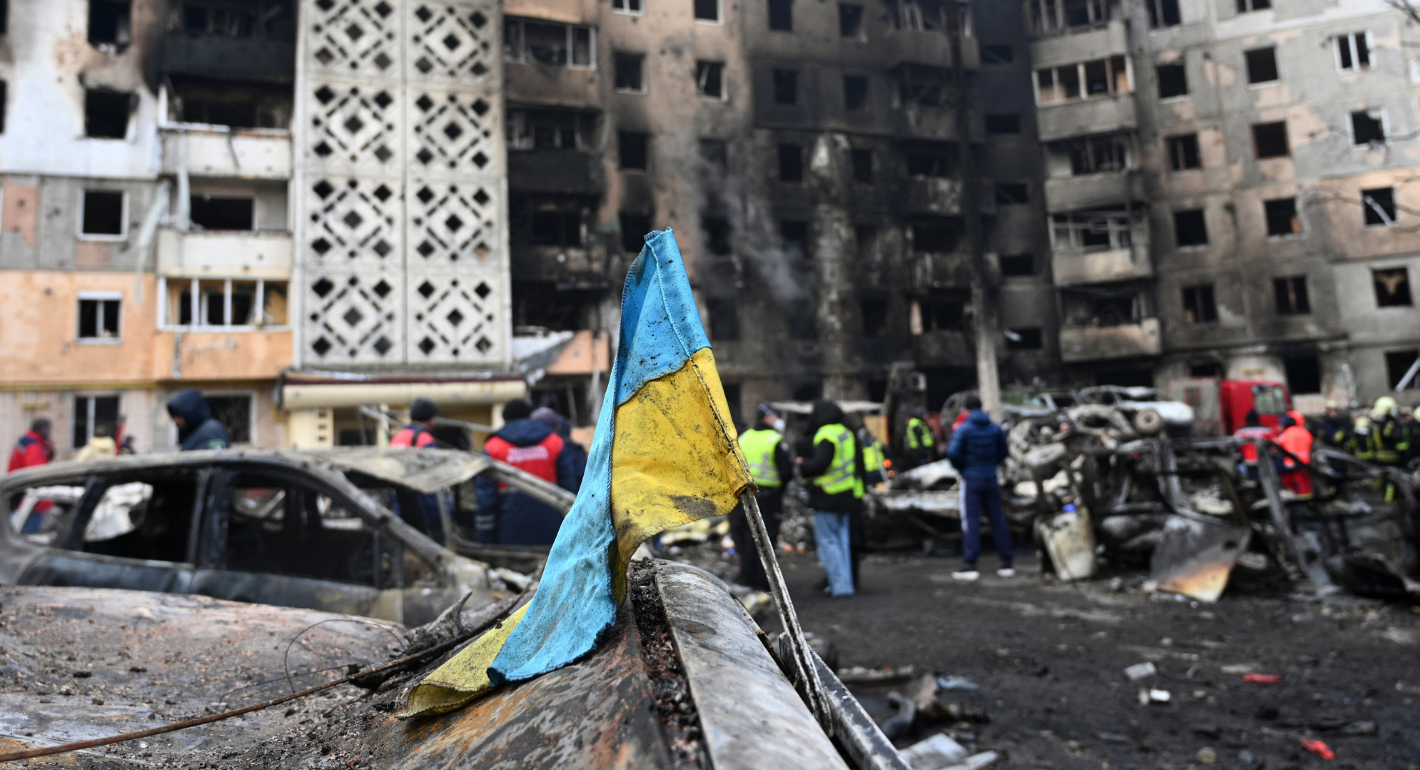
Funding Ukraine remains a priority for European leaders. As Russia’s war of aggression heads into another winter, two feasible options to mobilize support for Kyiv should be fast-tracked.
Vladyslav Rashkovan, Gregory P. Wilson