

In The Media
Lina Khatib
{
  "authors": [
    "Lina Khatib"
  ],
  "type": "legacyinthemedia",
  "centerAffiliationAll": "dc",
  "centers": [
    "Carnegie Endowment for International Peace",
    "Malcolm H. Kerr Carnegie Middle East Center"
  ],
  "collections": [
    "Arab Awakening"
  ],
  "englishNewsletterAll": "menaTransitions",
  "nonEnglishNewsletterAll": "",
  "primaryCenter": "Malcolm H. Kerr Carnegie Middle East Center",
  "programAffiliation": "MEP",
  "programs": [
    "Middle East"
  ],
  "projects": [],
  "regions": [
    "Maghreb",
    "Tunisia",
    "North Africa"
  ],
  "topics": [
    "Political Reform",
    "Security",
    "Economy",
    "Democracy"
  ]
}
Source: Getty
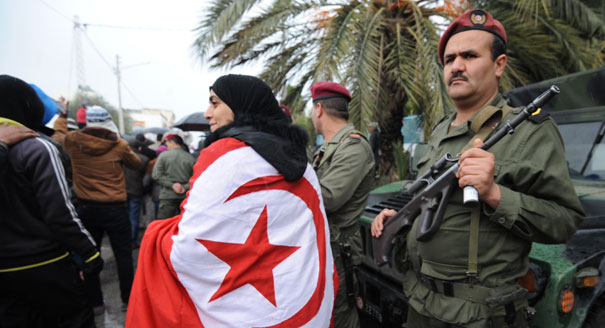
As Tunisia prepares to enter a new phase in its process of democratization, two key challenges face the country’s government: the economy and security.
Source: Al-Hayat
As Tunisia prepares to enter a new phase in its process of democratization, with the election of a new president and the formation of a new cabinet following the successful parliamentary elections held in October, two key challenges face the country’s government: the economy and security.
Those two problems are related in Tunisia; as one journalist I spoke to while I was there last month told me, “the fate of many young Tunisians is suicide: Those who used to kill themselves through trying to reach Europe illegally by sea are now killing themselves by joining jihadist groups.” Indeed, the question on everyone’s lips during my trip was, how come thousands of Tunisians are fighting in Syria today?Several factors can be traced to answer this question. Unlike Egypt, which fell under military control for a year and a half in the wake of the January 2011 revolution, Tunisia became dominated by Ennahda after it won the majority of seats in the Constituent Assembly elections. While in Egypt the military kept tight control over the activities of Islamist groups despite the popularity of the Muslim Brotherhood and Salafist groups, which limited the scope of their operation, in Tunisia, driven by the principles of justice and Islamist solidarity, the Ennahda government released thousands of imprisoned Islamists who had been detained under the rule of Ben Ali. Although most of those Islamists were not extremists, a number of them were Salafist jihadists and capitalized on their newly found freedom to mobilize supporters.
The same principles drove Ennahda to act naively by allowing Salafist preachers to use mosques across the country as platforms.By early 2014, 90% of Tunisia’s mosques were under the control of Salafists, which facilitated the propagation of jihadist messages. Those messages resonated with some youth, who had been marginalized under Ben Ali and continued to live on the margin following the 2011 revolution as Tunisia’s economy struggled to recover. Certain Salafist jihadist preachers manipulated a number of youth by instructing them not to read the Quran, saying that the text of this religious book is beyond the comprehension of lay persons, and that therefore, they should only follow the interpretation of the Quran that is presented by learned men. This of course allowed those preachers to convince followers of the religious validity of their sermons.
Although the Ennahda government was alarmed by the rise of Salafist jihadism in Tunisia, it did not act decisively to halt its spread for two reasons. The first is fear, as Ennahda thought that cracking down on Salafist jihadists would make them even more extreme and result in them attacking it. The second is inadequate knowledge about the extent of the problem. This in turn is a direct result of Ennahda’s inexperience in governance. The caretaker government under the first post-Ben Ali Prime Minister Mohamed Ghannouchi had practically dismantled the country’s intelligence agency because of the negative associations that intelligence bureaus carried following decades of oppression under Ben Ali. When Ennahda took over the government, it continued this dismantling, removing key intelligence personnel from office and limiting the operations of the intelligence agency to gathering information of a political rather than a security nature. Salafist jihadists found in government ignorance another opportunity to widen the scope of their activities.
In remote, rural areas suffering from lack of economic development, whole governorates had become dependent on smuggling as a means for residents to make a living. This in turn made the populations vulnerable to recruitment and cooptation by jihadist groups, especially in the mountainous areas bordering Algeria, where the smuggling of Algerian petrol became routine and where groups like Ansar al-Sharia resided. One of my sources in the border town of Kasserine told me that a local woman made 400 euros a month—a significant sum for the area—just from baking bread for a jihadist cell in Mount Chaambi.
Parallel to this was growing anger at the government for overlooking industrial and agricultural development in rural areas despite their richness of natural resources (Kasserine for example is rich in water and marble and cultivatable land). Coupled with the continued practice of torture by the police—which further increased disillusionment with state institutions—the combination of bad governance, lack of economic development, and the incentives presented by jihadist cells, all led many Tunisian youth to flock to join extremist groups. Indeed, the results of the latest parliamentary elections were telling: In Kasserine, the voter turnout percentage was lower than the country average, and most of the people who voted were older, suggesting a degree of mistrust and indifference by the area’s youth.
Of course, it is not just poor, uneducated youth who are joining jihadist groups. As the security raid in Wadi el-Leil in Tunisia two days before the parliamentary election demonstrated (in which one of the members of a jihadist cell who was killed in the operation was revealed to have been a female university graduate), the attraction of jihadism is about more than the search for economic means. It is also about power and identity. Many flock to the Islamic State in Iraq and Syria because it gives them instant access to both.
Today in Tunisia, the current technocratic government has embarked on a number of initiatives to try to address the country’s pressing challenges. The intelligence agency’s normal functions have been restored, with a specific focus on counter-terrorism, which has had a visible positive impact on the number of security incidents in the country. The Ministry of Interior has expressed willingness to reform the police force, which will be crucial for winning the support of populations in places like Kasserine. And for the first time in its history, the Faculty of Law and Political Science at the University of Tunis El Manar decided to accept all applicants this academic year, because, as one professor put it, “having a student ID card is preferable to having an Islamic State ID card.”
With citizen expectations from the new government and president rising following the disappointing performance of the previous government dominated by Ennahda and its allies, Tunisia’s new leaders face four immense tasks: stabilizing the country, improve the economy, reclaiming citizens’ trust in the state and in the democratization process, and restoring the strength of the sense of national identity that would allow it to prevail in the face of competing identities and the lure of power offered by terrorist entities like the Islamic State.
This article was originally published in Arabic in Al-Hayat.
Former Director, Middle East Center
Khatib was director of the Carnegie Middle East Center in Beirut. Previously, she was the co-founding head of the Program on Arab Reform and Democracy at Stanford University’s Center on Democracy, Development, and the Rule of Law.
Recent Work
Lina Khatib
Lina Khatib
Carnegie does not take institutional positions on public policy issues; the views represented herein are those of the author(s) and do not necessarily reflect the views of Carnegie, its staff, or its trustees.
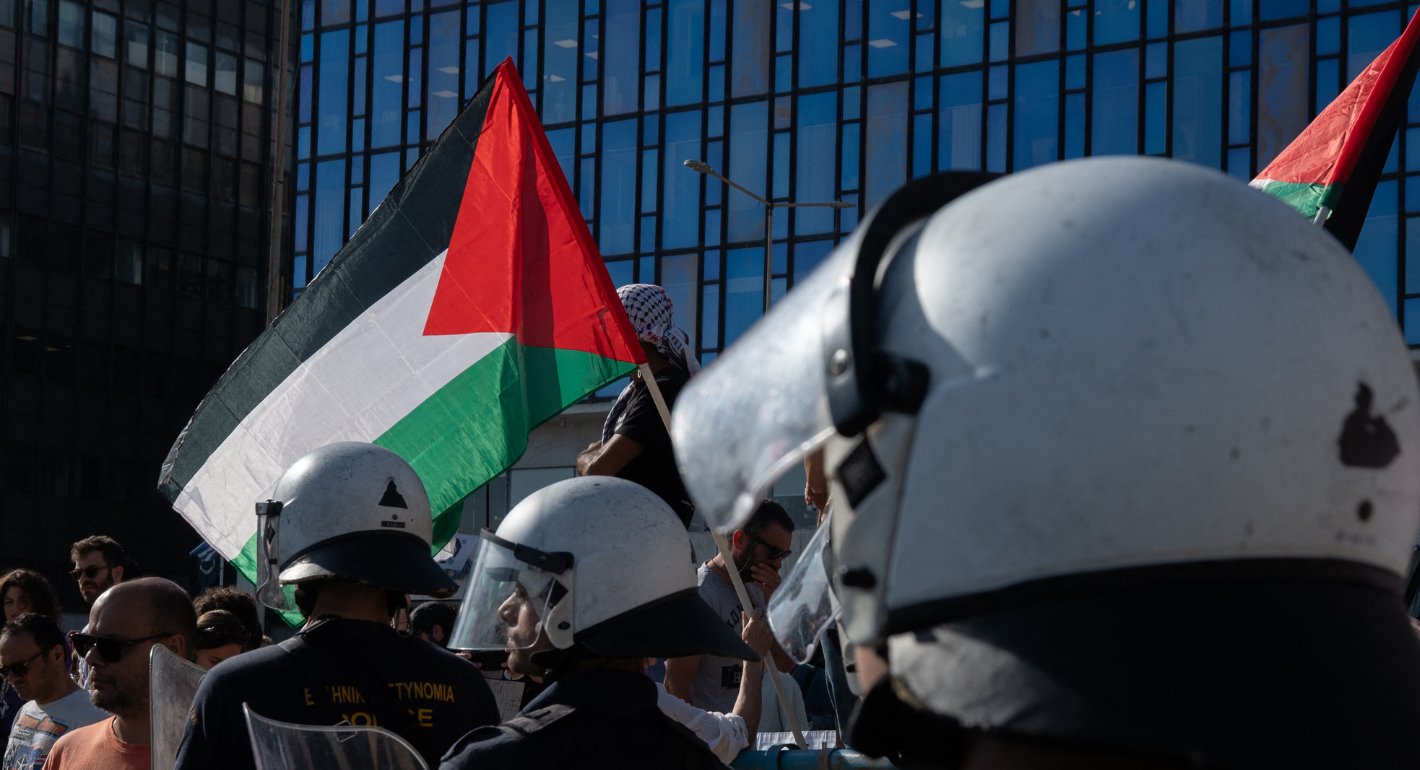
The battle over free speech has taken center stage since U.S. Vice President JD Vance accused Europe of censorship. From travel bans to social media regulation, especially around the Israel-Palestine conflict, are liberal democratic governments weaponizing free speech?

Rym Momtaz, ed.
Between the United States’ market-driven approach and China's state-led industrial strategy, Europe is reckoning with how it can remain competitive in the global economy. But is Europe in danger of becoming a U.S. or China colony?
Noah Barkin, Anu Bradford
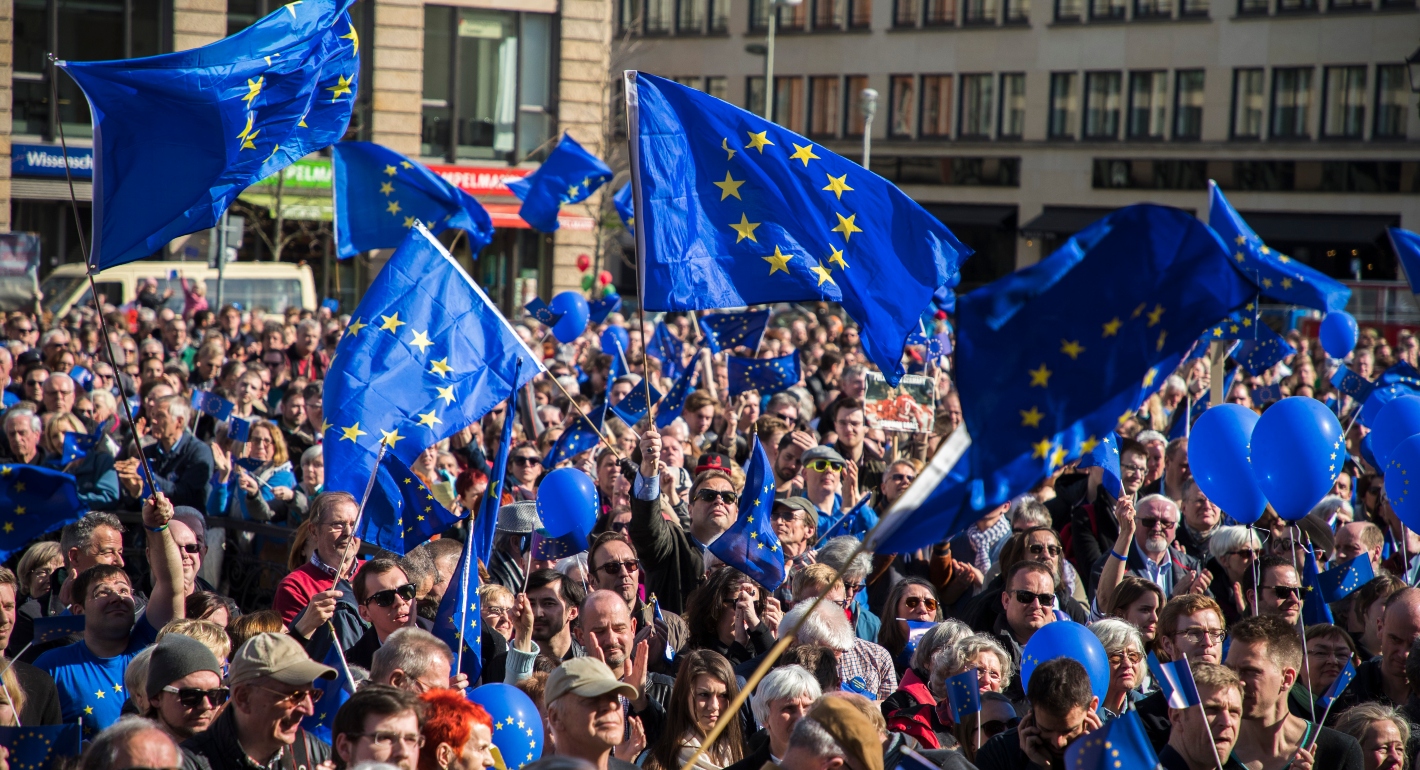
Preparing candidate countries for EU membership is no longer enough. As the enlargement process becomes a reality, the union must also prepare its own societies.

Iliriana Gjoni
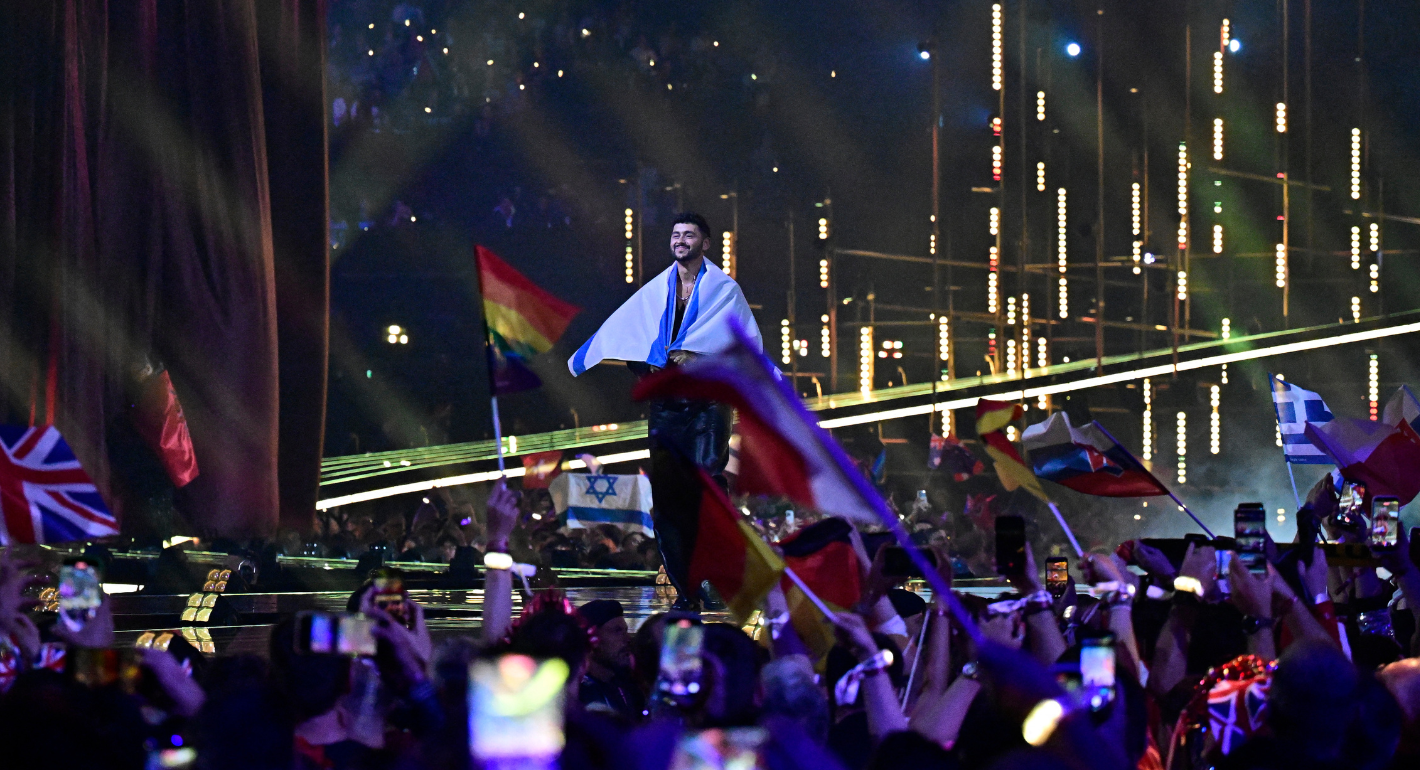
Five countries staged the biggest political boycott in Eurovision history over Israel’s participation. With the FIFA World Cup and other sporting or cultural touchstones on the horizon, are boycotts effective?
Rym Momtaz, ed.
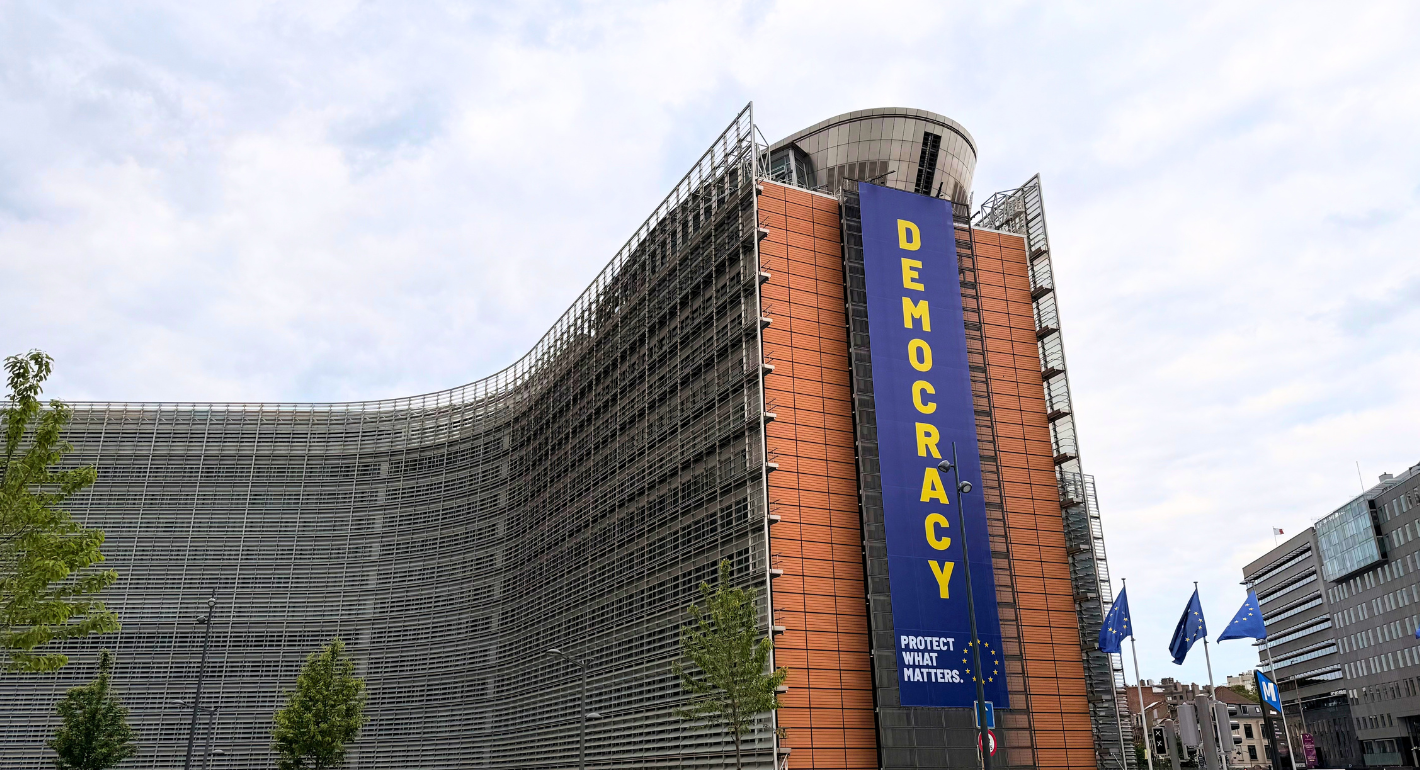
Debate is heating up on how Turkey could be integrated into a common European defense framework. Commercial and industrial deals offer a better chance at alignment than sweeping political efforts.

Marc Pierini