

Q&A
Matt Ferchen
{
  "authors": [
    "Matt Ferchen"
  ],
  "type": "legacyinthemedia",
  "centerAffiliationAll": "",
  "centers": [
    "Carnegie Endowment for International Peace",
    "Carnegie China"
  ],
  "collections": [
    "China and the Developing World",
    "China’s Foreign Relations"
  ],
  "englishNewsletterAll": "",
  "nonEnglishNewsletterAll": "",
  "primaryCenter": "Carnegie China",
  "programAffiliation": "",
  "programs": [],
  "projects": [],
  "regions": [
    "North America",
    "South America",
    "East Asia",
    "China"
  ],
  "topics": [
    "Economy",
    "Trade"
  ]
}
Source: Getty
Dropping commodity prices will benefit China and create challenges for Latin American countries, yet this trend also opens the possibility of a more sustainable economic relationship.
Source: El Pais
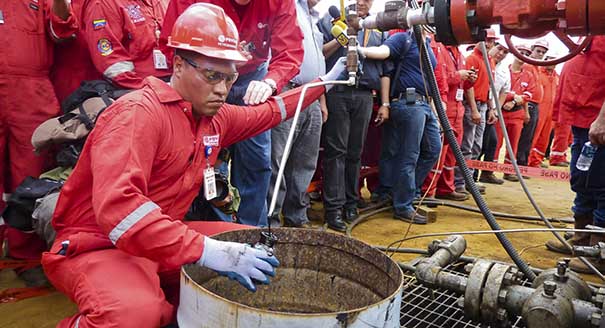
A decade ago Latin American trade with China took off in response to booming Chinese demand for South American commodities. In order to feed Chinese industry and consumers, Chilean copper, Brazilian iron ore, Argentine soy beans, and Venezuelan oil all began flowing to China in increasingly high amounts and at increasingly high prices. China’s diplomats praised this take-off in trade as a prime example of China’s win-win, South-South engagement with the developing world. Despite some anxiety about a repeat of historical commodity boom and bust cycles, most government and business leaders in commodity-rich South American countries chose to ride the Chinese commodity “supercycle” for as long as possible. But with a slowing Chinese economy and new supplies hitting global markets, the commodity boom has come to an end with prices of iron ore, copper, soy, and most dramatically oil, dropping to their lowest levels since the financial crisis. In the near term, the end of the boom and the drop in commodity prices will largely benefit China while inflicting pain across swaths of Latin America, but it may also offer an opportunity to put Latin America-China relations on a more sustainable path for the long term.
The one country that most starkly represents the urgent need for a transformed Latin American commodity relationship with China is Venezuela. For their respective economies, the dramatic fall in global oil prices is a disaster for export-dependent Venezuela and a windfall for import-dependent China. But over the last 15 years the two countries have established a special oil-based relationship in which China has provided tens of billions of dollars in loans in return for long-term oil supplies. By establishing itself as Venezuela’s most important source of external financing, China now finds itself in the uncomfortable position where Venezuela’s deepening problems are also its own. With the price of oil falling by the day, Nicolas Maduro has just arrived in Beijing amidst rumors of a new multi-billion dollar round of Chinese loans-for-oil financing. For both China and Venezuela, such a deal would simply deepen the two countries’ already dysfunctional petroleum partnership with little prospect of helping resolve any of the fundamental problems in Venezuela’s economic and political system.
For other Latin American economies, especially in the Southern Cone and in the Andes, that have also become more dependent on commodity exports to China, declining commodity prices present less of an existential threat than in Venezuela. Yet the same general dynamic will be at work: firms and governments in commodity-exporting countries will be forced to tighten their belts while Chinese firms will benefit. The end of the commodity boom may therefore bring heightened criticism of China from both business and political leaders in some of these commodity-rich South American countries while at the same time Chinese diplomats will be hard-pressed to continue to promote the benefits of South-South commercial ties. But such difficulties and challenges may also present an opening for seriously tackling a “beyond complementarity” agenda for Latin America-China ties that was first voiced by Dilma Rousseff when she came to office in 2011.Indeed, this week’s CELAC-China Forum meetings in Beijing may be just the place to begin to tackle the question of how Latin America-China relations should develop in the wake of the commodity boom. Indeed, the boom has not completely turned to bust and commodity ties will certainly continue to form the bedrock of the commercial relationship. Yet the way that some Latin American commodity exporters have become dependent on the ups and downs of Chinese demand, not to mention the pressures of competition from Chinese manufactured imports, has revived long-standing anxieties and debates about development policies and models across the region. Again, Venezuela represents an extreme case of commodity dependence. The CELAC-China Forum may be as good a place as any for China and Venezuela’s neighbors to discuss how to support Venezuela on a less self-destructive path. Whether it wants to be or not, China is now in the unenviable position of being Venezuela’s primary source of external finance and it should be in China’s interest to help avert a complete chaotic breakdown there.
For the rest of Latin America, moving beyond complementarity will not be easy and the burden will largely be on the region’s businesses and government leaders to better understand and adjust to important changes taking place in China’s own development model. But those changes will open up opportunities for possible new forms of cooperation. On the economic front, as China seeks to create a more sustainable, consumer-led development path this should provide openings for creative Latin American firms to provide goods and services, beyond simple raw materials, to China’s burgeoning urban middle class. At the same time, China’s concerns about avoiding a “middle income trap” should create openings for dialogue with their Latin American counterparts to discuss common development challenges such as how middle-income countries can foster public-private partnerships for education and pension systems and deal with common concerns about corruption and environmental sustainability. If both sides can seize such opportunities then the end of the commodity boom may usher in a second decade of Latin America-China relations built on more solid foundations than the first.
A version of this article was originally published in Spanish by El Pais.

Former Nonresident Scholar, Carnegie-Tsinghua Center for Global Policy
Ferchen specializes in China’s political-economic relations with emerging economies. At the Carnegie–Tsinghua Center for Global Policy, he ran a program on China’s economic and political relations with the developing world, including Latin America.
Recent Work
Matt Ferchen
Matt Ferchen, Anarkalee Perera
Carnegie does not take institutional positions on public policy issues; the views represented herein are those of the author(s) and do not necessarily reflect the views of Carnegie, its staff, or its trustees.
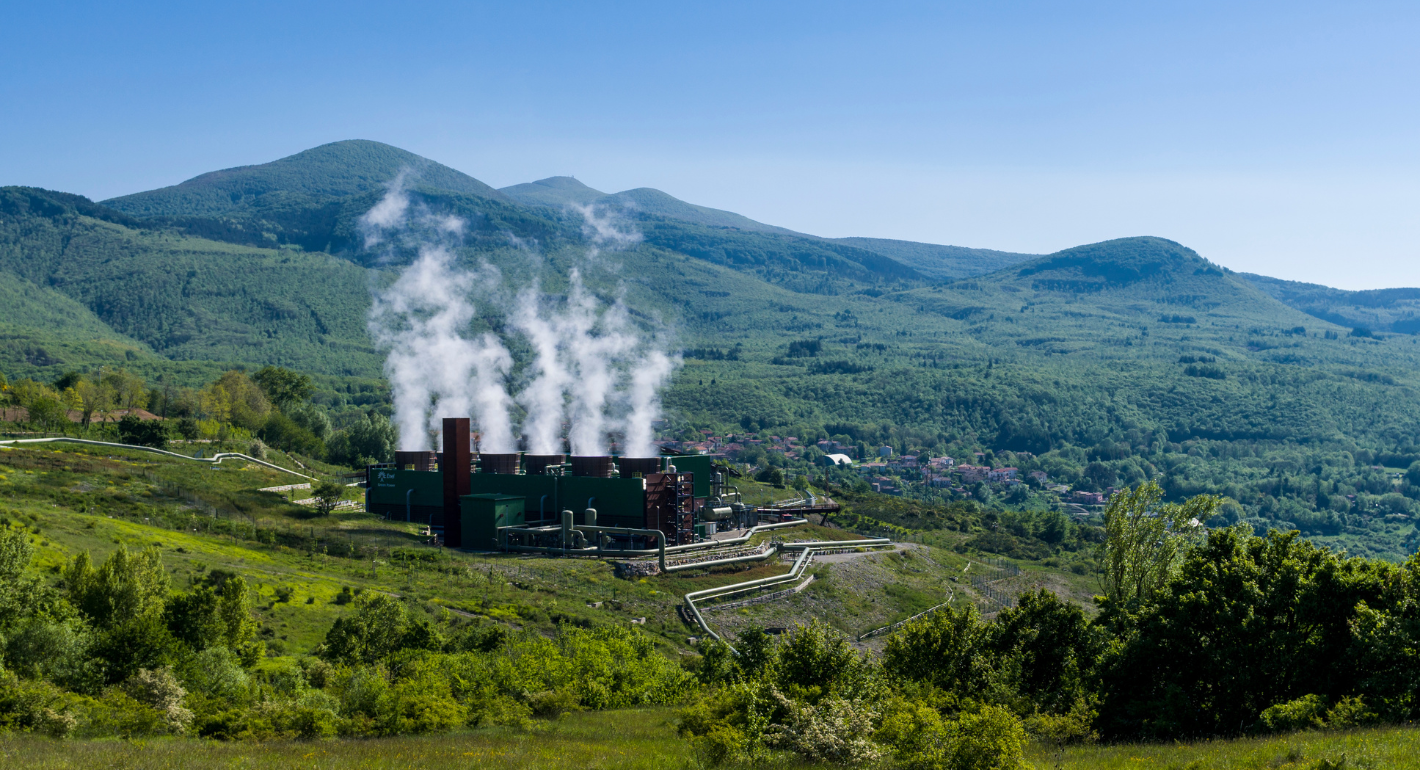
Europe’s industrial supply chains leave it vulnerable to global shocks. The EU needs a pragmatic green industrial strategy that balances durable partnerships and bolsters homegrown clean tech without sacrificing low-carbon ambition.


Milo McBride, Pauline Gerard
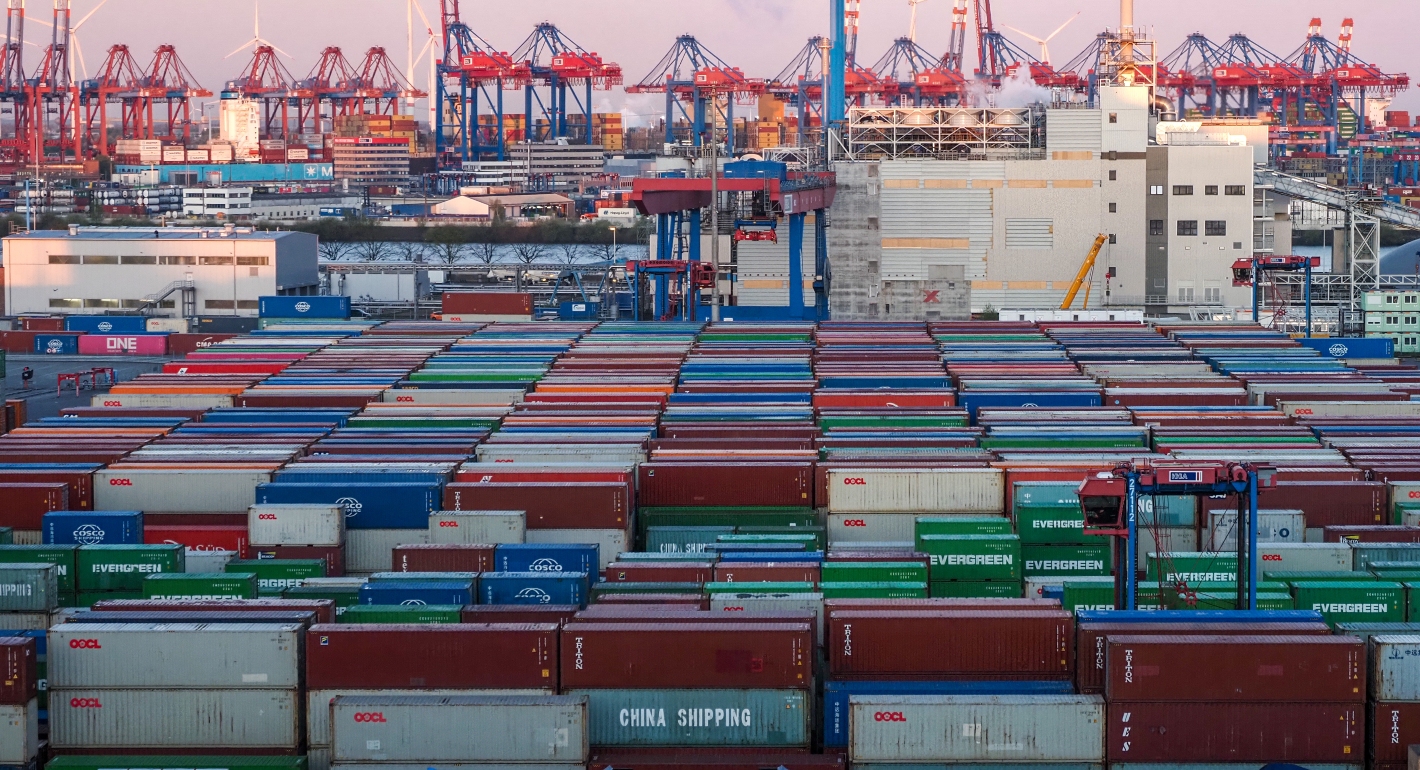
As geopolitical rivalry weaponizes global supply chains, the EU’s true vulnerability lies in emerging-risk imports. For these goods, suppliers are growing more concentrated, substitution more difficult, and political risk is looming.

Sinan Ülgen

The EU is putting together a new security strategy to meet today’s myriad challenges. But for any proposal to be effective, the union needs to grapple with its identity and ambitions.

Pierre Vimont
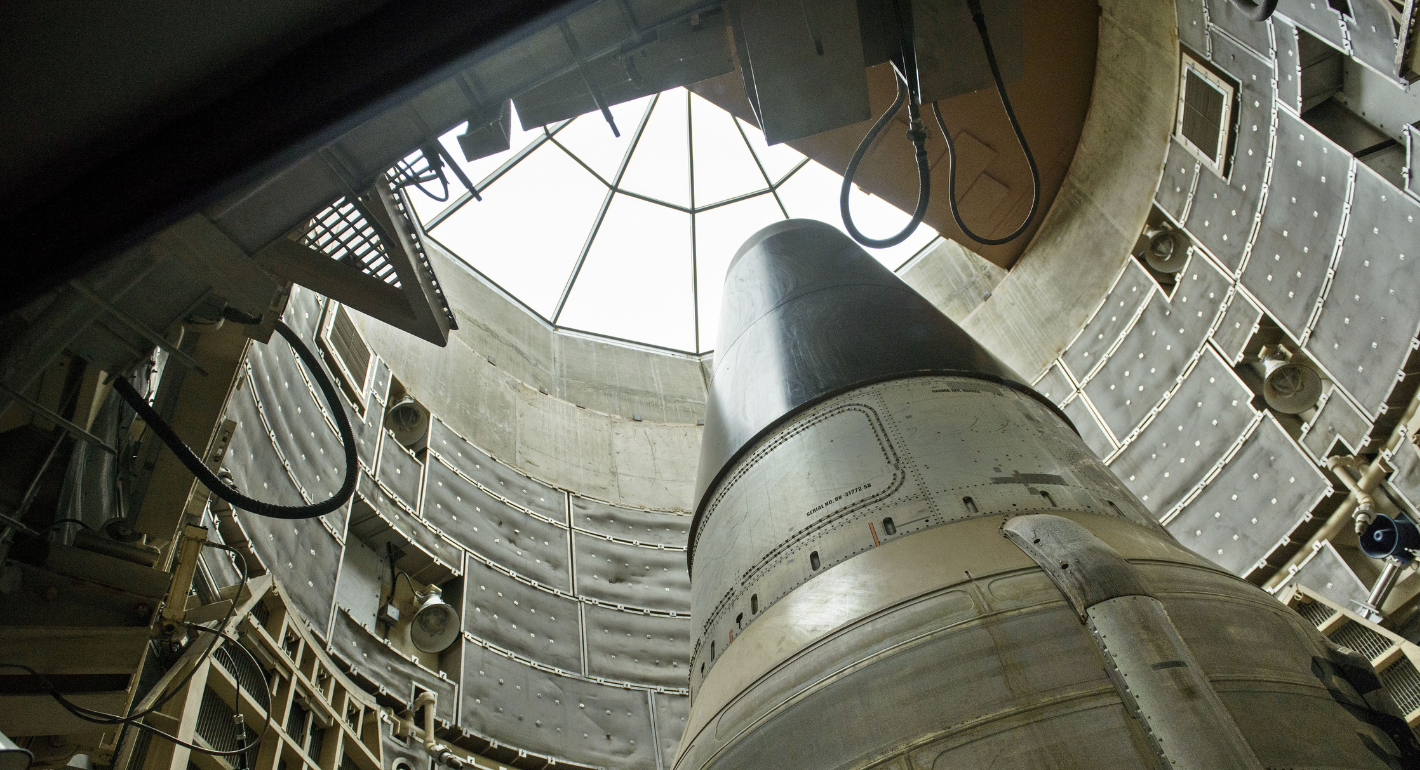
Amid uncertainty caused by the Iran war, the global drive for nonproliferation has stalled. With Europe diplomatically marginalized and countries reassessing their nuclear options, efforts to curb the spread of nuclear weapons risk becoming irrelevant.

Jane Darby Menton
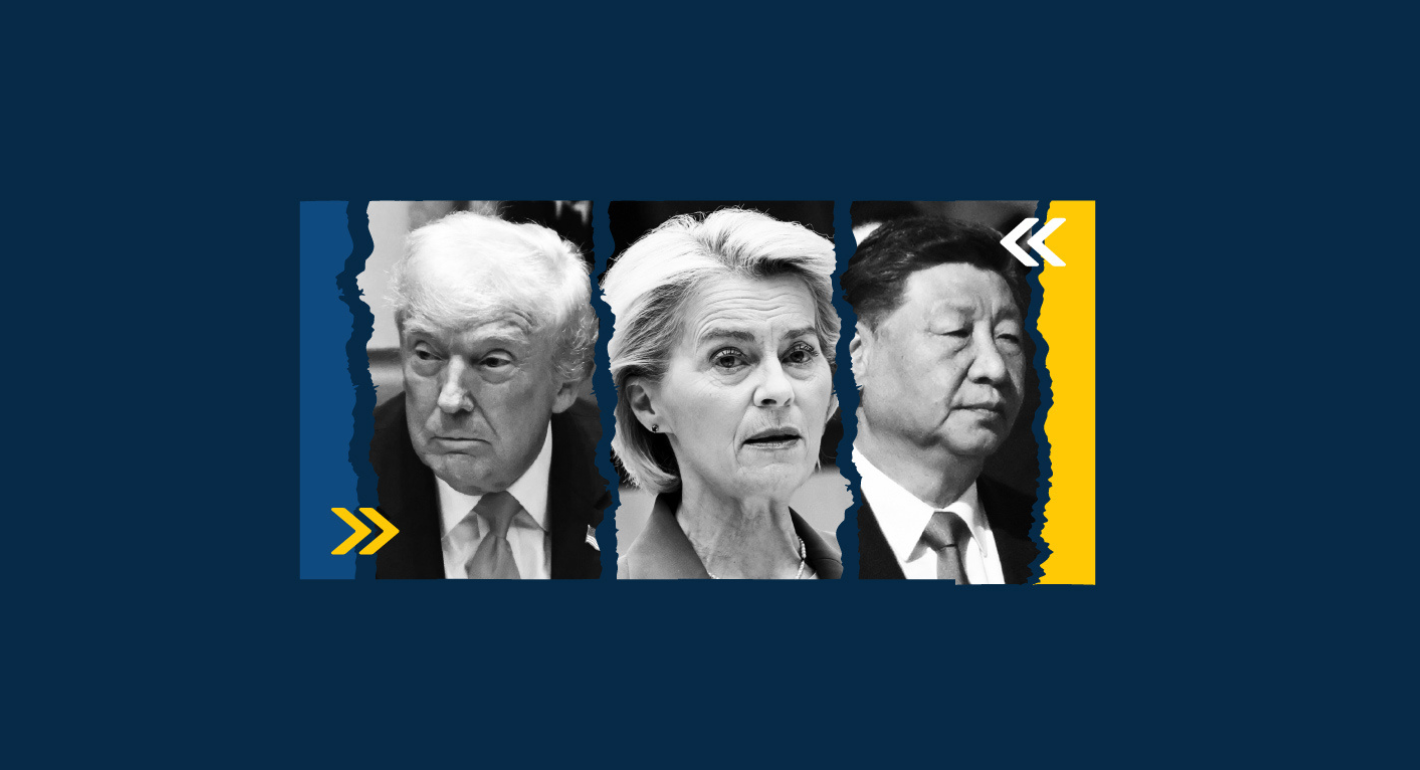
Between the United States’ market-driven approach and China's state-led industrial strategy, Europe is reckoning with how it can remain competitive in the global economy. But is Europe in danger of becoming a U.S. or China colony?


Noah Barkin, Anu Bradford