

Research
- +10
Rosa Balfour, Frances Z. Brown, Yasmine Farouk, …
{
  "authors": [
    "Moisés Naím"
  ],
  "type": "legacyinthemedia",
  "centerAffiliationAll": "",
  "centers": [
    "Carnegie Endowment for International Peace"
  ],
  "collections": [
    "Arab Awakening"
  ],
  "englishNewsletterAll": "",
  "nonEnglishNewsletterAll": "",
  "primaryCenter": "Carnegie Endowment for International Peace",
  "programAffiliation": "",
  "programs": [],
  "projects": [],
  "regions": [
    "North America",
    "United States"
  ],
  "topics": [
    "Political Reform",
    "Economy",
    "Security",
    "Foreign Policy",
    "Global Governance",
    "Civil Society"
  ]
}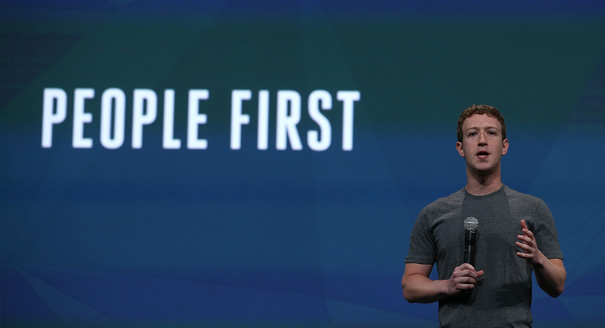
Source: Getty
Social media can both play a role in the dispersion of power and is itself a consequence of that dispersion.
Source: BloombergTV
Facebook CEO Mark Zuckerberg announced at the start of 2015 that his goal for the year was to read one new book every other week and discuss it with fellow readers on his “A Year of Books” Facebook page. He also revealed that The End of Power by Carnegie expert Moisés Naím would be the first selection. Naím sat down to discuss The End of Power, why he believes Zuckerberg chose the book, and his shock of finding out he had been selected with Bloomberg’s Trish Regan on “Street Smart.”
Distinguished Fellow
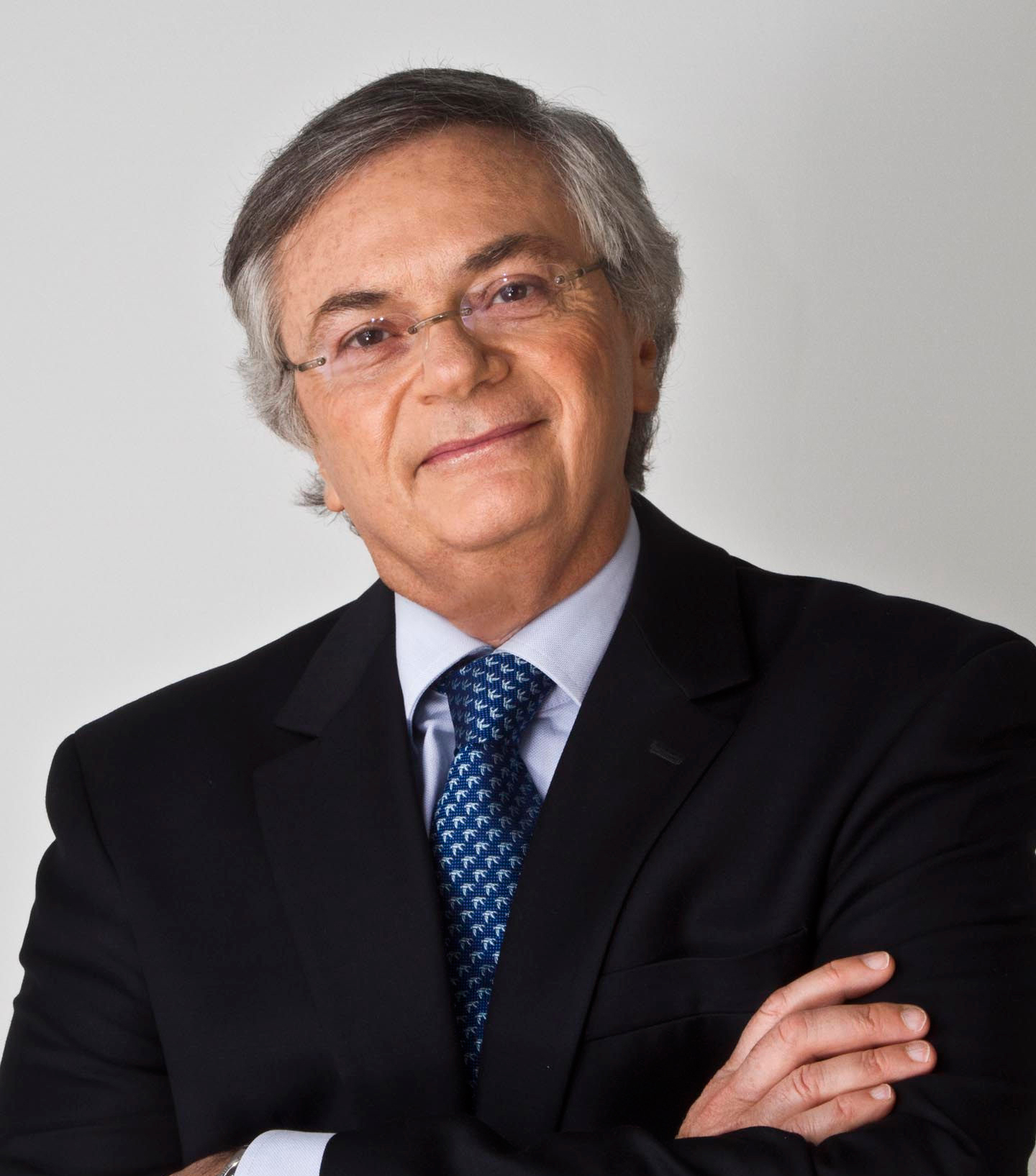
Moisés Naím is a distinguished fellow at the Carnegie Endowment for International Peace, a best-selling author, and an internationally syndicated columnist.
Recent Work
Rosa Balfour, Frances Z. Brown, Yasmine Farouk, …
Moisés Naím
Carnegie does not take institutional positions on public policy issues; the views represented herein are those of the author(s) and do not necessarily reflect the views of Carnegie, its staff, or its trustees.
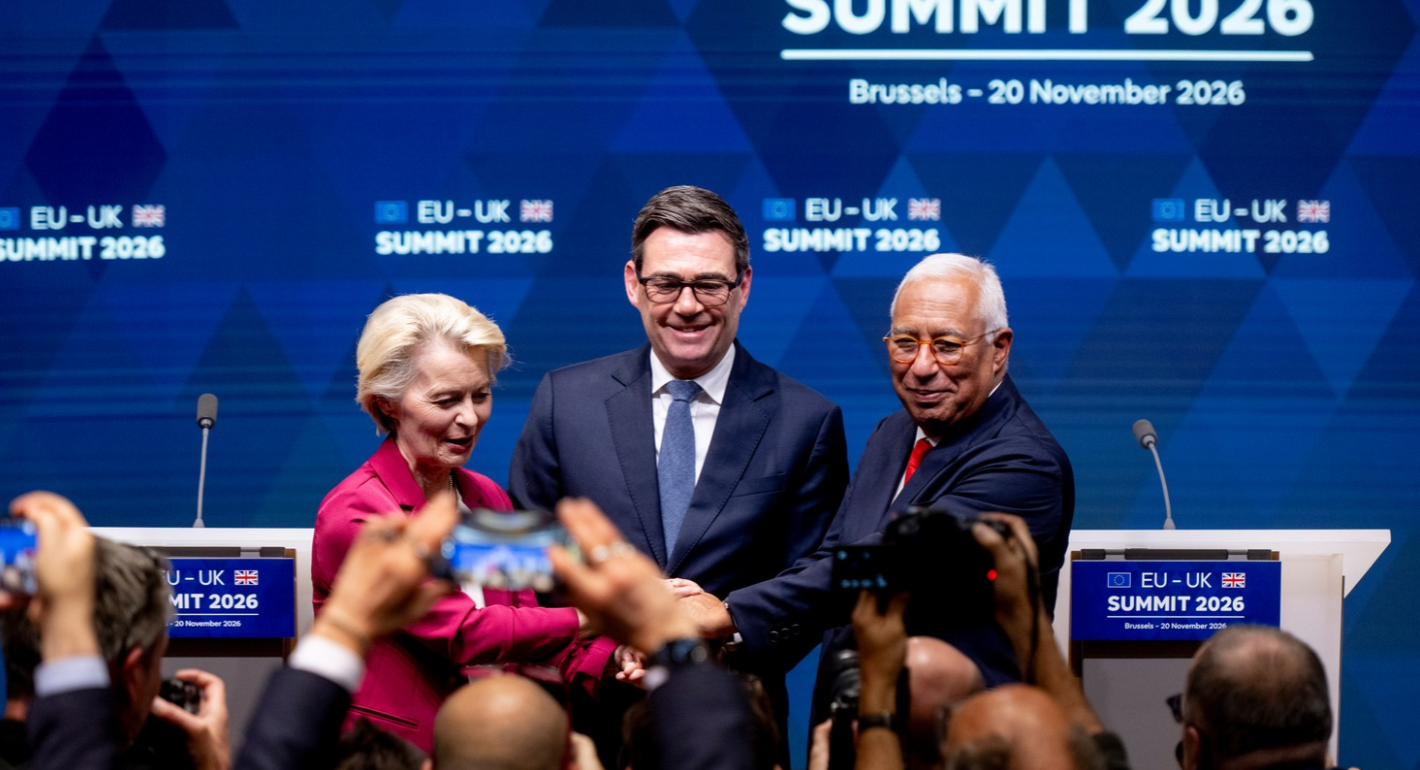
Ending in an impasse on university tuition fees, the EU-UK summit came to a muddled conclusion. Did the meeting live up to the hype, or was it counterproductive?

Rym Momtaz, ed.
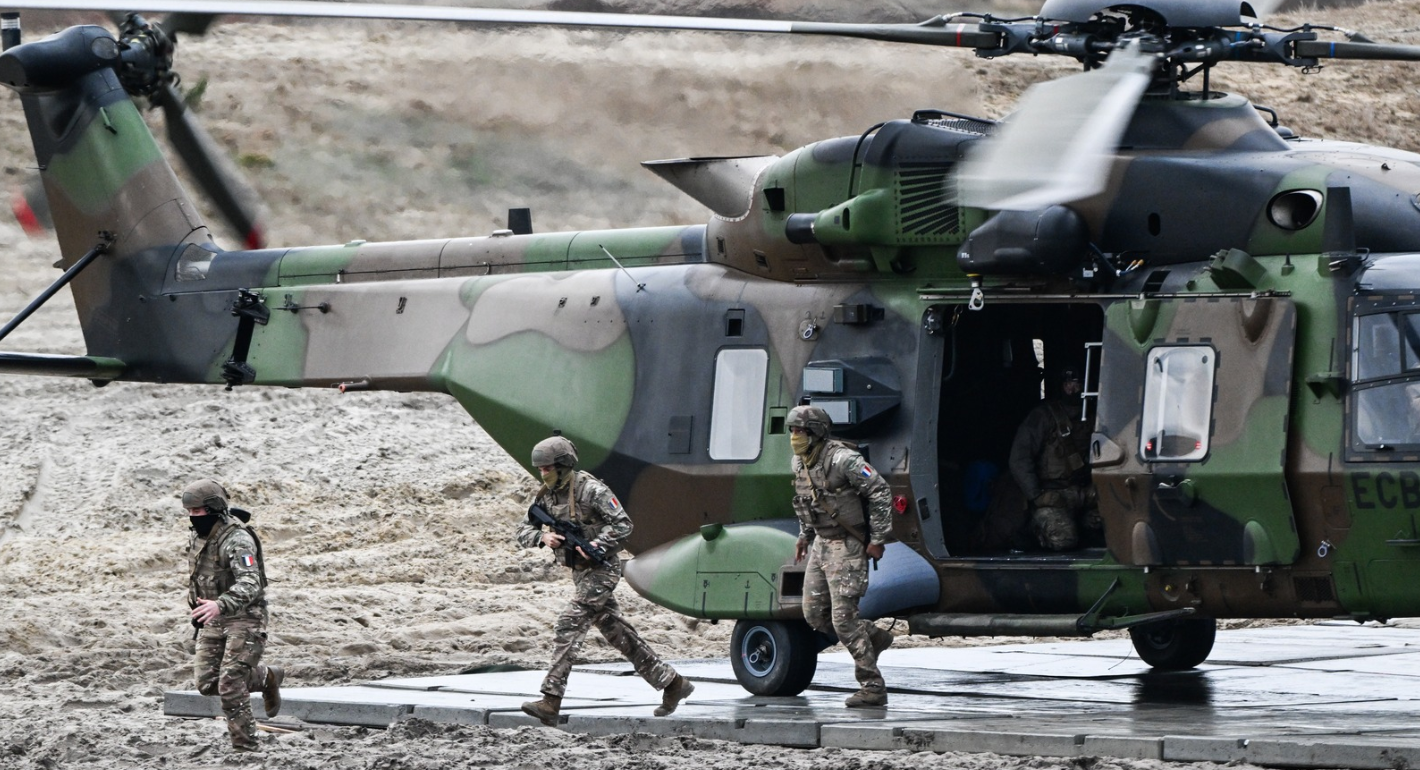
A trilateral summit in China was advertised as the new Yalta but yielded little more than a photo opportunity for Vladimir Putin. The real work was being done by the Europeans, quietly, in rural Poland.
Rym Momtaz
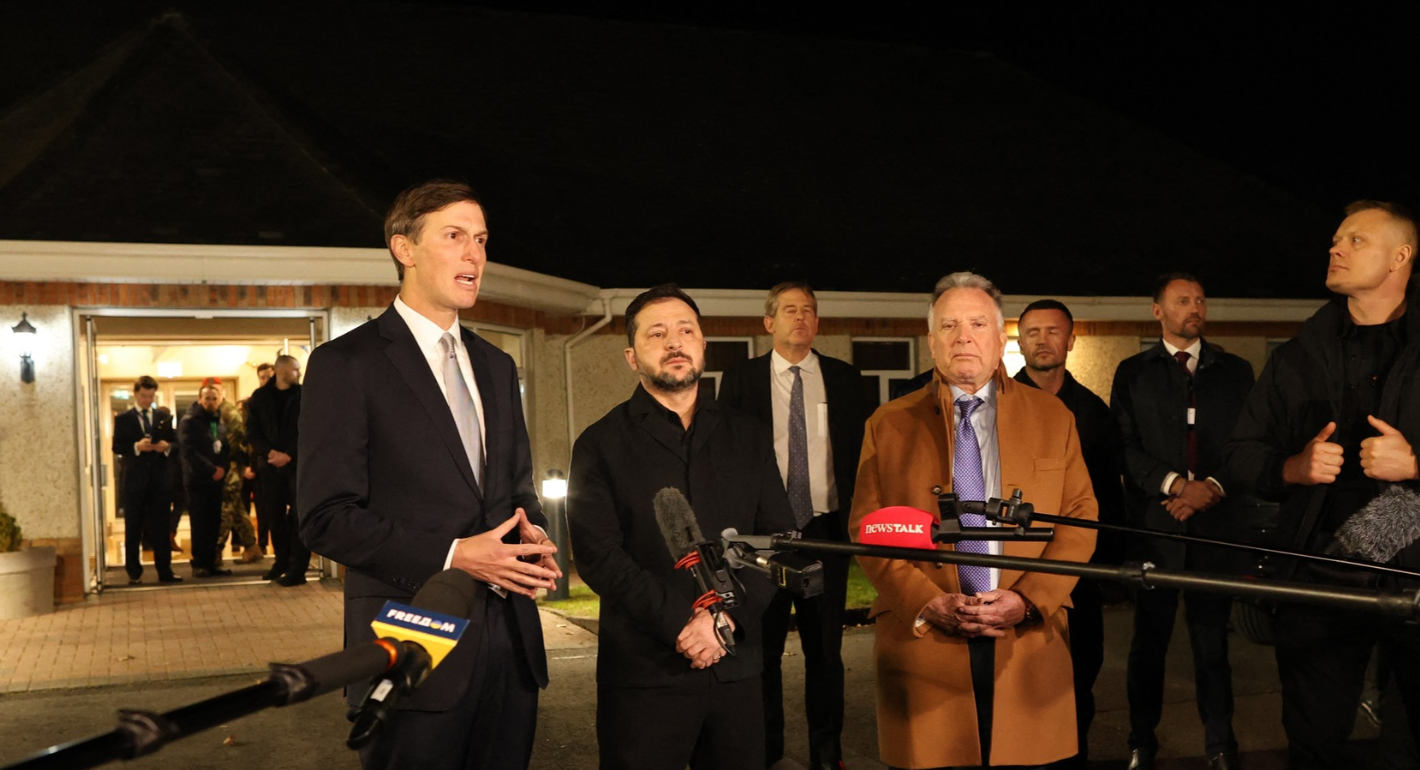
Russia’s maximalist demands are preventing any serious attempt at ending the war in Ukraine. To make peace a realistic prospect, Putin must recognize that diplomacy is a two-way street.
Kadri Liik
Too many national interests, too many EU institutions, and too little political will are preventing Europe from acting in its own best interests.
Judy Dempsey
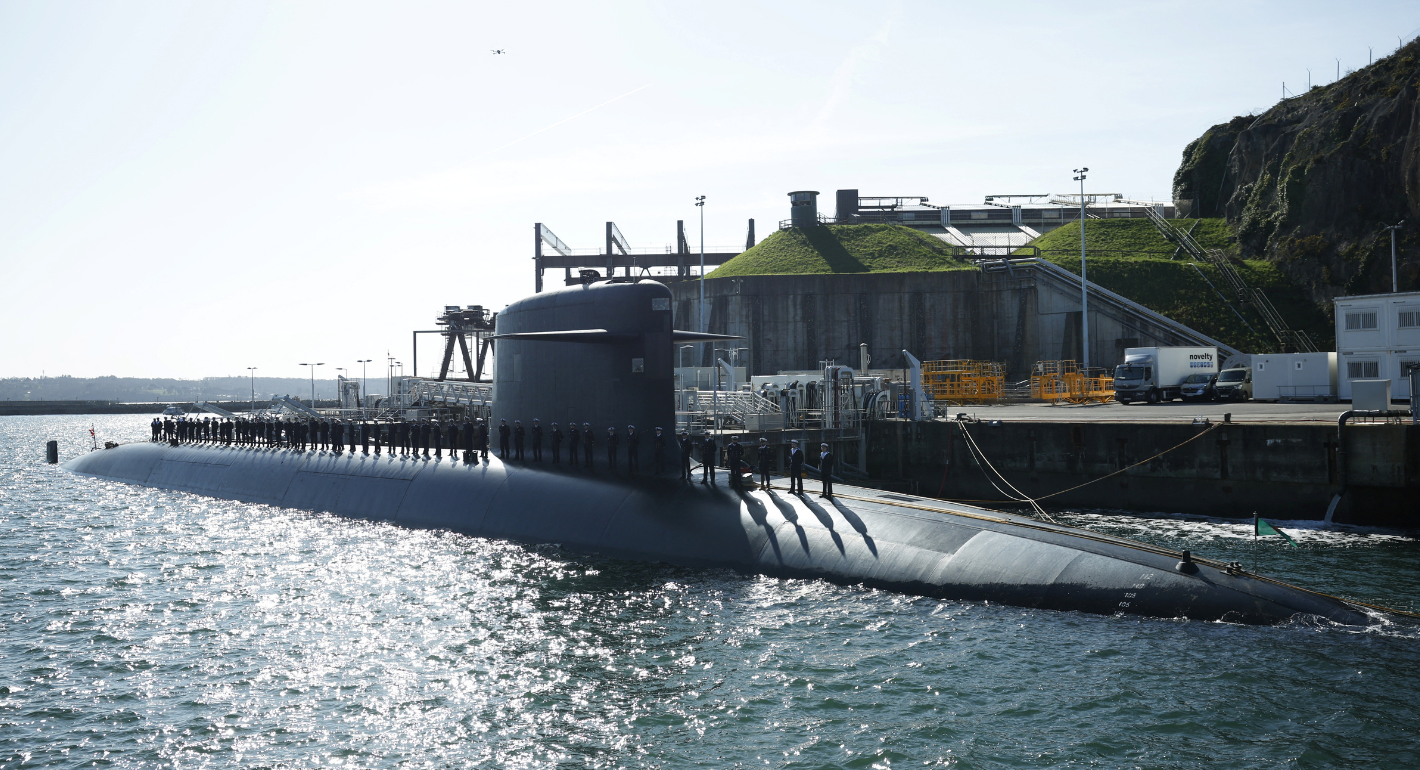
As the nuclear order rapidly evolves, what can Europeans and other key players do to strengthen deterrence and reduce risks?
Jamie Kwong, ed.