

Commentary
There is an elephant in the room when it comes to the EU’s upcoming security strategy: Donald Trump. Unless European leaders acknowledge the depth of the transatlantic crisis, true autonomy will remain out of reach.
Stefan Lehne
{
  "authors": [
    "Anton Tabakh"
  ],
  "type": "commentary",
  "centerAffiliationAll": "",
  "centers": [
    "Carnegie Endowment for International Peace",
    "Carnegie Russia Eurasia Center"
  ],
  "collections": [],
  "englishNewsletterAll": "",
  "nonEnglishNewsletterAll": "",
  "primaryCenter": "Carnegie Russia Eurasia Center",
  "programAffiliation": "",
  "programs": [],
  "projects": [
    "Eurasia in Transition"
  ],
  "regions": [
    "Russia",
    "Eastern Europe",
    "Ukraine"
  ],
  "topics": [
    "Economy",
    "Foreign Policy"
  ]
}
Source: Getty
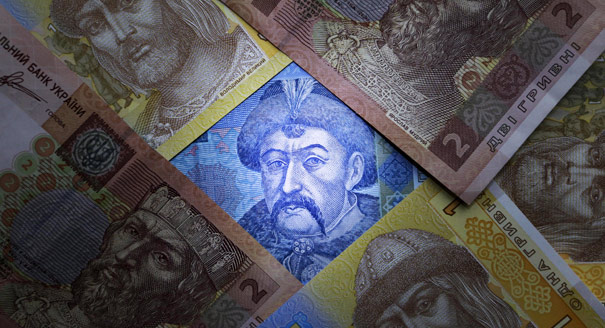
A new proposal to extend repayment of a Russian intergovernmental loan to Ukraine may ultimately suit all parties.
At the G20 summit in Antalya, Russian President Vladimir Putin not only startled the world by meeting with U.S. President Barack Obama, but also grabbed attention by addressing a key problem in Russian-Ukrainian relations, Ukraine’s $3 billion debt to Russia’s National Wealth Fund.
Putin said that Russia would be willing to push forward the December 2015 deadline and allow Ukraine to pay off the bond in three $1 billion installments in December of 2016, 2017, and 2018.
On the one hand, Putin’s proposal (along with a statement by Russian Minister of Finance Anton Siluanov a day earlier) is an interesting offer to Ukraine and a real start to debt negotiations. On the other hand, Ukraine itself had not made any official restructuring proposals—if one doesn’t count Prime Minister Arseniy Yatsenyuk’s threats of a default—so Putin’s initiative reflects Russia’s starting position in negotiations rather than an agreed-upon option. The proposal outlines a scenario that may be acceptable to all parties involved—although perhaps not to Internet trolls, radical politicians, and patriotic economists in both countries.
At issue is a Eurobond bought by Russia in December 2013, while President Viktor Yanukovych was still in power. Three quarters of Ukraine’s creditors had agreed to a debt restructuring, but Russia held out.
Russia refused to agree to the terms accepted by the private creditors: higher interest rates, but a 20 percent reduction of the principal and a four-year deferral on all repayments, which makes a bigger difference for short-term debt than for long-term debt.
Russia’s Ministry of Finance cannot lose face and write off a chunk of the principal. This would go against Moscow’s position that the debt is an intergovernmental one. The markets and the IMF view intergovernmental debt as inviolable and shielded from write-offs. Intergovernmental debt is forgiven according to very different criteria from those that apply to private debt.
The main question is: Why was an intergovernmental loan processed as a market bond, even though no one was selling it? If it had been registered as a traditional loan, there would be no problem.
The Ministry of Finance cares less about due dates and interest rates than private lenders who worry about every dollar and euro that they invest. After all, Russia (and not just Russia) regularly spends decades repaying debt. Moscow also understands that Ukraine does not have the cash to pay off the debt, the IMF won’t just hand over the money, and a lawsuit has little chance of success.
The Kremlin knows that many in Kiev would be in favor of rejecting the bond altogether. A default might allow Russia to make life difficult for Ukraine, but this wouldn’t be of much use. It would be better to reaffirm the right to the repayment and at least get something.
In strict financial terms, stretching out debt repayment to three years gives Russia a certain advantage over private creditors on bonds due in 2015. To really even things out, the deferral should be about four years at a 5 percent interest rate (as on existing bonds) or closer to five years at the rate Kiev offered private investors. The restructuring agreement signed with private creditors includes a clause requiring pari passu treatment (the same terms for everyone), a condition the IMF also insists on. This would give Ukraine an opportunity to press Russia for a longer deferral. Ukrainian government securities are not particularly valuable in our opinion and the Russian Ministry of Finance definitely will not be interested in them.
Russia is also seeking EU and U.S. guarantees for this agreement, which is quite logical. Given the parlous state of Ukraine’s budget and reserves, money for servicing the debt will come from the IMF, the United States, or the EU. Ukraine has already received a sovereign loan guarantee from the United States for a previous bond issue.
This time, Kiev is unlikely to obtain a formal guarantee, although it may get unspecified promises of funds when time comes for repayment. Kiev will be more accommodating if it knows that ultimately the debt will be repaid by foreign creditors and not from the Ukrainian budget. In similar fashion, promises of IMF money sped up negotiations with private creditors in the summer of 2015.
The new proposal on debt restructuring could allow all of the parties involved to achieve their goals. Moscow would save face and reaffirm its right to be repaid, even if in installments. Kiev would eschew the adverse consequences of a default. The IMF would be able to announce that its requirements have been met.
The repayment schedule is likely to be extended to avoid discriminating against private creditors, and the payments will probably be scheduled for every six months. If a deal is struck, the debt question will finally be crossed off the Russian-Ukrainian agenda—leaving the two countries more time and energy to quarrel over many other issues such as gas, trade, and air transit.
Anton Tabakh
Carnegie does not take institutional positions on public policy issues; the views represented herein are those of the author(s) and do not necessarily reflect the views of Carnegie, its staff, or its trustees.
There is an elephant in the room when it comes to the EU’s upcoming security strategy: Donald Trump. Unless European leaders acknowledge the depth of the transatlantic crisis, true autonomy will remain out of reach.

Stefan Lehne
Europe’s industrial supply chains leave it vulnerable to global shocks. The EU needs a pragmatic green industrial strategy that balances durable partnerships and bolsters homegrown clean tech without sacrificing low-carbon ambition.


Milo McBride, Pauline Gerard
Defense tech innovations will be at the heart of Europe’s new security strategy. But so far, Brussels has been making moves without a broader plan, undermining readiness and credibility.

Raluca Csernatoni
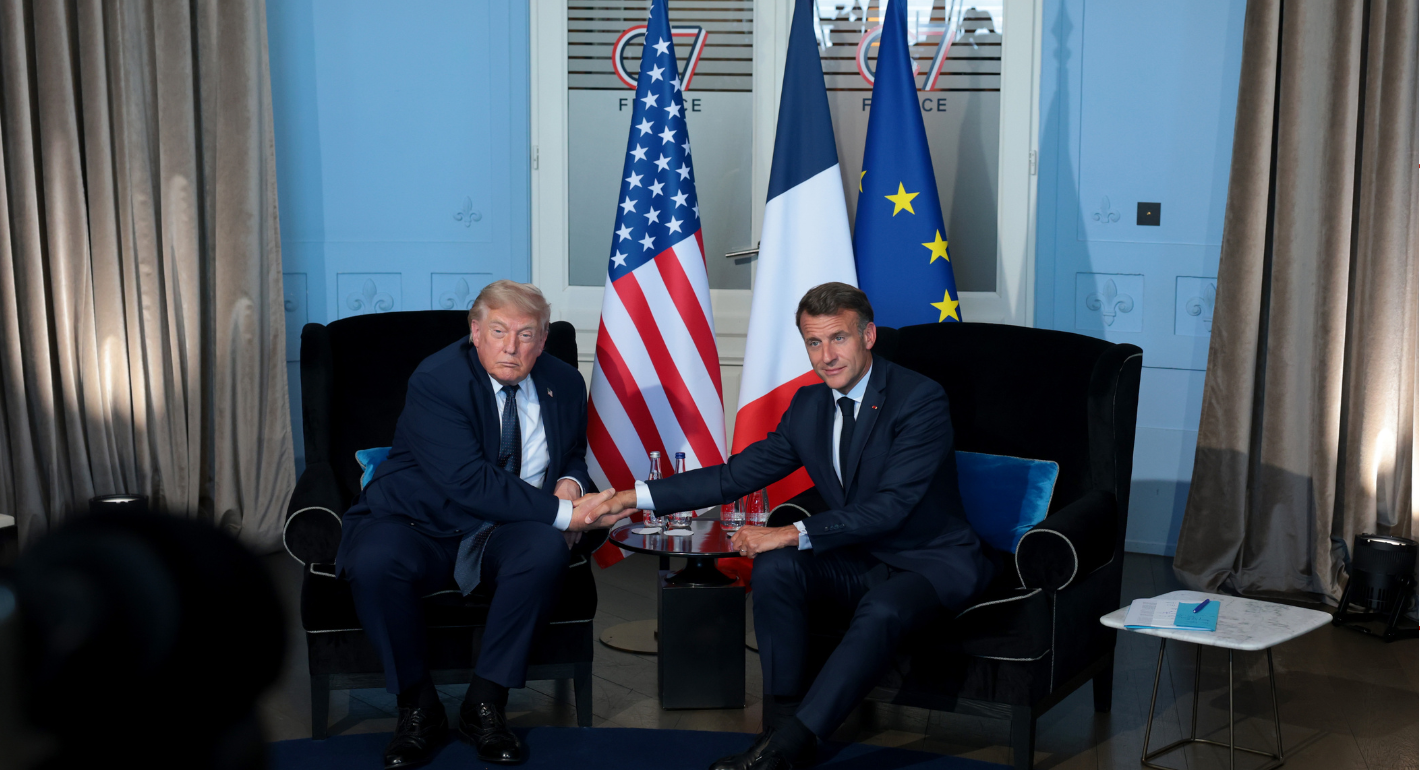
When the U.S.-Iran memorandum of understanding was announced, the UK, France, Germany, and Italy declared their readiness to help demine the Strait of Hormuz and lift nuclear sanctions on Tehran. But does Europe need new tools to recover a diplomatic role?

Rym Momtaz, ed.
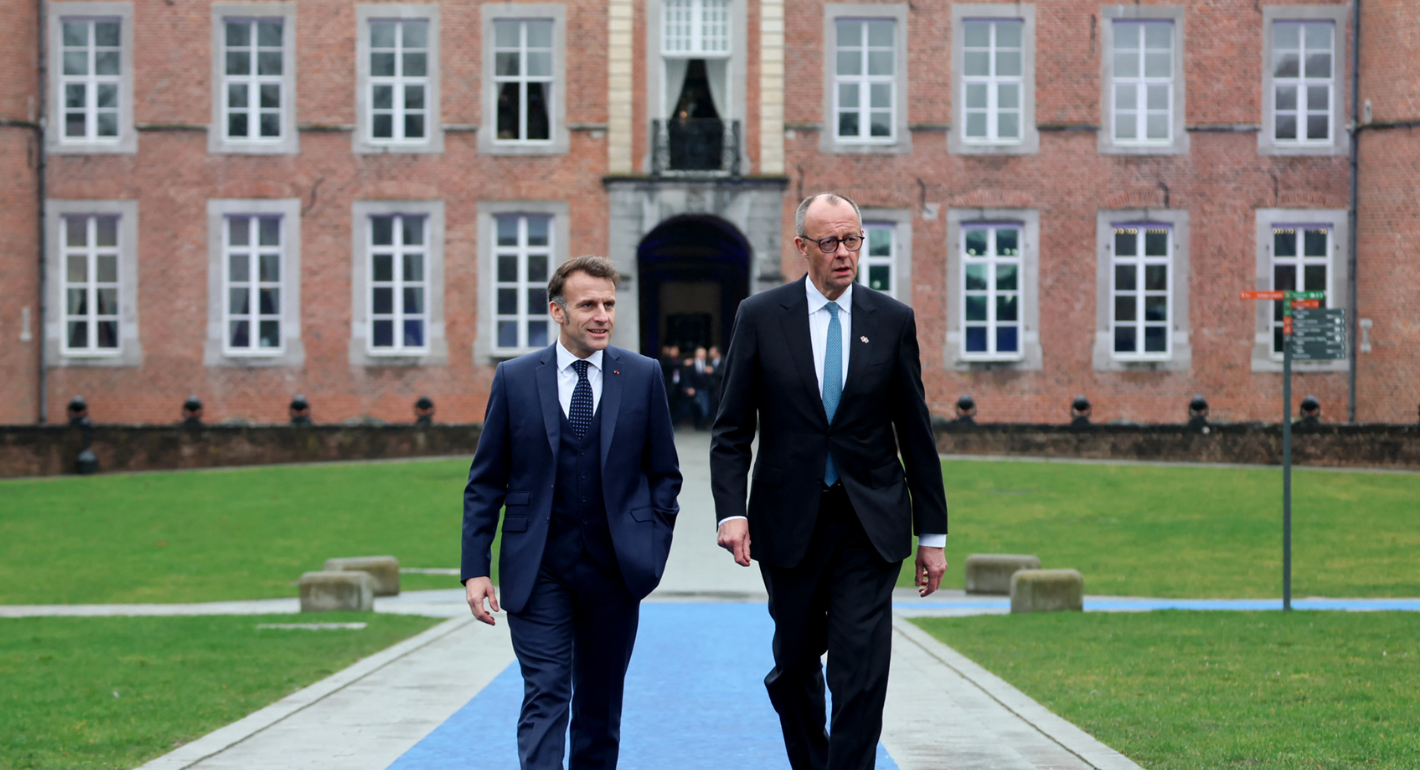
The Franco-German relationship is on the rocks again. But unlike previous moments of tension, the epochal changes on the world stage require that both step up investment in their bilateral ties.
Rym Momtaz