

Commentary
Judy Dempsey
{
  "authors": [
    "Judy Dempsey"
  ],
  "type": "legacyinthemedia",
  "centerAffiliationAll": "dc",
  "centers": [
    "Carnegie Endowment for International Peace",
    "Carnegie Europe"
  ],
  "collections": [],
  "englishNewsletterAll": "ctw",
  "nonEnglishNewsletterAll": "",
  "primaryCenter": "Carnegie Europe",
  "programAffiliation": "EP",
  "programs": [
    "Europe"
  ],
  "projects": [],
  "regions": [
    "Europe",
    "Western Europe",
    "Germany",
    "Iran"
  ],
  "topics": [
    "EU",
    "Migration"
  ]
}
Source: Getty
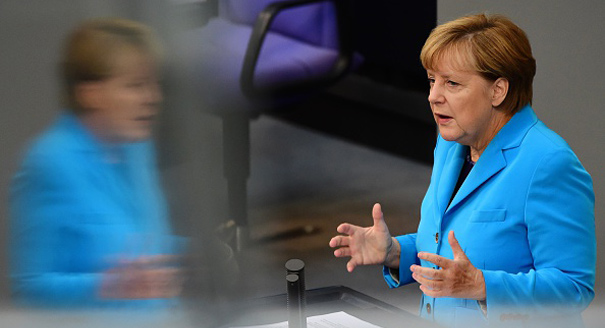
The German chancellor’s open-door policy toward the refugees is a challenge to her leadership. As public debate gets harsher in Germany, will Angela Merkel opt for a plan B?
Source: Deutsche Welle
Speaking on Deutsche Welle’s Quadriga, Judy Dempsey discussed if Angel Merkel can survive one of the biggest test of her career: the refugee crisis. She was joined by Alan Posener, journalist at Die Welt, and Erik Kirschbaum, Germany correspondent at Los Angeles Times.

Nonresident Senior Fellow, Carnegie Europe
Judy Dempsey is a nonresident senior fellow at Carnegie Europe
Recent Work
Judy Dempsey
Judy Dempsey
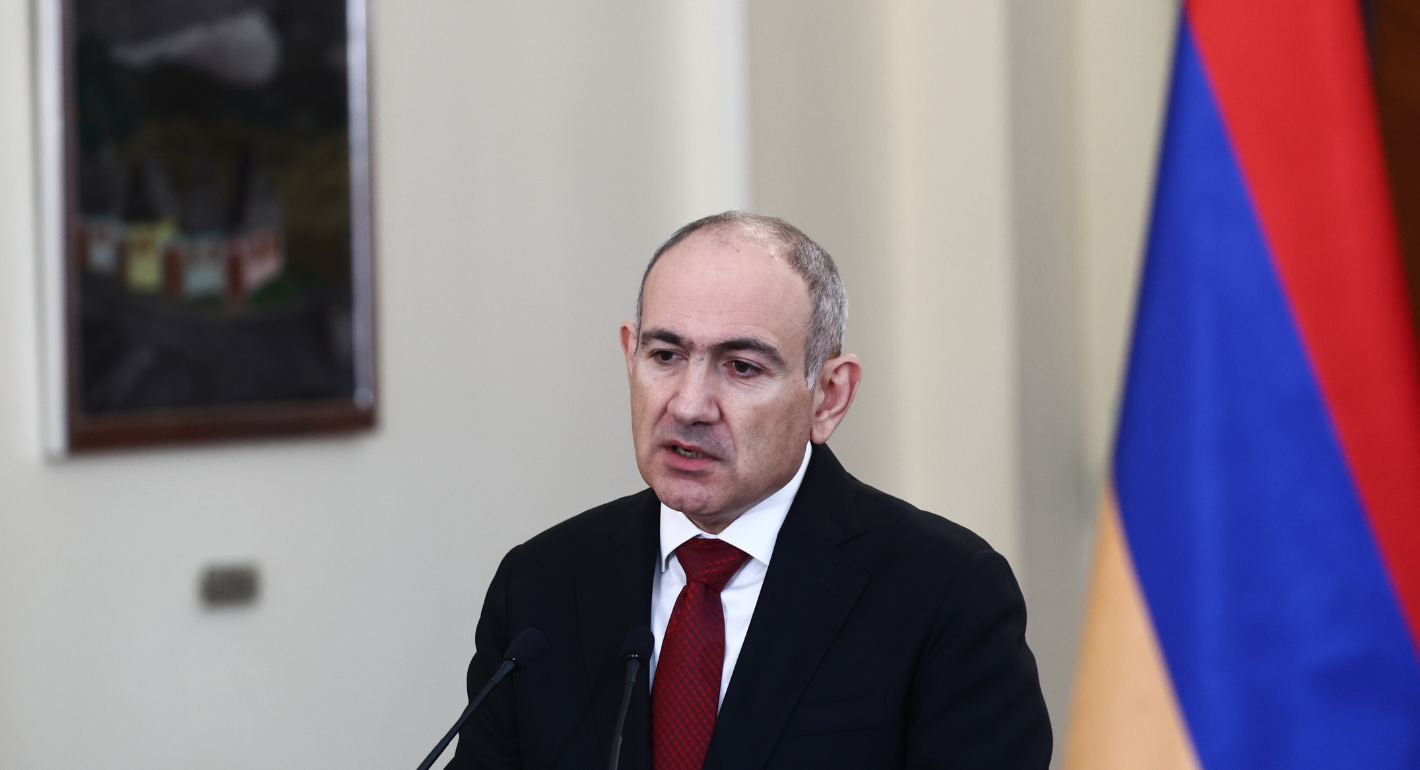
Europe has an interest in supporting Armenian leader Nikol Pashinyan as he tries to make peace with neighbors and loosen ties with Russia. But it is depersonalized support in the long term, not quickfire flash, that will win the day.

Thomas de Waal
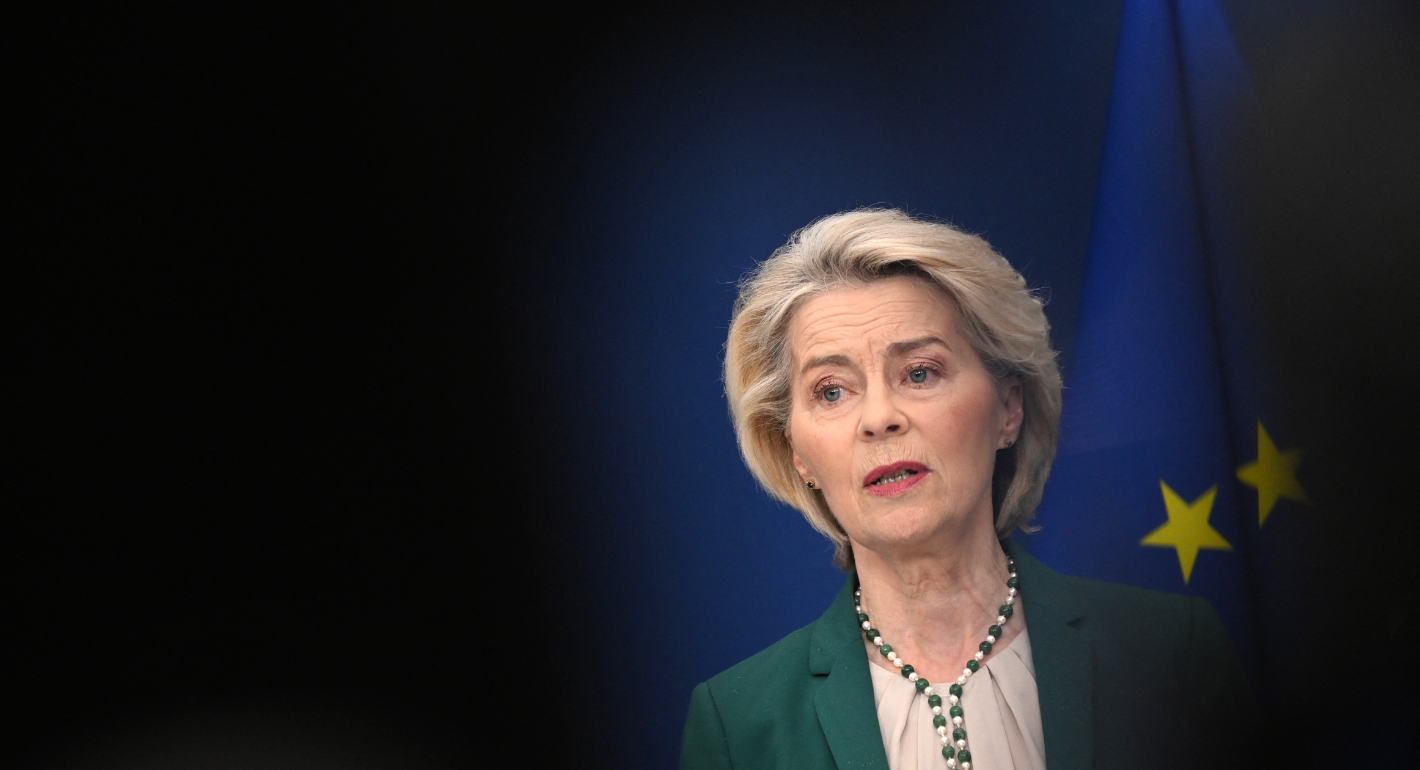
Following Ursula von der Leyen’s gaffe equating Turkey to Russia and China, relations with Ankara risk deteriorating even further. Without better, more consistent diplomatic messaging, how can the EU pretend to be a geopolitical power?

Sinan Ülgen
Closer EU-UK ties could help address urgent European concerns. But is the EU ready for rapprochement with the United Kingdom?

Rym Momtaz, ed.
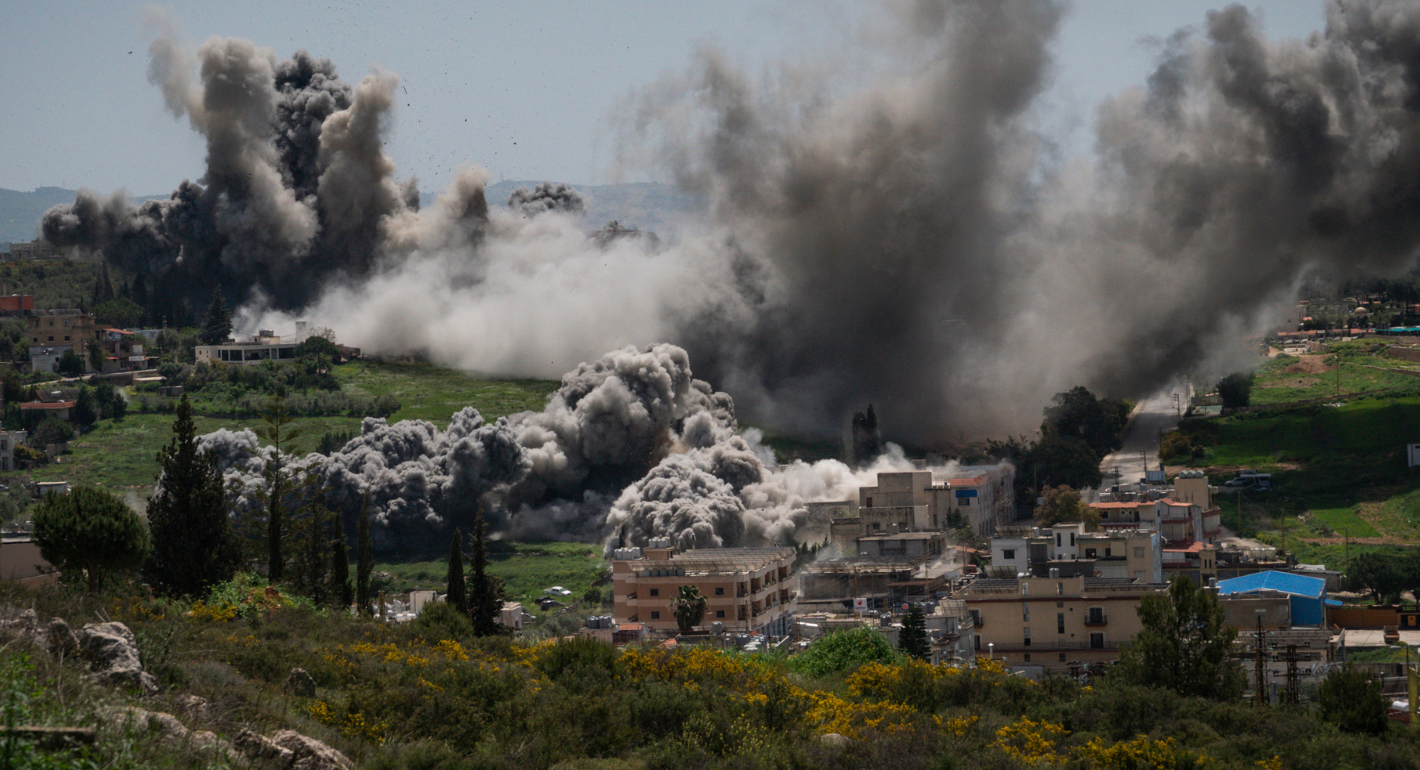
Europe has been standing by while its Southern neighborhood is being redrawn by force. To establish a path to peace between Israel and Lebanon, it’s time for Europeans to get involved with hard power.
Rym Momtaz
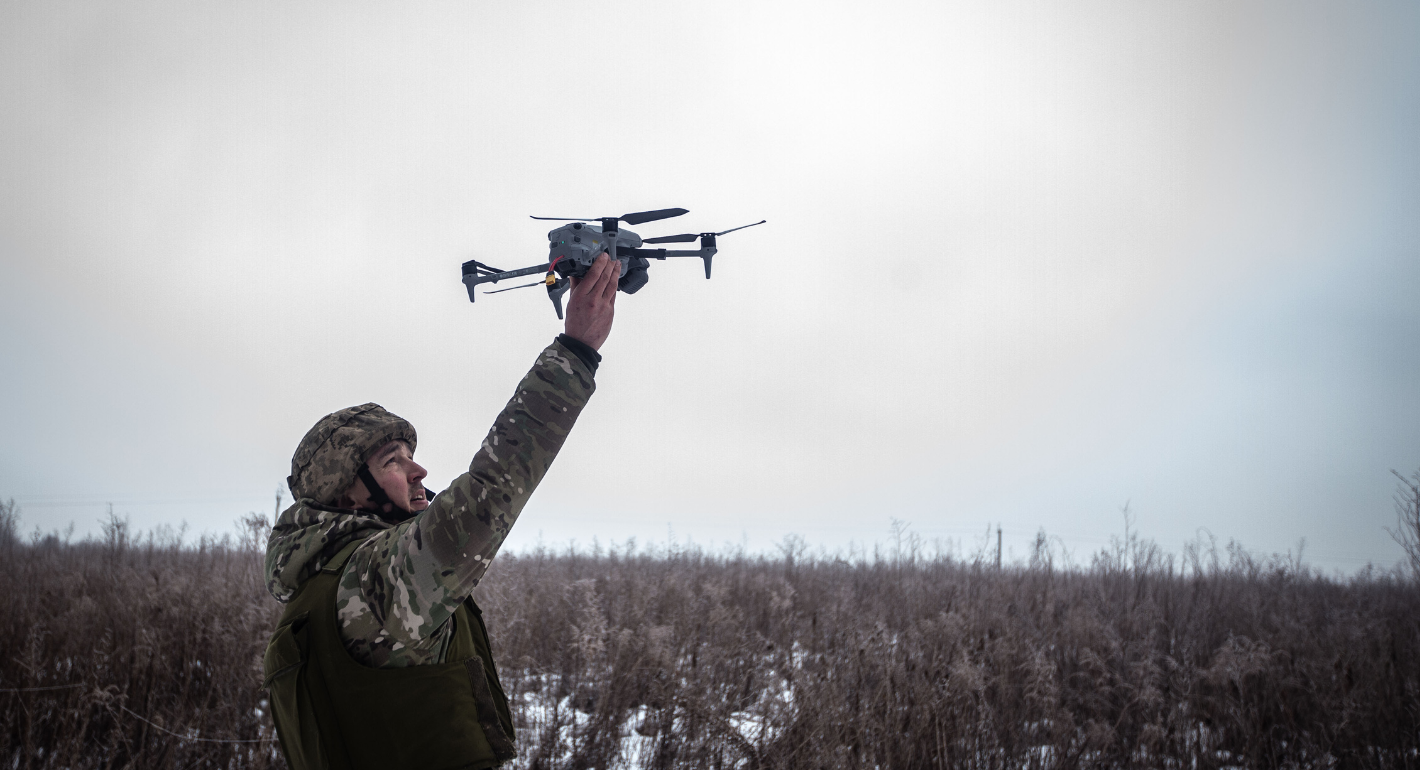
In Ukraine, Gaza, and Iran, AI warfare has come to dominate, with barely any oversight or accountability. Europe must lead the charge on the responsible use of new military technologies.

Raluca Csernatoni