

Commentary
Marc Pierini
{
  "authors": [
    "Marc Pierini"
  ],
  "type": "commentary",
  "centerAffiliationAll": "",
  "centers": [
    "Carnegie Endowment for International Peace",
    "Carnegie Europe",
    "Malcolm H. Kerr Carnegie Middle East Center"
  ],
  "collections": [],
  "englishNewsletterAll": "",
  "nonEnglishNewsletterAll": "",
  "primaryCenter": "Carnegie Europe",
  "programAffiliation": "",
  "programs": [],
  "projects": [],
  "regions": [
    "Levant",
    "Middle East",
    "Iran",
    "Türkiye",
    "Syria",
    "Russia"
  ],
  "topics": [
    "Political Reform",
    "Foreign Policy"
  ]
}
Source: Getty
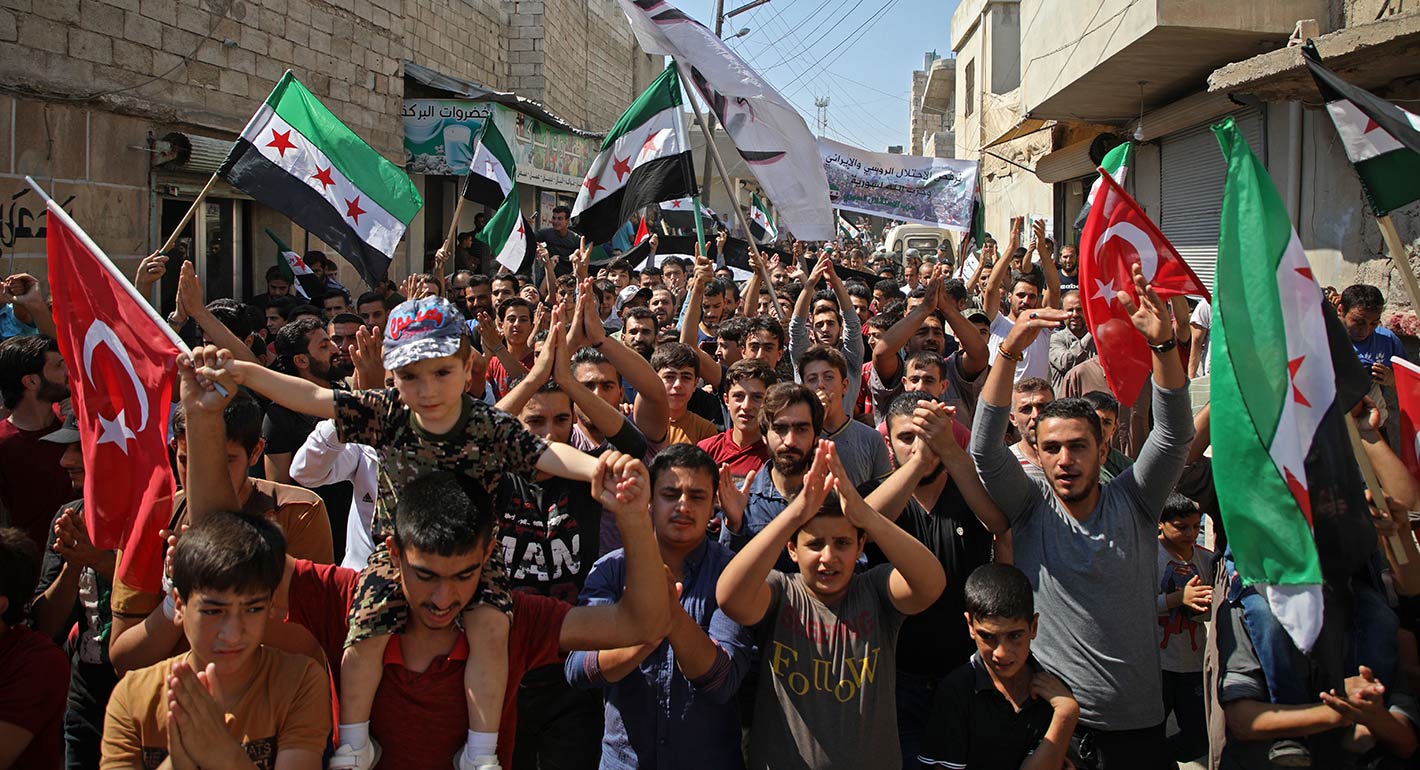
At the Sochi summit, Erdogan, Putin, and Rouhani will discuss how to solve the conflict in Syria. But audiences back home will be at the front of their minds.
Yet another tripartite summit will convene in Sochi in mid-February 2019 to resolve the nearly eight-year-long Syrian conflict.
In preparatory meetings, there was the usual summitry narrative about “ensuring security in the de-escalation zone in Idlib,” “mutual understanding,” of Turkey’s security concerns, and an “important contribution to the peace and stability of the region.” But the words paper over widely diverging agendas between Russia and Iran (which back Syrian President Bashar al-Assad) and Turkey (which wants Assad out).
Russia wants to wipe out jihadists from Idlib Province and refuses to see Chechen fighters return home. But Turkey is anxious to avoid a Grozny-style bloodbath in Idlib, because it does not want a new wave of fleeing civilians to head to Hatay Province in the southern parts of a refugee-tired Turkey. This means the Russian-Turkish de-escalation zone around the region is only a temporary solution, as it parks the remaining jihadists in a no-man’s-land of sorts, until Moscow and Ankara resolve their differences.
More importantly, Russia and Iran share an overwhelming objective, which is to help Assad regain control of all Syrian territory and all the country’s border posts. Territory-wise, this means that Turkish troops will ultimately have to withdraw from the districts of Jarabulus and Afrin along the Turkish-Syrian border, as well as Idlib. Having spent massive funds and suffered heavy casualties to defend the Assad regime, Tehran will also be keen to retain its influence in Syria, which is an essential corridor to Lebanon, where Iran supports Hezbollah.
Meanwhile, for domestic political reasons, Ankara is insisting on eliminating the Syrian Kurdish forces (YPG) from the vicinity of its border between the Euphrates River and the Tigris River. The irony is that the theoretical threat of a military incursion east of the Euphrates River served Ankara well in its dealings with Washington and resulted in some security guarantees on the Turkish border. But U.S. President Donald Trump’s abrupt decision to withdraw U.S. forces from the area created an impasse for President Recep Tayyip Erdoğan. Until the last U.S. and French soldiers are gone, it is doubtful that Moscow and Tehran will allow a Turkish ground offensive to take place, let alone allow the Turkish Air Force to provide air cover. And if they wanted to, they would need Damascus’s agreement.
Looking at the broader picture in the medium term, Turkey must now face the multiple fallouts of its alliance with Iran and Russia. First, Ankara must give up its stated goal of seeing Assad leave power. Second, it must deliver on its promise to Russia to deal with several thousand jihadists in Idlib Province. Third, Turkey must withdraw its own ground forces from the north of Syria. In the longer term, Ankara will face a very different security architecture at its doorstep, with permanent Russian air and naval bases near its border.
But in Sochi on Thursday, Putin will soothe Erdoğan with empathy and understanding, because the real stakes for him are not about Syria. The real issue for Russia is the effective implementation of the S-400 missile deal between Moscow and Ankara. This deal means that the Russian Air Force will have personnel embedded in the Turkish military, operating S-400 missiles from within the air force of a key NATO member. That, for Moscow, is no small feat on the domestic and global stage.
For Iran, Turkey is a convenient ally, since Ankara indirectly contributes to Tehran’s goal of keeping Assad in power, resulting in a permanent Iranian presence in Syria. Domestically, it is also valuable for Iran to be seen cooperating with Turkey, a NATO member, to seemingly defeat the U.S. presence in Syria.
For Erdoğan, all that matters is to get words of support in his fight against Syrian Kurds and to appear to be part of a trio of leaders solving the Syrian crisis. Waxing nationalist will (supposedly) bring more votes for Erdoğan’s camp in the local Turkish elections on March 31, 2019, and (with luck) hide the country’s acute economic crisis.
The competing domestic agendas of various regional actors are playing out in Sochi this week, and the actual conflict in Syria has been sidelined. Once again, ordinary Syrians are the victims.

Senior Fellow, Carnegie Europe
Pierini is a senior fellow at Carnegie Europe, where his research focuses on developments in the Middle East and Turkey from a European perspective.
Recent Work
Marc Pierini


James M. Acton, Saskia Brechenmacher, Cecily Brewer, …
Carnegie does not take institutional positions on public policy issues; the views represented herein are those of the author(s) and do not necessarily reflect the views of Carnegie, its staff, or its trustees.
The war in Iran proves the United States is now a destabilizing actor for Europe and the Arab Gulf. From protect their economies and energy supplies to safeguarding their territorial integrity, both regions have much to gain from forming a new kind of partnership together.

Rym Momtaz
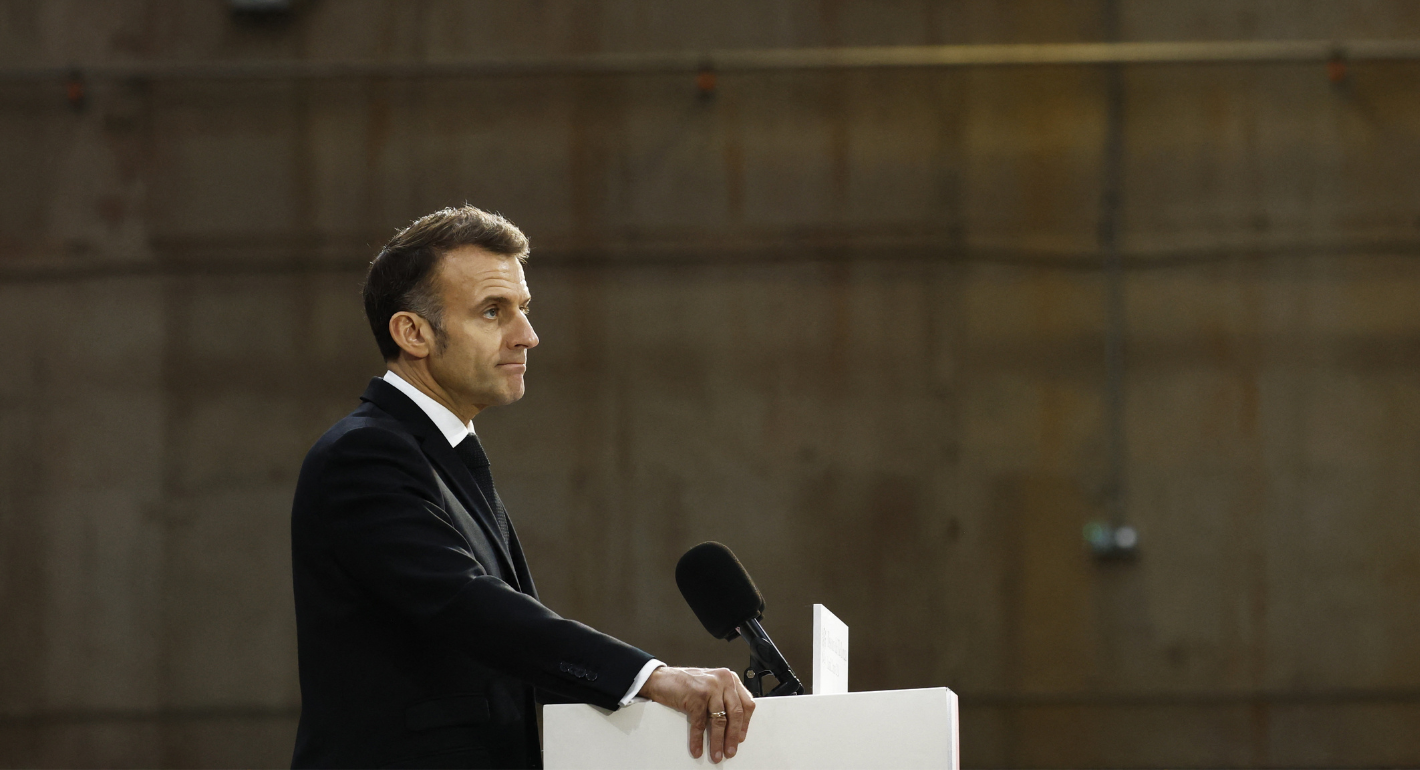
French President Emmanuel Macron has unveiled his country’s new nuclear doctrine. Are the changes he has made enough to reassure France’s European partners in the current geopolitical context?
Rym Momtaz, ed.
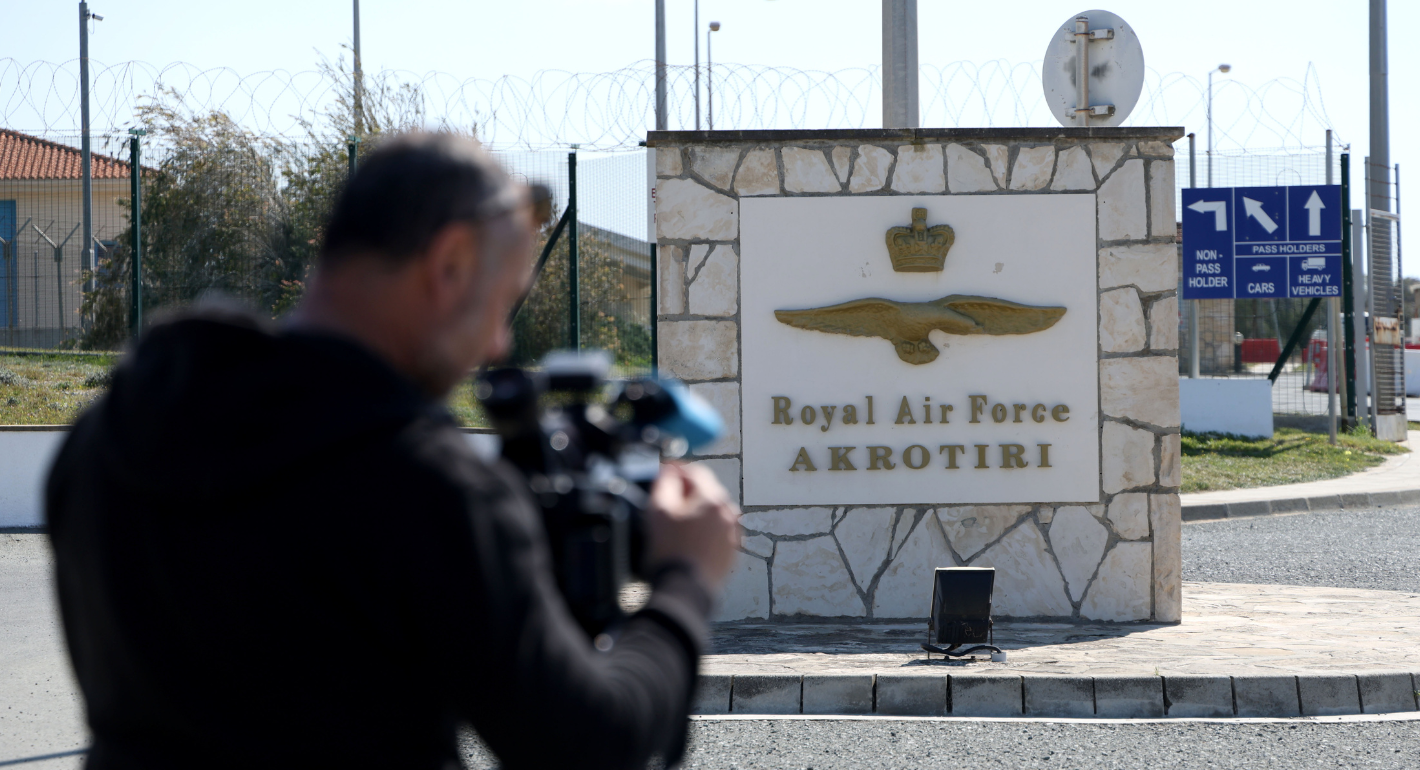
The drone strike on the British air base in Akrotiri brings Europe’s proximity to the conflict in Iran into sharp relief. In the fog of war, old tensions in the Eastern Mediterranean risk being reignited, and regional stakeholders must avoid escalation.
Marc Pierini
European reactions to the war in Iran have lost sight of wider political dynamics. The EU must position itself for the next phase of the crisis without giving up on its principles.

Richard Youngs
For years, the United States anchored global cyber diplomacy. As Washington rethinks its leadership role, the launch of the UN’s Cyber Global Mechanism may test how allies adjust their engagement.
Patryk Pawlak, Chris Painter