

Commentary
The EU had to compromise to adopt a twenty-first sanctions package against Russia, exposing growing cracks in the union’s resolve. Is this latest, weaker round worth it to keep pressure on Moscow?
Rym Momtaz, ed.
{
  "authors": [
    "Raluca Csernatoni",
    "Bruno Oliveira Martins"
  ],
  "type": "other",
  "centerAffiliationAll": "dc",
  "centers": [
    "Carnegie Endowment for International Peace",
    "Carnegie Europe"
  ],
  "collections": [
    "Transatlantic Cooperation"
  ],
  "englishNewsletterAll": "ctw",
  "nonEnglishNewsletterAll": "",
  "primaryCenter": "Carnegie Europe",
  "programAffiliation": "EP",
  "programs": [
    "Europe"
  ],
  "projects": [],
  "regions": [
    "Europe",
    "Western Europe",
    "Iran"
  ],
  "topics": [
    "Security"
  ]
}
Source: Getty
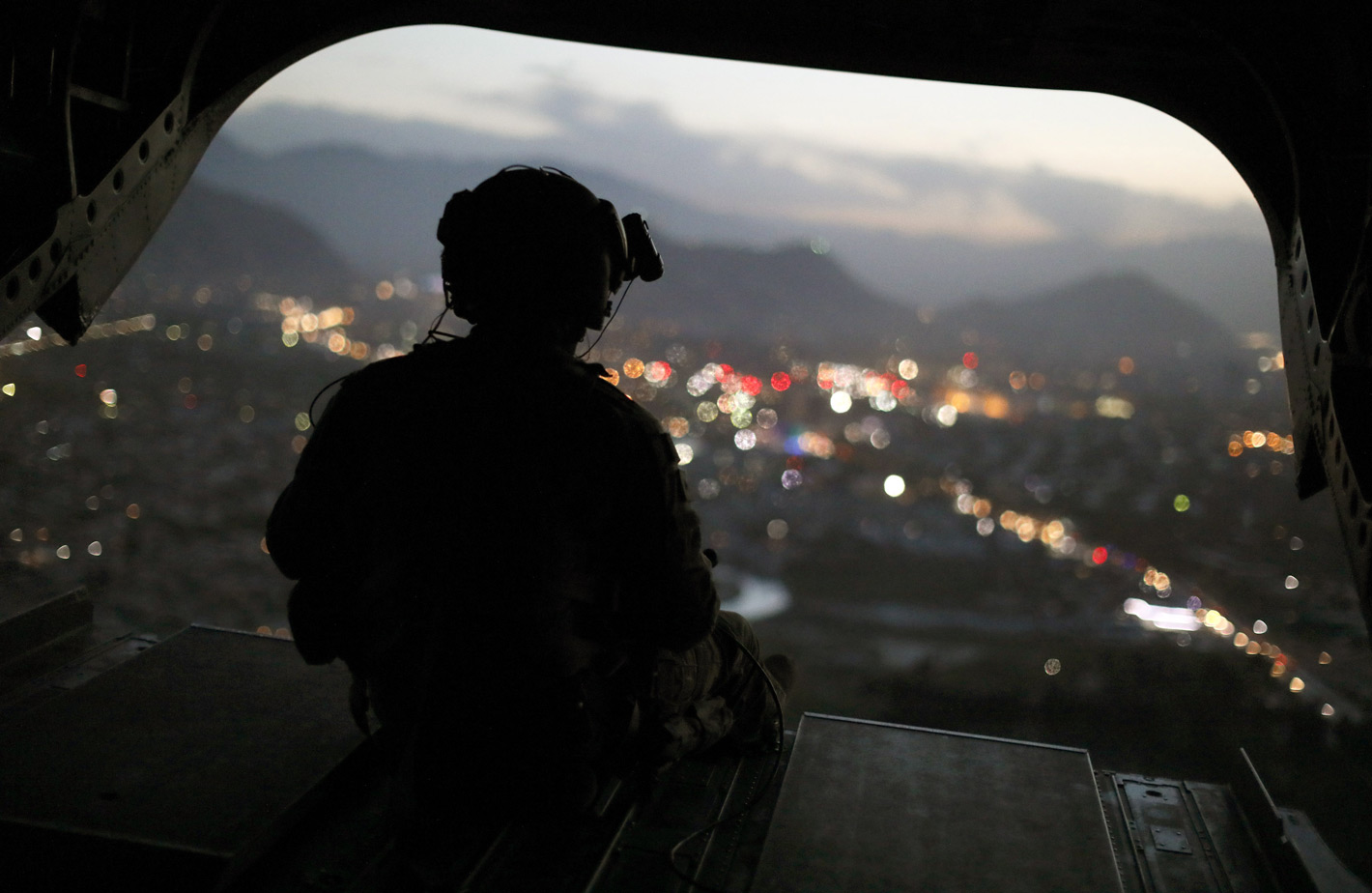
The European Defense Fund holds the potential to fundamentally challenge the nature of the EU as a peace project.
Source: Peace Research Institute Oslo
The recently-launched European Defence Fund (EDF) is a ground-breaking investment in the areas of security and defence and holds the potential to fundamentally challenge the nature of the European Union (EU) as a peace project.
Proponents of the EDF frame the initiative as crucial to European security in an age of increasing political instability and rapid technological change. As such, the EDF is framed as a much-needed catalyst for scaling up the EU’s defence by conferring strategic autonomy to Europe, and overhauling a lagging European Defence Technological and Industrial Base.
To achieve these goals, the EDF stresses the need to optimise strategic value for money by funding cutting-edge research and innovation and by fostering the development of interoperable defence capabilities. However, the EDF also raises important questions about EU’s political priorities, output legitimacy, and security and defence governance.
This policy brief was originally published by the Peace Research Institute in Oslo (PRIO).

Fellow, Carnegie Europe
Raluca Csernatoni is a fellow at Carnegie Europe, where she specializes on European security and defense, as well as emerging disruptive technologies.
Bruno Oliveira Martins
Bruno Oliveira Martins is a senior researcher at the Peace Research Institute Oslo in Norway.
Carnegie does not take institutional positions on public policy issues; the views represented herein are those of the author(s) and do not necessarily reflect the views of Carnegie, its staff, or its trustees.

The EU had to compromise to adopt a twenty-first sanctions package against Russia, exposing growing cracks in the union’s resolve. Is this latest, weaker round worth it to keep pressure on Moscow?

Rym Momtaz, ed.

Trump is distracted and Ukraine wants Europe to step up. The continent’s leaders must find their voice and assert it in talks with Russia.

Alissa de Carbonnel

Mounting economic strain and battlefield losses will not necessarily make the Kremlin less dangerous. They could instead push Moscow toward a more aggressive hybrid campaign designed to test NATO’s Eastern flank, exploit allied hesitation, and fracture European resolve.

Maksym Beznosiuk

Over the past ten years, NATO has held almost as many summits as it did during the entirety of the Cold War. Are they still useful, or is it time to stop holding annual meetings?
Rym Momtaz, ed.

As the EU confronts profound challenges, several leaders have called for fundamental reform to the union’s model—but only modest, superficial changes have resulted. What if Europe really could be reimagined from zero today: What should such a redesigned European order look like?

Richard Youngs, ed.