

Article
C. Raja Mohan, Darshana M. Baruah
{
  "authors": [
    "C. Raja Mohan"
  ],
  "type": "legacyinthemedia",
  "centerAffiliationAll": "",
  "centers": [
    "Carnegie Endowment for International Peace",
    "Carnegie India"
  ],
  "collections": [],
  "englishNewsletterAll": "",
  "nonEnglishNewsletterAll": "",
  "primaryCenter": "Carnegie India",
  "programAffiliation": "",
  "programs": [],
  "projects": [],
  "regions": [
    "India"
  ],
  "topics": [
    "Domestic Politics",
    "Foreign Policy"
  ]
}
Source: Getty
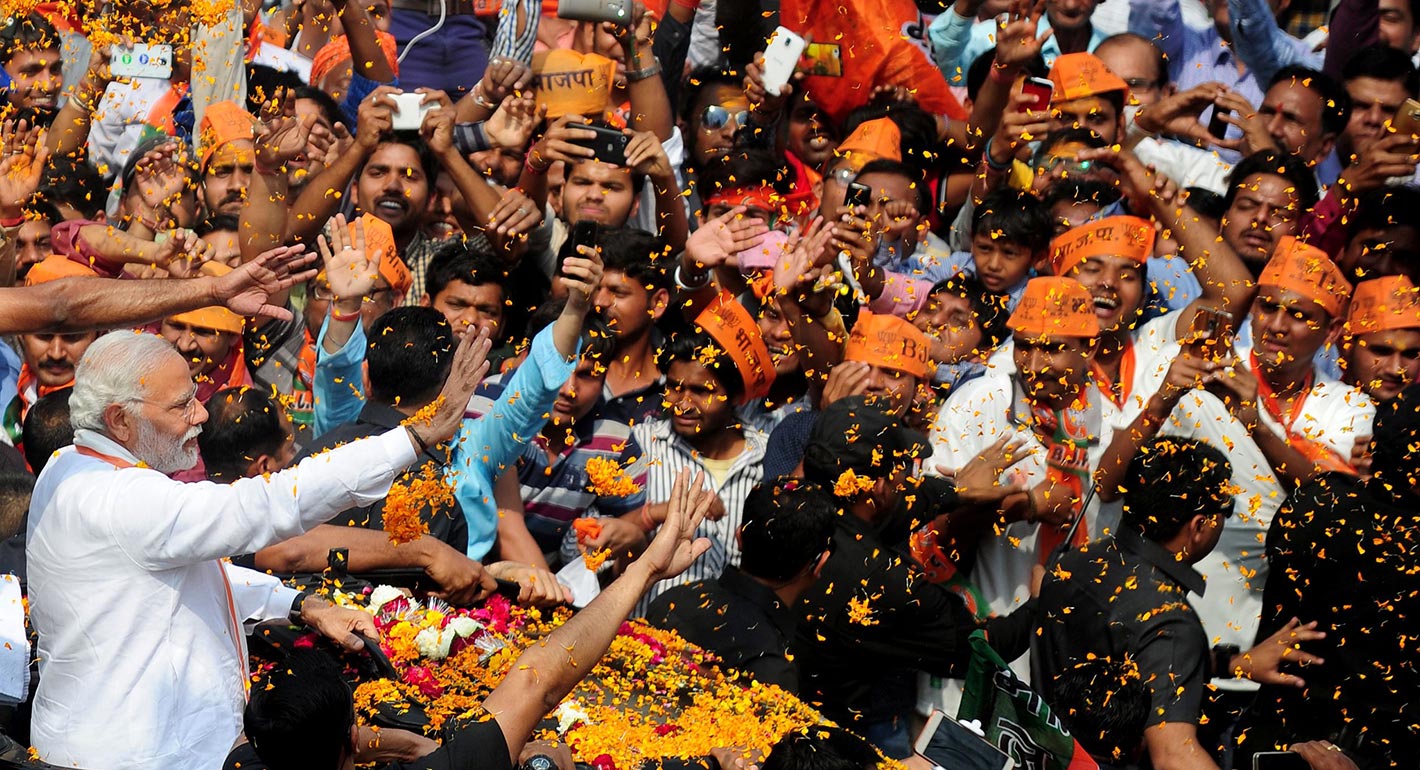
The election is a good opportunity for the BJP and the Congress to debate the changing international situation, potential Indian responses, and the much needed reform in India’s defense and national security system.
Source: Indian Express
Will foreign policy and national security issues play a decisive role in the upcoming general elections? Not quite. India’s recent bombing of a terror training camp at Balakot in Pakistan last month, one of a piece with the “surgical strikes” across the Line of Control in Kashmir in September 2016, have certainly generated much heat on the eve of the elections. For the BJP, it symbolises Delhi’s tough new approach to cross-border terrorism. The Congress, of course, wants to run down an important step in the evolution of India’s effort to cope with the constraint imposed by the danger of nuclear escalation.
In an address last week outside Delhi, Prime Minister Narendra Modi contrasted his move to send the Indian Air Force for the first time into Pakistan since 1971 with the UPA government’s decision to do nothing in the wake of the outrageous 26/11 attacks on Mumbai in 2008. Modi pointed out that the UPA government was not willing to act on the military options provided by the armed forces in November 2008. The “blood of the armed forces was boiling,” Modi said, “but Delhi was lying on a cold bed”. Modi suggested he was not going to tie the hands and legs of the Indian armed forces.
The question for us here is not about the merits of choices that “muscular Modi” and “passive Manmohan” made. The issue here is about the impact on the elections. The UPA’s “masterly inactivity’”during 26/11 did not seem to hurt its chances in the 2009 elections. The Congress came back with a larger majority in Parliament. During the Kargil War of 1999, the Congress mounted a relentless attack on then PM Atal Bihari Vajpayee’s handling of the crisis. But in the elections that followed in 1999, the criticism had no material effect on the electoral outcome that saw the BJP return to power.
Clearly, there is no way of drawing a direct correlation between foreign policy issues and electoral results. To be sure, the surgical strikes and the bombing of Balakot will buttress the image of the PM as a strong leader. But no one is betting that that image alone will bring Modi back to power. Issues of bread and butter, identity, coalition building and an effective campaign will be the key factors that will determine the results.
In large democracies, foreign policy does not usually change with the change of governments. Leading parties tend to gravitate towards a general consensus that is in tune with the broad factors — geography, history, economic orientation, etc.— that shape the nation’s international relations. The parties that demand radical overhaul of a nation’s foreign policies, like the communists in India, are usually at the margins of the political spectrum.
Big changes in foreign policy occur only in response to a revolutionary change at home or a structural change abroad. India found itself in such a situation at the turn of the 1990s — when Delhi’s old economic model collapsed and so did the Soviet Union, India’s strongest international partner during the Cold War. Through the 1990s, India’s political class and the foreign policy establishment adapted, slowly but steadily, to the twin changes.
The foreign policy arguments between leading parties in a democracy tend to be within a narrow bandwidth. Their positions on big foreign policy issues evolve incrementally and facilitate renewal of the national consensus on key issues. However, there are times when this natural evolution does not proceed smoothly.
Consider the Brexit crisis. Britain’s domestic divergence on how to engage Europe is not new. But it is now tearing apart the two main parties and has put Britain in a limbo. In the US, President Donald Trump has questioned many basic premises of America’s foreign policy that have been in place since the end of World War II. But Trump’s attempt to enforce big changes is facing resistance from the US Congress and the foreign policy establishment.
The big challenges that confront India today — Pakistan’s support for terrorism, the growing gap in national power with China, Beijing’s darkening shadow over the Subcontinent and the Indian Ocean, the turmoil in the global economic order, the breakdown of the post-War political institutions, and the unfolding technological revolution — will loom even larger after the elections.
In India, the unresolved legacies of Partition are as much about domestic politics as foreign policy. These include the question of Kashmir, the broader nature of the engagement with Pakistan, facilitating Sikh pilgrimage across the divided Punjab, fair distribution of water resources of the Indus and the Ganges River systems, issues relating to migration and citizenship in Assam and the Northeast.
Beyond the Partition, the enduring tensions between two realities — the Subcontinent as a coherent civilisational entity and multiple state sovereignties within it — will continue to challenge Delhi. Meanwhile, India’s defence and national security system has been crying out for far-reaching reforms. That Delhi can’t buy a major weapon system without a debilitating political controversy tells us how broken our defence structures are and how pitifully limited our discourse on national defence has become.
If the challenges are big, India has unprecedented opportunities as well. Unlike in the era before 1991, India’s relative weight in the world is continuing to grow. Its economy is approaching $3 trillion. With India on course to become the world’s third-largest economy (in nominal terms) in the next decade, it will face new responsibilities in shaping the regional and global order.
The election is a good opportunity for the BJP and the Congress to debate the changing international situation, potential Indian responses, and the much needed reform in India’s defence and national security system. It’s a pity, though, that acrimony over Pakistan, terrorism and Rafale is all that we might get in the next two months.
This article was originally published in the Indian Express.
Former Nonresident Senior Fellow, Carnegie India
A leading analyst of India’s foreign policy, Mohan is also an expert on South Asian security, great-power relations in Asia, and arms control.
Recent Work

C. Raja Mohan, Darshana M. Baruah


Alexander Gabuev, Paul Haenle, C. Raja Mohan, …
Carnegie does not take institutional positions on public policy issues; the views represented herein are those of the author(s) and do not necessarily reflect the views of Carnegie, its staff, or its trustees.
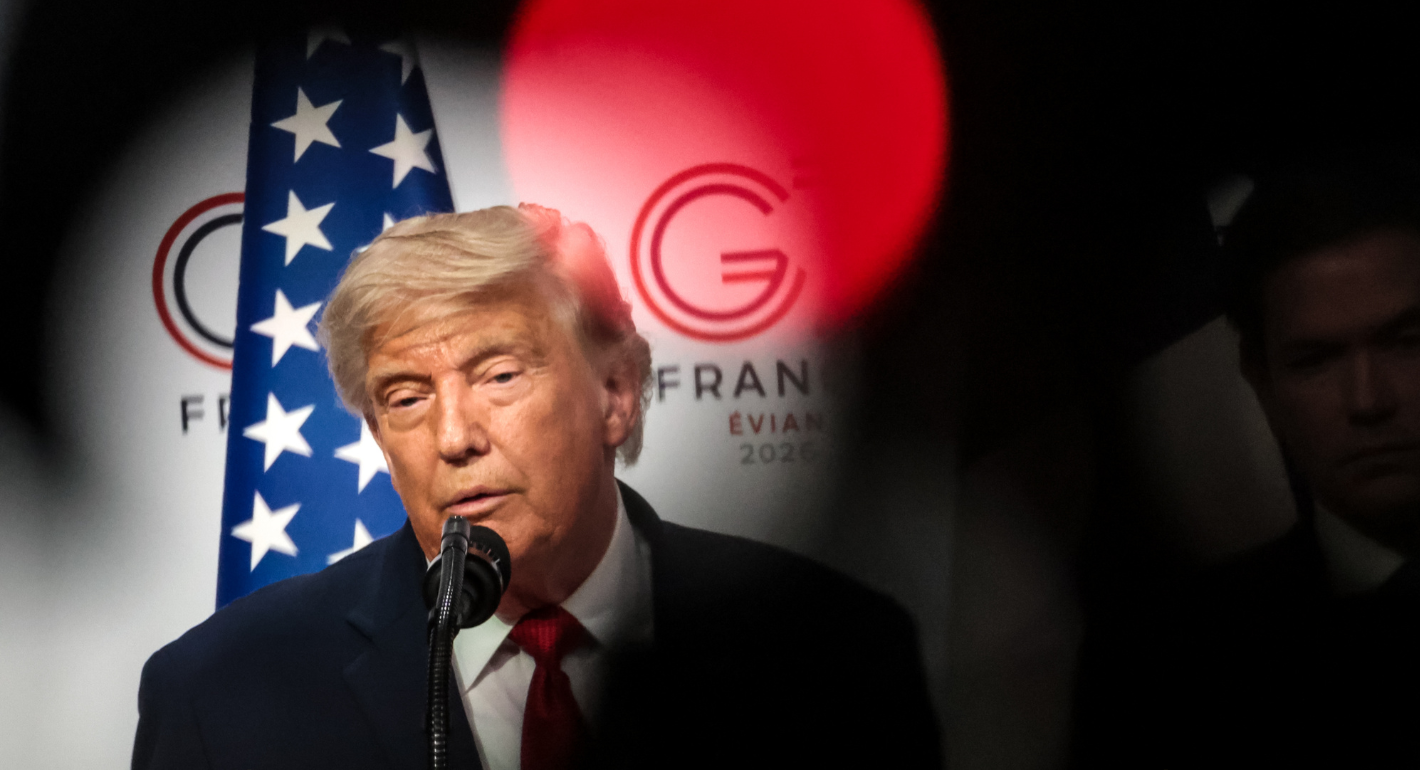
There is an elephant in the room when it comes to the EU’s upcoming security strategy: Donald Trump. Unless European leaders acknowledge the depth of the transatlantic crisis, true autonomy will remain out of reach.

Stefan Lehne
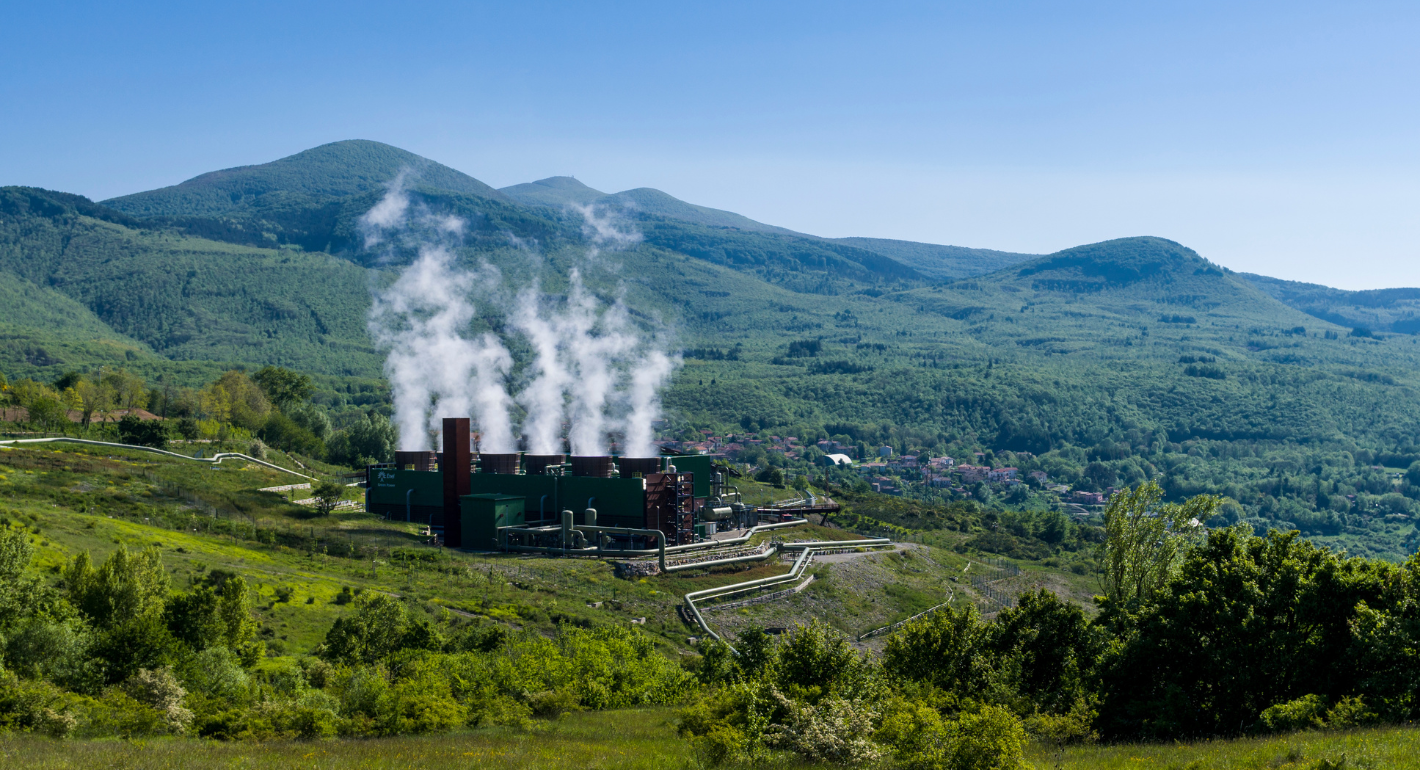
Europe’s industrial supply chains leave it vulnerable to global shocks. The EU needs a pragmatic green industrial strategy that balances durable partnerships and bolsters homegrown clean tech without sacrificing low-carbon ambition.


Milo McBride, Pauline Gerard
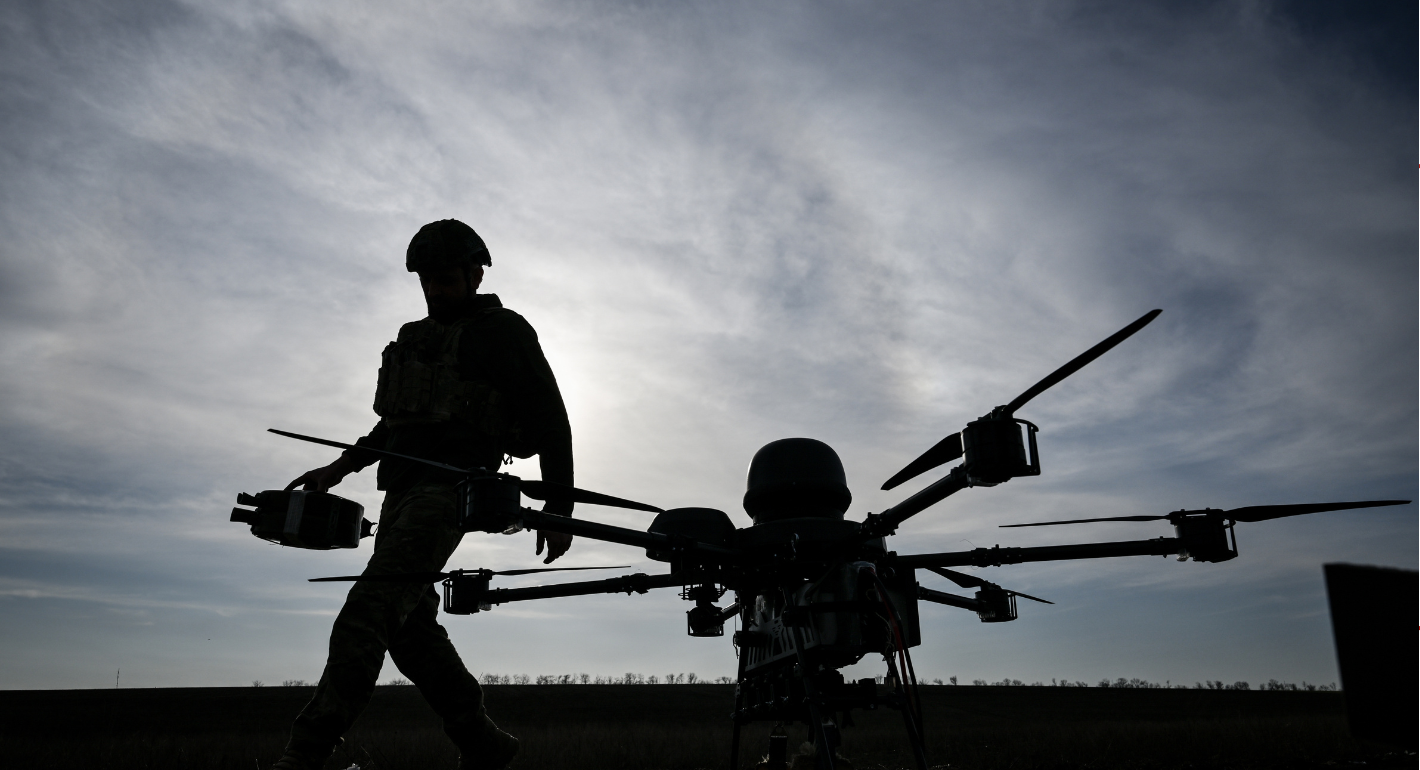
Defense tech innovations will be at the heart of Europe’s new security strategy. But so far, Brussels has been making moves without a broader plan, undermining readiness and credibility.

Raluca Csernatoni
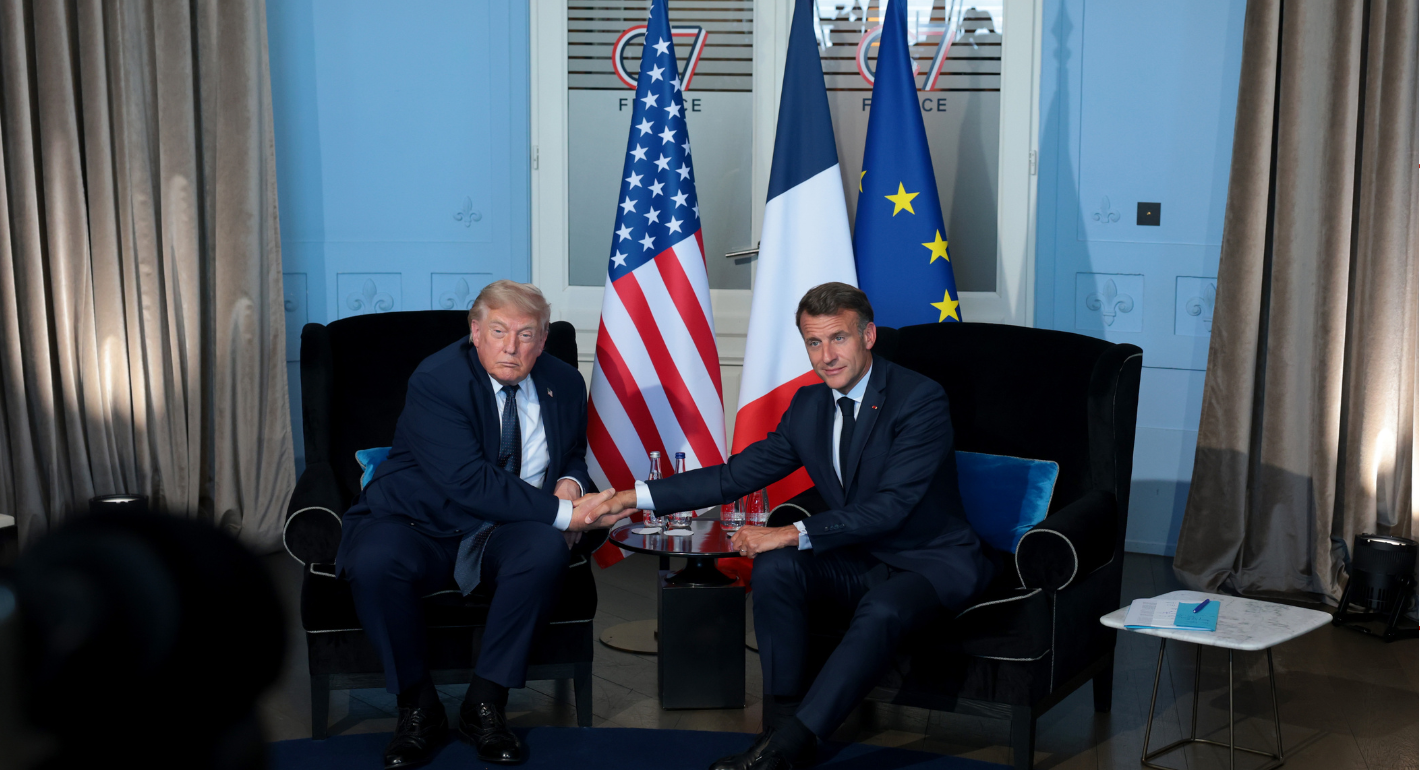
When the U.S.-Iran memorandum of understanding was announced, the UK, France, Germany, and Italy declared their readiness to help demine the Strait of Hormuz and lift nuclear sanctions on Tehran. But does Europe need new tools to recover a diplomatic role?

Rym Momtaz, ed.
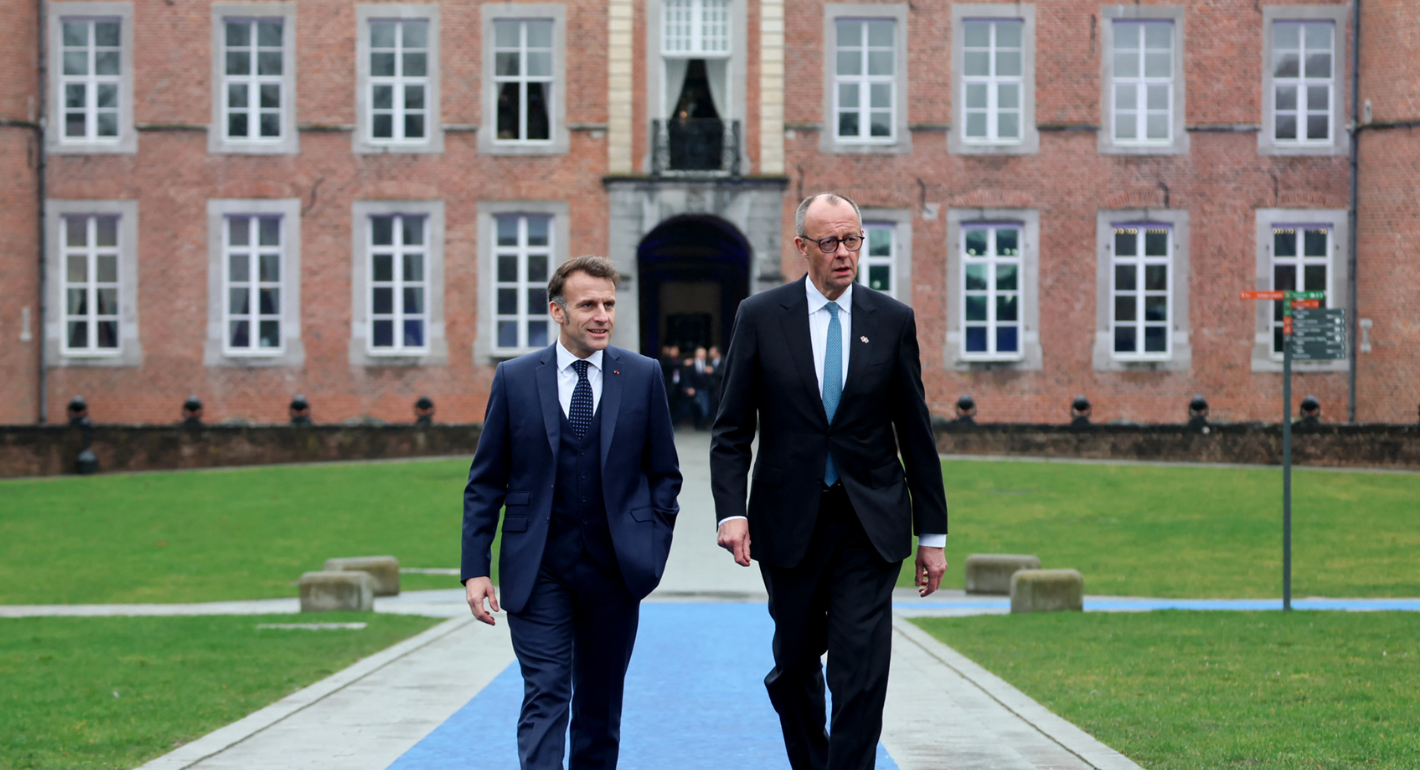
The Franco-German relationship is on the rocks again. But unlike previous moments of tension, the epochal changes on the world stage require that both step up investment in their bilateral ties.
Rym Momtaz