

Commentary
The Franco-German relationship is on the rocks again. But unlike previous moments of tension, the epochal changes on the world stage require that both step up investment in their bilateral ties.
Rym Momtaz
{
  "authors": [
    "Dalia Ghanem",
    "Dina Arakji"
  ],
  "type": "other",
  "centerAffiliationAll": "dc",
  "centers": [
    "Carnegie Endowment for International Peace",
    "Malcolm H. Kerr Carnegie Middle East Center"
  ],
  "collections": [
    "Civil-Military Relations in Arab States"
  ],
  "englishNewsletterAll": "menaTransitions",
  "nonEnglishNewsletterAll": "",
  "primaryCenter": "Malcolm H. Kerr Carnegie Middle East Center",
  "programAffiliation": "MEP",
  "programs": [
    "Middle East"
  ],
  "projects": [],
  "regions": [
    "Middle East",
    "North Africa"
  ],
  "topics": [
    "Political Reform",
    "Security"
  ]
}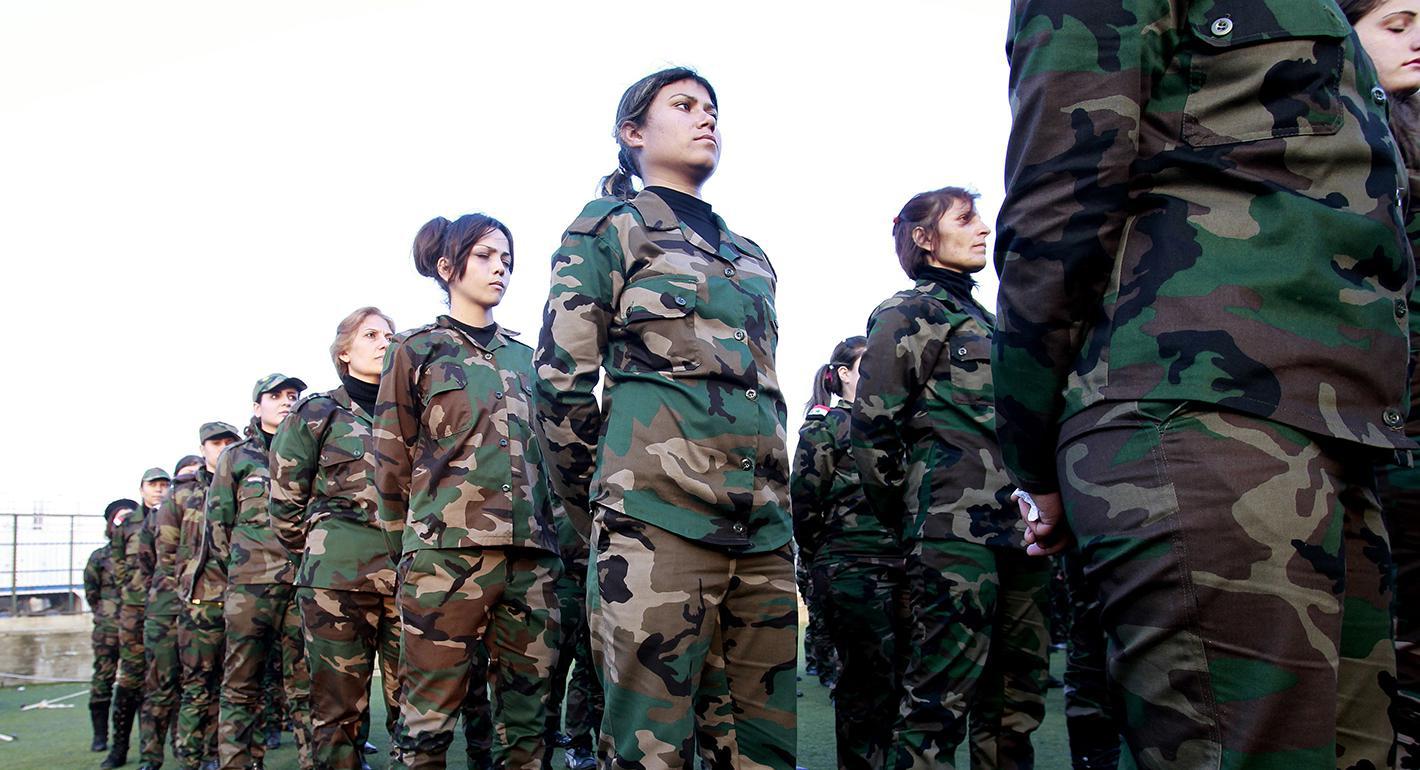
Source: Getty
The integration of women in Arab armies has been inconsistent, slow, and socially and politically problematic. Nevertheless, this situation is gradually changing.
Source: Lebanese American University
For the last thirty years, women’s enrollment in Western armies has been intensely debated. The advocates of women’s integration in the military assert the equal right of women to serve alongside men, including in combat roles. Opponents argue that their very presence, as well as their alleged physical inferiority, undermines the esprit de corps and combat performance of what has historically been a male institution. In the midst of this debate, the number of women wearing the uniform of North Atlantic Treaty Organization (NATO) countries increased from 30,000 in 1961 to 288,000 in 2001. In 2018, women constituted 40 percent of NATO’s international staff, with 25 percent holding senior positions. As for the International Military Staff, women made up 16.8 percent of personnel.
By comparison, the integration of women in Arab armies has been inconsistent, slow, and socially and politically problematic. Nevertheless, this situation is gradually changing, and even a country with significant patriarchal norms and strict gender segregation, such as Saudi Arabia, has allowed for the recruitment of women in the military as border guards. The debate about how and where women should train and serve and to what extent they should be integrated persists. Nevertheless, efforts toward having more genderinclusive Middle East and North Africa (MENA) armies have to be acknowledged.
The integration of women in Arab armies has taken place at different levels and in various ways. As a result, it is difficult to draw up a precise and clear mapping among MENA countries. This study will give particular attention to the countries with longer histories of women in service, often dating back to wars of independence in the 1950s and 1960s. Furthermore, the country selection was limited to those for which information is available. Thus, this list is not exhaustive. The long-term goal of our team is to expand the primer to cover all MENA countries.
Former Senior Resident Scholar, Malcolm H. Kerr Carnegie Middle East Center
Dalia Ghanem was a senior resident scholar at the Malcolm H. Kerr Carnegie Middle East Center in Beirut, where her research focuses on Algeria’s political, economic, social, and security developments. Her research also examines political violence, radicalization, civil-military relationships, transborder dynamics, and gender.
Dina Arakji
Carnegie does not take institutional positions on public policy issues; the views represented herein are those of the author(s) and do not necessarily reflect the views of Carnegie, its staff, or its trustees.
The Franco-German relationship is on the rocks again. But unlike previous moments of tension, the epochal changes on the world stage require that both step up investment in their bilateral ties.

Rym Momtaz
The EU is putting together a new security strategy to meet today’s myriad challenges. But for any proposal to be effective, the union needs to grapple with its identity and ambitions.

Pierre Vimont

The EU’s new migration policy is not suited to today’s realities. With climate change increasingly becoming a driver of displacement, Europe needs to rethink its deterrence-focused approach.

Shana Tabak
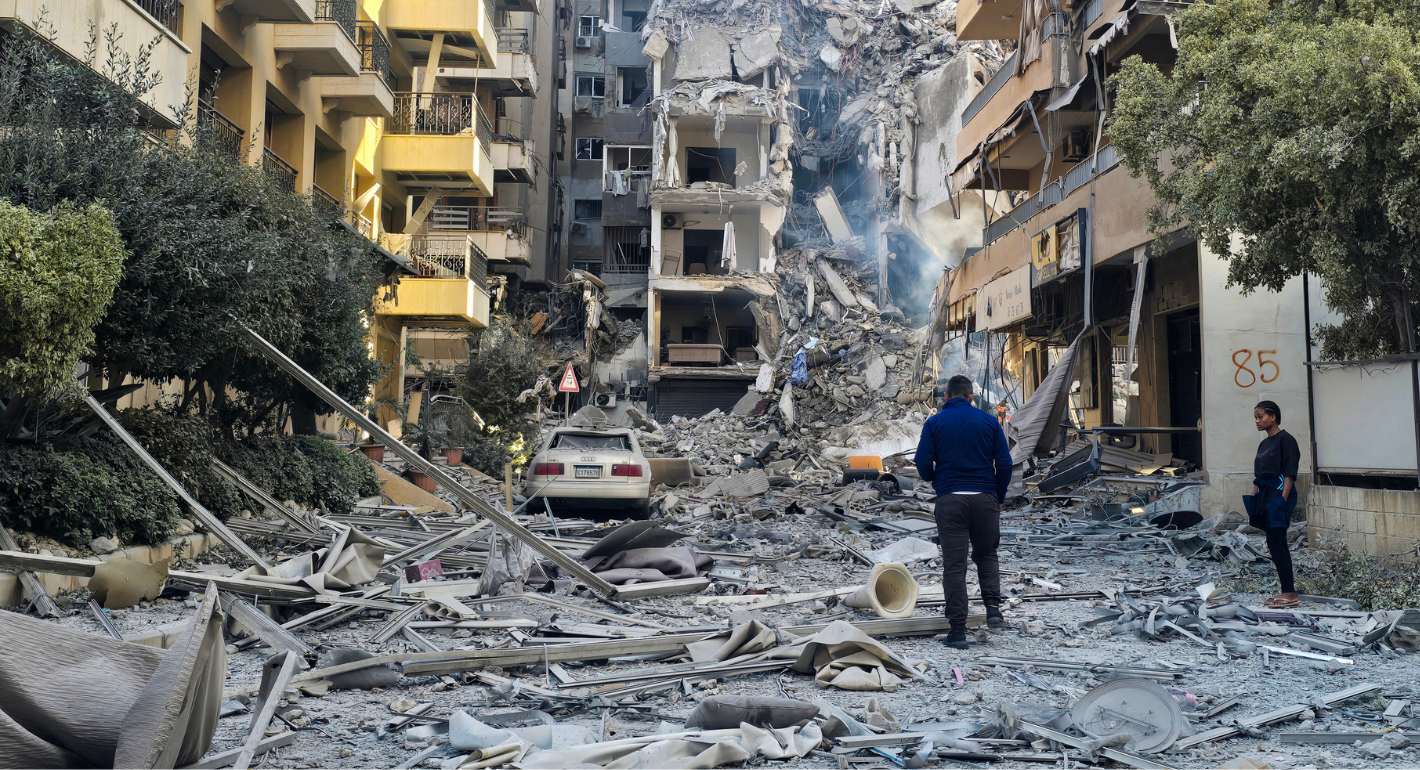
Europe seems to have accepted its sidelining in the Middle East. The EU must reassert its support for the international rules-based order and step up engagement.
Rym Momtaz
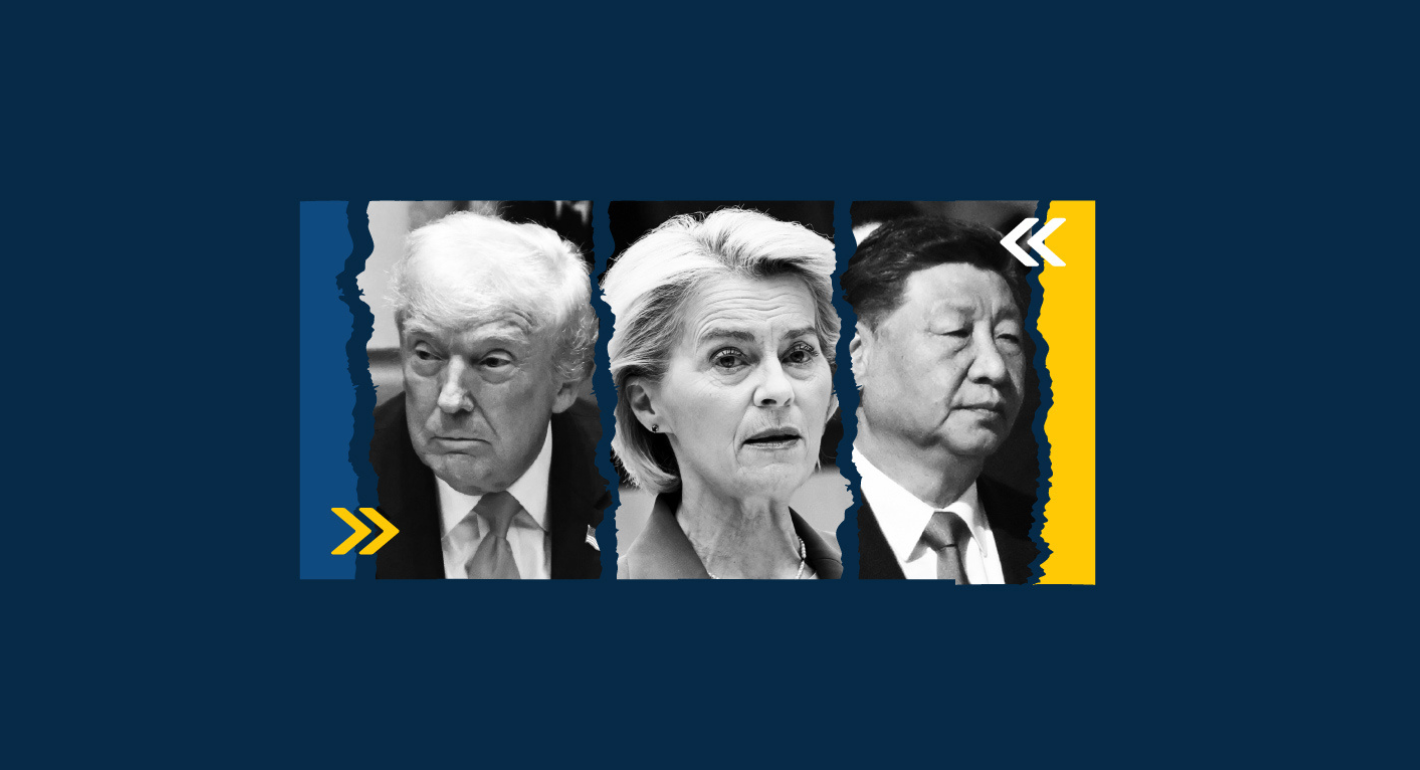
Between the United States’ market-driven approach and China's state-led industrial strategy, Europe is reckoning with how it can remain competitive in the global economy. But is Europe in danger of becoming a U.S. or China colony?

Noah Barkin, Anu Bradford