

Report
- +4
Ms. Sandra Polaski, Joaquim Bento de Souza Ferreir, Janine Berg, …

REQUIRED IMAGE
A unique and successful international policy experiment has been under way in Cambodia for the last six years that demonstrates how trade agreements can create jobs and improve working conditions, pay, and labor rights. Sandra Polaski examines the lessons from Cambodia's experiment and the opportunities for replication in other countries.
Summary
A unique and successful international policy experiment has been under way in Cambodia for the last six years that demonstrates how trade agreements can create jobs and improve working conditions, pay, and labor rights. In the country’s export apparel factories, conditions are monitored by inspectors from the International Labor Organization (ILO), an international public organization. This paper begins with a brief description of the Cambodia project and its economic and historical context. It discusses the novel elements involved in the experiment and describes the key public interventions. It analyzes their impact on the private sector, tracing the changes in incentives faced by firms and resulting changes in corporate behavior. It then looks at practical outcomes in Cambodian factories. A discussion of the costs and benefits of the project follows, including an assessment of its cost-fficiency and the distribution of burdens and benefits. A final section addresses the issue of replicability and improvements that might be made in future applications of these new policy tools.
Click on link above for for full text of this Carnegie Paper.
Para un resumen en español presione aquí.
About the Author
Sandra Polaski directs the Trade, Equity and Development Project at the Carnegie Endowment for International Peace. She served as the U.S. Secretary of State’s special representative for international labor affairs from 1999–2002, playing a leading role in the development of U.S. government policy on international labor issues. Polaski’s research has included the impact of NAFTA on employment, wages and household incomes, published in the report NAFTA’s Promise and Reality: Lessons from Mexico for the Hemisphere (Carnegie Endowment, 2003). She has also written extensively on trade, development and labor policy in essays including Trade and Labor Standards: A Strategy for Developing Countries (Carnegie Endowment, 2003) and How to Build a Better Trade Pact with Central America (Carnegie Endowment, July 2003).
A limited number of print copies are available.
Request a copy

Former Senior Associate, Director, Trade, Equity and Development Program
Until April 2002, Polaski served as the U.S. Secretary of State’s Special Representative for International Labor Affairs, the senior State Department official dealing with such matters.
Recent Work
Ms. Sandra Polaski, Joaquim Bento de Souza Ferreir, Janine Berg, …
Ms. Sandra Polaski
Carnegie does not take institutional positions on public policy issues; the views represented herein are those of the author(s) and do not necessarily reflect the views of Carnegie, its staff, or its trustees.

The EU is putting together a new security strategy to meet today’s myriad challenges. But for any proposal to be effective, the union needs to grapple with its identity and ambitions.

Pierre Vimont
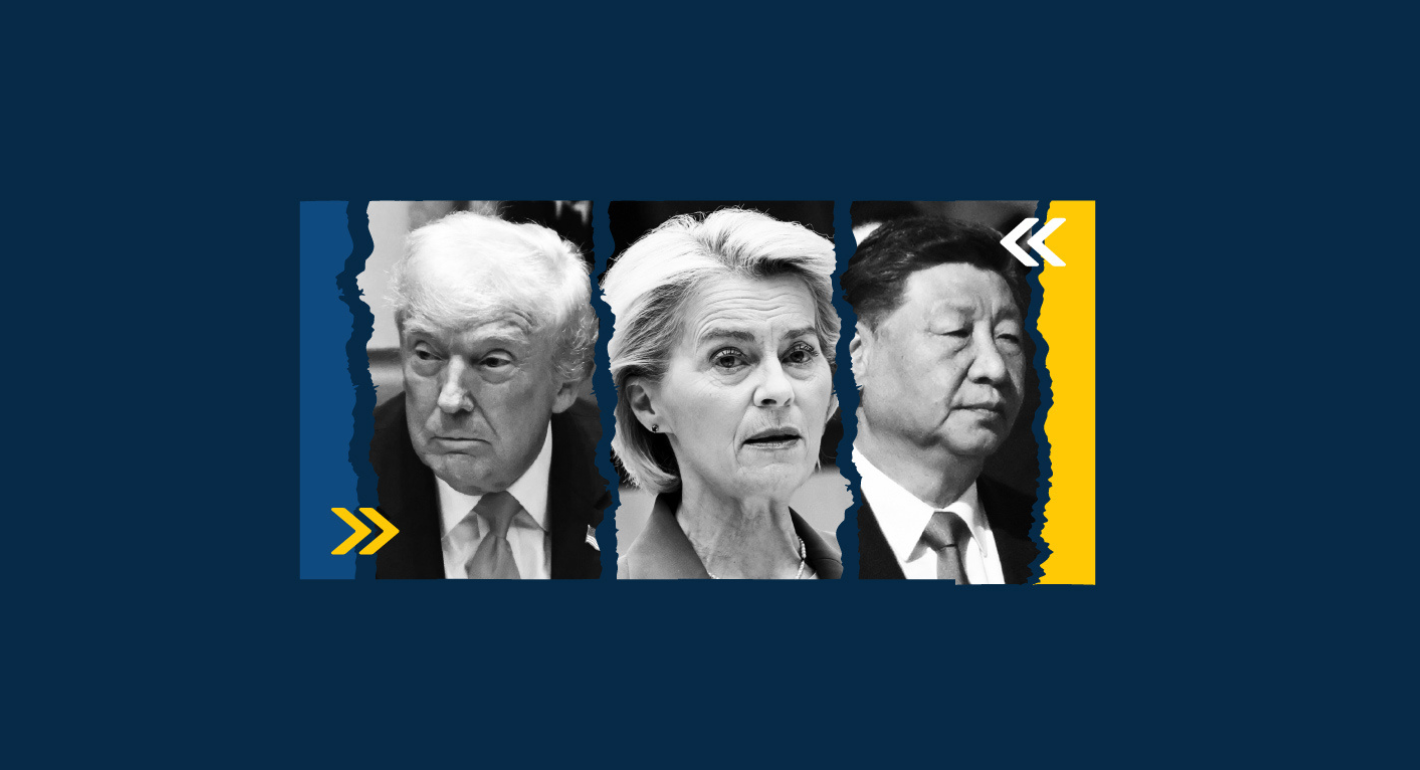
Between the United States’ market-driven approach and China's state-led industrial strategy, Europe is reckoning with how it can remain competitive in the global economy. But is Europe in danger of becoming a U.S. or China colony?


Noah Barkin, Anu Bradford

Preparing candidate countries for EU membership is no longer enough. As the enlargement process becomes a reality, the union must also prepare its own societies.

Iliriana Gjoni
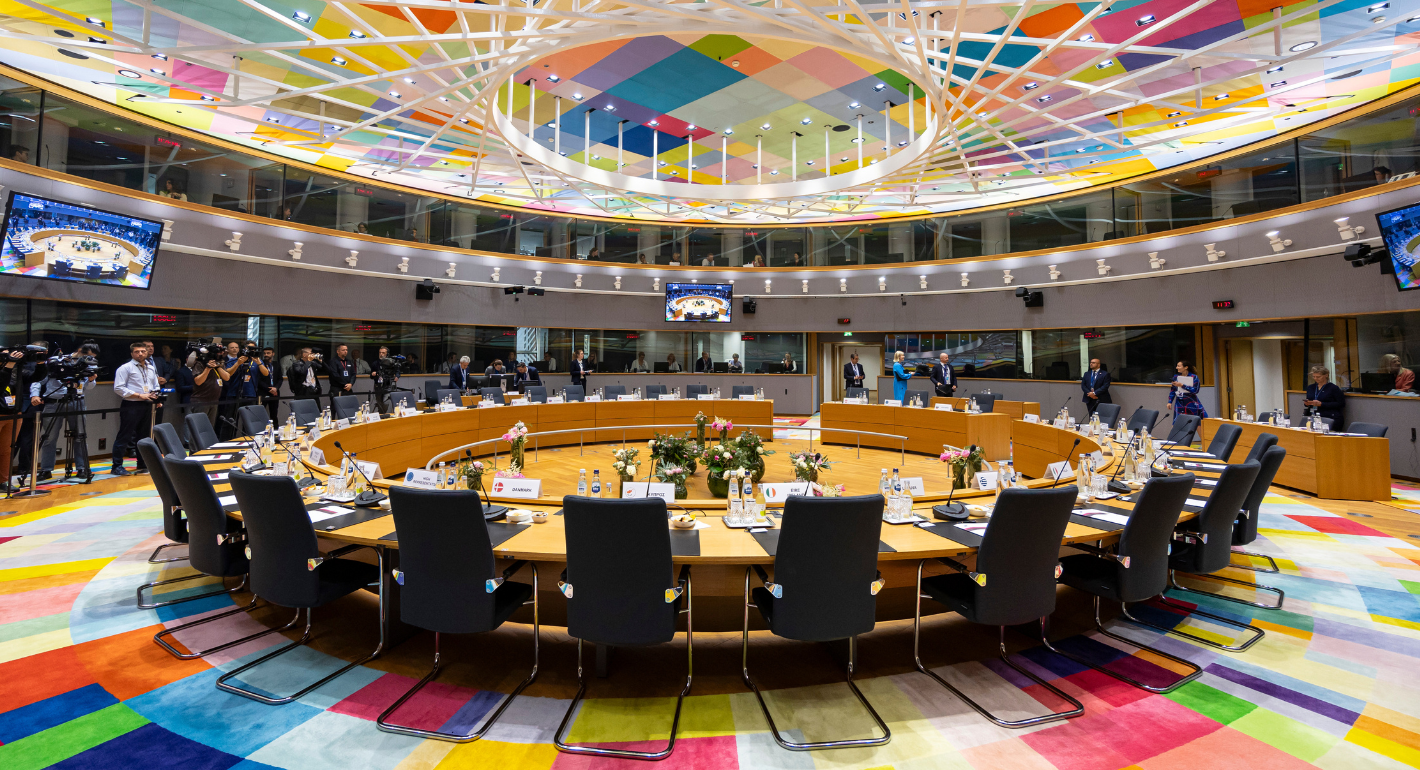
Countries face several hurdles in joining the EU, including the final stage of ratifying their accession treaties. Procedural reforms and substantive adjustments could help move the process forward.

Stefan Lehne
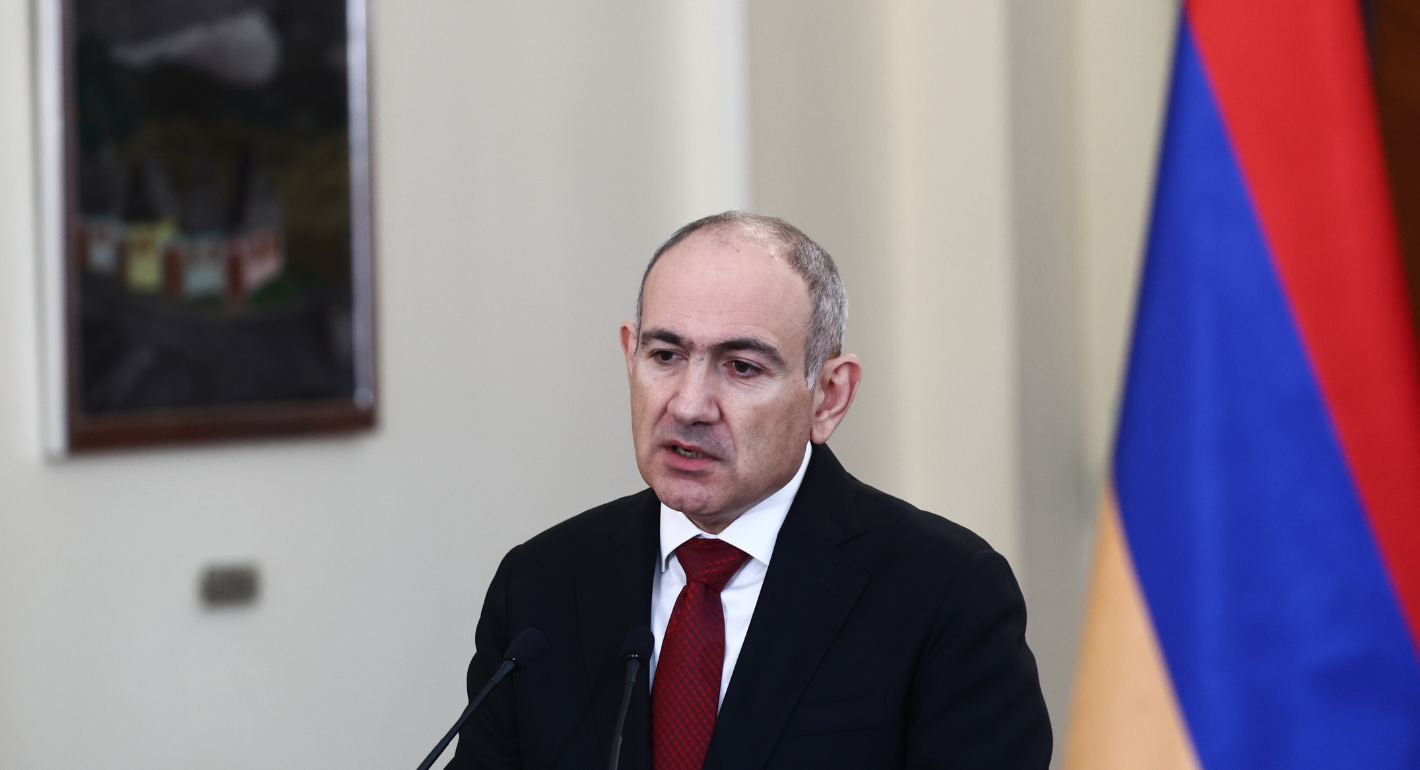
Europe has an interest in supporting Armenian leader Nikol Pashinyan as he tries to make peace with neighbors and loosen ties with Russia. But it is depersonalized support in the long term, not quickfire flash, that will win the day.

Thomas de Waal