
• Research
  • Strategic Europe
  • About
  • Experts
Carnegie Europe logoCarnegie lettermark logo
EUUkraine
  • Donate
Hizbollah Attempts a Coup d’État

Source: Getty

Article
Malcolm H. Kerr Carnegie Middle East Center

Hizbollah Attempts a Coup d’État

Lebanon’s prolonged political crisis erupted in violence last week following the dismissal by the Lebanese government of an official close to Hizbollah and the launch an investigation into the organization’s telecommunications network. Contrary to a similar escalation in December 2006, Iran has not interceded to halt the violence.

Link Copied
By Paul Salem
Published on May 13, 2008

Additional Links

Full Text (PDF)

Lebanon’s prolonged political crisis erupted in violence last week following the dismissal by the Lebanese government of an official close to Hizbollah and the launch an investigation into the organization’s telecommunications network. Paul Salem, director of the Carnegie Middle East Center in Beirut, outlines the key actors of Lebanon’s worst violence since the end of its civil war in 1990 and their aims.

Key Conclusions:

  • Hizbollah’s immediate goals are to force the government to rescind its controversial decisions and establish a unity government with increased authority for Hizbollah. Over the long-term, they could demand on a larger share of power for Lebanon’s Shi’a.
  • Hizbollah is not eager to elect a new president immediately. They hope to stall until after new parliamentary elections (which must be held before June 2009) in the hopes of having more say in the choice of candidate.
  • The army is under intense criticism for failing to stop the violence but argues it must remain neutral or risk splitting along sectarian lines.
  • Contrary to a similar escalation in December 2006, Iran has not interceded to halt the violence. This could be the result of the latest round of Security Council resolutions and increased hostile rhetoric by the United States. It could also reflect Iranian concerns about the possibility of a Syrian–Israeli agreement.

“The situation in Lebanon remains extremely tense. An Arab League ministerial delegation is to arrive to help negotiate an end to the crisis. The next days will indicate whether the opposition will escalate and widen its military assaults, or whether Lebanon is entering a lull in which discussions and political bargaining will come to the fore,” concludes Salem.
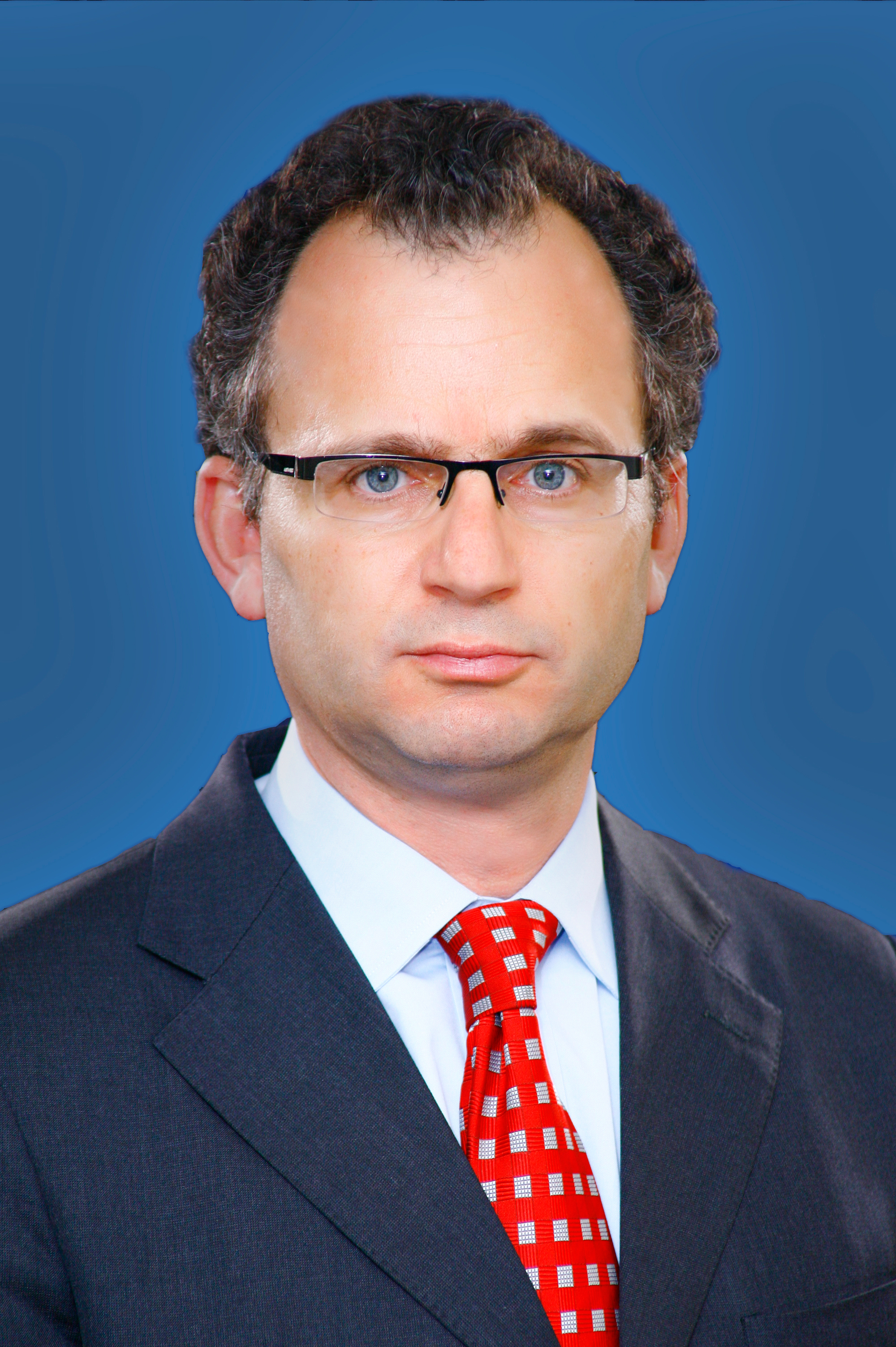
About the Author

Paul Salem

Senior Fellow at the Middle East Institute

Paul Salem is a senior fellow at the Middle East Institute.

    Recent Work

  • Paper
    Iraq’s Tangled Foreign Interests and Relations

      Paul Salem

  • Article
    Bracing for Impact in Syria

      Paul Salem

Paul Salem
Senior Fellow at the Middle East Institute
Paul Salem
Middle EastIranLebanonSyriaPolitical ReformDemocracySecurity

Carnegie does not take institutional positions on public policy issues; the views represented herein are those of the author(s) and do not necessarily reflect the views of Carnegie, its staff, or its trustees.

More Work from Carnegie Europe

  • Commentary
    Strategic Europe
    Russia’s Imperial Retreat Is Europe’s Strategic Opportunity

    The war in Ukraine is costing Russia its leverage overseas. Across the South Caucasus and Middle East, this presents an opportunity for Europe to pick up the pieces and claim its own sphere of influence.

      William Dixon, Maksym Beznosiuk

  • Commentary
    Is the Radical-Right Threat Existential or Overstated?

    Amid increased polarization and the influence of disinformation, radical-right parties are once again gaining traction across Europe. With landmark elections on the horizon in several countries, are the EU’s geostrategic vision and fundamental values under existential threat?

      Catherine Fieschi, Cas Mudde

  • Research
    Planetary vs International Security: Economic Growth at the Crossroads

    Economic growth is at the heart of a dilemma between planetary and international security.

      Olivia Lazard

  • Commentary
    Strategic Europe
    Europe and the Arab Gulf Must Come Together

    The war in Iran proves the United States is now a destabilizing actor for Europe and the Arab Gulf. From protect their economies and energy supplies to safeguarding their territorial integrity, both regions have much to gain from forming a new kind of partnership together.

      • Rym Momtaz

      Rym Momtaz

  • Commentary
    Strategic Europe
    Taking the Pulse: Is France’s New Nuclear Doctrine Ambitious Enough?

    French President Emmanuel Macron has unveiled his country’s new nuclear doctrine. Are the changes he has made enough to reassure France’s European partners in the current geopolitical context?

      • Rym Momtaz

      Rym Momtaz, ed.

Get more news and analysis from
Carnegie Europe
Carnegie Europe logo, white
Rue du Congrès, 151000 Brussels, Belgium
  • Research
  • Strategic Europe
  • About
  • Experts
  • Projects
  • Events
  • Contact
  • Careers
  • Privacy
  • For Media
  • Gender Equality Plan
Get more news and analysis from
Carnegie Europe
© 2026 Carnegie Endowment for International Peace. All rights reserved.








