

Paper
Douglas H. Paal
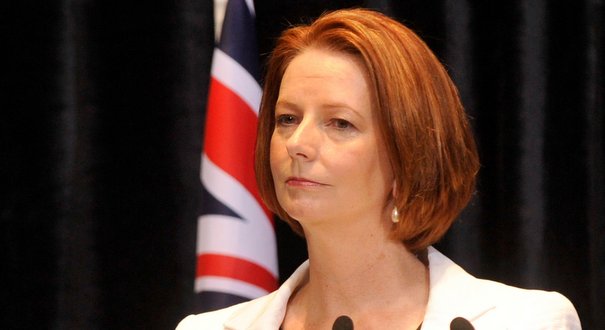
Source: Getty
Australia's upcoming election may be part of a global phenomenon of shorter public attention spans, impatient voters, and anti-incumbency and could potentially be a harbinger of the looming U.S. elections.
Australians go to the polls on August 21. Just two weeks ago it looked like it would be an easy victory for the governing Labour Party, but now it looks like an opportunity for the Liberal-National Coalition to return to office after a short three-year hiatus. Polls from the last weekend in July showed the Coalition ahead by 52 to 48 percent.
This electoral predicament was unnecessary. Under Australian law, the Labour Party needed to hold a vote by February 2011, and the custom is to schedule elections in October or November, before voters start their vacations. But Labour Prime Minister Julia Gillard moved the date up. Obviously, she would not have called this election if she had foreseen the Coalition gaining ground so quickly. Having ousted her former boss in June, she assumed that voters would give her a honeymoon after assuming office and aimed to hold the vote during that grace period.
Gillard replaced Kevin Rudd who was prime minister from 2007 until June of this year. Rudd came into office in surprising circumstances, having defeated John Howard, who had presided as Coalition prime minister for ten prosperous years. While Australians do not have a history of tossing out serving governments during good economic times, Rudd was a fresh and articulate politician with forward looking ideas. This contrasted sharply with the dour Howard. Rudd campaigned heavily on combating climate change, an issue on the mind of every Australian who suffered under years of drought and disaster.
Once elected, Rudd tried three times to get his carbon pollution reduction legislation through the Australian Senate, but failed. With the third defeat, he announced he would drop the legislation. Then he announced an ill-considered mining tax, the resource super profits tax, on commodities including coal, iron ore, and bauxite that contribute to climate change. But the legislation evoked intense opposition from most industries for failing to prescribe depreciation rules that would distribute the tax fairly.
By dropping his climate change emission legislation, Rudd invalidated the core reason voters had supported him in the first place.
Underlying all of this was the fact that Rudd’s wonky, go-it-alone style had alienated the key elements of the Labour party and his Cabinet members. And his approval rating quickly plummeted, going from 67 percent approval in late 2009, to 50 percent in April 2010, to 39 percent just two weeks later. When he got in trouble, no one supported him.
Labour’s largely anonymous but politically important party leaders looked at the polls and panicked. Envisioning a loss in the autumn elections, they approached Gillard to challenge Rudd, who quickly resigned in her favor.
Gillard then miscalculated that an early rebound in the polls would allow her to easily win an election. She kept most of her Cabinet in place and scaled back on issues that hurt Rudd. She dropped the mining tax, substituting a package of minor measures including a commission to seek consensus on the topic. She remained firm on Afghanistan and Israel, and pressed health and education issues. She took a weak stand against illegal immigration.
At the onset of the campaign, Gillard initially refused to debate with the upstart Tony Abbott, her challenger from the Liberal-National Coalition. By contrast, Abbott went on a full scale attack, challenging Labour’s economic philosophy. He campaigned on plans to increase paid maternity leave, and proposed an end to illegal immigration. But he refused to commit to returning to the labor market reforms of the previous Howard government—an appeal to swing voters.
Gillard has now shifted gears, offering to debate Abbott and coming out swinging on the campaign trail. But Gillard still faces an uphill battle in the election that she confidently called last month.
For American, the stakes in Australia’s August election are not very high—foreign policy is not a major part of the debate. But the election may be part of a global phenomenon of shorter public attention spans, impatient voters, and anti-incumbency fed by hyper present media coverage. The election could be a harbinger of the looming U.S. elections, and therefore of interest to incumbents and their challengers.
Distinguished Fellow, Asia Program
Paal previously served as vice chairman of JPMorgan Chase International and as unofficial U.S. representative to Taiwan as director of the American Institute in Taiwan.
Recent Work
Douglas H. Paal


Douglas H. Paal, Tong Zhao, Chen Qi, …
Carnegie does not take institutional positions on public policy issues; the views represented herein are those of the author(s) and do not necessarily reflect the views of Carnegie, its staff, or its trustees.
Montenegro and Albania are frontrunners for EU enlargement in the Western Balkans, but they can’t just sit back and wait. To meet their 2030 accession ambitions, they must make a strong positive case.


Dimitar Bechev, Iliriana Gjoni
European reactions to the war in Iran have lost sight of wider political dynamics. The EU must position itself for the next phase of the crisis without giving up on its principles.

Richard Youngs
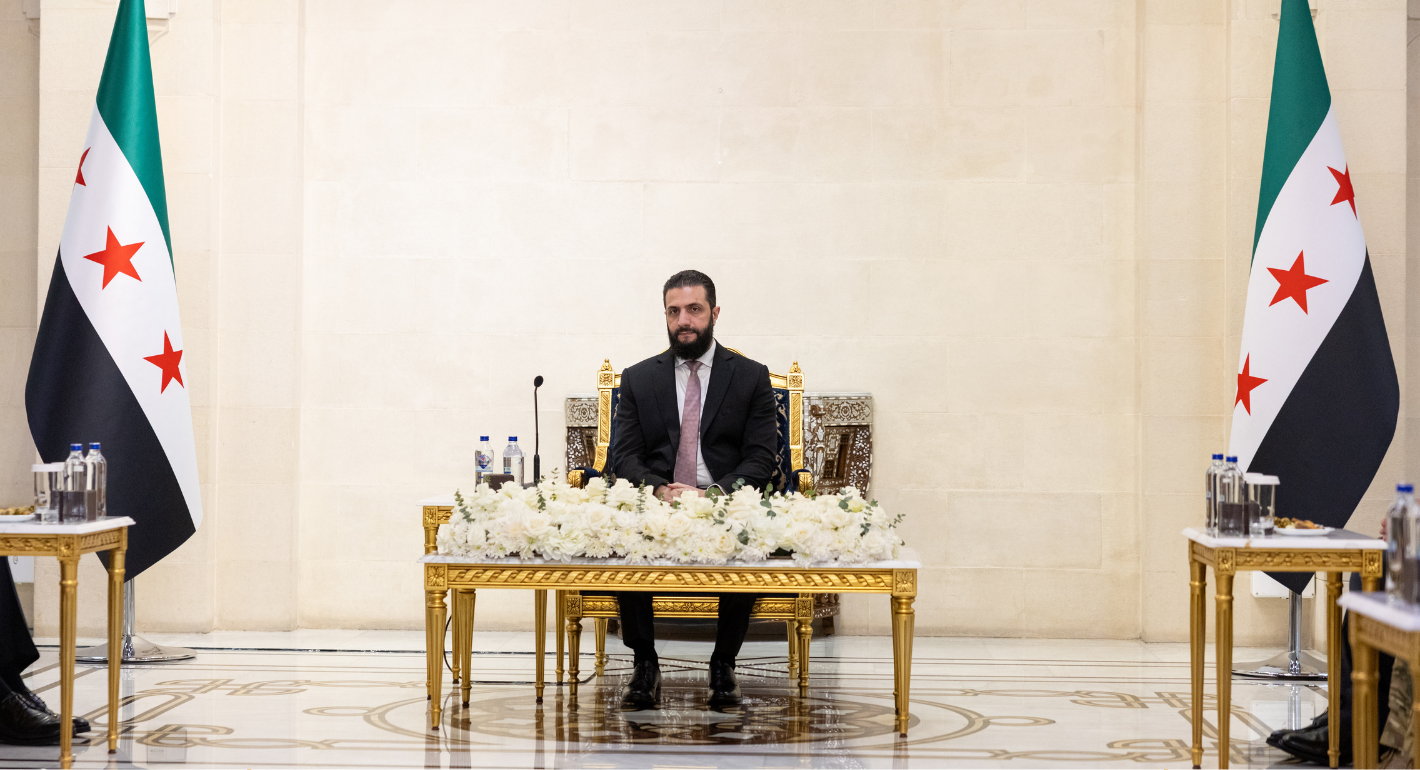
Europe’s interests in Syria extend beyond migration management, yet the EU trails behind other players in the country’s post-Assad reconstruction. To boost its influence in Damascus, the union must upgrade its commitment to ensuring regional stability.


Bianka Speidl, Hanga Horváth-Sántha
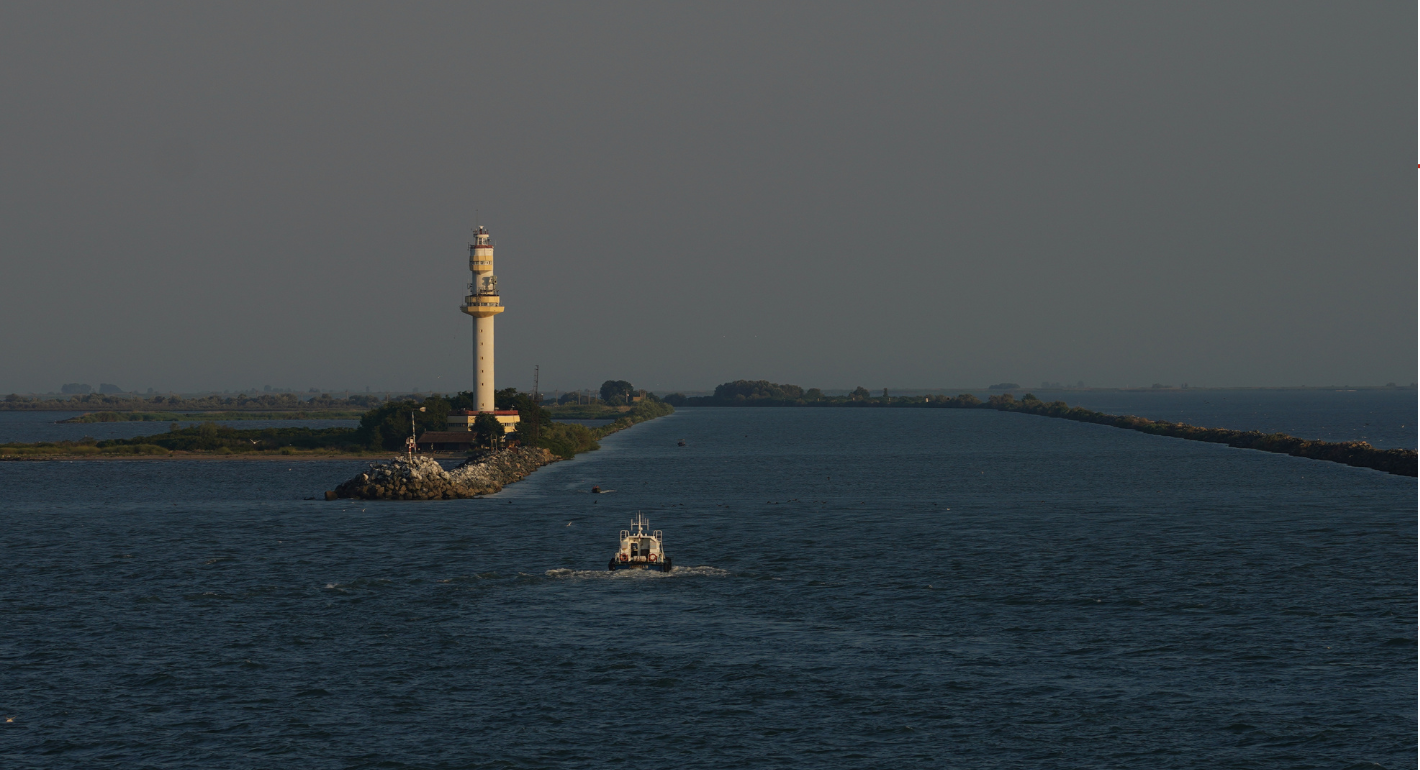
A prophetic Romanian novel about a town at the mouth of the Danube carries a warning: Europe decays when it stops looking outward. In a world of increasing insularity, the EU should heed its warning.

Thomas de Waal
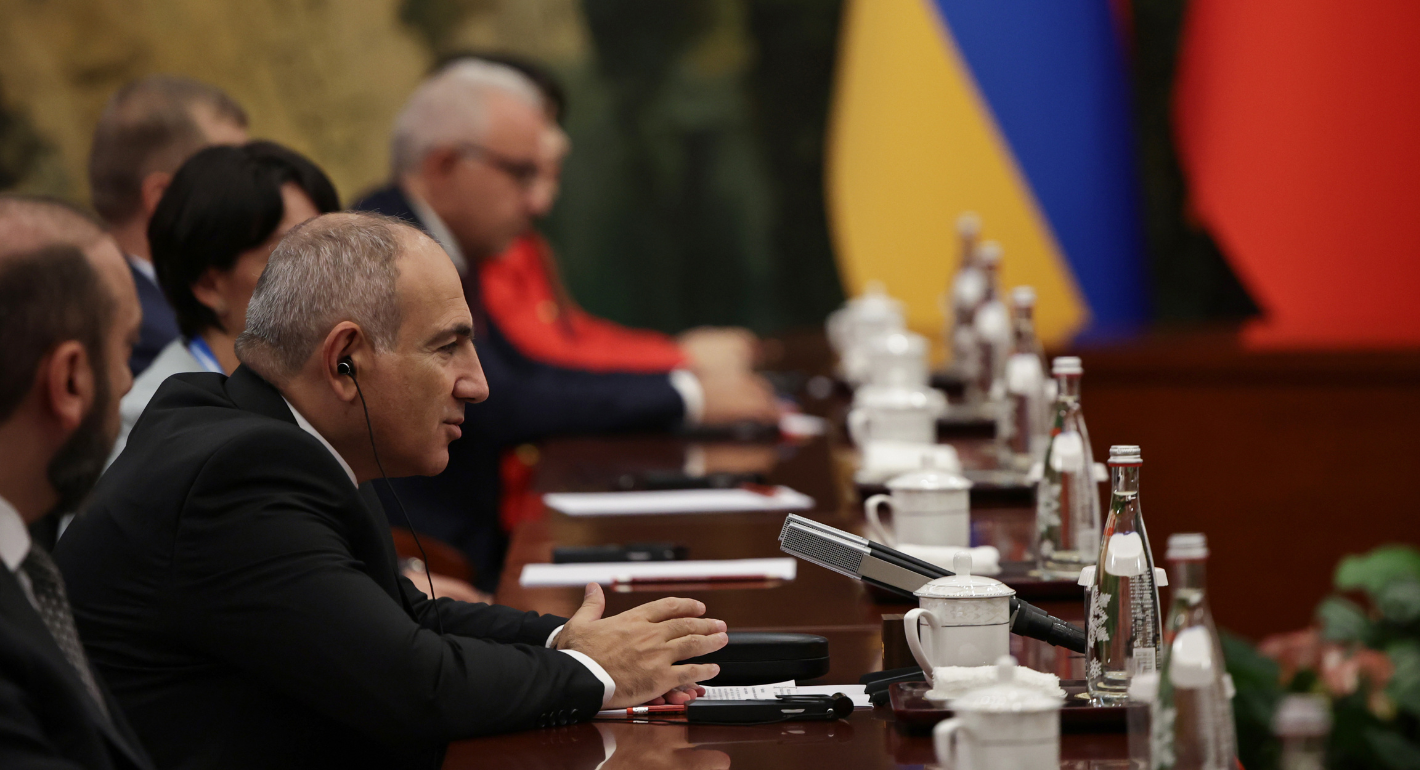
As the 2026 Armenian election approaches, Prime Minister Nikol Pashinyan is facing fierce opposition from both Russia and the diaspora. He will need the help of Europe, the United States, and regional neighbours to advance his ambitious foreign policy.
Thomas de Waal