

Commentary
As we close out another season of Strategic Europe, it is worth taking stock of the deep shifts underway.
Rym Momtaz
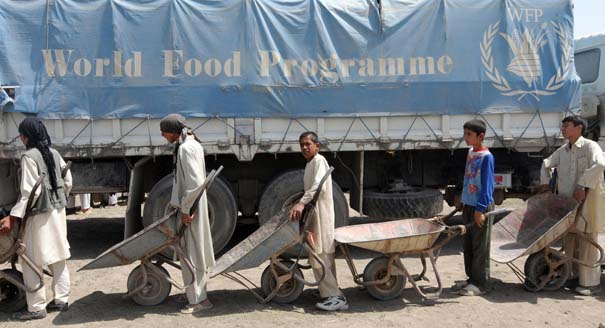
Source: Getty
International aid donors have learned important lessons about how to provide effective governance assistance to developing countries, but turning these insights into practice remains a major challenge.
Since emerging as a new donor enthusiasm in the 1990s, governance support has become a major area of aid to developing countries. The idea that remedying debilitating patterns of inefficient, corrupt, and unaccountable governance will unlock developmental progress appeals not just to aid providers but also to ordinary people throughout the developing world who are angry at unresponsive and poorly functioning states. Yet despite the natural appeal of improving governance, it has proved challenging in practice. Many initial assumptions about the task have run aground on the shoals of countervailing realities. As a result, aid practitioners have begun accumulating important insights about how to improve governance aid:
These eight insights represent the framework of an emergent but still tentative second generation of governance support. Often embraced in principle, they are still far from being widely implemented in practice.
Even as governance assistance progresses, it struggles with several continuing uncertainties. The empirical case that improved governance is necessary for development progress is less straightforward than many aid practitioners would wish. The increasing pressure faced by most aid organizations for rapid, clearly measurable results sometimes works against sophisticated governance assistance. Larger international aid trends, especially the rise of new donors with other priorities, threaten to weaken the governance agenda.
Fully operationalizing these insights and overcoming the uncertainties will be hard. But the central promise of governance assistance—finally getting to the heart of the development challenge—is great enough to justify the effort and to ensure that even partial success will be worthwhile.

Harvey V. Fineberg Chair for Democracy Studies; Director, Democracy, Conflict, and Governance Program
Thomas Carothers, director of the Carnegie Endowment for International Peace’s Democracy, Conflict, and Governance Program, is a leading expert on comparative democratization and international support for democracy.
Diane de Gramont
Former Nonresident Research Analyst, Democracy and Rule of Law Program
Diane de Gramont was a nonresident research analyst in Carnegie’s Democracy and Rule of Law Program.
Carnegie does not take institutional positions on public policy issues; the views represented herein are those of the author(s) and do not necessarily reflect the views of Carnegie, its staff, or its trustees.

As we close out another season of Strategic Europe, it is worth taking stock of the deep shifts underway.

Rym Momtaz

The hybrid warfare landscape is evolving rapidly, leaving policymakers without clear strategies. To better inform their work in addressing emerging challenges, governments must dig deeper into the underlying dynamics at play.


Raluca Csernatoni, Alicia Wanless
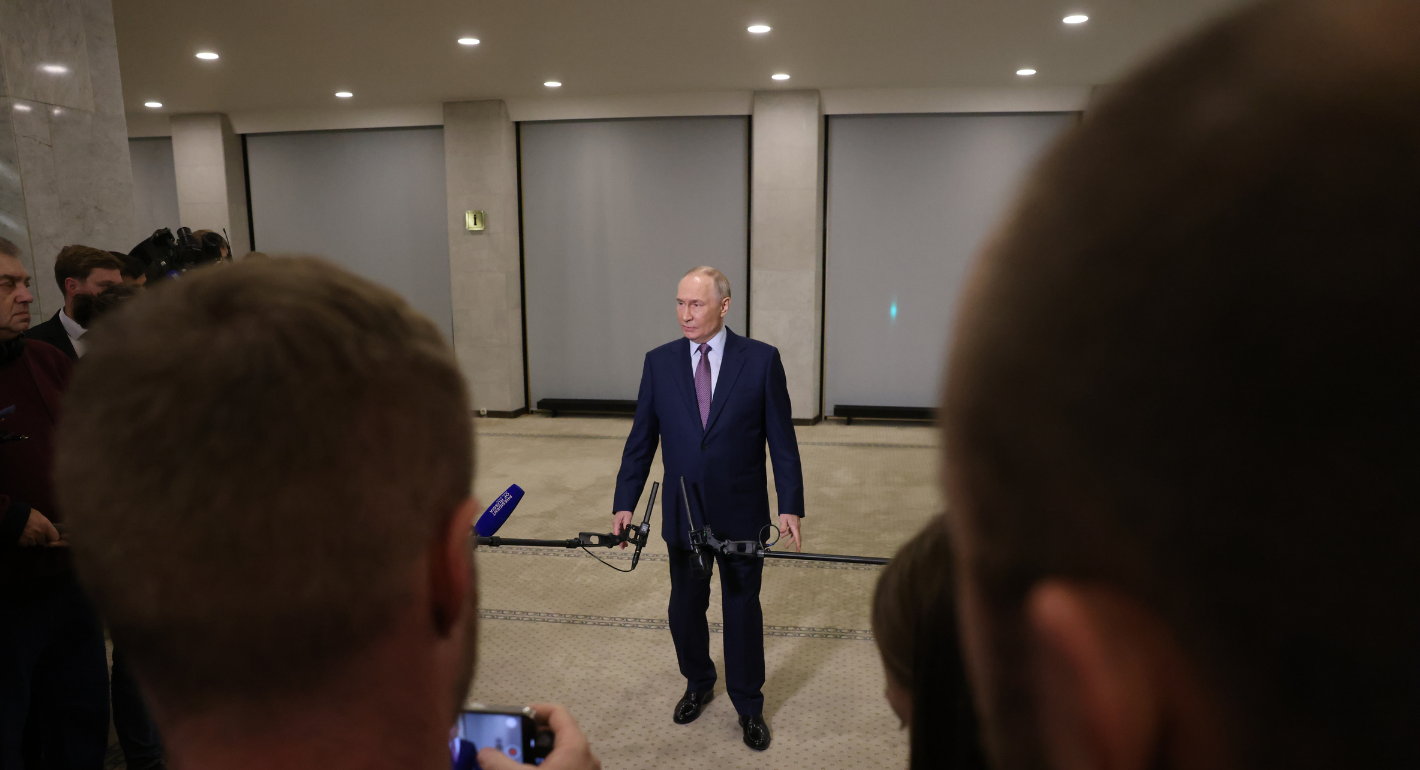
The EU had to compromise to adopt a twenty-first sanctions package against Russia, exposing growing cracks in the union’s resolve. Is this latest, weaker round worth it to keep pressure on Moscow?
Rym Momtaz, ed.

Trump is distracted and Ukraine wants Europe to step up. The continent’s leaders must find their voice and assert it in talks with Russia.

Alissa de Carbonnel

Mounting economic strain and battlefield losses will not necessarily make the Kremlin less dangerous. They could instead push Moscow toward a more aggressive hybrid campaign designed to test NATO’s Eastern flank, exploit allied hesitation, and fracture European resolve.

Maksym Beznosiuk