

Commentary
Dmitri Trenin
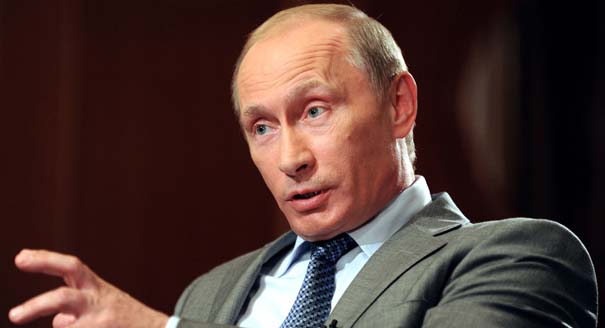
Source: Getty
The problem with Putin’s vision for modernizing Russia’s military is that it rests on the misplaced belief that the United States is still the country’s principal adversary.
Vladimir Putin has laid down his views on Russia’s national security policy. In an article in the Rossiyskaya Gazeta, he pledged to make Russia militarily strong, so as “not to tempt others” into thinking they might win control of its resources. But the problem with Putin’s vision is that the military modernization he has in mind still rests on the unreformed concept of the United States as Russia’s principal likely adversary.
There is no question that a country with Russia’s natural riches, given its complex geopolitical position, declining population, and lack of alliances with other major powers, needs to have modern defenses and a capability to protect its national interests. It is also true that, as Putin mentioned, Russia’s military was neglected for two decades—until the beginning of military reforms in 2008. There is no doubt that a Russia that is comfortable within its own borders and friendly with its neighbors, and that forms partnerships with the United States and Europe as well as China and India, is a major, even indispensable factor for global stability.
As Putin claims, nuclear deterrence indeed continues to be an important pillar of strategic stability in the world. And the current reality of precision-guided-weapons systems, the advent of ballistic missile defenses, and the prospect of weapons in space, not to mention cyber-threats of all types, makes maintaining that strategic stability a much more complex exercise.To confront these threats, Putin has promised to add, within the next ten years, 400 intercontinental and submarine-launched ballistic missiles, as well as eight ballistic missile submarines. And that is only part of the story. Large-scale military modernization demanding 23 trillion rubles—more than $750 billion over a decade—should also buy Russia 20 multipurpose subs, 50 surface ships, 100 military spacecraft, 600 aircraft, over 1,000 helicopters, 28 S-400 missile interceptors, and more.
Priorities include command, control, and communications systems, drones, and equipment for the protection of individual soldiers. While conscription will not be abolished, the percentage of contracted servicemen should increase from about 40 percent today to 70 percent in five years’ time to almost 85 percent in 2020. Expenditure on such a scale is controversial, even within the Russian establishment, but Putin is determined to push the plan through—and he might succeed.
Still, Vladimir Putin’s vision of national security begs several serious questions. The first is whether the massive spending he supports is actually sustainable. Former finance minister Alexei Kudrin resigned last year over the issue. Since then, Russia’s growth prospects have been revised downward.
The second is whether the idea of turning the defense industrial complex into the locomotive of Russia’s overall industrial, scientific, and technological modernization is the right course. Pumping huge sums of money into one of the most corrupt sectors of the government bureaucracy—and wasting it all—is the worst possible outcome.
The third issue is the underlying assumption that the United States is Russia’s former, present, and likely future adversary. The continued obsession with the United States, inherited from the Soviet Union and amplified by Russia’s own military weakness, distorts Moscow’s strategic thinking and does little to ensure the country’s national security.
Fourth, the title of Putin’s article spoke about national security, but its content was essentially all about military modernization. There is no question that Russia needs a modern and capable military. National security in the twenty-first century, however, is more about education and health, science and technology, and social stability and good governance.
Finally, the task of Russia’s modernization demands close relations with the countries that can provide the resources for this process. These countries are all members of the Organization for Economic Cooperation and Development. Of them, the European Union nations are the most important by far. To be able to fully use the EU resource, however, Russia needs to have at least decent relations with the United States. Moscow should be looking for ways to progressively demilitarize Russo-American relations not to reenter an arms race with the United States.
Though modern defenses are certainly necessary, Russia’s political leaders would do well to update their threat landscape. The former Western front, facing NATO, is ready to be turned into a museum. Meanwhile, the Eastern façade, facing China, should never be allowed to become a front line. For the past thirty-plus years, Russia has been fighting exclusively in the south. That is where it needs to focus its military resources. The rest is just deterrence.
Former Director, Carnegie Moscow Center
Trenin was director of the Carnegie Moscow Center from 2008 to early 2022.
Recent Work
Dmitri Trenin
Dmitri Trenin
Carnegie does not take institutional positions on public policy issues; the views represented herein are those of the author(s) and do not necessarily reflect the views of Carnegie, its staff, or its trustees.
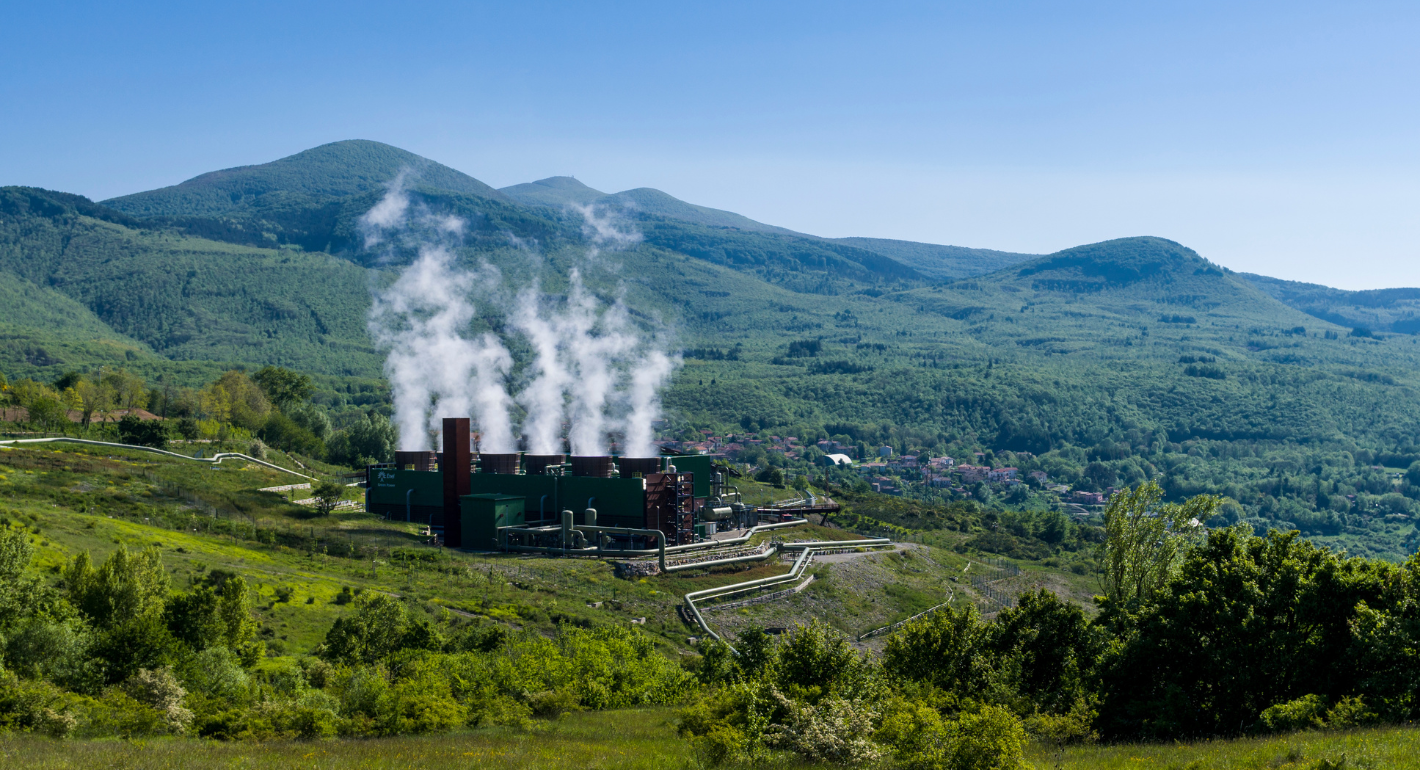
Europe’s industrial supply chains leave it vulnerable to global shocks. The EU needs a pragmatic green industrial strategy that balances durable partnerships and bolsters homegrown clean tech without sacrificing low-carbon ambition.


Milo McBride, Pauline Gerard
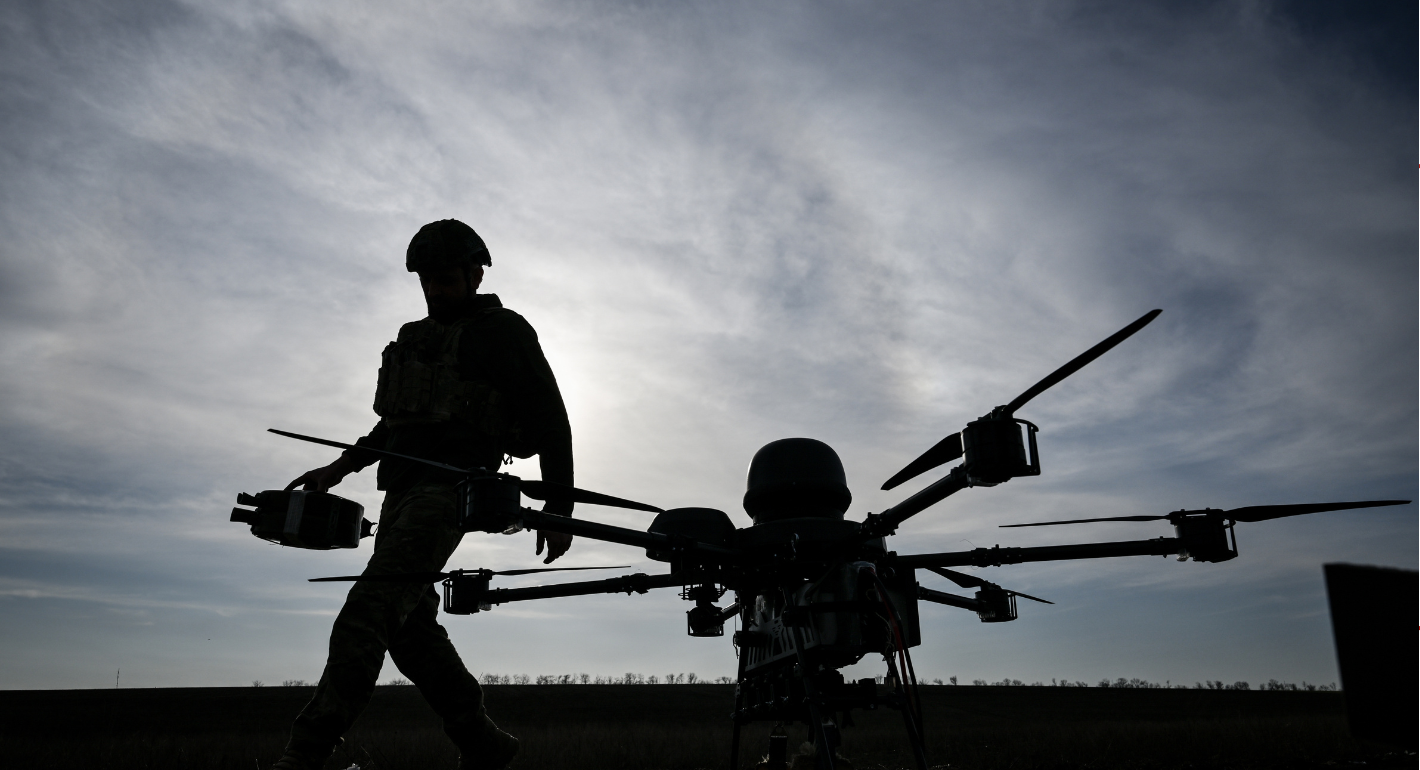
Defense tech innovations will be at the heart of Europe’s new security strategy. But so far, Brussels has been making moves without a broader plan, undermining readiness and credibility.

Raluca Csernatoni
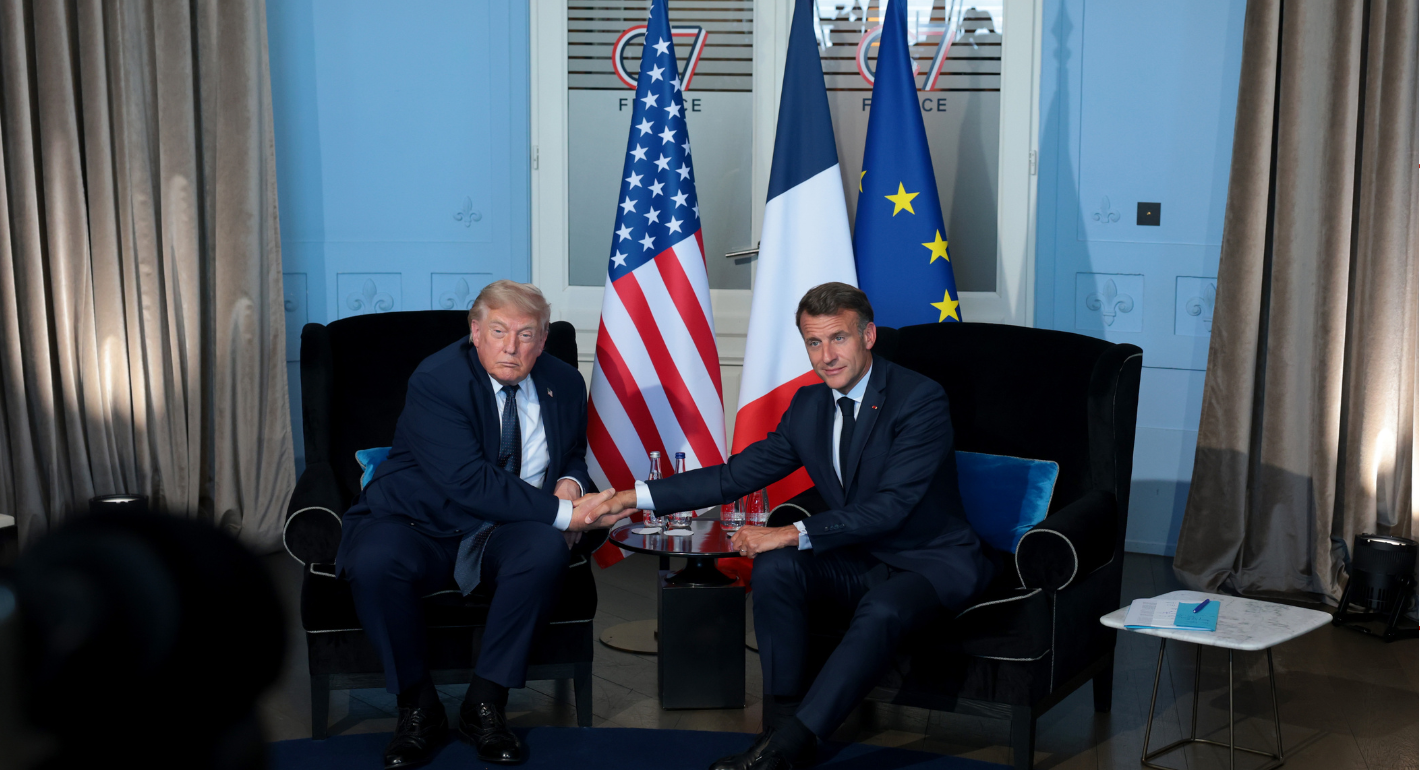
When the U.S.-Iran memorandum of understanding was announced, the UK, France, Germany, and Italy declared their readiness to help demine the Strait of Hormuz and lift nuclear sanctions on Tehran. But does Europe need new tools to recover a diplomatic role?

Rym Momtaz, ed.
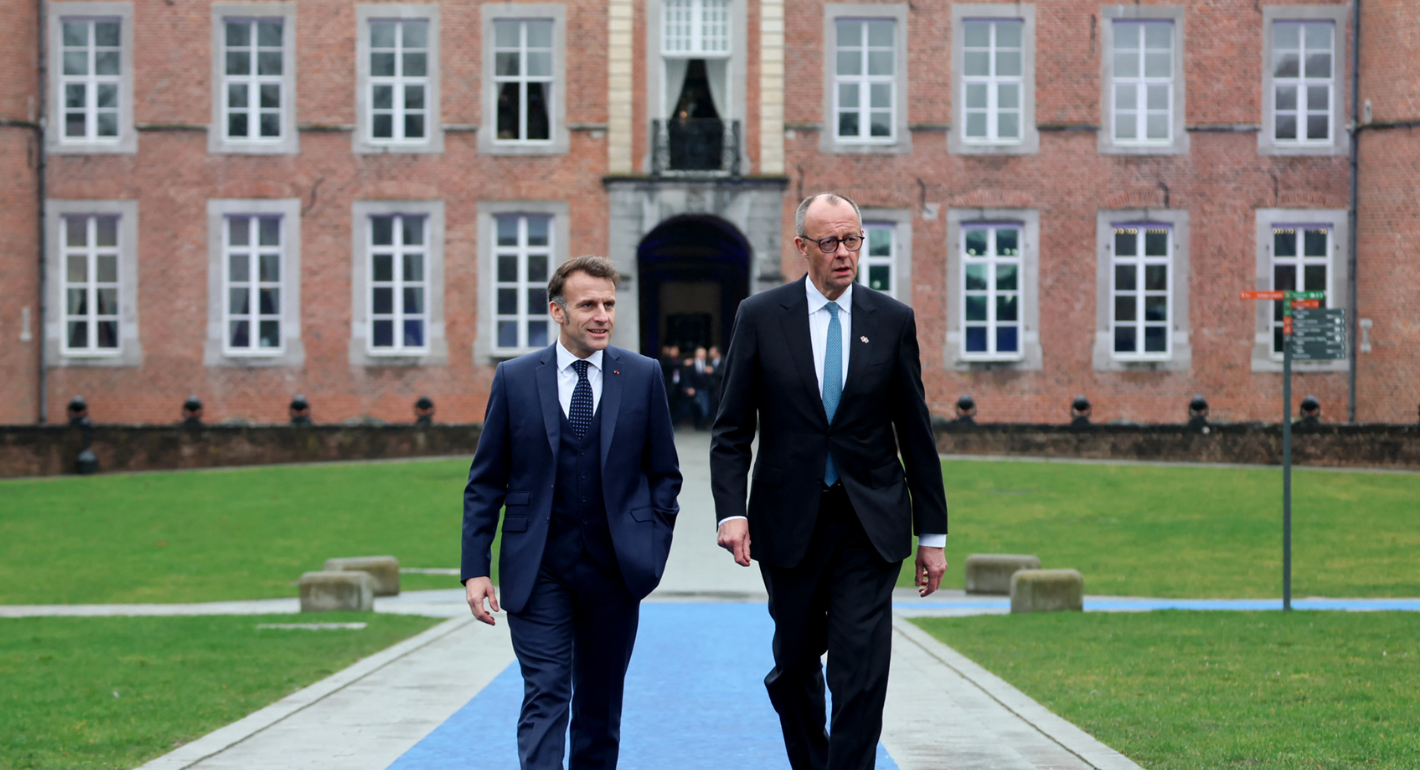
The Franco-German relationship is on the rocks again. But unlike previous moments of tension, the epochal changes on the world stage require that both step up investment in their bilateral ties.
Rym Momtaz

As geopolitical rivalry weaponizes global supply chains, the EU’s true vulnerability lies in emerging-risk imports. For these goods, suppliers are growing more concentrated, substitution more difficult, and political risk is looming.

Sinan Ülgen