

Paper
Lora Saalman
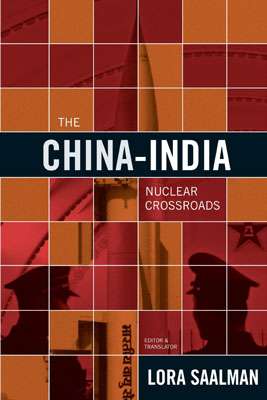
Leading Chinese and Indian experts examine the political, military, and technical factors that affect Sino-Indian nuclear relations, providing a comprehensive framework through which China and India can pursue enhanced cooperation.
Source: Washington

Despite these trends, The China-India Nuclear Crossroads is the first serious book by leading Chinese and Indian experts to examine the political, military, and technical factors that affect Sino-Indian nuclear relations. In this book, editor and translator Lora Saalman presents a comprehensive framework through which China and India can pursue enhanced cooperation and minimize the unintended consequences of their security dilemmas. | 中文
“The place to start for anyone interested in the atomic dimension of the China-India relationship and its profound impact on Asian security and the global nuclear order.”
—C. Raja Mohan, Member of India’s National Security Advisory Board and Distinguished Fellow at the Observer Research Foundation
“A first and crucial attempt to comprehensively compare Chinese and Indian nuclear perspectives.”
—Shen Dingli, Executive Dean of the Institute of International Studies and Director of the Center for American Studies at Fudan University
“Provides a better understanding of the security perceptions driving China and India’s nuclear strategies...a must read.”
—Shyam Saran, Senior Fellow at the Center for Policy Research and former counselor in the Embassy of India in Beijing, China
“Serves as a communication bridge between Chinese and Indian scholars.”
—Zheng Ruixiang, Senior Researcher at the China Institute of International Studies and China’s former consul general in Mumbai, India

Former Nonresident Associate, Nuclear Policy Program
Saalman was a nonresident associate in the Nuclear Policy Program at the Carnegie Endowment for International Peace. Her research focuses on China’s nuclear and strategic policies toward India, Russia, and arms control.
Recent Work
Lora Saalman
Lora Saalman
Carnegie does not take institutional positions on public policy issues; the views represented herein are those of the author(s) and do not necessarily reflect the views of Carnegie, its staff, or its trustees.

The hybrid warfare landscape is evolving rapidly, leaving policymakers without clear strategies. To better inform their work in addressing emerging challenges, governments must dig deeper into the underlying dynamics at play.


Raluca Csernatoni, Alicia Wanless

Mounting economic strain and battlefield losses will not necessarily make the Kremlin less dangerous. They could instead push Moscow toward a more aggressive hybrid campaign designed to test NATO’s Eastern flank, exploit allied hesitation, and fracture European resolve.

Maksym Beznosiuk

Over the past ten years, NATO has held almost as many summits as it did during the entirety of the Cold War. Are they still useful, or is it time to stop holding annual meetings?

Rym Momtaz, ed.
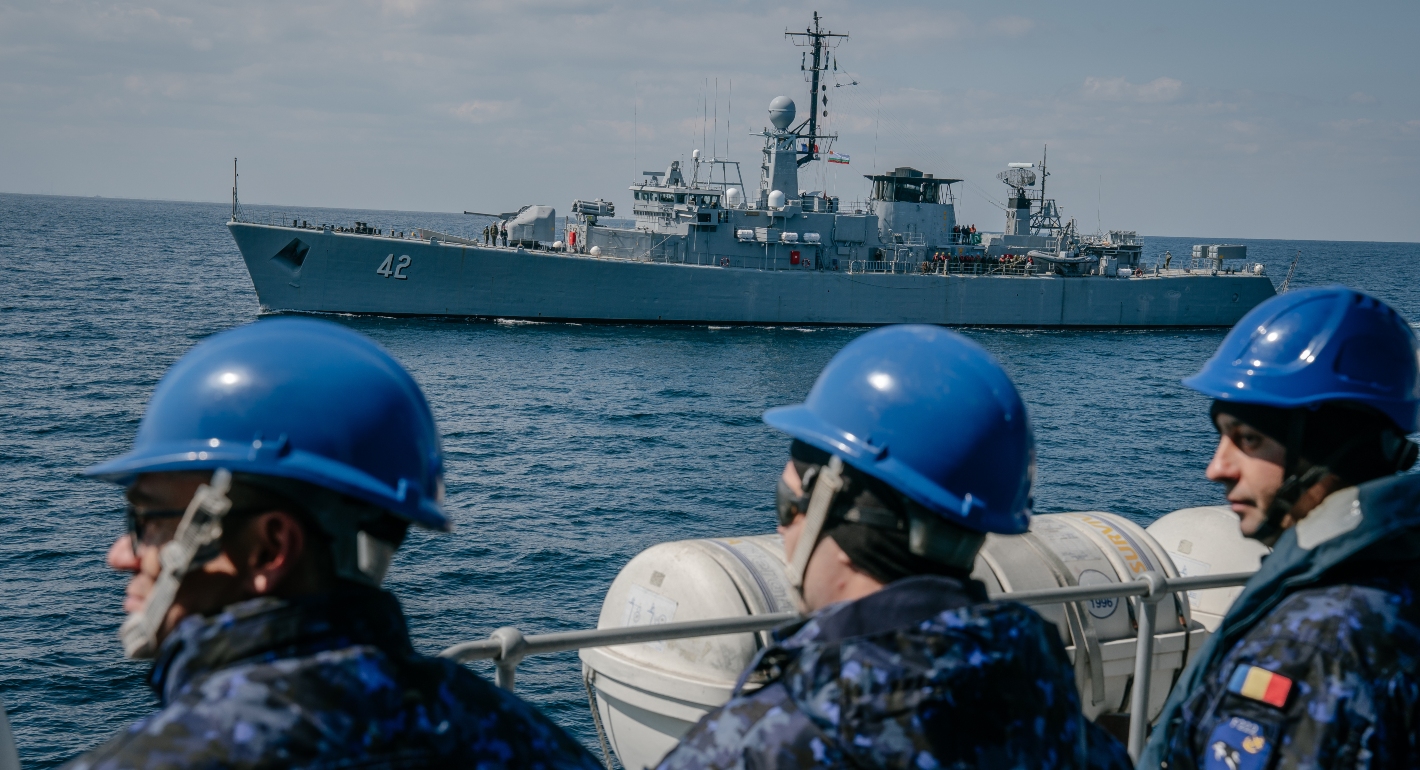
As Russia's war on Ukraine drags on, NATO is expanding its footprint in the Black Sea. Turkey, Romania, and Bulgaria are upgrading their fleets and deepening trilateral cooperation.

Dimitar Bechev
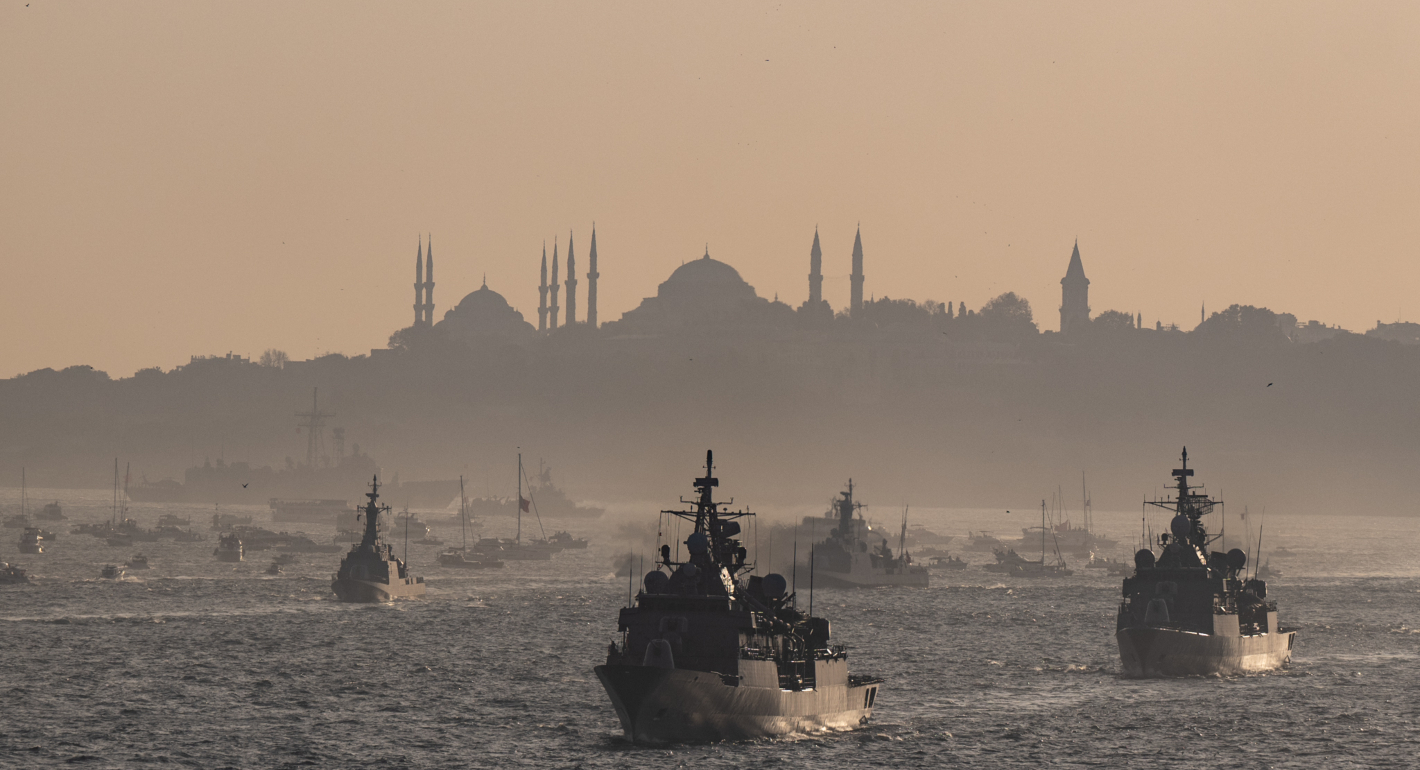
For ninety years, Turkey has been positioned as the principal gatekeeper of Black Sea security. As a result, European and NATO efforts to support Ukraine will require closer engagement with Ankara.

Thomas de Waal