

Commentary
The Franco-German relationship is on the rocks again. But unlike previous moments of tension, the epochal changes on the world stage require that both step up investment in their bilateral ties.
Rym Momtaz
Source: Getty
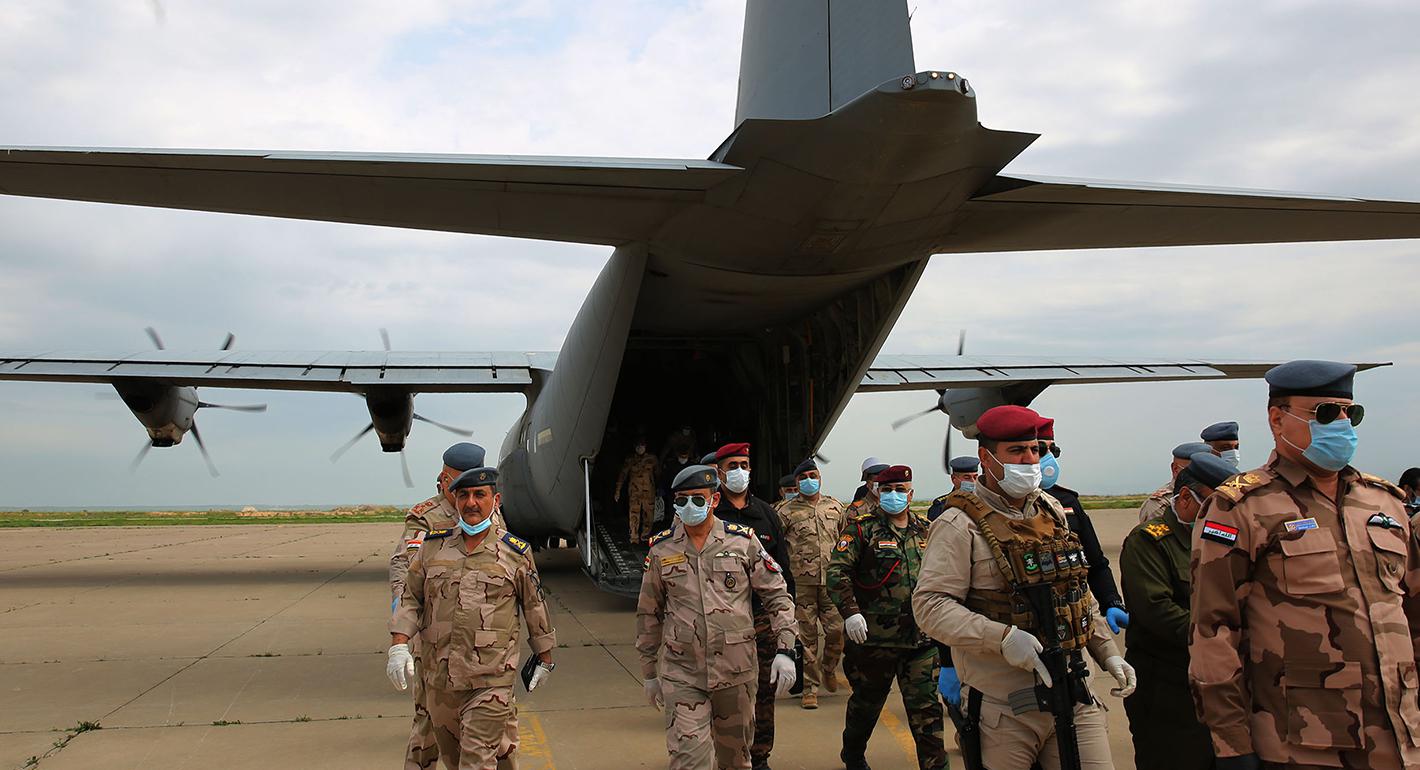
Iraq’s military responses to the coronavirus pandemic are diverse: creating more tension in Shia civil-military relations, buildingtrust in Sunni civil-military relations, and pushing the government to emphasize sovereignty over externally fueled partisanship.
The impact of the coronavirus pandemic on civil-military relations in Iraq exposes where parties stand on the country’s central political debate: how Iraq balances its domestic interests and the interests of its disparate regional and international allies, who many see as patrons of Iraq’s ruling parties. The pandemic has exacerbated fault lines within Shia circles and created space for reconciliation within Sunni circles. For Shiites, the virus is increasing the political divide over how closely Iraq’s security policies should accommodate Iranian interests in Iraq, whereas for Sunnis, the implications of less Iranian activity in the country could build needed trust in the new security forces. The security forces’ response to the pandemic is thus turning into an opportunity for Iraq to assert its national sovereignty.
Since the U.S. invasion in 2003, civil-military relations in Iraq have been defined by the influence of the prime minister and the political alliances bringing him to power. Governments following that of former president Saddam Hussein have been built on a hodgepodge of former ethnosectarian opposition parties and their militias, and deals between leading political parties have shaped the loyalty and make up of Iraqi Security Forces (ISF), which are made up of both army and police. The ISF and the newer Popular Mobilization Forces (PMF) are subservient to the politicians who patronize them, so political turmoil impacts the effectiveness of the security forces.
The spread of the coronavirus has caused disagreements within the leading political parties, in particular Shia parties, over how to prevent the virus spreading from Iran as well as how to deal with anti-government protesters in predominantly Shia areas. These divisions create an opportunity for Iraqi politicians to negotiate a more broad-based form of loyalty in the security forces and develop a military that serves Iraq’s national interests more than international ones.
As Iran is the main source of Shia pilgrims and the origin of coronavirus cases in Iraq, both militias backed by Grand Ayatollah Ali al-Sistani and the ISF have restricted pilgrims from visiting the holy sites since March 2020. On the other hand, Iran-backed factions, including Kataib Hezbollah, are pressing to allow pilgrims to visit the sites, as many believe pilgrimage is a source of healing and protection from the disease. Shia politicians are trying to balance between the political necessity of appeasing a regional patron like Iran while at the same time enforcing the sovereignty needed to effectively stop the spread of the coronavirus, with implications for how militias and security forces interact with the population.
Additionally, anti-corruption protests that started in October 2019 resumed after the confirmation of Prime Minister Mustafa al-Kadhimi in early May 2020 and remain concentrated in the Shia areas of Baghdad and the south. Continued protests amid social distancing policies and pressure from Iran-backed factions to use force against the protesters has created tension within Shia communities over the continued role of Iran-backed militias in the PMF. This tension was recently on display when Kadhimi visited the PMF headquarters in Baghdad, calling on the militias to act according to their “legal and official framework,” meaning, to concentrate on the fight against the self-proclaimed Islamic State and not on policing protesters. Shia are divided over the role of the security forces in advancing the political priorities of the parties that represent them.
On the other hand, the coronavirus pandemic has had a different impact in Sunni areas, where the Provincial Operations Commands, which coordinate ISF operations, have worked with local authorities to use the Iraqi police and army to enforce curfews and social distancing measures without significant push back from the public. The spread of the virus set back the counter-Islamic State fight, which is concentrated in Sunni areas. The U.S.-led coalition decreased operations and the ISF shifted towards public health measures, but the ISF did not abandon operations against the terrorist group and maintained some public engagement through phone calls and social media. The U.S. political will and capacity to keep operating in Iraq will have a greater impact on the ISF’s ability to fight Islamic State than the virus.
Security forces’ coronavirus response has not damaged Sunni trust in the ISF as much as it has in Shia areas. The pandemic’s impact on politically charged issues, such as pilgrimage to holy shrines or ongoing anti-government protests, do not originate in Sunni areas. In fact, some Iraqi officers told the authors that the coronavirus response has strengthened Sunni trust in the security forces in their areas, as the lockdown has made it easier for them to communicate with the public through phone and social media. Sunnis’ trust in the security forces may also be increasing due to perceptions that the Iraqi government and the ISF are restricting Iranians from entering the country and that Kadhimi is pursuing prosecution of Iran-backed militias for using violence against anti-government protesters in Shia areas. However, the Islamic State may have sensed this increasing Sunni trust in the government and security forces, prompting it to increase operations to exert more control over rural Sunni areas, exploiting the redeployment of the ISF to confront the pandemic.
On the whole, the pandemic is widening the gap between political forces susceptible to Iranian influence and those seeking a more independent Iraqi policy. Civil-military relations are affected by this gap because it destabilizes the status quo of how the security forces are used for political purposes. Anti-government protests, the January assassinations of former Iranian general Qassim Suleimani and former Iraqi politician Abu Mahdi al-Muhandis, and Iran-backed militia missile strikes against U.S. forces in Iraq are all political fault lines within Shia political circles. And senior political leaders have traditionally used the security forces as their preferred instrument to assert their influence over politically charged issues, such as former prime minister Nouri al-Maliki did with the ISF in the face of Sunni protesters in 2012, militia leader Hadi al-Ameri has done with the PMF against US forces, and Kurdistan Regional Government President Masoud Barzani did with the Peshmerga for the Kurdish independence referendum in September 2017. The army, police, and PMF are all still tied to or significantly influenced by political parties, most of them Shia, so political differences over how to respond to the coronavirus could compel parties to depoliticize their ties to the ISF and PMF for the sake of Iraq’s domestic security.
Events in Iraq since December 2019 have illustrated how Iraq is still seen by many as a playground for regional rivalries. The pandemic has made Iraqi political parties prioritize its domestic security over the interests of regional or international patrons. As such, the pandemic could create conditions in which the Iraqi government is able to exercise more sovereignty in the face of political pressure from countries like Iran, and in turn gain more domestic trust from disenfranchised groups such as Sunni Arabs. In the end, the coronavirus pandemic might bring more stability to Iraqi civil-military relations than instability.
The views in this article are strictly those of the authors and not those of any entities with which they are associated.
Sterling Jensen is associate professor of strategy at the United Arab Emirates National Defense College.
Waleed al-Rawi is an independent researcher and retired brigadier general in the Iraqi Army.
Sterling Jensen
Waleed al-Rawi
Carnegie does not take institutional positions on public policy issues; the views represented herein are those of the author(s) and do not necessarily reflect the views of Carnegie, its staff, or its trustees.
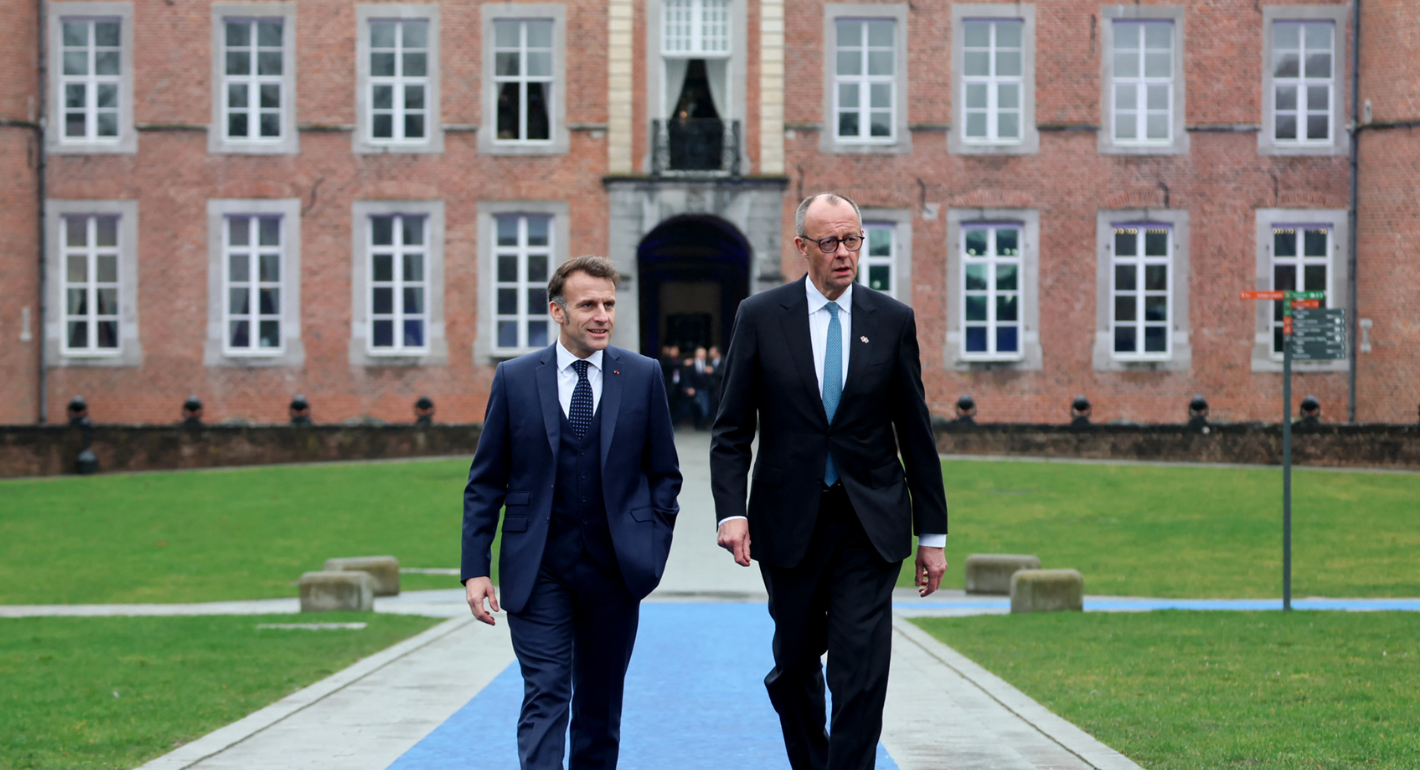
The Franco-German relationship is on the rocks again. But unlike previous moments of tension, the epochal changes on the world stage require that both step up investment in their bilateral ties.

Rym Momtaz

The EU is putting together a new security strategy to meet today’s myriad challenges. But for any proposal to be effective, the union needs to grapple with its identity and ambitions.

Pierre Vimont

The EU’s new migration policy is not suited to today’s realities. With climate change increasingly becoming a driver of displacement, Europe needs to rethink its deterrence-focused approach.

Shana Tabak
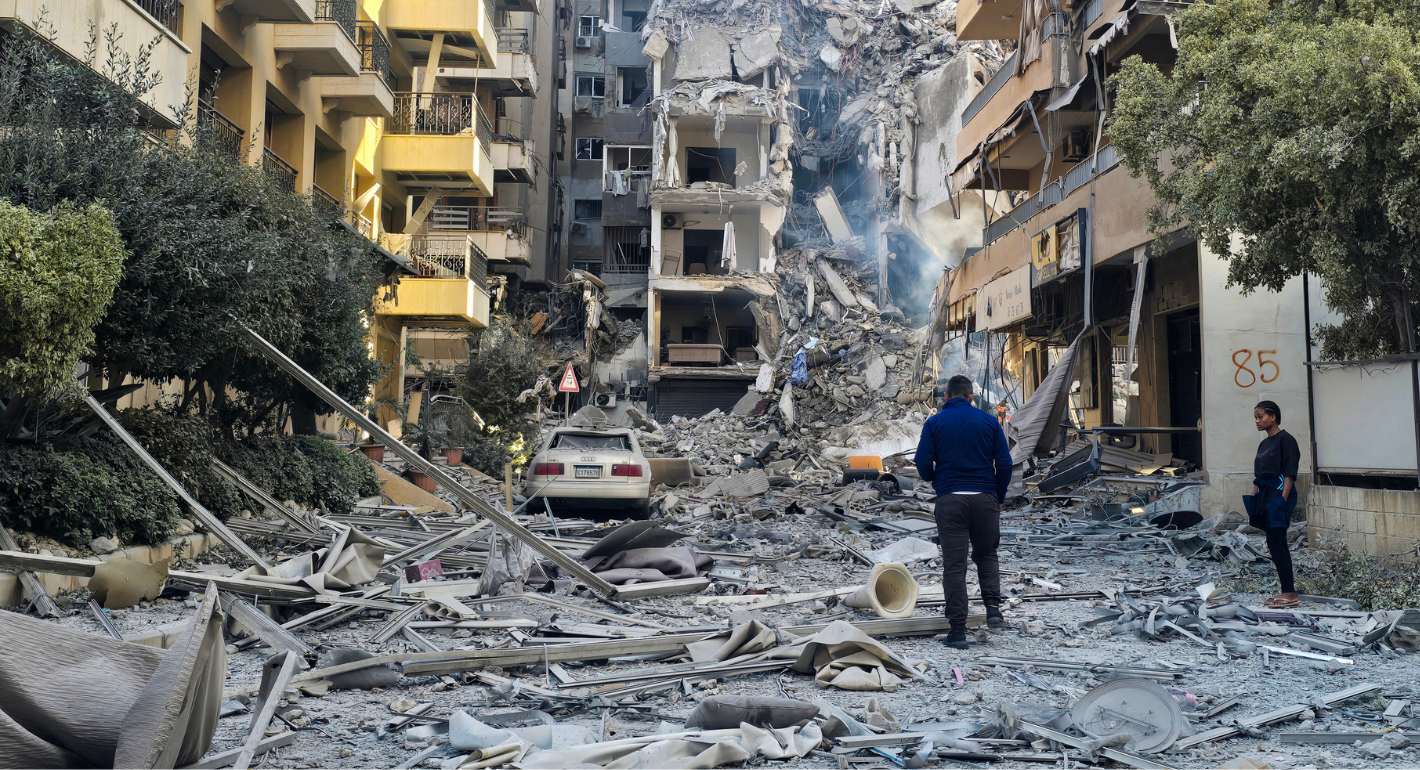
Europe seems to have accepted its sidelining in the Middle East. The EU must reassert its support for the international rules-based order and step up engagement.
Rym Momtaz
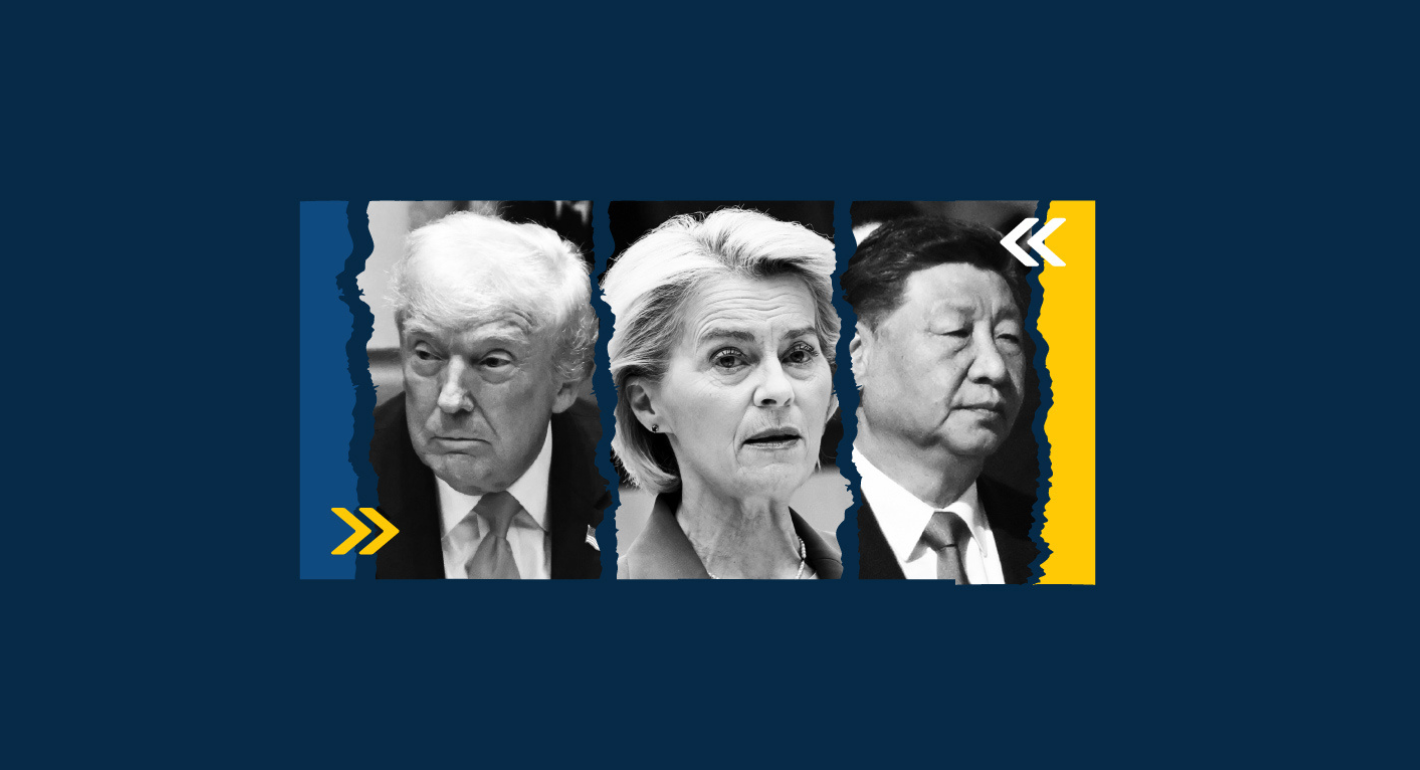
Between the United States’ market-driven approach and China's state-led industrial strategy, Europe is reckoning with how it can remain competitive in the global economy. But is Europe in danger of becoming a U.S. or China colony?
Noah Barkin, Anu Bradford