

Commentary
Judy Dempsey
{
  "authors": [
    "Judy Dempsey"
  ],
  "type": "commentary",
  "blog": "Strategic Europe",
  "centerAffiliationAll": "",
  "centers": [
    "Carnegie Endowment for International Peace",
    "Carnegie Europe"
  ],
  "collections": [],
  "englishNewsletterAll": "",
  "nonEnglishNewsletterAll": "",
  "primaryCenter": "Carnegie Europe",
  "programAffiliation": "",
  "programs": [],
  "projects": [],
  "regions": [
    "Europe",
    "Southern, Eastern, and Western Africa"
  ],
  "topics": [
    "EU",
    "Security"
  ]
}
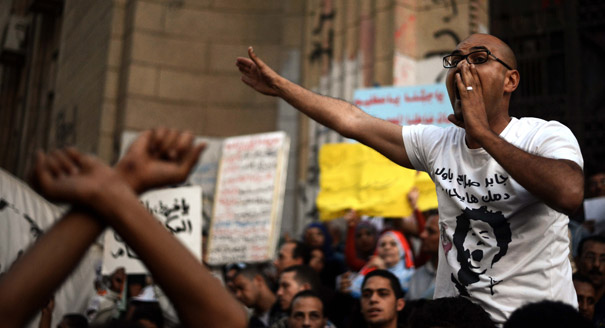
Source: Getty
Europe’s politicians are split on how to address human rights issues. Those in favor of quiet diplomacy should make sure their words aren’t too softly spoken.
Never before have so many countries in the throes of massive political change looked to Europe for support and inspiration.
Never before have Catherine Ashton, Europe’s foreign policy chief, and Stavros Lambrinidis, her human rights envoy, been under so much pressure to make a difference, visibly and quickly, on human rights.
After all, such rights are supposed to underpin the EU’s entire foreign and security policy.
That’s why human rights activists were genuinely pleased when, exactly one year ago, Ashton decided to present an EU strategy on human rights and appoint an envoy to promote it. Why it took so long for the EU to do either is another matter.
Yet Ashton and Lambrinidis now are torn between two conflicting views of how to persuade governments outside Europe to stop repressing prodemocracy movements and begin safeguarding basic rights. During a hearing at the European Parliament’s human rights committee on Tuesday in Brussels, it became clear just how divided the human rights community is in Europe.
Some favor quiet diplomacy. Ashton and Lambrinidis are at the forefront of that group. Others, among them Markus Löning, Germany’s human rights commissioner, strongly advocate public rhetoric.
Ashton and Lambrindis have spent hours talking to Egypt’s leadership about the need to implement and protect human rights. And even though the security forces continue to arrest individuals and threaten to close down NGOs, Ashton’s method is to keep talking behind closed doors. Those who work with her say it would be counterproductive to break off communication or to make loud and critical statements.
Löning believes otherwise. He told the European Parliament hearing that Ashton must speak out loudly and consistently about human rights.
Löning’s belief is that the EU is failing to defend its values, which are universal. “If we don’t take human rights seriously all the time, we will not be serious partners on other issues either,” he said.
Of course, Europe’s governments are under enormous pressure from industry and lobbyists to tread softly on human rights. Speaking out would jeopardize lucrative contracts or affect bilateral ties. In other words, values should not get in the way of interests. Yet this is a short-term view that is strategically flawed because human rights are about security and strategy. In this regard, interests and values coincide.
If companies choose to invest in and trade with authoritarian regimes, they don’t do so blindly. Often they apply double standards. And frequently, they eschew the legal obligations—workers’ councils, health and environmental standards, and transparency and accountability—that they would be kept to in Europe.
Firms can get away with that in authoritarian countries because the regimes there don’t expect or want Western styles of corporate governance. They don’t want to see social rights established that would set standards for political rights.
In the long term, there is a high price to pay for these double standards. The European Bank for Reconstruction and Development and the World Bank have repeatedly argued that Western companies that adapt to a country’s corrupt practices end up undermining their own interests. Corruption is not a long-term guarantee for stability or prosperity.
Nevertheless, few company executives speak out against corruption and authoritarian rule. Even fewer take the step of canceling, for example, their support for big international sporting events, such as last year’s controversial Bahrain Grand Prix.
But the longer they perpetuate a “business” system that underpins authoritarian regimes, the more it has a corrosive effect on society. In many countries, millions of young, educated people are frustrated with the absence of accountability. Such corruption and brutal repression were key factors that sparked off Tunisia’s Arab Spring.
So where does that leave Europe’s policymakers?
Authoritarian regimes, especially in Central Asia, argue that human rights activities damage overall security and stability. They need Europe’s goodwill to the extent that they will pay lip service to human rights.
One of the easier ways for such regimes to win Europeans’ backing is to engage in a human rights dialogue with the EU. As Lotte Leicht, the EU director of Human Rights Watch, said during the panel discussion, this is the regimes’ way of making themselves look good and getting the EU off their backs.
Europe will not do justice to its values if it agrees to that kind of farce.
If pandering to authoritarian practices is damaging to long-term business interests, it is far worse for politics. This is particularly true for the EU, which has built its raison d’être internally and externally on peace, democracy, the rule of law, and respect for human rights.
Ashton, like so many other politicians who navigate the difficult waters of dealing with authoritarian regimes, regularly needs to be reminded of one important fact. Quiet diplomacy becomes self-defeating when it is so quiet that nobody listens to it anymore.
Nonresident Senior Fellow, Carnegie Europe
Judy Dempsey is a nonresident senior fellow at Carnegie Europe
Recent Work
Judy Dempsey
Judy Dempsey
Carnegie does not take institutional positions on public policy issues; the views represented herein are those of the author(s) and do not necessarily reflect the views of Carnegie, its staff, or its trustees.
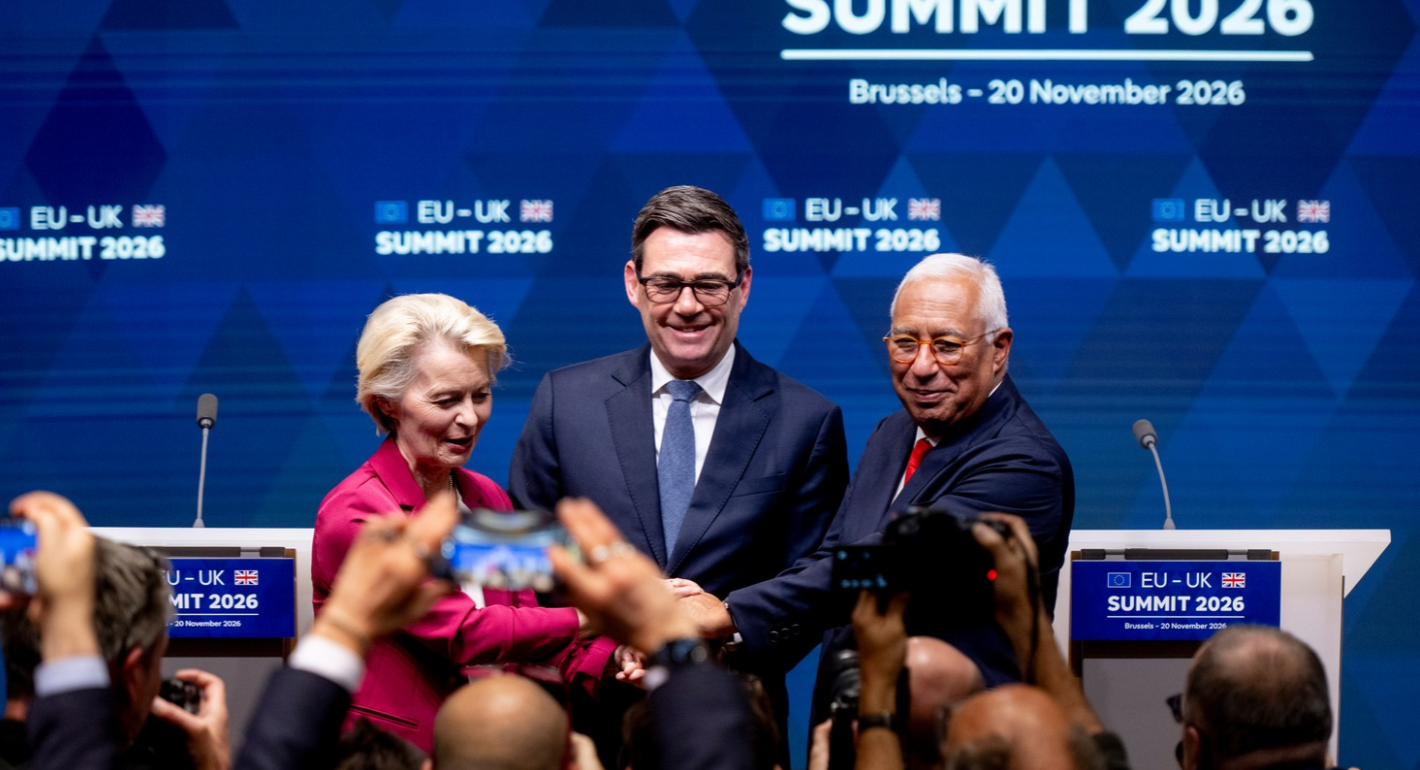
Ending in an impasse on university tuition fees, the EU-UK summit came to a muddled conclusion. Did the meeting live up to the hype, or was it counterproductive?

Rym Momtaz, ed.
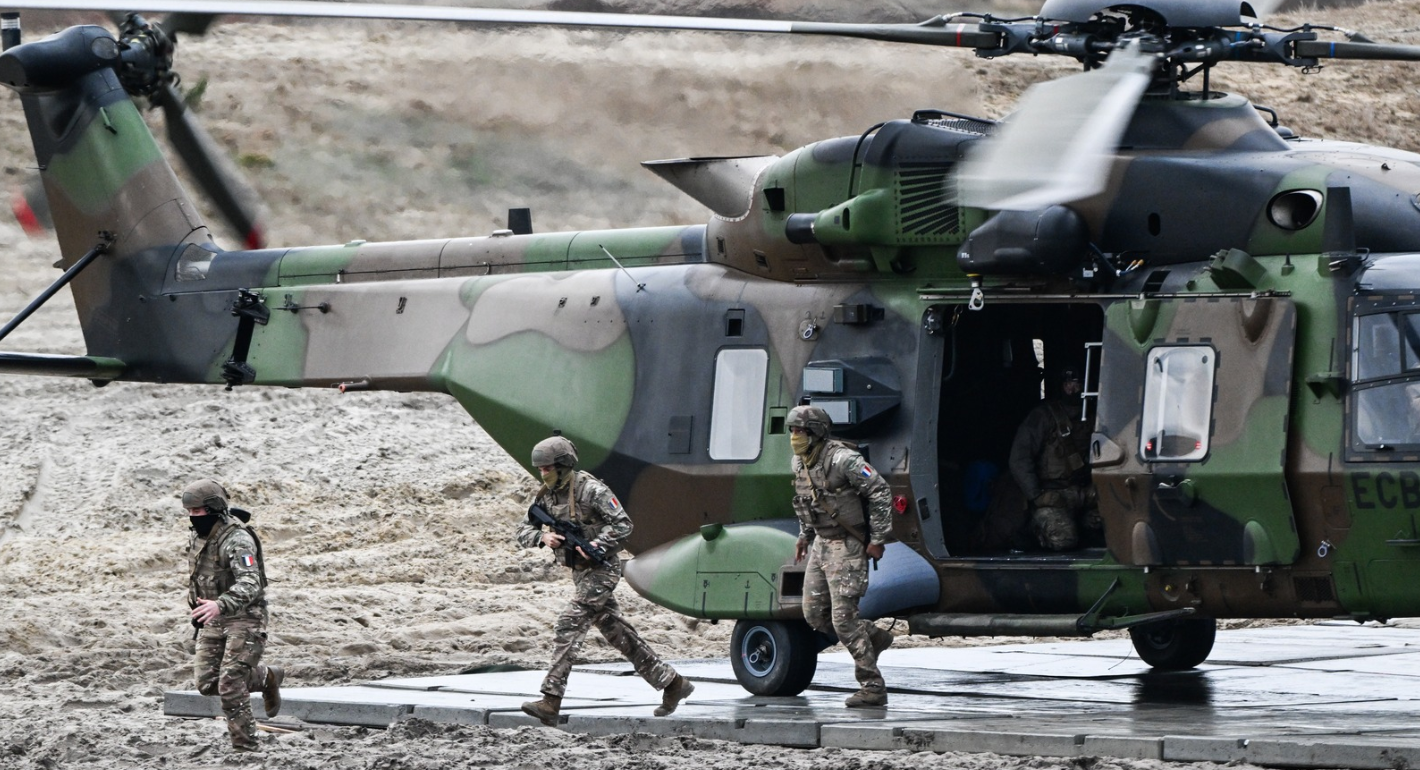
A trilateral summit in China was advertised as the new Yalta but yielded little more than a photo opportunity for Vladimir Putin. The real work was being done by the Europeans, quietly, in rural Poland.
Rym Momtaz
Russia’s maximalist demands are preventing any serious attempt at ending the war in Ukraine. To make peace a realistic prospect, Putin must recognize that diplomacy is a two-way street.
Kadri Liik

Too many national interests, too many EU institutions, and too little political will are preventing Europe from acting in its own best interests.
Judy Dempsey
A sizeable funding shortfall looks increasingly likely to hit Ukraine in 2027. Can the Europeans, with their strained budgets and economies, come up with the cash without seizing frozen Russian assets?
Rym Momtaz, ed.