

Commentary
Nathalie Tocci, Jan Techau
{
  "authors": [
    "Jan Techau"
  ],
  "type": "commentary",
  "blog": "Strategic Europe",
  "centerAffiliationAll": "",
  "centers": [
    "Carnegie Endowment for International Peace",
    "Carnegie Europe"
  ],
  "collections": [
    "Arab Awakening"
  ],
  "englishNewsletterAll": "",
  "nonEnglishNewsletterAll": "",
  "primaryCenter": "Carnegie Europe",
  "programAffiliation": "",
  "programs": [],
  "projects": [],
  "regions": [
    "Middle East",
    "Syria",
    "Europe",
    "North America"
  ],
  "topics": [
    "EU",
    "Security"
  ]
}
Source: Getty
By failing on three counts to react strategically to challenges in the Middle East, the West has revealed its foreign policy performance to be breathtakingly miserable.
The ongoing Syria crisis has been described as the end of the American era. But what does this latest Middle Eastern conflagration tell us about the West more broadly? And what does it tell us about transatlantic relations, the West’s beating heart—if there is such a thing?
Of course, Syria comes as part of a package called the Arab Spring. The Arab revolutions are, first and foremost, a domestic challenge for the elites and citizens of the countries affected.
But the uprisings are also a foreign policy challenge for the West. On this challenge, the West has sadly failed to rise to the occasion by committing three strategic cardinal sins: not recognizing the geopolitical relevance of the situation; not finding the right-sized response; and not acting together.
From the start of the Arab uprisings, Europeans and Americans had a keen sense that they were witnessing a historic development, but they failed to address it as such. The West looked on the Arab Spring as another 1989, with the winds of change set to lift another part of the world out of despotism and arrested development. But unlike the fall of Communism, the Arab Spring was not perceived as a geopolitical contest over who reigns in Europe’s immediate neighborhood.
As a consequence, neither the United States nor the EU offered a strategic response to the Arab revolutions. Despite some aspirational rhetoric from U.S. President Barack Obama, the United States remained a timid bystander and launched no major economic or diplomatic initiatives in reaction to the uprisings.
Europe was slightly less complacent when it quickly presented a set of revamped neighborhood policies in response to the new situation. But these policies were just more of the same old piecemeal, atomized method of “foreign policy by project management,” not a strategic response. The EU pondered the potential strategic tools of market access and liberalized mobility for the countries of the Southern Mediterranean; but reservations from EU member states meant that these instruments had no chance of being implemented.
Not only were the United States and the EU unable to offer appropriate responses to the Arab Spring as individual players. They also failed utterly to address these enormous issues together, as transatlantic partners. At no time was there a serious impulse to coordinate responses and develop a unified Middle East policy.
In short, the West failed on three counts to react properly to the challenges posed by the Arab Spring. It failed to recognize the true geopolitical meaning of the uprisings; it failed to respond big; and it failed to act together. In doing so, the West’s performance has been breathtakingly miserable in the face of possibly the biggest foreign policy challenge for the current generation of policymakers.
It was not just the failings of the domestic political elites in the Arab world that led to today’s dismal situation. It seems pretty obvious that the West also contributed substantially to “losing” the Arab Spring.
And then came Syria.
There, the West committed all three of its cardinal sins all over again. First, it failed to grasp that Syria was the quintessential geopolitical contest in the Levant. When the West woke up, it was too late and the civil war had already turned into a proxy war in which external players had a higher stake than the Syrian people themselves. Second, the West failed to act decisively when that was still possible. And third, it failed to act in concert.
Before the Syrian civil war was hijacked by Islamists, Russia, and Iran, there was a small window of opportunity. That window has closed. Now, the West is entirely dependent on highly unreliable players whose long-term goal is to undermine the liberal world order, not to strengthen it.
The West faces a painful dilemma in Syria. On the one hand, an intervention is militarily too risky and politically too costly to even consider. On the other, the West risks losing whatever credibility it has left as the guardian of an international rules-based system. And while the region has its own rules and unpredictable twists and turns, this dilemma is largely homemade.
From the petty domestic debates in Washington and Berlin, a picture emerges of a West that has lost its geopolitical edge. Washington is preparing to do battle over healthcare reform—a symptom of the utter self-absorption of the country’s elites. Berlin is in the final throes of a general election campaign that has been devoid of any reference to the major global challenges facing Germany, Europe, and the West.
It is a long-standing tradition that big global issues do not feature prominently in domestic election campaigns or the power struggles in national capitals. Yet this is a tradition that the West cannot afford any longer. In a globalized world, it is not only the Arab world that needs a revolution. Western political culture needs one, too.

Director, Europe Team, Eurasia Group
Techau is director with Eurasia Group's Europe team, covering Germany and European security from Berlin. Previously, he was director of Carnegie Europe.
Recent Work

Nathalie Tocci, Jan Techau
Jan Techau
Carnegie does not take institutional positions on public policy issues; the views represented herein are those of the author(s) and do not necessarily reflect the views of Carnegie, its staff, or its trustees.
Trump is distracted and Ukraine wants Europe to step up. The continent’s leaders must find their voice and assert it in talks with Russia.

Alissa de Carbonnel

Mounting economic strain and battlefield losses will not necessarily make the Kremlin less dangerous. They could instead push Moscow toward a more aggressive hybrid campaign designed to test NATO’s Eastern flank, exploit allied hesitation, and fracture European resolve.

Maksym Beznosiuk
Over the past ten years, NATO has held almost as many summits as it did during the entirety of the Cold War. Are they still useful, or is it time to stop holding annual meetings?

Rym Momtaz, ed.
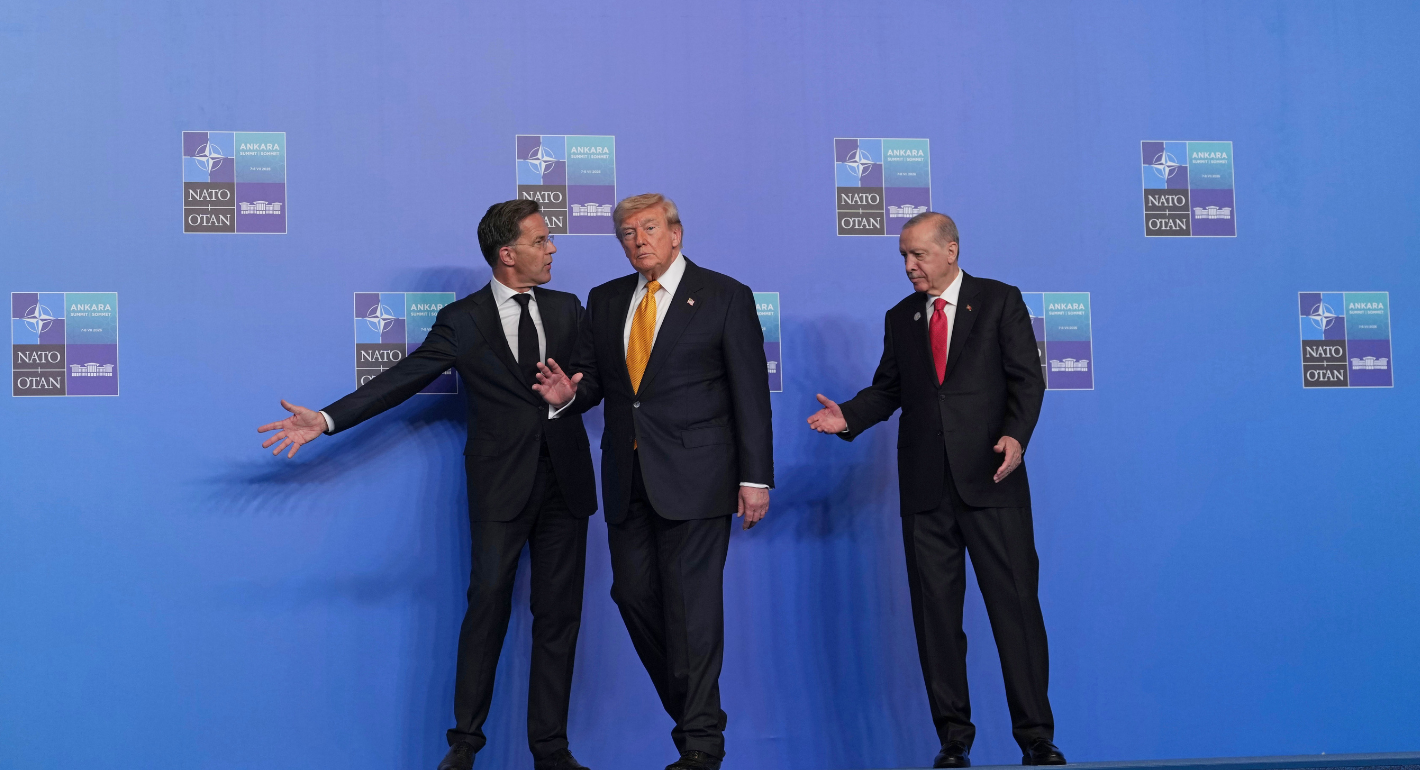
Nearly a year and a half after Europeans leaned into sucking up to Trump, the strategy has produced some benefits when it comes to Ukraine.
Rym Momtaz
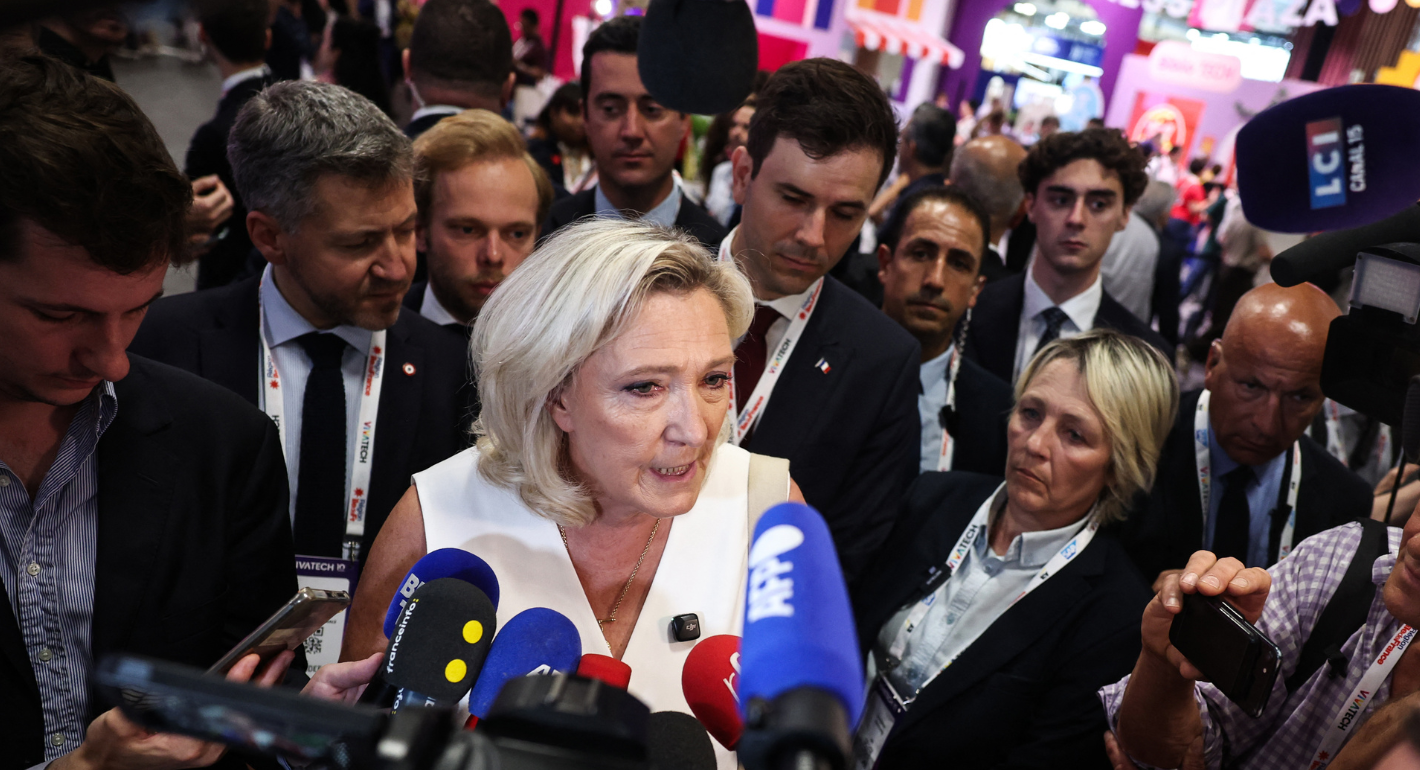
Far-right leader Marine Le Pen can—and will—run in France’s next presidential election. What does the outcome of her appeal against a 2025 embezzlement conviction mean for the country’s political future?

Catherine Fieschi