

Commentary
Nathalie Tocci, Jan Techau
{
  "authors": [
    "Jan Techau"
  ],
  "type": "commentary",
  "blog": "Strategic Europe",
  "centerAffiliationAll": "",
  "centers": [
    "Carnegie Endowment for International Peace",
    "Carnegie Europe"
  ],
  "collections": [],
  "englishNewsletterAll": "",
  "nonEnglishNewsletterAll": "",
  "primaryCenter": "Carnegie Europe",
  "programAffiliation": "",
  "programs": [],
  "projects": [],
  "regions": [
    "North America",
    "United States",
    "Middle East",
    "Iran",
    "Syria",
    "Central Asia",
    "Caucasus",
    "Russia",
    "Eastern Europe",
    "Western Europe",
    "United Kingdom",
    "Germany",
    "Europe"
  ],
  "topics": [
    "EU",
    "Foreign Policy"
  ]
}
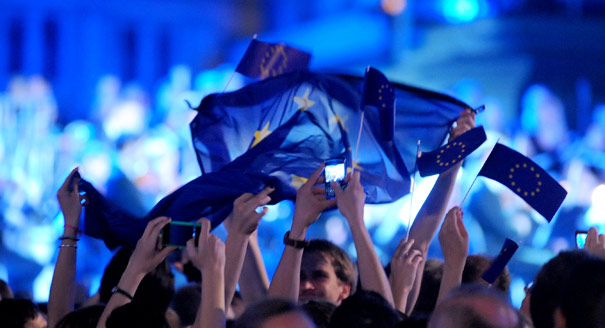
Source: Getty
In Strategic Europe’s final blog post of 2013, Jan Techau and Judy Dempsey discuss the major issues that are (and should be) on the EU’s foreign policy agenda.
As 2013 draws to a close, Carnegie Europe’s Director Jan Techau speaks to Strategic Europe’s Editor in Chief Judy Dempsey about the EU’s year in foreign policy, what to expect in 2014, and how the Strategic Europe blog wants to weigh in on crucial debates in the future.
We would also like to let you know that Strategic Europe will be offline for two weeks from Monday, December 23. It will resume again on Monday, January 6, 2014. In the meantime, we want to thank all our readers, bloggers, guest contributors, and tweeters for all their support. We wish you all very happy holidays and a fine start to the New Year.
Jan Techau: Judy, looking back at a year of many memorable foreign policy stories, which one stands out as the most meaningful for you?
Judy Dempsey: The one that stands out for me is the diplomatic deal between Serbia and Kosovo brokered by the EU this spring. You have to put this agreement into its historical perspective to fully grasp what it means. The conflicts in the Western Balkans go back centuries. The EU’s Foreign Policy High Representative Catherine Ashton achieved a big breakthrough. That could have a huge positive impact in an important but often underestimated part of Europe.
JT: And what was the most important foreign policy event that did not happen in 2013?
JD: A serious conversation between the Americans and Europeans. It was shocking to see how little the two sides of the Atlantic engaged in serious strategic debate. Not on Ukraine, not on spying, not on the Arab world, and not on Russia. Few people have realized that the old transatlantic relationship is gone. Few people on either side of the pond grasp how enormously important the Transatlantic Trade and Investment Partnership will be for establishing a new, more strategically minded relationship. It seems to me that there was an almost complete breakdown of communications after the NSA spying scandal broke.
JT: With transatlantic trade, Iran, Ukraine, and Russia staying on the agenda for 2014, there will be plenty of opportunities for both sides to get back into business. There will even be a NATO summit to soothe the tormented transatlantic soul. What foreign policy developments are high on your watch list for 2014?
JD: The outcome, if any, of the civil war in Syria. And the potential combustibility in the Caucasus and Central Asia. These regions are festering not only because of the authoritarian regimes in power there but also because of high unemployment, repression, and a lack of opportunities.
JT: Many people say that the financial crisis has pushed foreign policy off the EU’s agenda in the last few years. At the same time, it seems, the EU had to step up its game on issues such as the Balkans, the Eastern Partnership, and Iran. Beyond events-driven action, which is a given, do you see a chance for a more strategically oriented EU foreign policy in 2013?
JD: I am not so sure. Probably not in the next eight to ten months. A more strategic Europe will depend largely on two countries, Britain and Germany, and will demand a huge intellectual push from both. I am rather pessimistic about Germany and the chances of Chancellor Angela Merkel taking a lead on this front. And I am getting ever more pessimistic about Britain, too. Both countries define their roles differently now from in the past, and that is a big problem. Germany has moved from being pro-integrationist to being more intergovernmentalist, which inevitably influences any further political integration. The British debate over Europe has had a paralyzing affect on how the country sees the EU’s future and on what role the UK should play in Europe.
JT: You are an Irishwoman who has been living and working in Berlin for some time. When you assess Germany and Britain and the EU, do you have a strong Irish perspective on what’s happening?
JD: No, that’s been completely diluted over the years. If anything, I feel more Central and Eastern European in my approach. I spent a lot of time there as a young journalist, covering the whole drama of the beginning of the end of the Cold War between 1980 and 1996. Then I returned to the region after many of its countries joined the EU in 2004. I never believed that the division of Europe would last. And I deeply admired the courageous people who, in the really dark days, dared to take on the regimes behind the Iron Curtain. Those experiences and those people shaped my thinking. Strong, formative impressions like that don’t easily leave you. They influence how I see Europe.
JT: Where does that strong sense of idealism take you today? With the Berlin Wall gone, what is your outlet for all of that energy nowadays?
JD: There are parts of Europe that still can’t do what the rest of Europe can do today. That’s an enormous motivation to keep going. As Western Europeans, we need to remind ourselves not to get complacent, even though some occasionally feel tempted to do so. The European project is not nearly finished. Foreign policy will play a role, if not the crucial one, in taking the EU forward. That is why this blog is so important for me. What better tool to ask what Europe wants to stand for, and to take that debate outside the Brussels bubble?
Director, Europe Team, Eurasia Group
Techau is director with Eurasia Group's Europe team, covering Germany and European security from Berlin. Previously, he was director of Carnegie Europe.
Recent Work
Nathalie Tocci, Jan Techau
Jan Techau
Carnegie does not take institutional positions on public policy issues; the views represented herein are those of the author(s) and do not necessarily reflect the views of Carnegie, its staff, or its trustees.

Defense tech innovations will be at the heart of Europe’s new security strategy. But so far, Brussels has been making moves without a broader plan, undermining readiness and credibility.

Raluca Csernatoni

When the U.S.-Iran memorandum of understanding was announced, the UK, France, Germany, and Italy declared their readiness to help demine the Strait of Hormuz and lift nuclear sanctions on Tehran. But does Europe need new tools to recover a diplomatic role?

Rym Momtaz, ed.
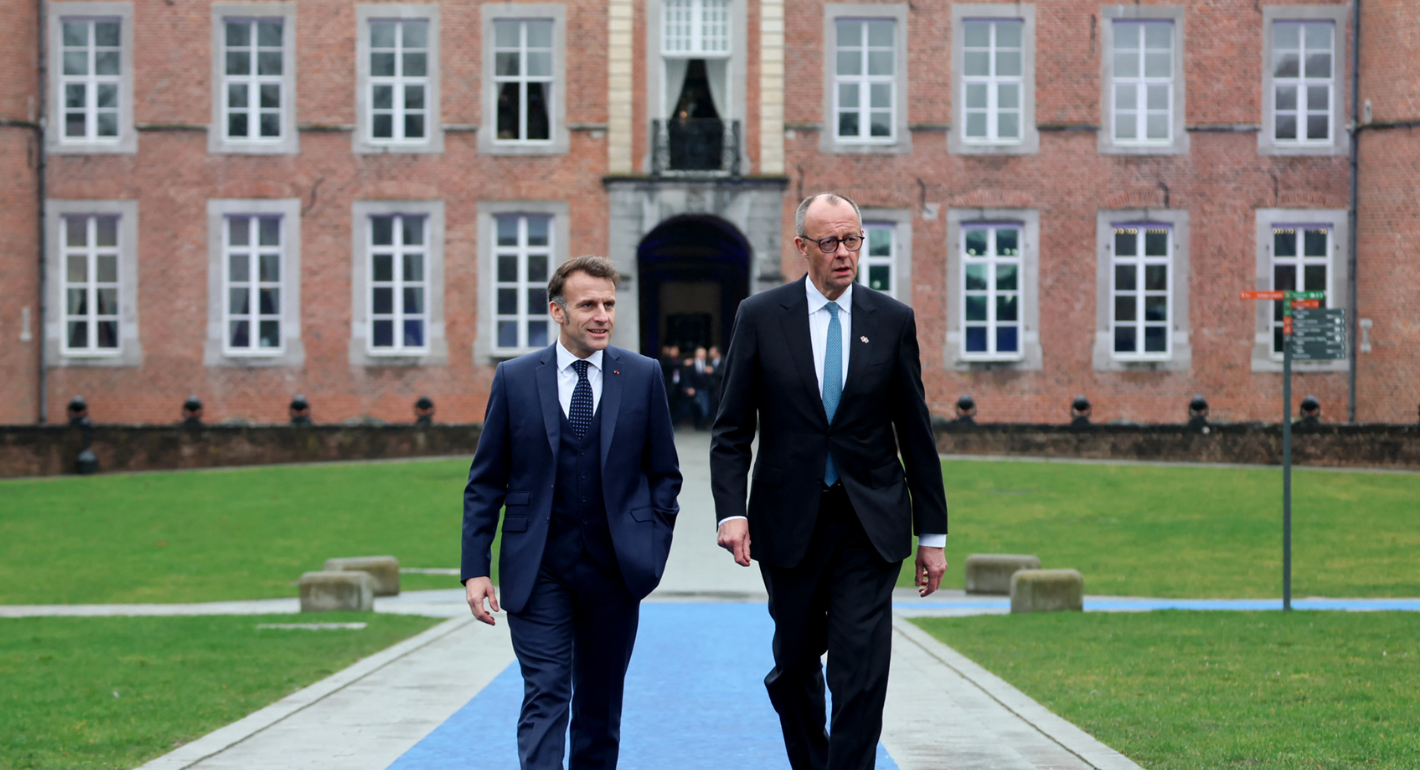
The Franco-German relationship is on the rocks again. But unlike previous moments of tension, the epochal changes on the world stage require that both step up investment in their bilateral ties.
Rym Momtaz
The EU is putting together a new security strategy to meet today’s myriad challenges. But for any proposal to be effective, the union needs to grapple with its identity and ambitions.

Pierre Vimont

The EU’s new migration policy is not suited to today’s realities. With climate change increasingly becoming a driver of displacement, Europe needs to rethink its deterrence-focused approach.

Shana Tabak