

Commentary
French President Emmanuel Macron has unveiled his country’s new nuclear doctrine. Are the changes he has made enough to reassure France’s European partners in the current geopolitical context?
Rym Momtaz, ed.
{
  "authors": [
    "Ulrich Speck"
  ],
  "type": "commentary",
  "blog": "Strategic Europe",
  "centerAffiliationAll": "",
  "centers": [
    "Carnegie Endowment for International Peace",
    "Carnegie Europe"
  ],
  "collections": [],
  "englishNewsletterAll": "",
  "nonEnglishNewsletterAll": "",
  "primaryCenter": "Carnegie Europe",
  "programAffiliation": "",
  "programs": [],
  "projects": [],
  "regions": [
    "Eastern Europe",
    "Russia",
    "Ukraine",
    "Western Europe",
    "France",
    "Germany",
    "Europe"
  ],
  "topics": [
    "Political Reform",
    "Foreign Policy",
    "EU",
    "Civil Society"
  ]
}
Source: Getty
If the EU wants to be an effective foreign policy player, it must unite the strengths of its member states and its central institutions. Otherwise, its policies will fail.
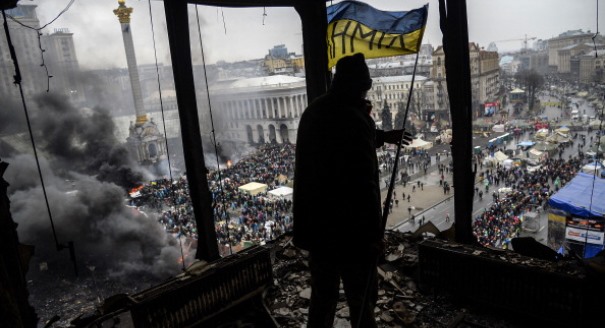
February 20 was a black day for Europe. Antigovernment protests in Ukraine culminated in the worst violence the country has seen since gaining independence over two decades ago. The EU and its members were involved in the developments that led to the clashes, and they must learn the lessons of this ugly turn of events.
The standoff in Kiev follows a failed attempt by the EU to offer Ukraine closer ties to the bloc. Trade and association accords that Ukrainian President Viktor Yanukovych rejected in November 2013 are still on the table, and if a new government in Kiev decides to sign them, it can do so without delay. But instead of starting a process of reform, helped and guided by the EU, Ukraine now stands on the brink of civil war.
The EU, despite its best intentions, is not without blame for this situation. The bloc raised hopes in Ukraine, but failed to act when those hopes met the resistance of Russia, which wants Ukraine to join a proposed Moscow-led union. Since summer 2013, the Kremlin made it clear that it would do all it could to prevent Ukraine from signing the EU agreements. It did so quite effectively.
The EU’s most powerful member states, such as France and Germany, never found an adequate response to that pressure. Member states left the lead to Brussels—the European Commission and the European External Action Service—even when it became clear that the EU was moving toward a geopolitical power struggle with Moscow against its will. Member states failed to back up Brussels-led bureaucratic processes with substantial political power and diplomacy.
When the Kremlin started to flex its muscles, Western powers had no plan. And when the standoff began between the Ukrainian president and the protest movement, the West did not grasp the gravity of the situation. For many weeks, all the West did was react to events on a day-to-day basis, merely calling on both sides to calm down and talk, and offering to mediate. Neither Brussels nor EU governments came up with a powerful initiative to cut the Gordian knot, and they never sent strong messages to Kiev and Moscow.
EU member states even failed to use the threat of sanctions effectively, since that would have required unity that did not exist before the latest eruptions of violence. Now, the EU has finally agreed on sanctions, but it is doubtful whether punitive measures can change the calculations of Ukraine’s key actors, who have become locked in an existential struggle.
The reason for this lack of engagement is that many EU member states simply don’t care much. They are nervous about additional financial burdens, about open borders, and, above all, about confronting a Kremlin that is not afraid to use all the levers it has. They see no need to invest massive resources in the long-term project of stabilizing Eastern Europe by including it in the Western zone of liberal democratic order.
The lesson from the EU’s failure in Ukraine is that a common foreign policy cannot work if member states are not fully behind it. If the EU wants to be effective in its neighborhood and elsewhere, it must marry the long-term, technocratic capacities of the Brussels institutions, on the one hand, with the shorter-term, diplomatic resources and political weight of member states, on the other. Brussels is good at “postmodern” issues, but weak on more robust “modern” tasks that require classical state power.
In other words, the EU’s big member states need to take the lead when the going gets rough—or they will face collective failure. France, Germany, and others cannot just sign up to a policy at a summit and leave Brussels to do the heavy lifting afterward. Common foreign policies must be backed up by political will, or they will flop. Sometimes, even worse, they will backfire.
Ulrich Speck
Former Visiting Scholar, Carnegie Europe
Speck was a visiting scholar at Carnegie Europe in Brussels, where his research focuses on the European Union’s foreign policy and Europe’s strategic role in a changing global environment.
Carnegie does not take institutional positions on public policy issues; the views represented herein are those of the author(s) and do not necessarily reflect the views of Carnegie, its staff, or its trustees.

French President Emmanuel Macron has unveiled his country’s new nuclear doctrine. Are the changes he has made enough to reassure France’s European partners in the current geopolitical context?

Rym Momtaz, ed.
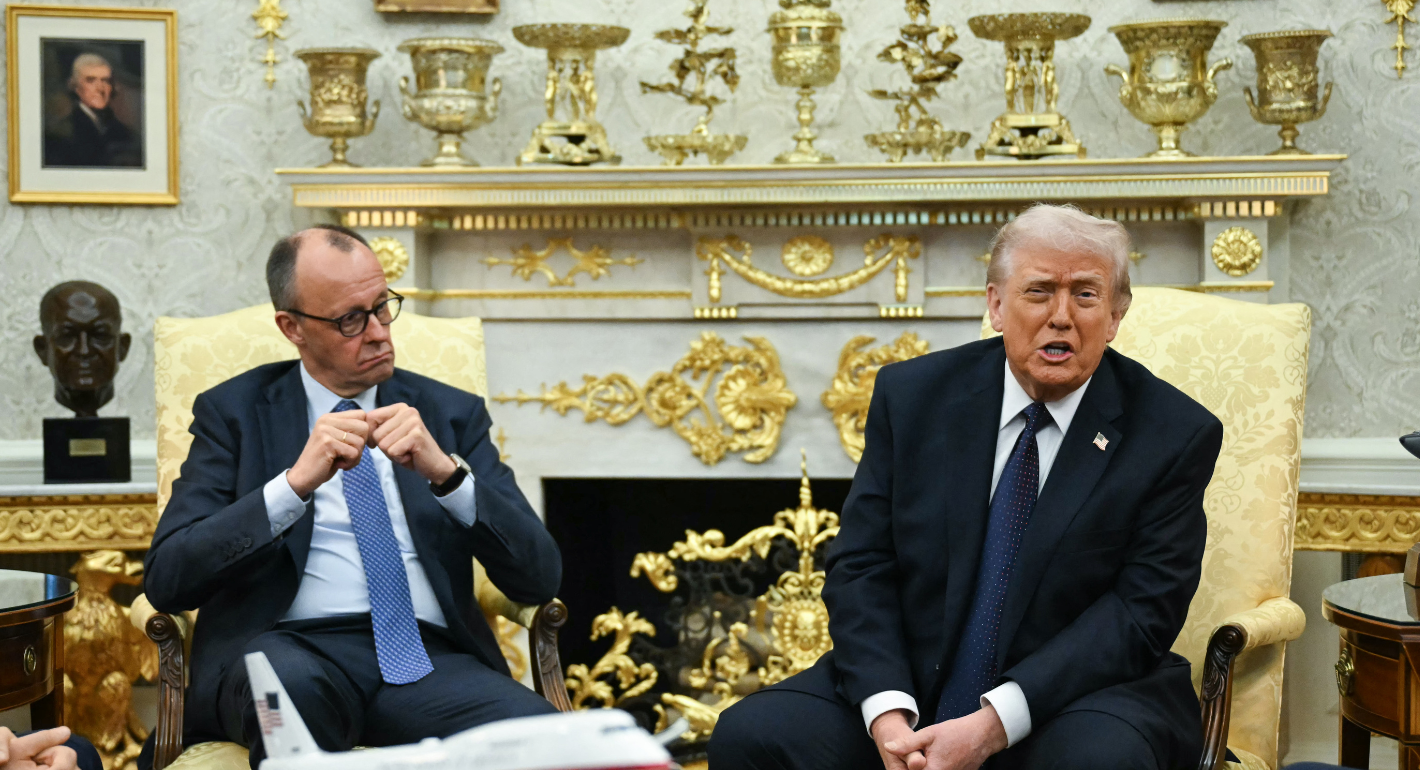
European reactions to the war in Iran have lost sight of wider political dynamics. The EU must position itself for the next phase of the crisis without giving up on its principles.

Richard Youngs
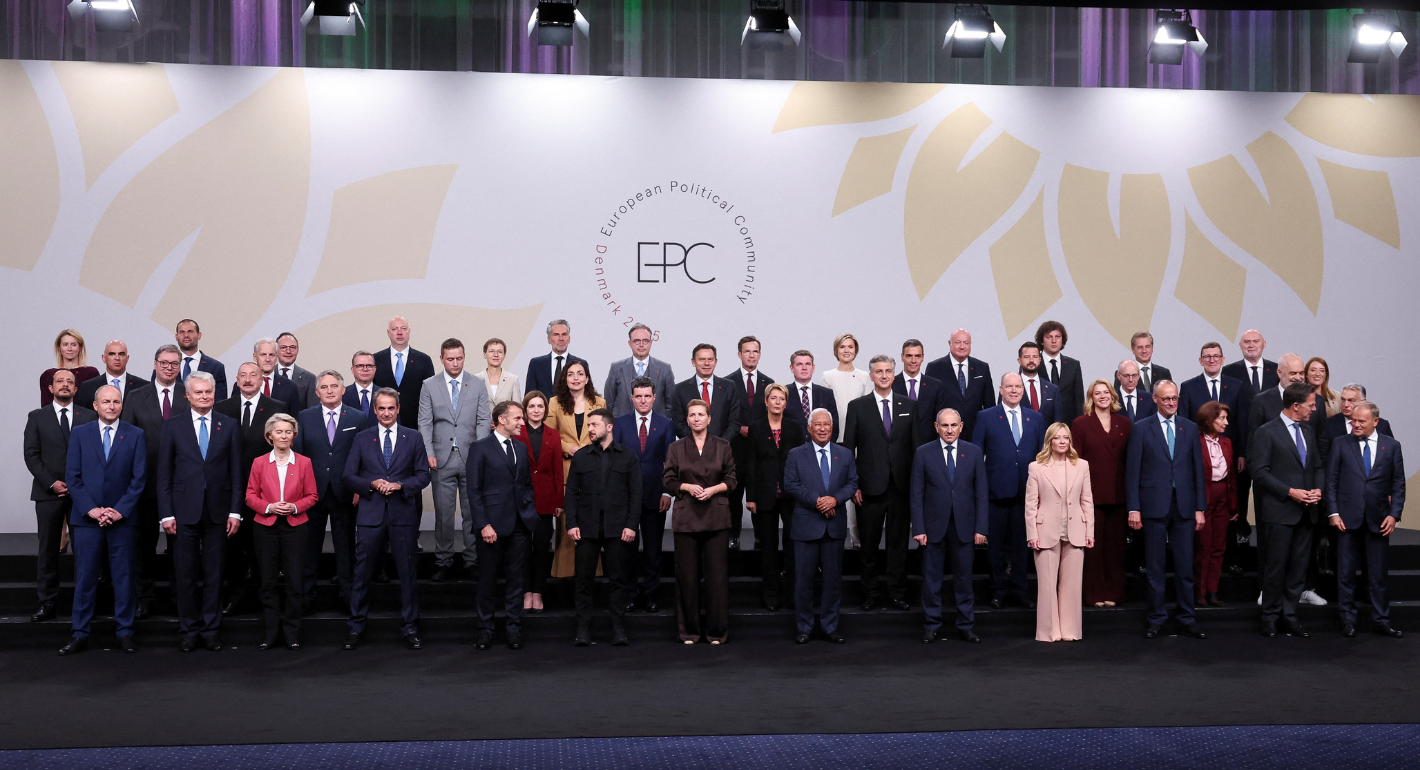
Europe isn’t as weak in the new geopolitics of power as many would believe. But to leverage its assets and claim a sphere of influence, Brussels must stop undercutting itself.

Dimitar Bechev
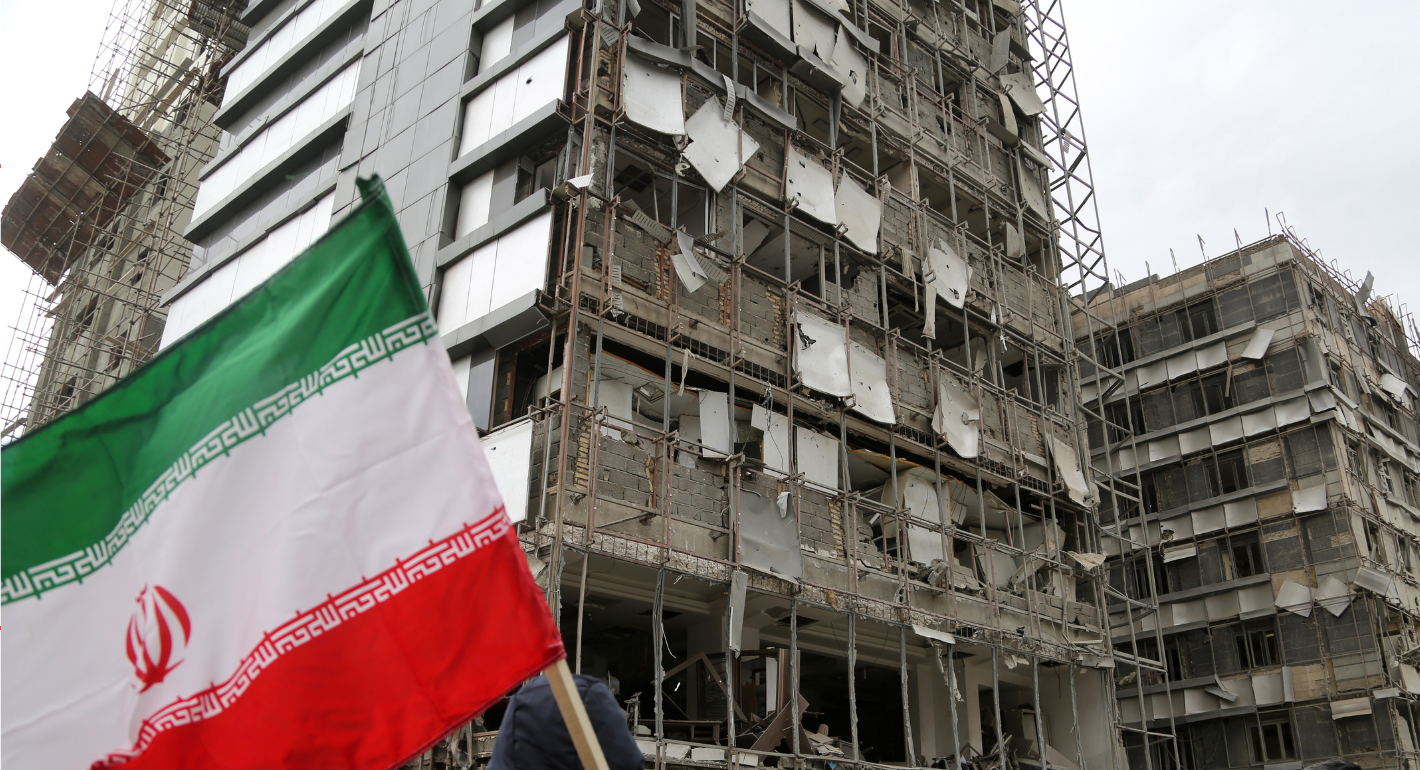
Europe’s reaction to the war in Iran has been disunited and meek, a far cry from its previously leading role in diplomacy with Tehran. To avoid being condemned to the sidelines while escalation continues, Brussels needs to stand up for international law.

Pierre Vimont
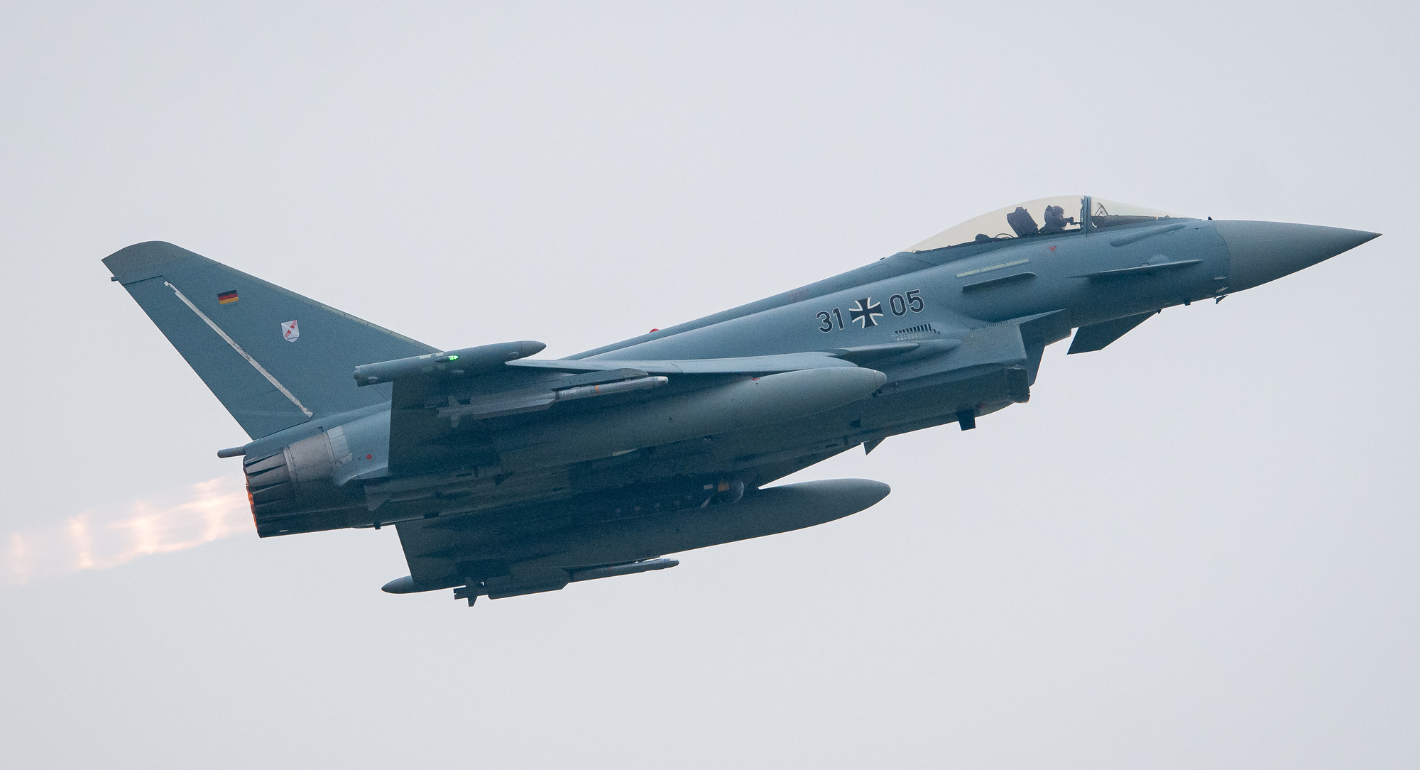
France and Germany’s failure to agree on the Future Combat Air System (FCAS) raises questions about European defense. Amid industrial rivalries and competing strategic cultures, what does the future of European military industrial projects look like?
Rym Momtaz, ed.