

Commentary
Nathalie Tocci, Jan Techau
{
  "authors": [
    "Jan Techau"
  ],
  "type": "commentary",
  "blog": "Strategic Europe",
  "centerAffiliationAll": "",
  "centers": [
    "Carnegie Endowment for International Peace",
    "Carnegie Europe"
  ],
  "collections": [],
  "englishNewsletterAll": "",
  "nonEnglishNewsletterAll": "",
  "primaryCenter": "Carnegie Europe",
  "programAffiliation": "",
  "programs": [],
  "projects": [],
  "regions": [
    "Eastern Europe",
    "Russia",
    "Ukraine",
    "Western Europe",
    "Europe"
  ],
  "topics": [
    "Foreign Policy",
    "EU"
  ]
}
Source: Getty
The EU has shown rare unity on Ukraine. That is not a triumph of values over interests, as some have claimed—it is a victory for long-term over short-term thinking.
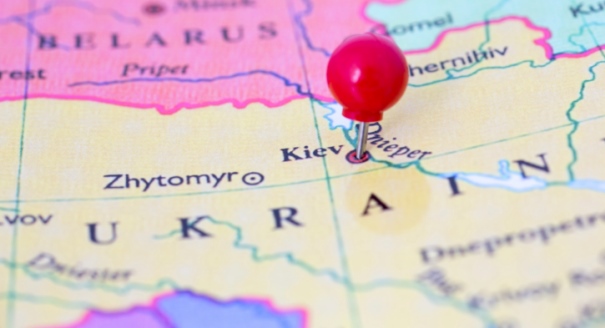
For many Russians, Ukraine is the mythical birthplace of the Russian nation. But is Ukraine also the birthplace of real EU foreign policy? Is the Ukraine crisis the catalyst that will finally produce a strategic Europe?
There is reason to be skeptical. Too many grave mistakes have been made and, clearly, this episode is far from over. And yet, one remarkable development gives cause for hope. There are signs that EU member states are a little more willing than in the past to prioritize long-term interests over short-term ones. And that is exactly what a strategic approach to foreign policy—as opposed to a merely tactical one—is all about.
In the EU, the definition of strategic foreign policy is simple: thinking together and for the long term. Normally, strategy is absent from EU foreign policy. The default modus operandi is that nations don’t think together at all. National positions prevail over common ones.
In exceptional situations, EU states manage to think together, but only for the short term. And in extremely rare cases, they manage to think together and for the long term—like now, on Ukraine. That’s when strategy becomes possible.
The EU’s position in managing the Ukraine crisis is weak. A military solution is unthinkable and impossible. Both big and small European states are dependent on Russian energy supplies or benefit greatly from Russian money in their financial institutions. Fears of war and a lack of confidence make people susceptible to a spirit of appeasement. Considerable portions of Western political elites and publics alike understand or openly sympathize with the Russian cause. Many people ask what business the West has in Ukraine in the first place.Against this backdrop, it is immensely difficult to formulate a cohesive foreign policy position. It is even more difficult to create one that is robust and that will last longer than it takes to read it out.
Given these odds, the EU’s performance since the Ukraine crisis went hot in early March has been relatively good. The EU created a common position, engaged in intensive diplomacy with Russia, and backed up its demands with a three-step sanctions regime. It then implemented two of these steps, dedicated significant relief funds to avoid Ukraine going bankrupt, and even managed to keep all 28 member states in support of these measures.
How did the EU achieve this cohesion? The answer lies in the fact that the gravity of the situation led enough member states to recalibrate their cost-benefit calculations.
Of course, nobody wanted to lose valuable Russian business. Those states with good diplomatic relations with Moscow were not eager to put them at risk. And yet it became clear to all 28 that the predictable short-term losses incurred by tougher sanctions were much smaller than the potential long-term costs of a changed Eurasian security landscape.
In essence, the EU’s unity on Ukraine was not a triumph of values over interests, as some observers have claimed. It was a victory for long-term over short-term thinking.
Nowhere was this long-term perspective clearer than in Germany. It became obvious that a qualitatively new type of policy was emerging when Angela Merkel, in language hitherto unheard from the famously cautious German chancellor, declared that Germany could tolerate the costs that EU sanctions against Moscow would likely inflict on the country’s own economy.
That message was not only aimed at Russian President Vladimir Putin and his allies in Russia’s state-owned companies. Merkel’s words were also targeted just as directly toward the German business community, an influential and well-organized pro-Russian bunch that had dutifully warned against taking a tougher stance on the Kremlin.
Observers rubbed their eyes. Merkel had made the switch. Where once short-term interests had reigned supreme, long-term considerations now informed decisionmaking. That was an enormously important sign for the rest of the EU. France and Britain, equally reluctant to annoy Putin, came on board. So did some smaller states in southeast Europe that are even more dependent on Russia.
No one knows how long the EU’s unity on Ukraine can last, or whether it will crumble the moment the EU has to consider imposing the third step of its sanctions plan, which would entail serious economic and financial measures potentially harmful to Europeans themselves.
But for the EU to uphold its position for two full weeks is no small achievement, especially by the low standards of EU foreign policy. And it is even more impressive that all of this was done without brutal pressure from the United States—unlike in the case of sanctions against Iran.
Ukraine is the first real strategic test of EU foreign policy. Never before has the EU been forced to operate on the high seas of crisis management, on a potentially existential question, and without a process to guide it or the United States to cajole it.
It is possible that the EU will fail disastrously on Ukraine. It is perhaps even likely, given the odds. But at least the EU has shown that it is not impossible to do strategy with 28 member states. That experience cannot easily be undone.
Now, the EU must realize its enormous potential and run with it. Then, the Ukraine crisis, regardless of its outcome, could well be the start of something bigger than anyone has dared hope for.
Director, Europe Team, Eurasia Group
Techau is director with Eurasia Group's Europe team, covering Germany and European security from Berlin. Previously, he was director of Carnegie Europe.
Recent Work

Nathalie Tocci, Jan Techau
Jan Techau
Carnegie does not take institutional positions on public policy issues; the views represented herein are those of the author(s) and do not necessarily reflect the views of Carnegie, its staff, or its trustees.
Europe’s reaction to the war in Iran has been disunited and meek, a far cry from its previously leading role in diplomacy with Tehran. To avoid being condemned to the sidelines while escalation continues, Brussels needs to stand up for international law.

Pierre Vimont
France and Germany’s failure to agree on the Future Combat Air System (FCAS) raises questions about European defense. Amid industrial rivalries and competing strategic cultures, what does the future of European military industrial projects look like?

Rym Momtaz, ed.
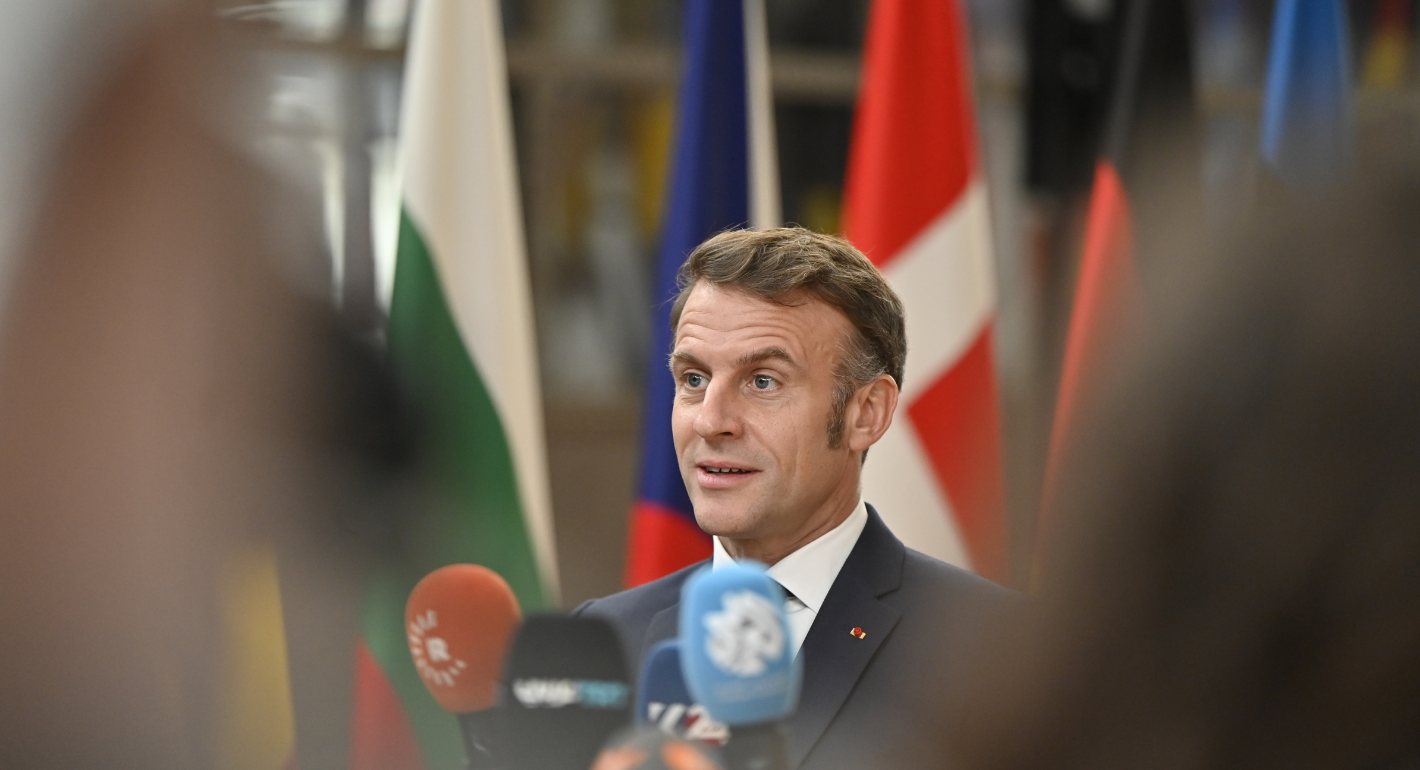
France has stopped clinging to notions of being a great power and is embracing the middle power moment. But Emmanuel Macron has his work cut out if he is to secure his country’s global standing before his term in office ends.
Rym Momtaz
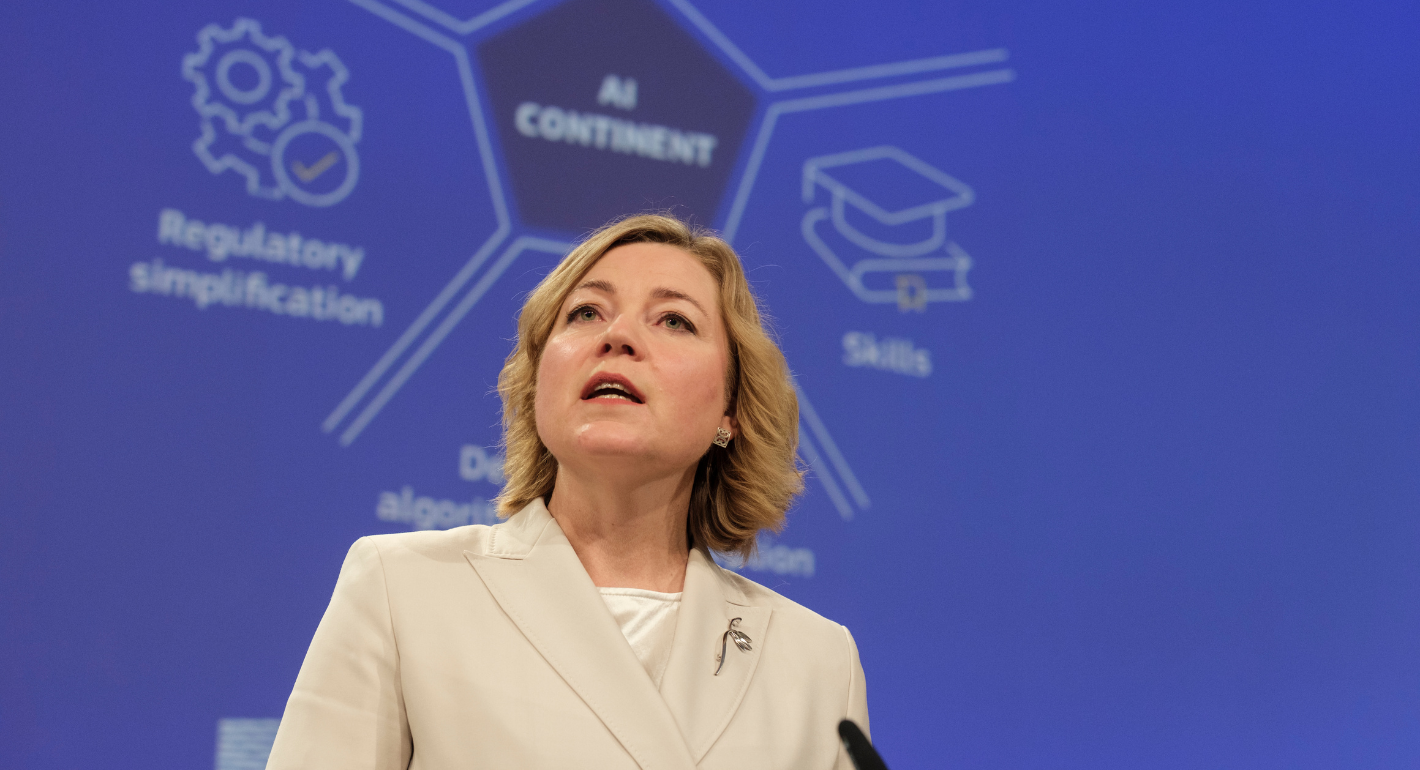
Integrating AI into the workplace will increase job insecurity, fundamentally reshaping labor markets. To anticipate and manage this transition, the EU must build public trust, provide training infrastructures, and establish social protections.
Amanda Coakley
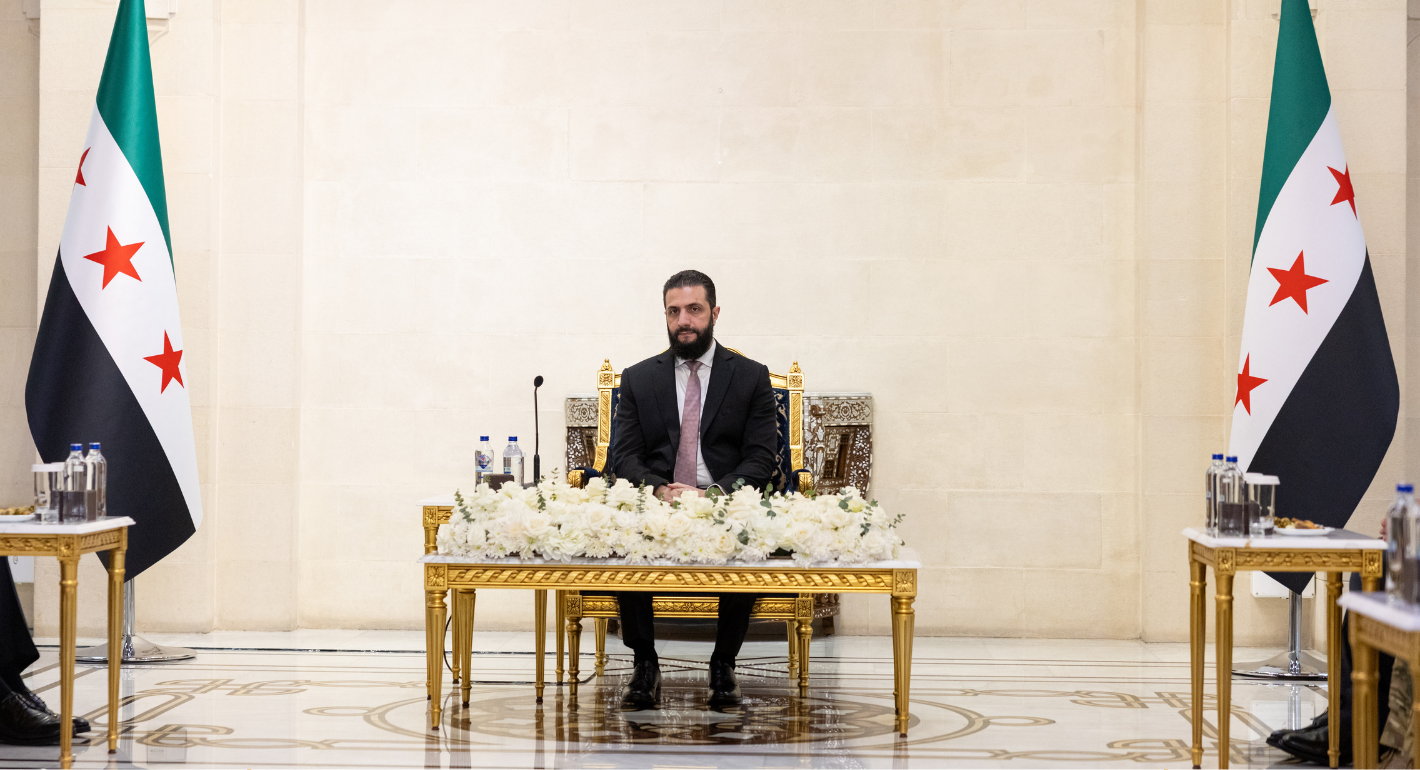
Europe’s interests in Syria extend beyond migration management, yet the EU trails behind other players in the country’s post-Assad reconstruction. To boost its influence in Damascus, the union must upgrade its commitment to ensuring regional stability.

Bianka Speidl, Hanga Horváth-Sántha