

Commentary
There is an elephant in the room when it comes to the EU’s upcoming security strategy: Donald Trump. Unless European leaders acknowledge the depth of the transatlantic crisis, true autonomy will remain out of reach.
Stefan Lehne
{
  "authors": [
    "Karolina Wigura"
  ],
  "type": "commentary",
  "blog": "Strategic Europe",
  "centerAffiliationAll": "",
  "centers": [
    "Carnegie Endowment for International Peace",
    "Carnegie Europe"
  ],
  "collections": [
    "Europe’s Eastern Neighborhood"
  ],
  "englishNewsletterAll": "",
  "nonEnglishNewsletterAll": "",
  "primaryCenter": "Carnegie Europe",
  "programAffiliation": "",
  "programs": [],
  "projects": [],
  "regions": [
    "Europe",
    "Eastern Europe"
  ],
  "topics": [
    "Security"
  ]
}
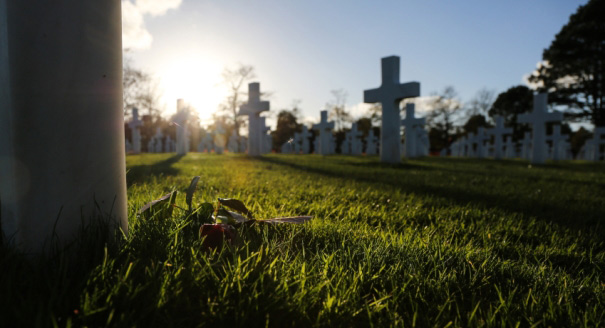
Source: Getty
The death of Wladyslaw Bartoszewski is a step toward the loss of a direct link with the culture of memory that for decades was Europe’s reference point.
It is not easy to add something new to the beautiful words that people from different ideological backgrounds have uttered about Władysław Bartoszewski since his death on April 24. At most, one can subscribe to them. But not many have recognized that the former Polish foreign minister’s passing has a profound symbolic meaning that should not be underestimated.
Bartoszewski, a well-known and respected figure not only in Poland but also outside its borders, was one of the biggest authorities on World War II. Working on international dialogue, he showed a lot of bigheartedness toward his adversaries, regardless of whether they were Germans, Ukrainians, Jews, or of other backgrounds. But on another level, he had confidence in his own moral judgments—and the courage to express them.
These features were of course linked to his personal character and political talent. But they were also distinctive for his generation: a generation that was mature enough during World War II to remember the conflict consciously. The memory of those who witnessed the events of 1939–1945—not only Bartoszewski but also, for example, Polish political and social activist Marek Edelman and many others—is different from that of their children and grandchildren.
As research on people of different ages has confirmed many times, witnesses, or the so-called first generation, are more disposed to nuance their judgments of events. They are also less inclined to generalize and less radical than the second and third generations.
In a symbolic sense, the death of Bartoszewski is therefore the next step on the road to the loss of a direct link with the culture of memory that for decades has been the reference point for a united Europe. This culture of memory had two basic elements: first, criticism of the past and fear of any ideological blindness; and second, attempts to come to terms with the past through public acts of forgiveness and repentance. Bartoszewski often participated in those acts.
Initially, the issues of guilt and forgiveness were raised only in the context of German history—a country that historian Dan Diner called the heart of the history of the twentieth century. With the passing years, though, those dimensions have also become present in other Western European countries. This critical tone played a significant role in Poland, too, especially after 1989, when the country aspired to become a part of the European culture of memory.
The loss of a direct link with the memory of witnesses has at least two remarkable consequences.
First, after the loss of all members of Bartoszewski’s generation, it will be much more difficult to come up with nuanced evaluations of history. And those are very important: such unfortunate incidents as the recent suggestion by FBI Director James Comey that Poles as a nation were accomplices in the Holocaust or the use by U.S. toy maker Mattel of the term “Nazi Poland” in a card game have caused not only fully justifiable diplomatic reactions but also a kind of national moral panic in Poland.
It is difficult for the postwar generations to act differently, as they do not have their own memories and judgments of World War II and its consequences. Neither their transferred memories of past events nor their strong conviction that the memory of the war is the foundation of European, or maybe even Western, culture can help them nuance their reactions.
Second, once all witnesses pass away, all that will remain are the many written and recorded—but not dialogic—reports of the past. Irrespective of the noble intentions of those who prepared and stored them, these sources are incapable of replacing real people. They will not make up for genuine conversations, the emotions and gesticulations of the speakers, and the simple possibility of asking another question.
In this way, Europe moves toward an unknown and at the same unavoidable future that will eventually part with the memory that forms the basis of today’s Europe. It is very difficult to say what consequences that split will have for the culture that Europe has created over the last seventy years.
This shift brings a lot of anxiety. The empty space left after the loss of the dominant role of European collective memory is already being colonized—for example by dangerous narratives driven by a populist fear of the other and an anti-immigrant vision of a nonpluralist Europe. The perilous meddling with collective memory seen in recent months with Russian President Vladimir Putin’s propaganda would not have been possible if Europeans had retained greater certainty of what constitutes the European house of memory.
For all these reasons, we will miss you so much, Professor Bartoszewski.
Karolina Wigura, a political philosopher and author, is head of the political section of Kultura Liberalna and assistant professor at the University of Warsaw.
Translated from Polish by Michał Matlak.
Karolina Wigura
Carnegie does not take institutional positions on public policy issues; the views represented herein are those of the author(s) and do not necessarily reflect the views of Carnegie, its staff, or its trustees.
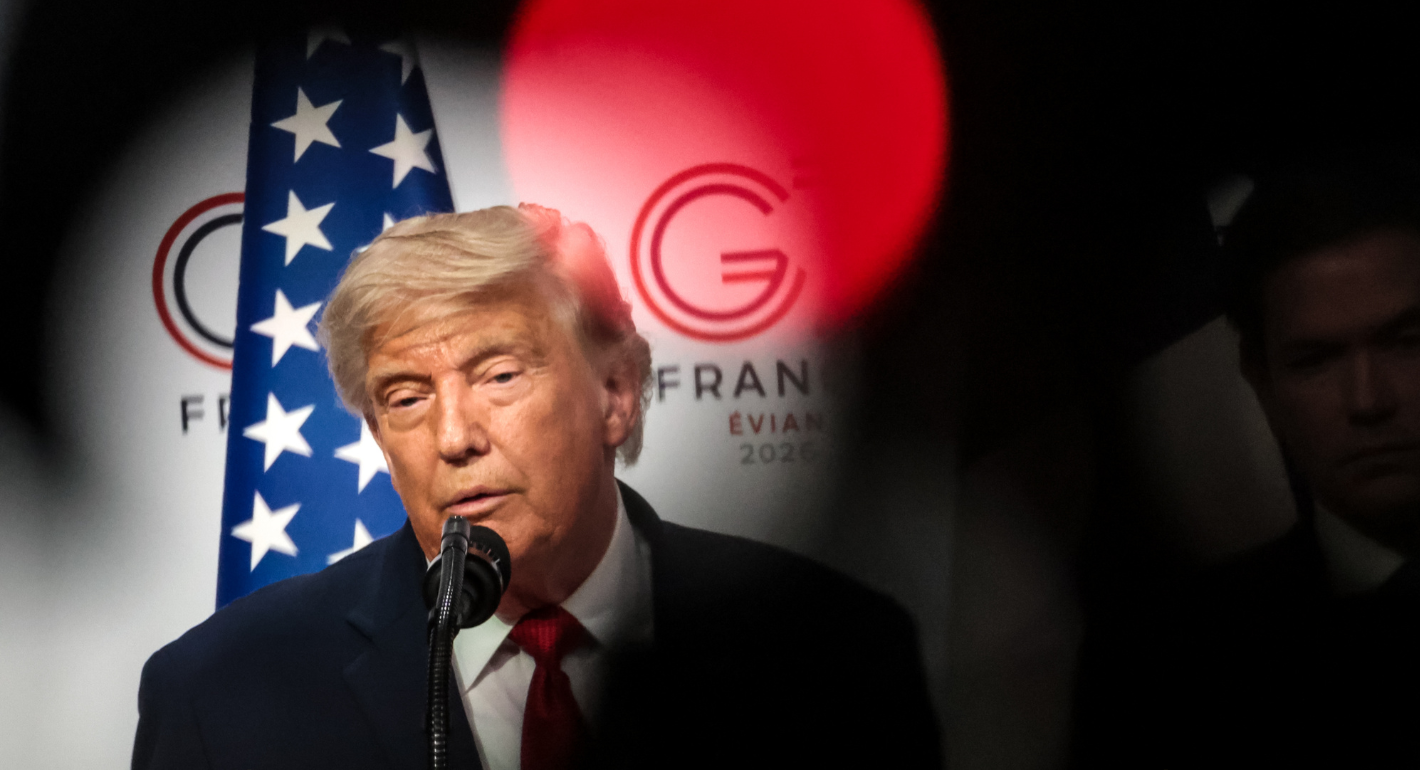
There is an elephant in the room when it comes to the EU’s upcoming security strategy: Donald Trump. Unless European leaders acknowledge the depth of the transatlantic crisis, true autonomy will remain out of reach.

Stefan Lehne
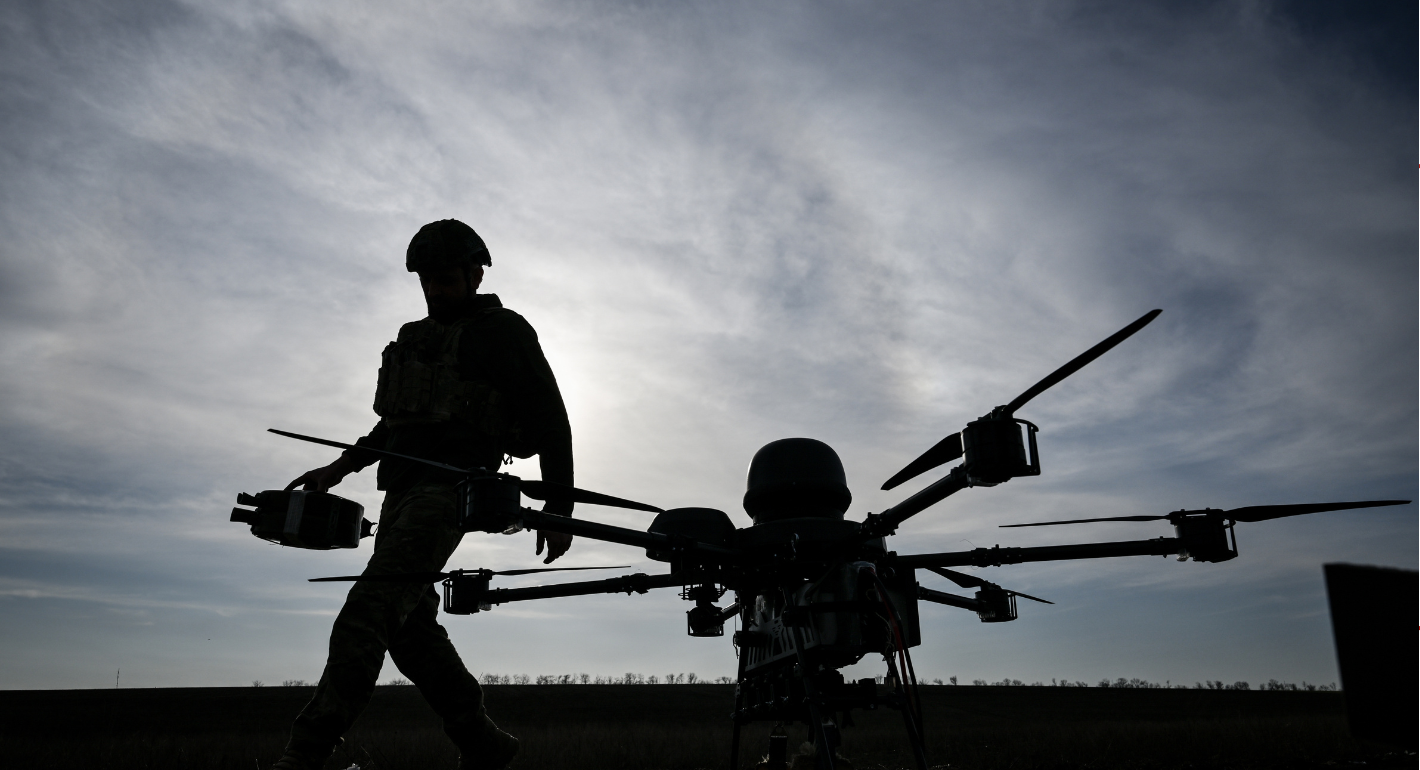
Defense tech innovations will be at the heart of Europe’s new security strategy. But so far, Brussels has been making moves without a broader plan, undermining readiness and credibility.

Raluca Csernatoni

When the U.S.-Iran memorandum of understanding was announced, the UK, France, Germany, and Italy declared their readiness to help demine the Strait of Hormuz and lift nuclear sanctions on Tehran. But does Europe need new tools to recover a diplomatic role?

Rym Momtaz, ed.
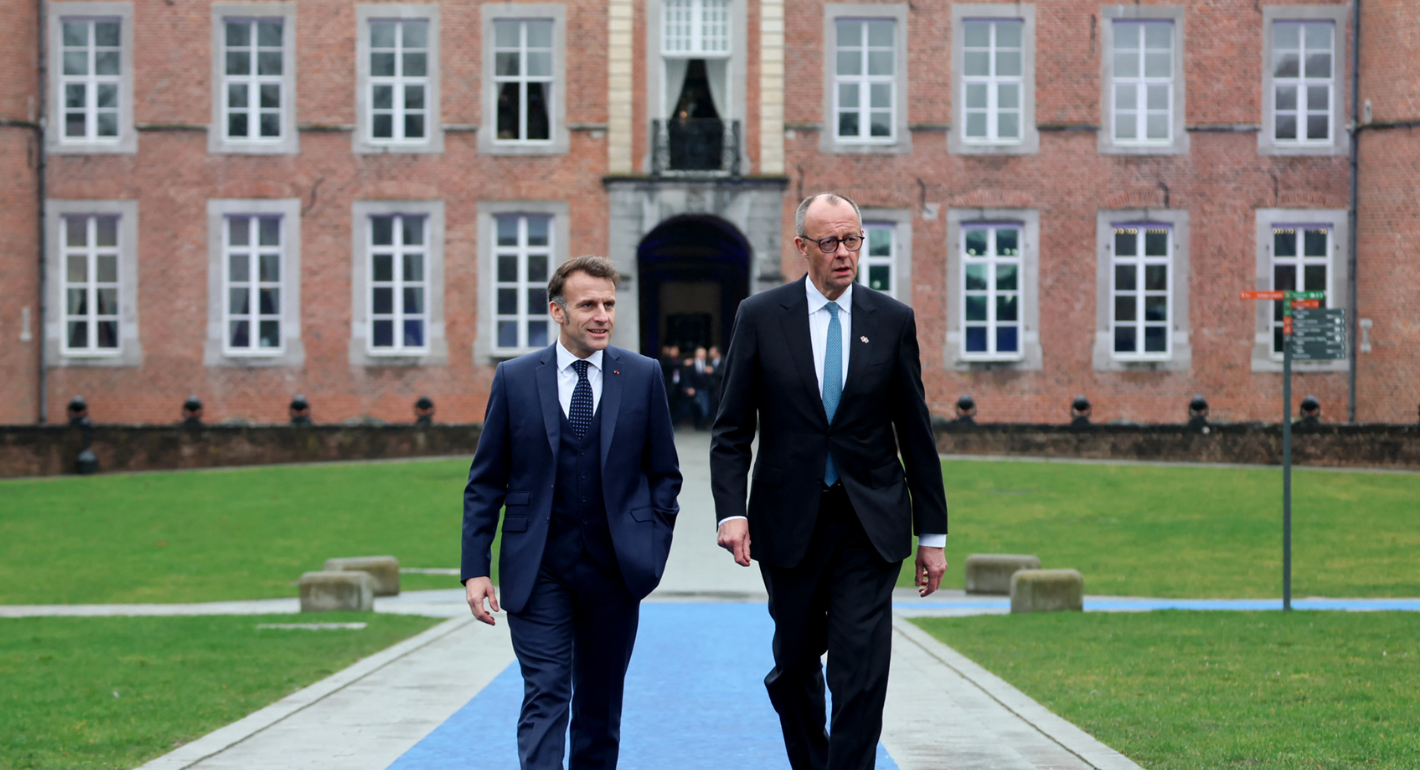
The Franco-German relationship is on the rocks again. But unlike previous moments of tension, the epochal changes on the world stage require that both step up investment in their bilateral ties.
Rym Momtaz
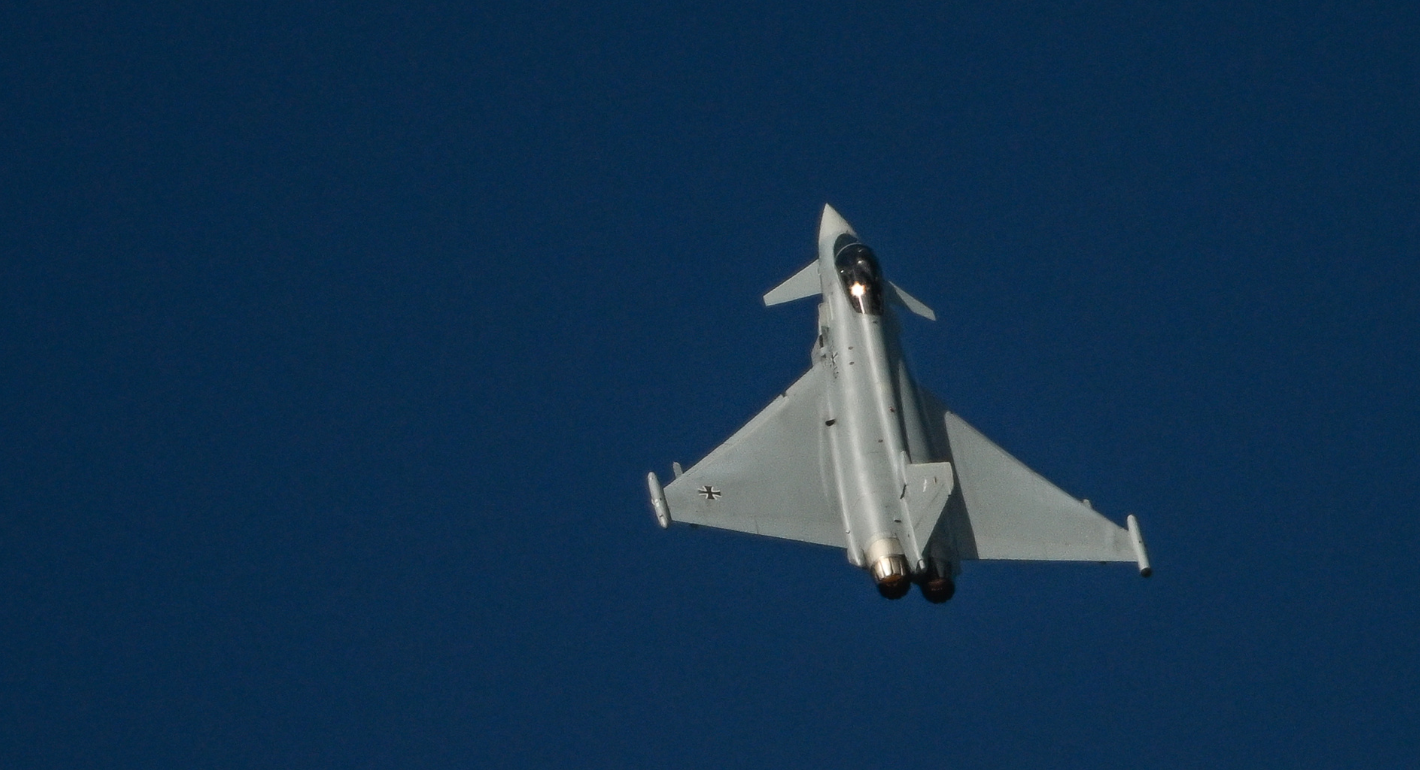
The EU is putting together a new security strategy to meet today’s myriad challenges. But for any proposal to be effective, the union needs to grapple with its identity and ambitions.

Pierre Vimont