

Commentary
Richard Youngs
{
  "authors": [
    "Richard Youngs"
  ],
  "type": "commentary",
  "blog": "Strategic Europe",
  "centerAffiliationAll": "",
  "centers": [
    "Carnegie Endowment for International Peace",
    "Carnegie Europe",
    "Carnegie Russia Eurasia Center"
  ],
  "collections": [
    "Europe’s Eastern Neighborhood"
  ],
  "englishNewsletterAll": "",
  "nonEnglishNewsletterAll": "",
  "primaryCenter": "Carnegie Europe",
  "programAffiliation": "",
  "programs": [],
  "projects": [],
  "regions": [
    "Russia",
    "Europe",
    "Eastern Europe",
    "Caucasus",
    "Armenia",
    "Western Europe"
  ],
  "topics": [
    "Foreign Policy",
    "EU"
  ]
}

Source: Getty
The case of Armenia shows the EU’s willingness to adjust its basic neighborhood model. But this adjustment alone does not solve the EU’s most important challenges.
Numerous policy papers and official documents now state that the current review of the European Neighborhood Policy must deliver policies that are flexible, more demand-driven, less bound to EU institutional templates, and more selective in their priorities.
Largely unnoticed, in Armenia the EU is already trying to implement these principles. Its attempt to do so demonstrates that the ritually stated new principles of flexibility and local responsiveness do not in themselves resolve the EU’s most important policy challenges. Indeed, they open another level of difficult tactical dilemmas.
The EU’s current Eastern crisis started in Armenia. After more than three years of negotiations, on September 3, 2013, Armenia pulled out of its just-concluded Association Agreement with the EU. Instead, Yerevan joined the Moscow-led Eurasian Economic Union (EEU).
The EU invited Armenia to identify those elements of the Association Agreement in which it is still interested and that are compatible with the country’s EEU commitment. The EU has accepted this tailor-made and demand-driven route toward drawing up a replacement agreement.
The EU’s stated aim is to help Armenia retain a degree of multivector pluralism in its foreign relations. Armenia is seen as a kind of experimental gateway between the EEU and the Eastern Partnership (the Eastern dimension of the European Neighborhood Policy).
Instead of punishing Armenia for choosing a partnership with Russia, the EU is—in principle—offering cooperation around a set of priorities chosen by Armenia. The difference with a vengeful Russia is perhaps nowhere clearer. In the country that provoked the first big shock for the Eastern Partnership, diplomats are now remarkably sanguine about the EU’s strategic positioning.
#Armenia is seen as a kind of experimental gateway between the #EEU and the Eastern Partnership.Tweet This
However, the way ahead is unlikely to be smooth. The EU might espouse demand-driven flexibility in its new approach to the Eastern Partnership, but this does not prevent the union from getting caught up in some very tense domestic politics in places like Armenia.
The Armenian government seeks pragmatic areas of EU funding from the new agreement and some areas of technical alignment. Government officials in Yerevan are once again keener on some kind of economic agreement with the EU, in part because Russia’s financial troubles have had a serious impact on the Armenian economy.
In contrast, civil society leaders argue that the replacement agreement represents an opportunity for the EU to make democracy support its niche priority in Armenia.
The EU has been admirably inclusive in consulting with Armenian civil society organizations over the new agreement. But with the union having only just finished a preparatory scoping exercise to look at what could feasibly be included in the agreement, many civil society organizations criticize the EU for moving extremely slowly.
The texts of the original accord were, after all, finalized two years ago, and it should be possible simply to take out the free trade elements and move ahead with the new package. Civil society leaders in Yerevan suspect that the Russia factor is once again holding several member states (and, indeed, Armenia) back.
Civil society organizations want a new agreement, but they also urge the EU not to overlook Armenia’s worsening political conditions. Since January 2015, a political crisis has rocked the country. The government effectively decimated one of the main political parties, weakening a potential counterweight to executive power. Constitutional reforms are stalled. Civic protests have grown in strength over the last year. The government is planning a restrictive new NGO law, and executive control over the media and judiciary has tightened—all concerns noted in the EU’s latest progress report on Armenia released on March 25.
NGOs berate the EU for doing relatively little to keep democracy moving in the right direction in Armenia. One factor in this may be that most opposition parties are more nationalistic and pro-Russian than the current government.
So, the strategic dilemma remains which kind of more flexible and tailored agreement the EU will favor.
Will the union indulge Armenian President Serzh Sargsyan’s creeping soft authoritarianism? The standard view is now that the EU needs to be lighter in its use of conditionality. But should the EU really abandon the use of conditionality altogether in a country in which democracy is clearly moving backward?
Conversely, if the EU seeks a more political agreement, what is the incentive for the Armenian government to accept this? Without the free trade elements of the Association Agreement, one wonders what leverage the EU will have over political and security questions.
A new accord will be valuable but will not in itself significantly reinforce the EU’s political influence. This will require member states to invest more political weight through their diplomacy in Armenia, by engaging directly on high-level security issues rather than subcontracting out the lead role to a watered-down EU agreement.
In particular, the replacement agreement is unlikely to give the EU any role in Armenia’s security dynamics. And this matters, because the security context looks increasingly precarious.
The ceasefire on the line of contact around the disputed region of Nagorny-Karabakh has been shaken over the last nine months, with Azerbaijan reminding the Armenians that this is not a frozen conflict. And in the centennial year of the 1915 Armenian Genocide, relations with Turkey have worsened to a new low point.
All this has made Armenia cling more tightly to its strategic relationship with Russia as the main provider of security guarantees. The EU and its member states are still reluctant to engage in military support to offset this dependency.
The case of #Armenia shows the #EU’s willingness to be flexible.Tweet This
In sum, the case of Armenia shows the EU’s willingness to be flexible and adjust its standard neighborhood model. But it also shows how this incipient adjustment does not in itself solve the problem of how the EU can and should fashion a more effective geostrategic identity in its East.
The author thanks the German Marshall Fund of the United States and the Robert Bosch Stiftung for including him in their study tour to Armenia on March 9–13, 2015.

Senior Fellow, Democracy, Conflict, and Governance Program
Richard Youngs is a senior fellow in the Democracy, Conflict, and Governance Program, based at Carnegie Europe. He works on EU foreign policy and on issues of international democracy.
Recent Work
Richard Youngs


Richard Youngs, ed., Elena Viudes Egea, Zselyke Csaky, …
Carnegie does not take institutional positions on public policy issues; the views represented herein are those of the author(s) and do not necessarily reflect the views of Carnegie, its staff, or its trustees.
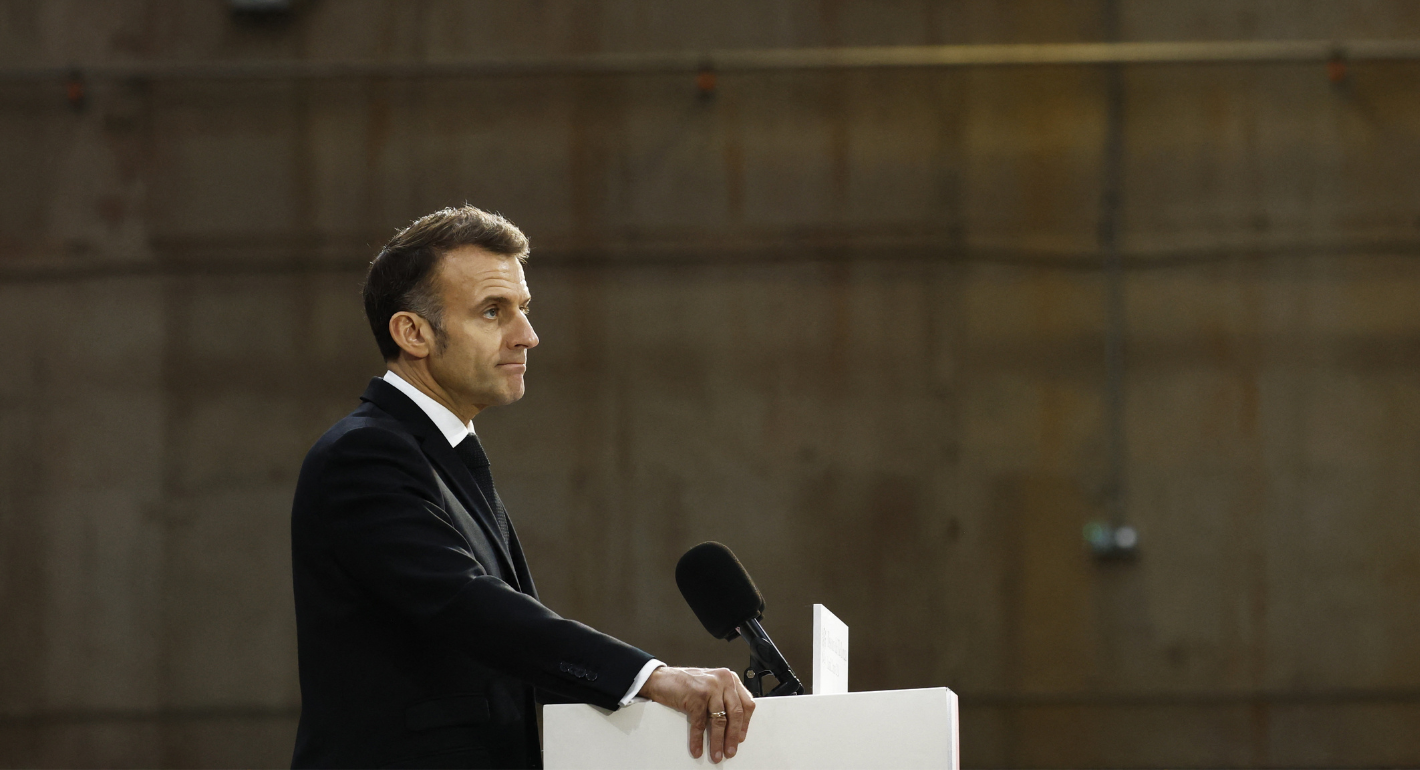
French President Emmanuel Macron has unveiled his country’s new nuclear doctrine. Are the changes he has made enough to reassure France’s European partners in the current geopolitical context?

Rym Momtaz, ed.
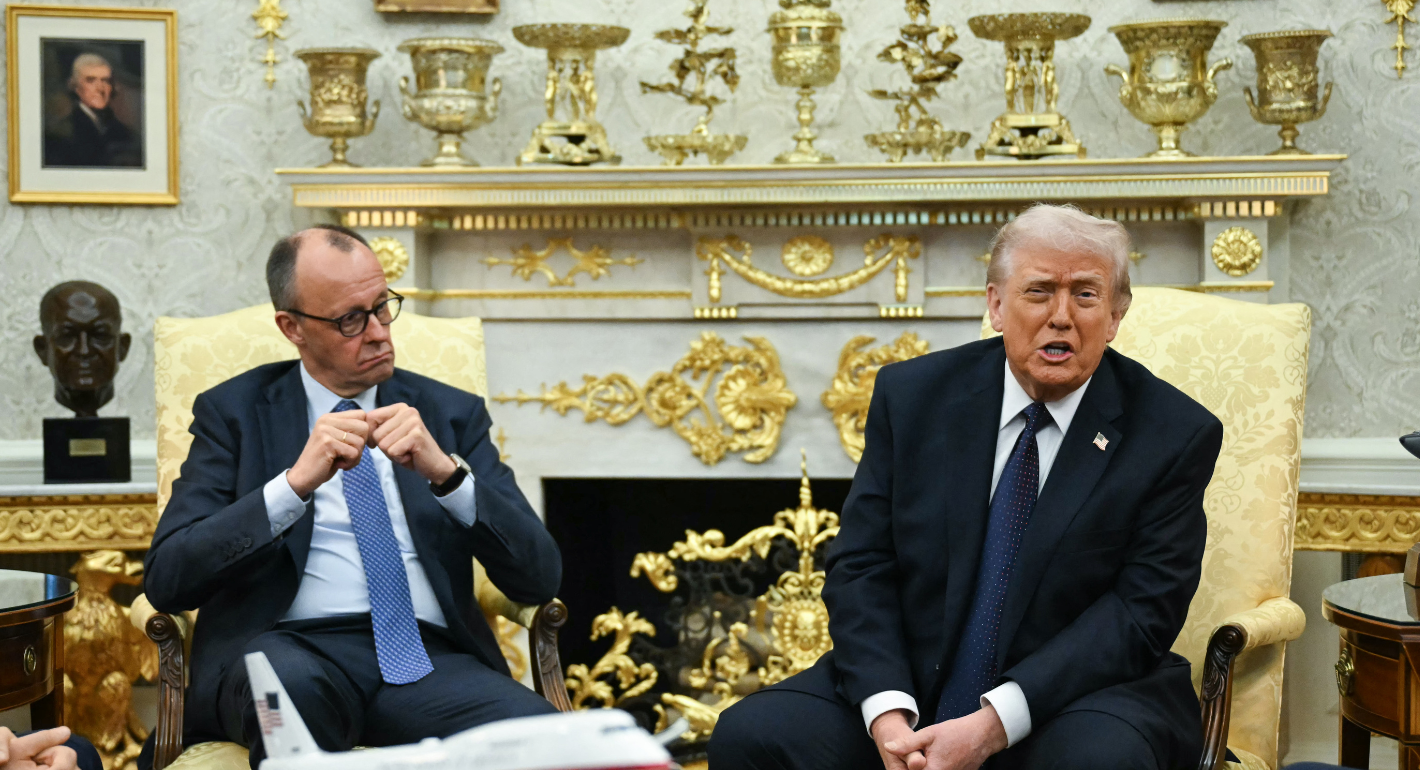
European reactions to the war in Iran have lost sight of wider political dynamics. The EU must position itself for the next phase of the crisis without giving up on its principles.
Richard Youngs
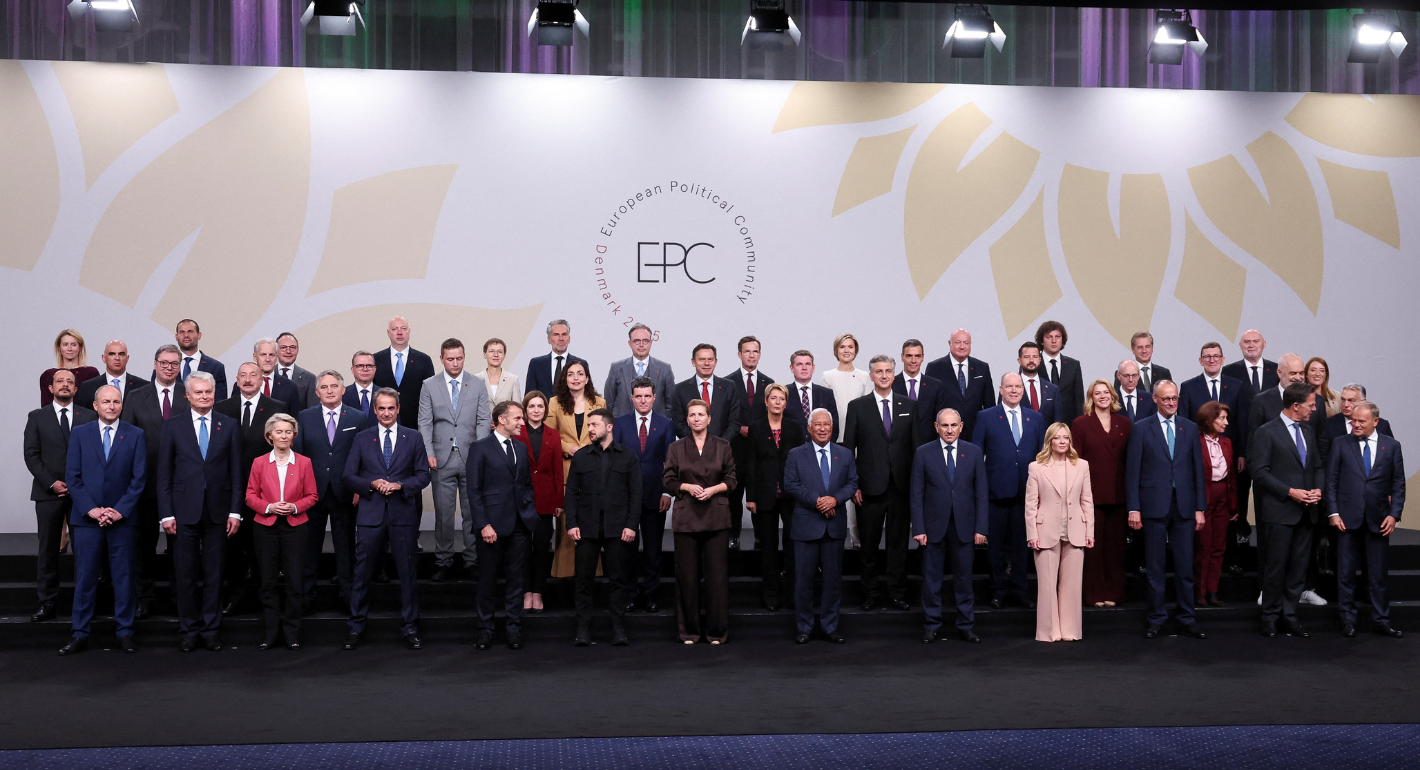
Europe isn’t as weak in the new geopolitics of power as many would believe. But to leverage its assets and claim a sphere of influence, Brussels must stop undercutting itself.

Dimitar Bechev
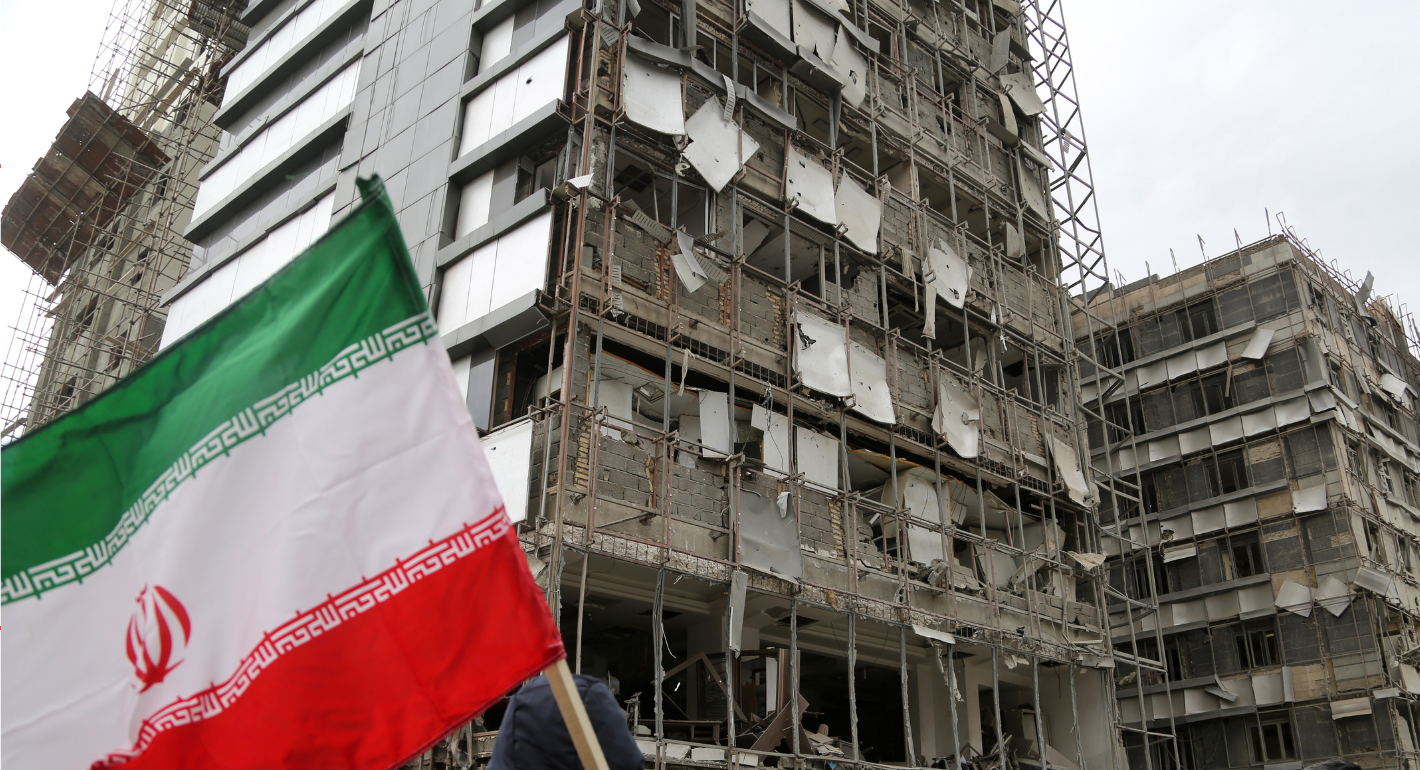
Europe’s reaction to the war in Iran has been disunited and meek, a far cry from its previously leading role in diplomacy with Tehran. To avoid being condemned to the sidelines while escalation continues, Brussels needs to stand up for international law.

Pierre Vimont
France and Germany’s failure to agree on the Future Combat Air System (FCAS) raises questions about European defense. Amid industrial rivalries and competing strategic cultures, what does the future of European military industrial projects look like?
Rym Momtaz, ed.