

Commentary
Judy Dempsey
{
  "authors": [
    "Judy Dempsey"
  ],
  "type": "commentary",
  "blog": "Strategic Europe",
  "centerAffiliationAll": "",
  "centers": [
    "Carnegie Endowment for International Peace",
    "Carnegie Europe"
  ],
  "collections": [],
  "englishNewsletterAll": "",
  "nonEnglishNewsletterAll": "",
  "primaryCenter": "Carnegie Europe",
  "programAffiliation": "",
  "programs": [],
  "projects": [],
  "regions": [
    "Europe",
    "Western Europe",
    "France"
  ],
  "topics": [
    "EU",
    "Security",
    "Civil Society"
  ]
}

Source: Getty
The murder of many civilians in Paris must not erode Europe’s open society.
Europe has to choose. The murder of 129 people during six separate terrorist attacks in Paris on November 13 is forcing governments across Europe to consider how to deal with the so-called Islamic State.
At stake is how to strike a balance between the open society and the defense of citizens. It will require steady nerves from all European governments not to bow to populist, Euroskeptic, and anti-Muslim movements that wish to batten down the hatches. This is precisely what the followers of the anti-Western Islamic State want.
France knows all about hard power. It joined the United States in bombing Islamic State sites in Syria and Iraq. The Islamic State retaliated by taking its war against the West to the streets of Paris. French President François Hollande, who described the attacks as “an act of war,” did not hesitate on November 15 to order heavy air strikes against Islamic State positions in Syria.
But other European Union countries, notably Germany, will shy away from joining the military coalition, even though they despise the Islamic State and everything it stands for. These countries fear the repercussions on their own citizens. But why should France bear the brunt?
Many European countries are not convinced that bombing is the solution. They see what the U.S.-led invasion of Iraq and the NATO missions in Afghanistan and Libya brought in their wake. There was no consideration for the day after the operations ended, just as there isn’t today.
France had also become heavily engaged in the Sahel in a bid to stop the spread of Islamic fundamentalism and terrorism from reaching the shores of Europe. Having garnered so little—if any—support from other EU countries, Paris is paying the price for that effort too.
And when Russia began its own cynical military campaign in Syria to prop up Syrian President Bashar al-Assad by targeting the opposition and not primarily Islamic State targets, the militant group brought down a Russian civilian airliner over Sinai on October 31. All 224 people on board were killed.
European governments also have to admit that their non-engagement policy in Syria has failed. For over four years, the United States and Europe have watched the descent of Syria into a living hell as Assad’s forces, backed by Russia and Iran, pounded an opposition that became fragmented and created a vacuum exploited by the Islamic State.
If intervention in Iraq and Libya didn’t work, then non-intervention in Syria didn’t work either. Both policies had the effect of breeding homegrown Islamic State terrorist cells in several European countries. That is Europe’s biggest threat today: the threat from within.
Scapegoats for the Paris attacks are now being sought. Conservative politicians in German Chancellor Angela Merkel’s government who never liked her open-door policy toward the refugees fleeing the wars in Syria and Iraq are trying to link the terrorist attacks in Paris to the refugee crisis. Merkel is standing firm.
Poland’s new right-wing government is shamefully using the attacks in Paris to implicitly blame refugees for the attacks. Warsaw has now found an excuse not to accept refugees.
But perhaps Poland and other EU countries opposed to protecting refugees need to be reminded that these people are fleeing the very violence and horror that was thrust on French citizens and others on November 13. Jean-Claude Juncker, the president of the European Commission, was right to tell these governments not to equate refugees with murderers.
Nevertheless, populist and anti-Muslim parties that oppose immigration are poised to make hay out of the tragedies in Paris. The reflex will be to throw up walls inside Europe and on the EU’s external borders. The reflex will be to clamp down on freedoms and values.
Yes, it is the overriding duty of governments to protect their citizens. But if that means using fear, revenge, and weaker democratic accountability that would lead to witch hunts against refugees and Muslim communities, then the struggle against Islamic State, which wants to destroy what the West stands for, will be lost.
Seventy years ago, Austrian-British philosopher Karl Popper wrote his monumental The Open Society and Its Enemies. It is a powerful analysis of the forces that abet totalitarianism and fascism. It is also a powerful defense of Western liberal democracies, which by their very nature are open.
This is the crossroads Europe has reached: Will Europe bow to the enemy from within by disowning its open society, or will it defend what the West represents—values and institutions based on the tolerance and freedoms needed to keep European societies open?
The West can prevail. European governments and the EU can take many measures to protect their citizens, borders, and critical infrastructure. There is scope for much greater sharing of intelligence. But because these terrorist cells are homegrown, these measures alone are not sufficient.
After the Paris attacks, Muslim and Jewish civil society movements in the French capital were highly critical of the government’s policy of eradicating these cells. Whether or not these movements consist of an alienated sector of the Muslim community that finds succor in the Islamic State’s mission to destroy the West, governments have to find a way to reach out to them.
That entails working from the bottom up, not the reverse, according to these civil society organizations. It means having an education system that offers young people a perspective. It means introducing a policy of integration that gives this second or third generation of immigrants a sense of identity. It means putting in place a sustained, systematic, long-term policy of integration—something that Merkel understands.
The West has defeated totalitarianism before. The open society must again prove its resilience and unity in dealing with this new version of totalitarianism. The alternative is too shocking to contemplate.

Nonresident Senior Fellow, Carnegie Europe
Dempsey is a nonresident senior fellow at Carnegie Europe
Recent Work
Judy Dempsey
Judy Dempsey
Carnegie does not take institutional positions on public policy issues; the views represented herein are those of the author(s) and do not necessarily reflect the views of Carnegie, its staff, or its trustees.
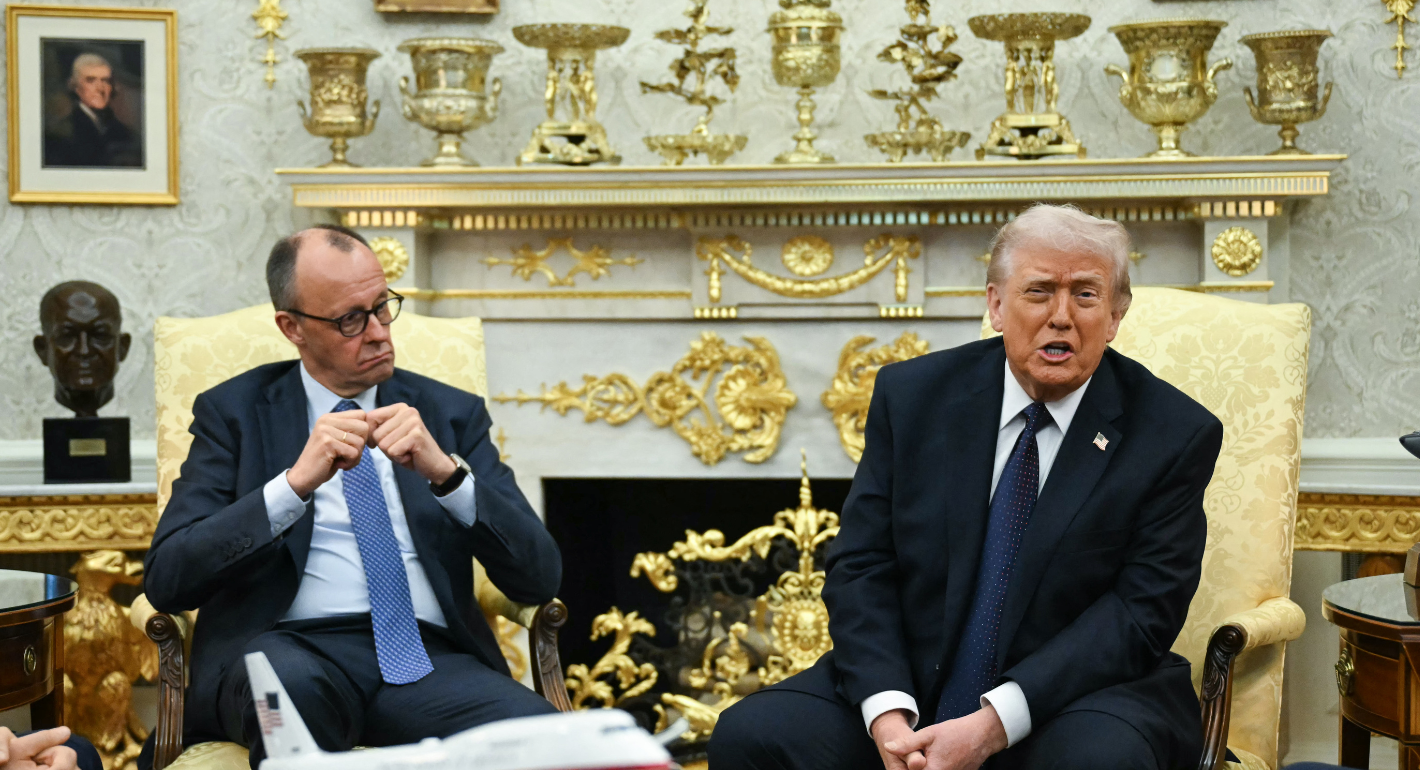
European reactions to the war in Iran have lost sight of wider political dynamics. The EU must position itself for the next phase of the crisis without giving up on its principles.

Richard Youngs
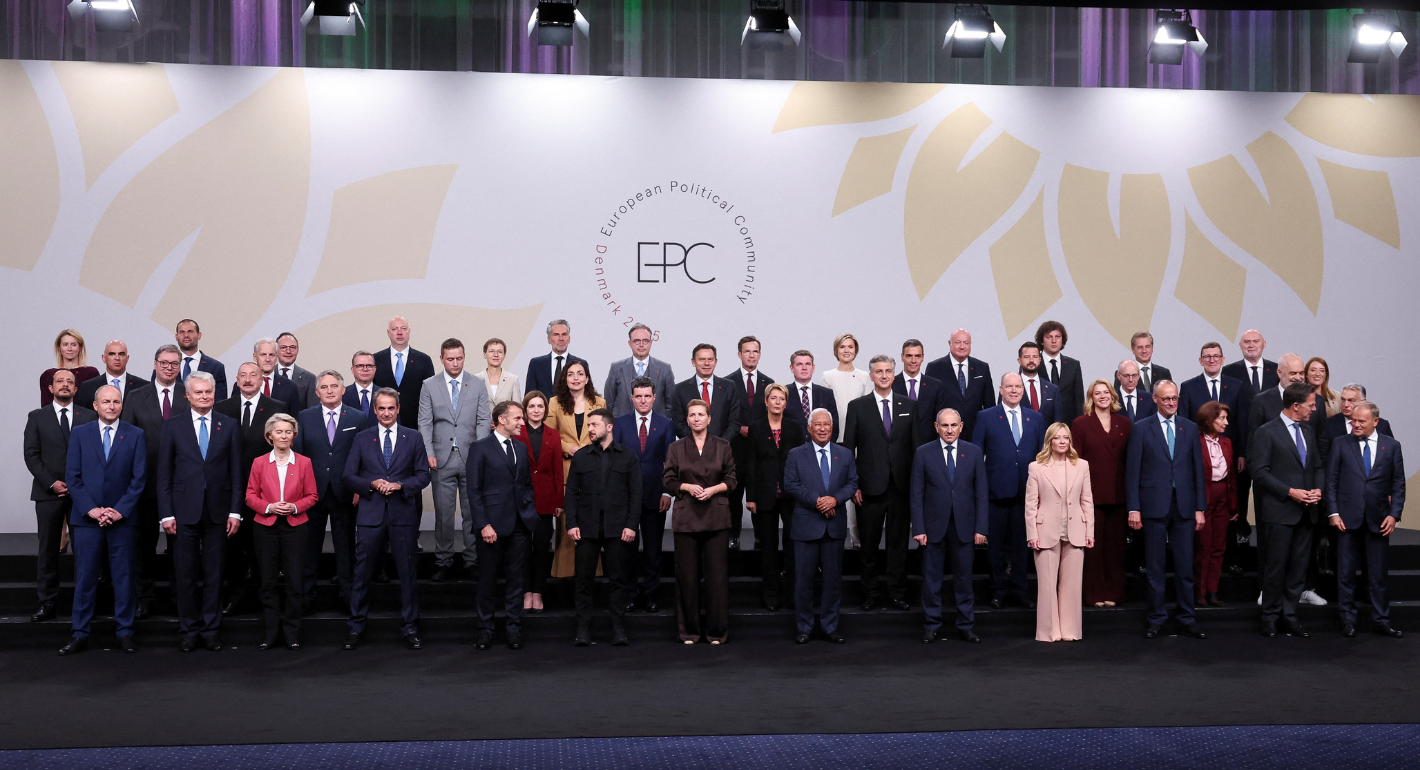
Europe isn’t as weak in the new geopolitics of power as many would believe. But to leverage its assets and claim a sphere of influence, Brussels must stop undercutting itself.

Dimitar Bechev
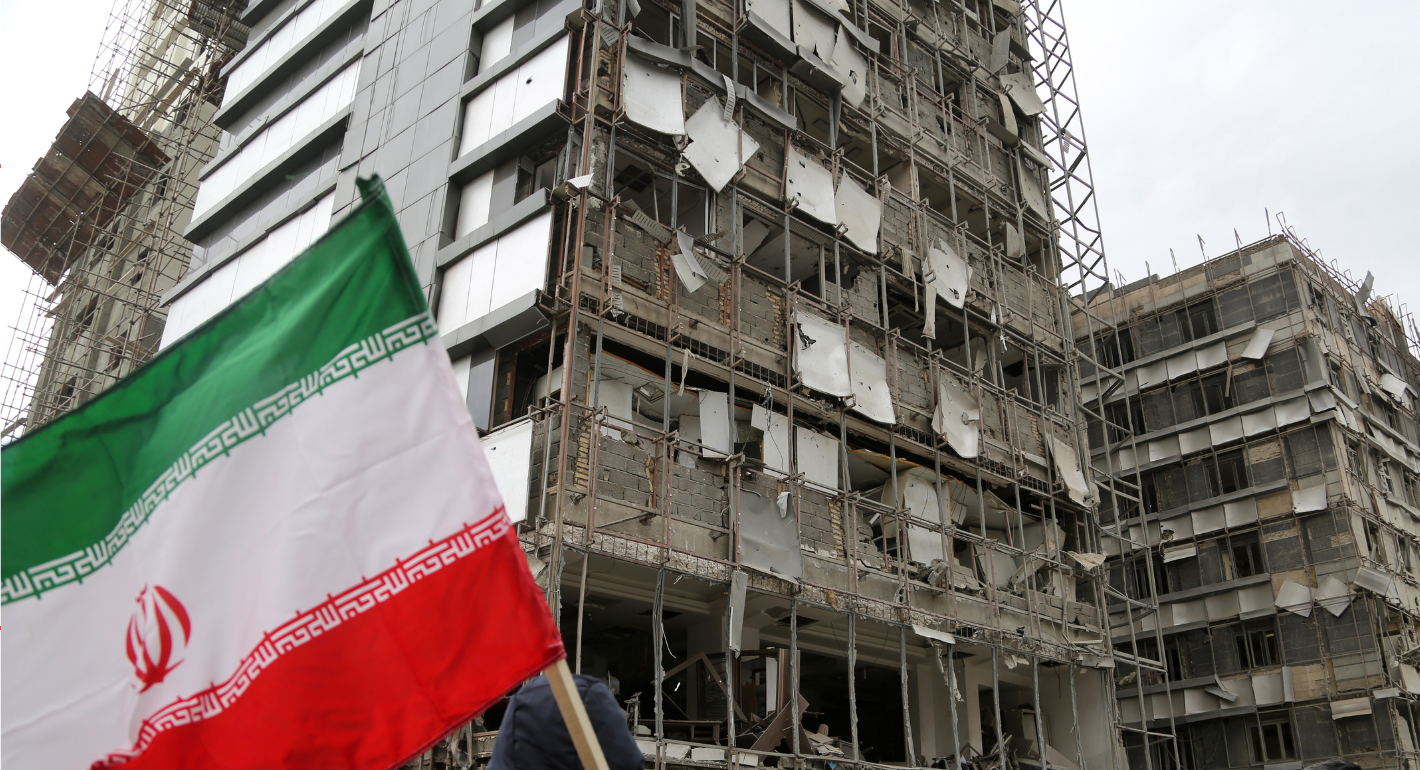
Europe’s reaction to the war in Iran has been disunited and meek, a far cry from its previously leading role in diplomacy with Tehran. To avoid being condemned to the sidelines while escalation continues, Brussels needs to stand up for international law.

Pierre Vimont
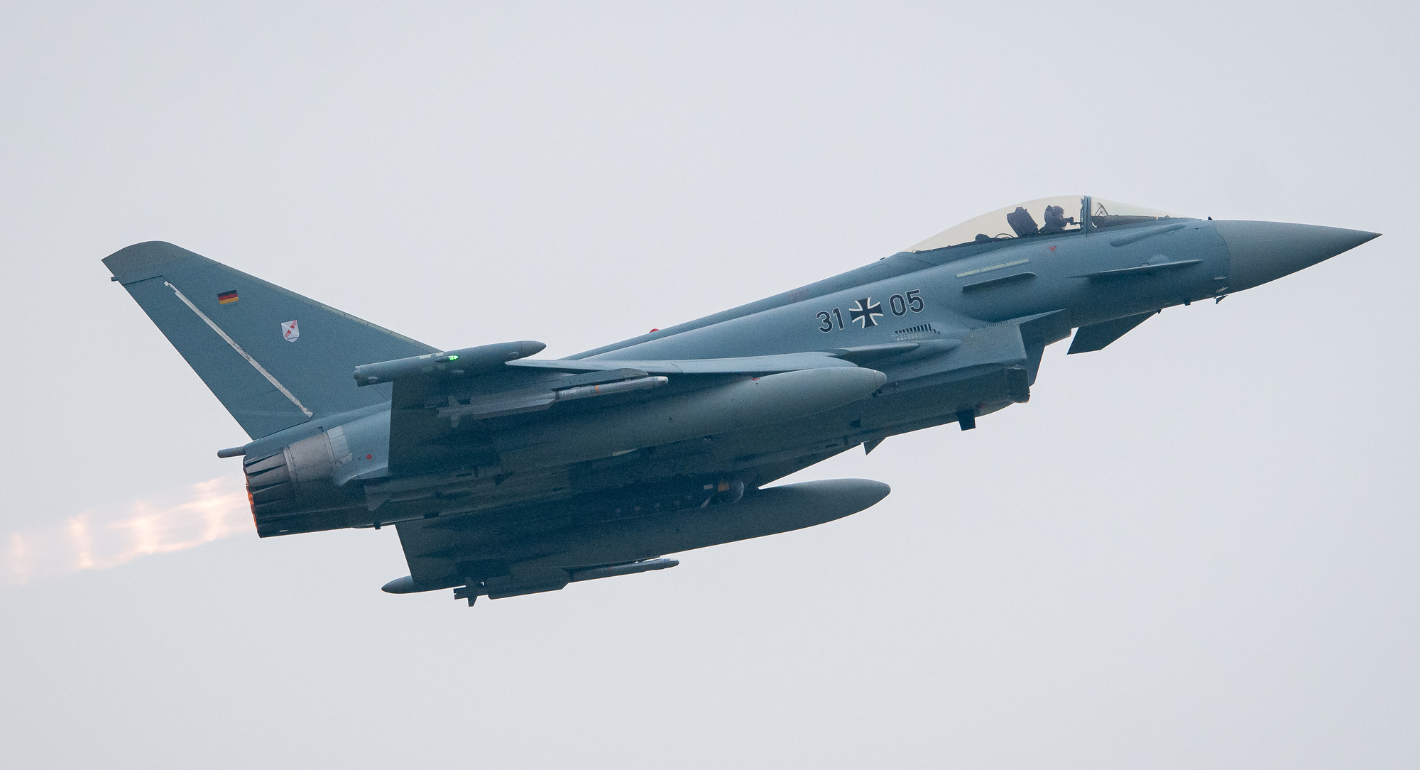
France and Germany’s failure to agree on the Future Combat Air System (FCAS) raises questions about European defense. Amid industrial rivalries and competing strategic cultures, what does the future of European military industrial projects look like?

Rym Momtaz, ed.
France has stopped clinging to notions of being a great power and is embracing the middle power moment. But Emmanuel Macron has his work cut out if he is to secure his country’s global standing before his term in office ends.
Rym Momtaz