

Commentary
Judy Dempsey
{
  "authors": [
    "Judy Dempsey"
  ],
  "type": "commentary",
  "blog": "Strategic Europe",
  "centerAffiliationAll": "",
  "centers": [
    "Carnegie Endowment for International Peace",
    "Carnegie Europe"
  ],
  "collections": [
    "EU Integration and Enlargement"
  ],
  "englishNewsletterAll": "",
  "nonEnglishNewsletterAll": "",
  "primaryCenter": "Carnegie Europe",
  "programAffiliation": "",
  "programs": [],
  "projects": [],
  "regions": [
    "Europe",
    "Western Europe"
  ],
  "topics": [
    "EU",
    "Security"
  ]
}
Source: Getty
A selection of experts answer a new question from Judy Dempsey on the foreign and security policy challenges shaping Europe’s role in the world.
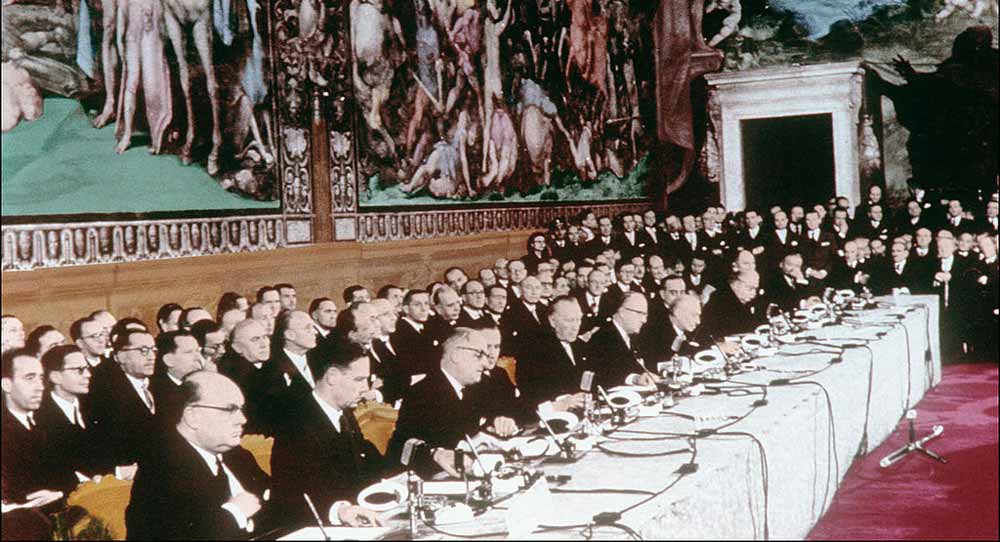
The EU has not forgotten its origins. Just stroll through the European quarter in Brussels: the main roundabout is named after French statesman Robert Schuman, who was pivotal in promoting postwar Germany’s reconciliation with Europe’s other democratic nations. The European Parliament’s main building is named after former Belgian prime minister Paul-Henri Spaak, whose work set the stage for the Treaty of Rome, which was signed on March 25, 1957.
But many ordinary Europeans do not know who Schuman and Spaak were, or what the EU will be celebrating on March 25, 2017. They were born after the collapse of the Berlin Wall and the Iron Curtain—too late to remember what inspired the founding fathers to work toward a united Europe. In a world beset by conflicts and wars, the EU is indeed a haven of peace.
European Council President Donald Tusk warned European leaders in January 2017 not to forget “the tragic lessons of a divided Europe.” Against the background of Britain’s vote to leave the EU, the eurozone crisis, an assertive Russia, terrorist threats, and U.S. President Donald Trump’s unpredictability, the EU’s achievements cannot be taken for granted. When European leaders celebrate the sixtieth anniversary of the Treaty of Rome, they should remind the younger generation that this has been the continent’s longest period of peace.
In his book Savage Continent, Keith Lowe described a morally destroyed Europe in the aftermath of World War II. Far from abating, he wrote, ethnic tensions increased until about 1948, with “tens of millions of men, women and children expelled from their countries in some of the biggest acts of ethnic cleansing that the world has ever witnessed.”
Fast-forward to 2012: the EU was awarded the Nobel Peace Prize for its contribution “to the advancement of peace and reconciliation, democracy and human rights in Europe.” In a Europe reeling from the social consequences of the 2008 financial crisis, with populist and exclusionary discourse rising, the prize seemed timed to remind European citizens of the critical role that EU institutions played in returning peace to the continent. Institutions—the formal and informal rules that organize societies—are the product of history. They reflect the values by which people choose to live together.
Today, as citizens and governments discuss the future of the EU and of its relations with its neighbors, Europeans should pause for thought, remind themselves of those tens of millions of European refugees, and ask themselves what norms, rules, and values will continue to best serve prosperity on the continent.
No, the EU hasn’t forgotten its origins. If anything, it is sticking too tightly to them.
The original idea for a united Europe was first mentioned by former British prime minister Winston Churchill and then pushed very hard by the United States. Former U.S. president Harry Truman made an effort at European unity a basic condition of American readiness to join NATO. The defining European initiative came from French statesman Robert Schuman.
All of these efforts had the same vision—Europe must unite to avoid the danger of another war. That was a very important sentiment in 1949, but it is not really relevant to the challenges of the twenty-first century. But the European Union has been unable to remove from its DNA this sense of existential threat that so many current leaders believe to be inherent in the cultures and structures of Europe. As a result, rather than celebrating Europe’s glorious diversity, the EU still grasps desperately to the conformity of the postwar period. The ideals of the 1957 Treaty of Rome are being suffocated in the process.
For my generation of French baby boomers, childhood and teenage memories of war stories are the genuine foundations of today’s EU.
The sufferings of 1939–1945 were part of everyday conversation: my father’s time in jail for helping opponents of Italy’s fascist regime and later his rehabilitation in court; my uncle’s daredevil actions as a leading freedom fighter in the southern Alps; the Jewish friends who never came back from the concentration camps; the dead and the wounded; the deprivations that lasted long after the war; the agonies of industrial reconstruction; and the obsessive rehearsal of wars past.
Each family had an intimate story to tell about World War I, too. My great-uncle, a first-line gunner in the trenches of Verdun, had come back crippled at age twenty, a human wreck, unable to recount anything other than the assaults in the mud.
Back in the 1950s, between painful memories and fear of recurrent wars, hatred and resentment sounded completely entrenched, while forgiveness and reconciliation seemed out of reach.
Yet, the 1957 Treaty of Rome and the 1963 Franco-German reconciliation treaty constituted steps of historic proportions. For all the strident critics of the EU, never forget this achievement: the total rejection of intra-European wars. No small feat in today’s world.
In attempts to identify the origins of the EU, a recurrent idea is a space of civilization in which different cultures and peoples escape enmity and conflict to find harmony in a new cultural sphere. This is a thread that runs from the Greek myth of Zeus and Europa, in its geopolitical interpretation, through to the Schuman Declaration of May 9, 1950, which states that “the contribution which an organized and living Europe can bring to civilization is indispensable to the maintenance of peaceful relations.”
In the current context, Europeans have lost track of these cultural roots amid calls for a Fortress Europe that builds walls, repels migrants, and fails to realize integration or guarantee respect for the rule of law and human rights for all. As the EU celebrates the sixtieth anniversary of its founding Treaty of Rome, rediscovering the union’s origins and building on the past are key recipes to face up to present challenges and prepare for the future.
As the sixtieth anniversary of the Treaty of Rome approaches, it is worth taking a look at public opinion on European integration and its future. According to the EU’s fall 2016 Eurobarometer survey, Europeans still trust the EU significantly more than they trust their national parliaments and, particularly, their governments. The general image of the EU has even improved a bit compared with the spring 2016 data.
Asked about the future of Europe, respondents showed no significant change in how they rank the most important values. Besides, an absolute majority of Europeans consider the rise of anti-establishment, populist parties a matter of concern. Britain’s vote to leave the EU and the election of U.S. President Donald Trump probably had the effect of a wake-up call.
There are no data that support the assumption that Europeans have forgotten their origins, or that they would prefer to turn the EU upside down. Consequently, as the EU in its present form is still very important for a decisive majority of its citizens, there is hope for the future of integration. The results of the recent Austrian presidential and Dutch parliamentary elections are similarly encouraging, although a lot depends on the upcoming French and German votes.
All in all, the European integration project is far from lost or defeated, despite the (hopefully temporary) rise of populist, anti-EU forces in 2014–2016.
No, but too many people in Europe have forgotten what’s at stake.
European cooperation was—and continues to be—one answer to the structural instability of the continent. After seventy years of unprecedented stability and prosperity, Europeans often fail to appreciate the continued need for cooperation among themselves. Too many believe that they can achieve control over their lives—or a say in the international affairs that affect them—by turning their backs on Brussels or by going it alone. They believe the political and financial costs of EU integration are too high. Essentially, they have lost a sense of what it costs to keep their structurally unstable continent from drifting into chaos.
Europe is under pressure from inside and outside. As always in human history, security and livelihoods depend on the ability to work together and adapt to change. This often appears costly and painful. But the costs of not doing it are guaranteed to be much higher. For the founding generation of the EU, this was as clear an insight as there could be. Today, both voters and leaders well remember why the EU was founded. But their inability to see that just as much is at stake now as in 1957 is the tragedy of our time.

Nonresident Senior Fellow, Carnegie Europe
Judy Dempsey is a nonresident senior fellow at Carnegie Europe
Recent Work
Judy Dempsey
Judy Dempsey
Carnegie does not take institutional positions on public policy issues; the views represented herein are those of the author(s) and do not necessarily reflect the views of Carnegie, its staff, or its trustees.
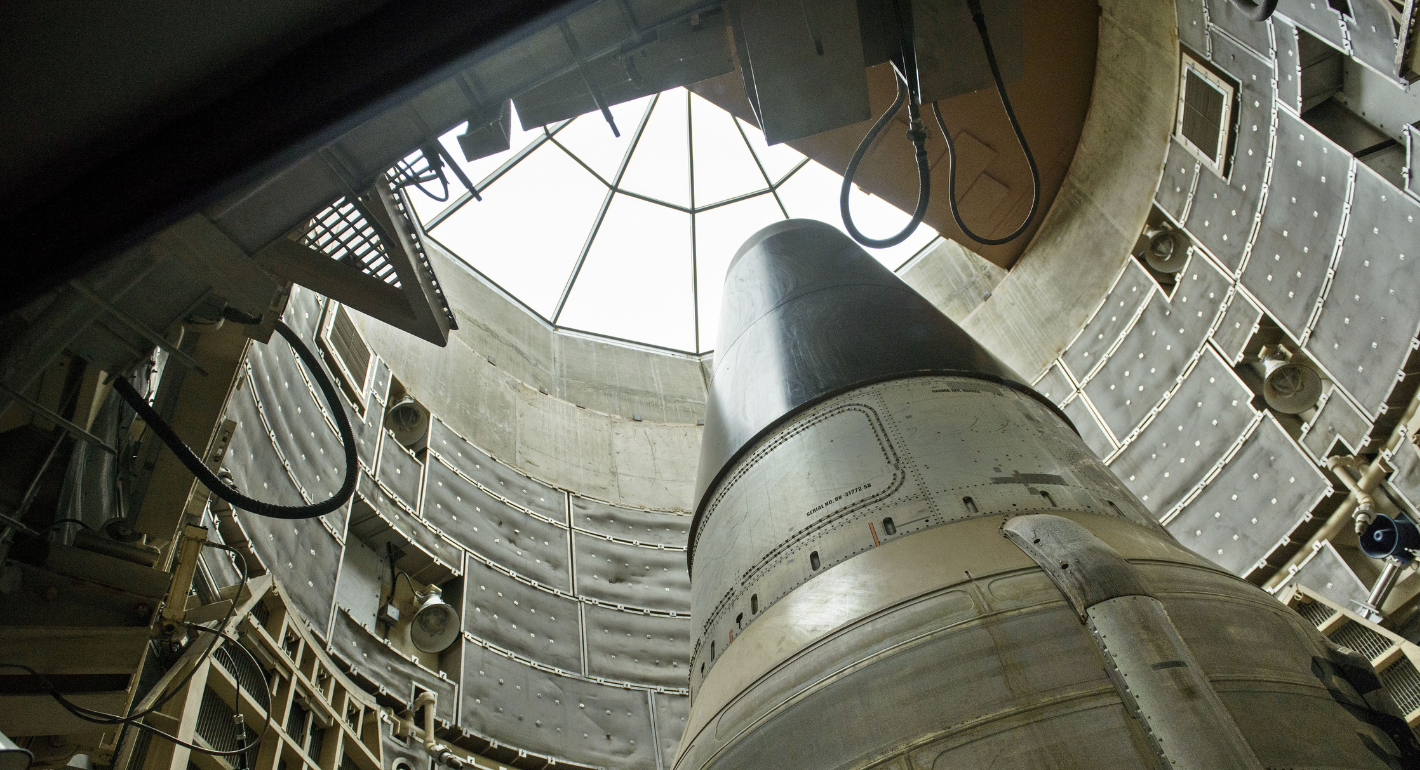
Amid uncertainty caused by the Iran war, the global drive for nonproliferation has stalled. With Europe diplomatically marginalized and countries reassessing their nuclear options, efforts to curb the spread of nuclear weapons risk becoming irrelevant.

Jane Darby Menton
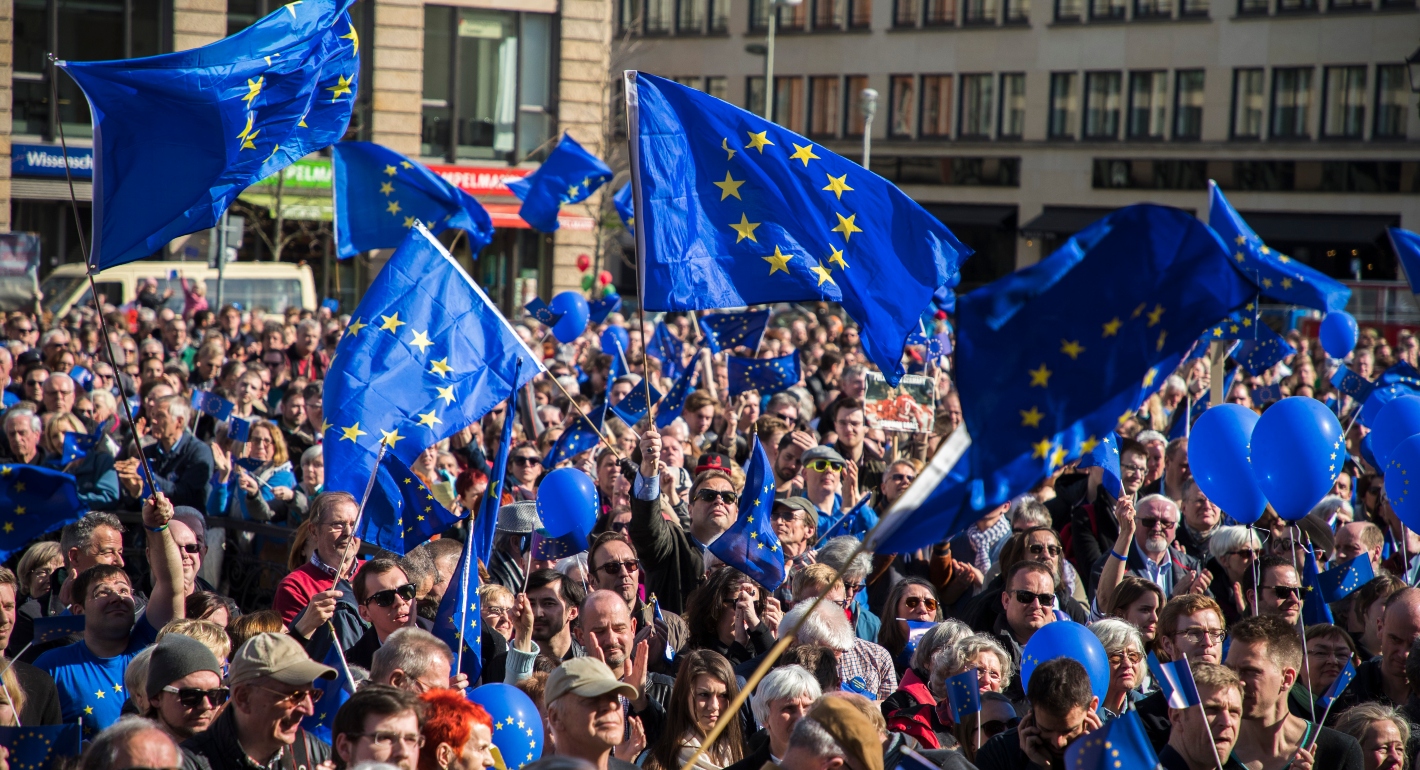
Preparing candidate countries for EU membership is no longer enough. As the enlargement process becomes a reality, the union must also prepare its own societies.

Iliriana Gjoni
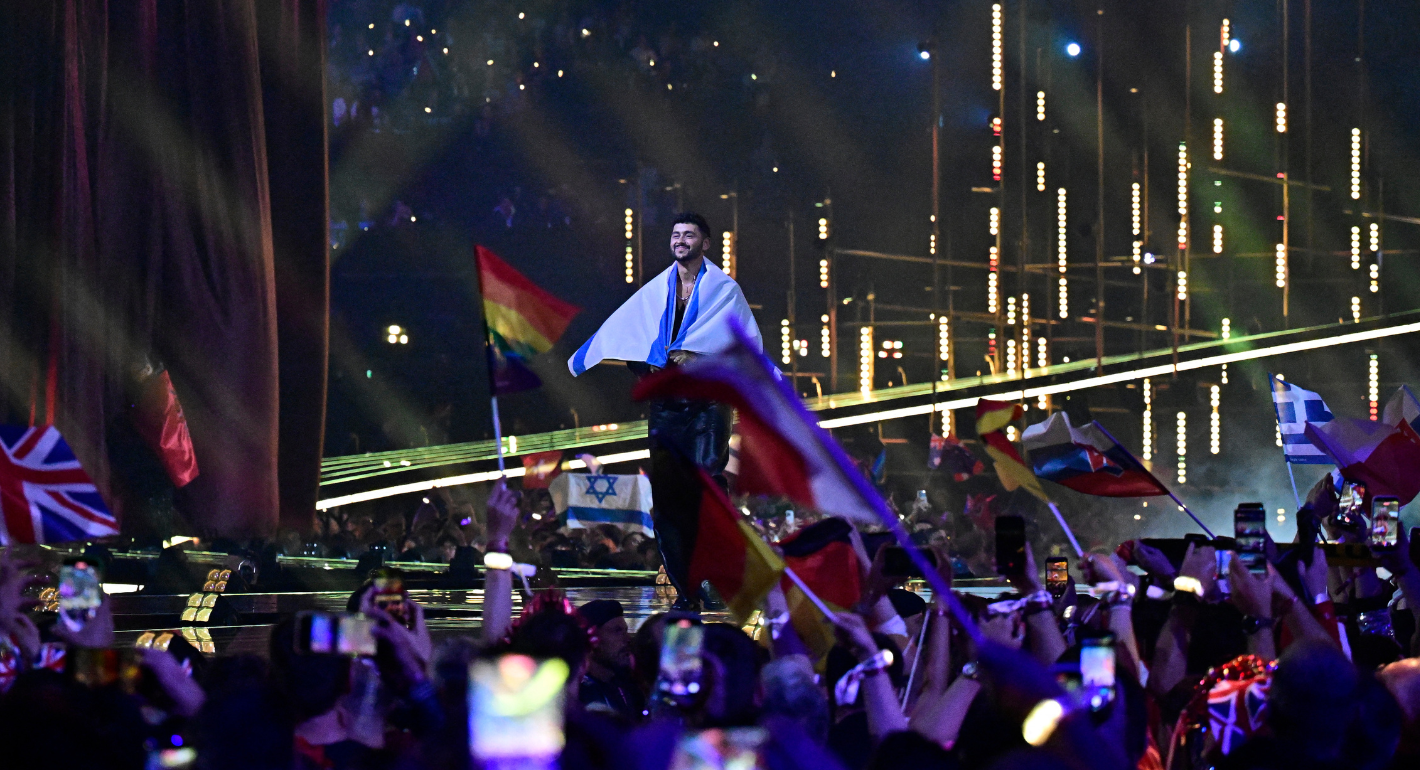
Five countries staged the biggest political boycott in Eurovision history over Israel’s participation. With the FIFA World Cup and other sporting or cultural touchstones on the horizon, are boycotts effective?

Rym Momtaz, ed.
The full list of humiliations Europe has endured since Donald Trump returned to the White House makes for grim reading. But Washington’s adversarial approach to its allies undermines its own power base.
Rym Momtaz
The closure of the Strait of Hormuz has triggered a global energy crisis, but Europe is stuck in reaction mode. Without more strategic foresight, the EU will remain dependent on fossil fuels and will never be truly secure.


Milo McBride, Pauline Gerard