

Commentary
Judy Dempsey
{
  "authors": [
    "Judy Dempsey"
  ],
  "type": "commentary",
  "blog": "Strategic Europe",
  "centerAffiliationAll": "",
  "centers": [
    "Carnegie Endowment for International Peace",
    "Carnegie Europe"
  ],
  "collections": [
    "Transatlantic Cooperation"
  ],
  "englishNewsletterAll": "",
  "nonEnglishNewsletterAll": "",
  "primaryCenter": "Carnegie Europe",
  "programAffiliation": "",
  "programs": [],
  "projects": [],
  "regions": [
    "Middle East",
    "Russia",
    "Europe",
    "North America",
    "Western Europe",
    "Southern, Eastern, and Western Africa"
  ],
  "topics": [
    "Foreign Policy",
    "Security",
    "Global Governance"
  ]
}

Source: Getty
Diplomats, parliamentarians, and journalists at the 2018 Munich Security Conference highlight today’s most consequential global threats.
Carnegie Europe was on the ground at the 2018 Munich Security Conference, offering readers exclusive access to the debates as they unfold and providing insights on today’s most consequential threats to international peace.
*
The wars in the war in Syria. They could have huge impacts for the whole of the Middle East.
The tendency to look inward at a time when we need more global engagement.
The lack of trust between the major powers and the major institutions that govern the world.
Rising insecurity due to the concentration on internal politics.
Leadership and the absence of strong governance.
That less and less world leaders understand what is going on. There is a sense of mass disorientation.
Complexity, unpredictability, and volatility. They are a breeding ground for major crises.
The enormous risks in cyberspace.
The possibility of war in North Korea.
The loss of confidence that the world’s problems are soluble.
That someone who stands for the opposite of Western values is sitting in the White House, the house of Western democracy.
The crisis of international law and the end of the rules-based system by a number of actors.
The failure of the political middle to vigorously defend democratic values in the face of the populist backlash.
Climate change.
The unpredictability of the United States, and the discrepancy between fantastic economic growth and the state of politics.
That politics has become so polarizing it is very difficult to get consensus on major issues.
Not putting water on the geosecurity agenda.

Nonresident Senior Fellow, Carnegie Europe
Judy Dempsey is a nonresident senior fellow at Carnegie Europe
Recent Work
Judy Dempsey
Judy Dempsey
Carnegie does not take institutional positions on public policy issues; the views represented herein are those of the author(s) and do not necessarily reflect the views of Carnegie, its staff, or its trustees.

As we close out another season of Strategic Europe, it is worth taking stock of the deep shifts underway.

Rym Momtaz
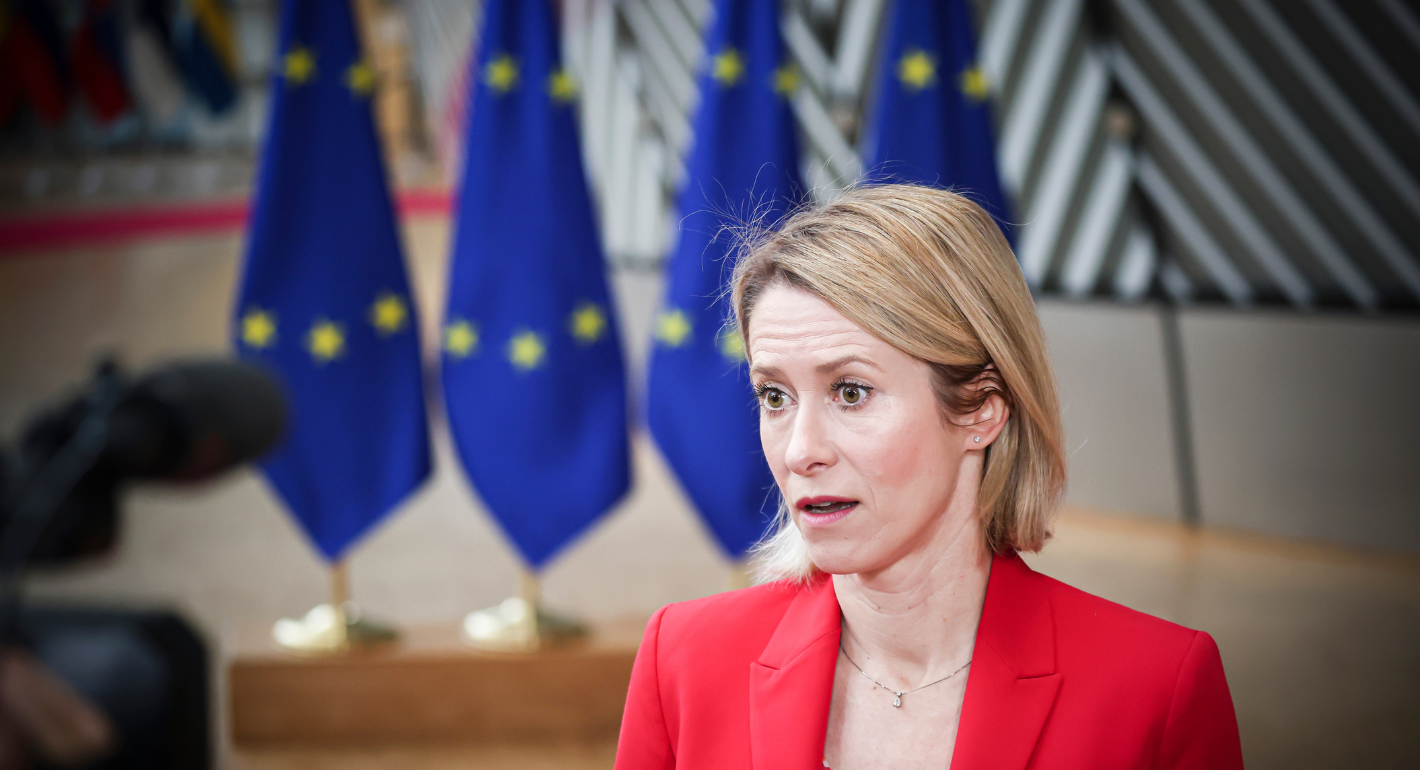
The EU had to compromise to adopt a twenty-first sanctions package against Russia, exposing growing cracks in the union’s resolve. Is this latest, weaker round worth it to keep pressure on Moscow?
Rym Momtaz, ed.
Trump is distracted and Ukraine wants Europe to step up. The continent’s leaders must find their voice and assert it in talks with Russia.

Alissa de Carbonnel

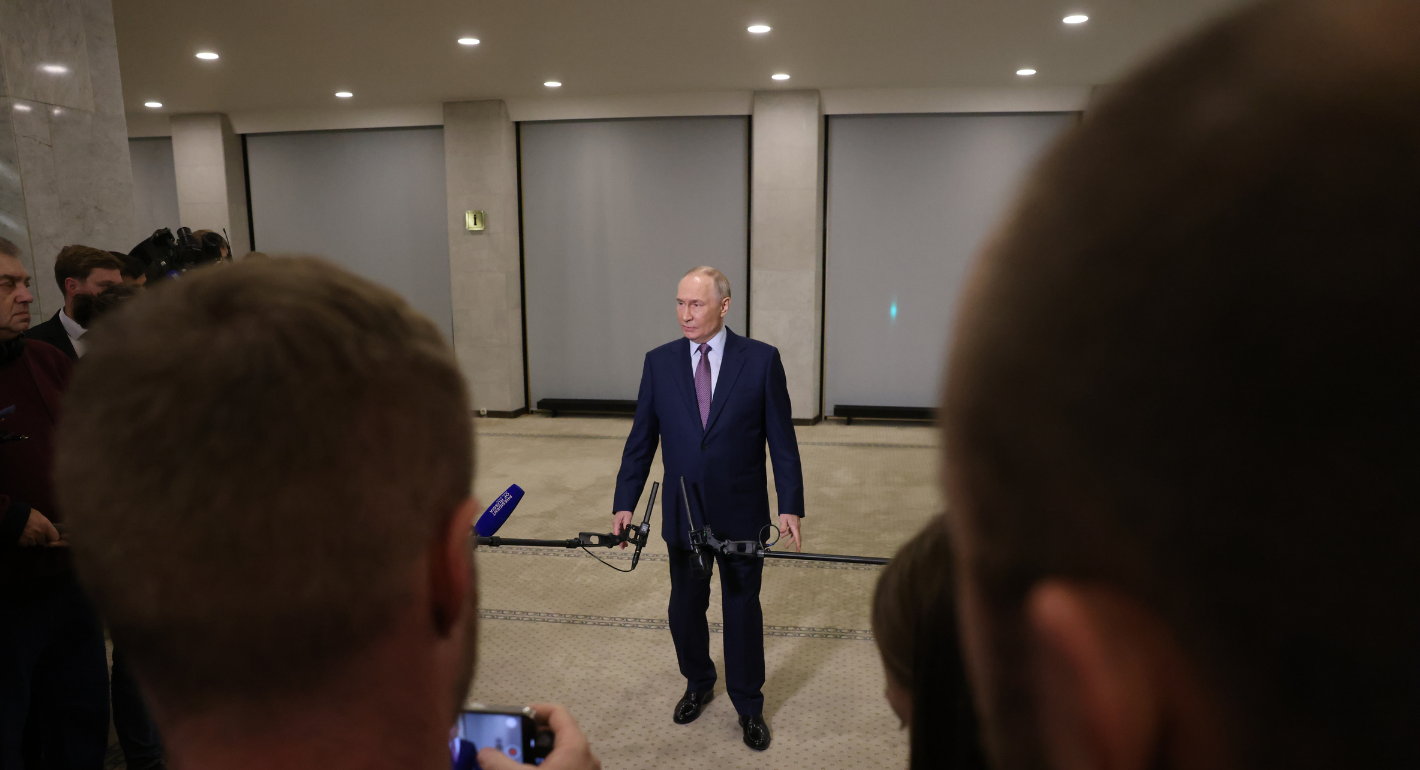
Mounting economic strain and battlefield losses will not necessarily make the Kremlin less dangerous. They could instead push Moscow toward a more aggressive hybrid campaign designed to test NATO’s Eastern flank, exploit allied hesitation, and fracture European resolve.

Maksym Beznosiuk

Over the past ten years, NATO has held almost as many summits as it did during the entirety of the Cold War. Are they still useful, or is it time to stop holding annual meetings?
Rym Momtaz, ed.