

Other
- +18
James M. Acton, Saskia Brechenmacher, Cecily Brewer, …
{
  "authors": [
    "Marc Pierini"
  ],
  "type": "commentary",
  "blog": "Strategic Europe",
  "centerAffiliationAll": "",
  "centers": [
    "Carnegie Endowment for International Peace",
    "Carnegie Europe"
  ],
  "collections": [
    "Turkey’s Transformation"
  ],
  "englishNewsletterAll": "",
  "nonEnglishNewsletterAll": "",
  "primaryCenter": "Carnegie Europe",
  "programAffiliation": "",
  "programs": [],
  "projects": [],
  "regions": [
    "Europe",
    "Türkiye",
    "Middle East"
  ],
  "topics": [
    "Democracy",
    "EU"
  ]
}
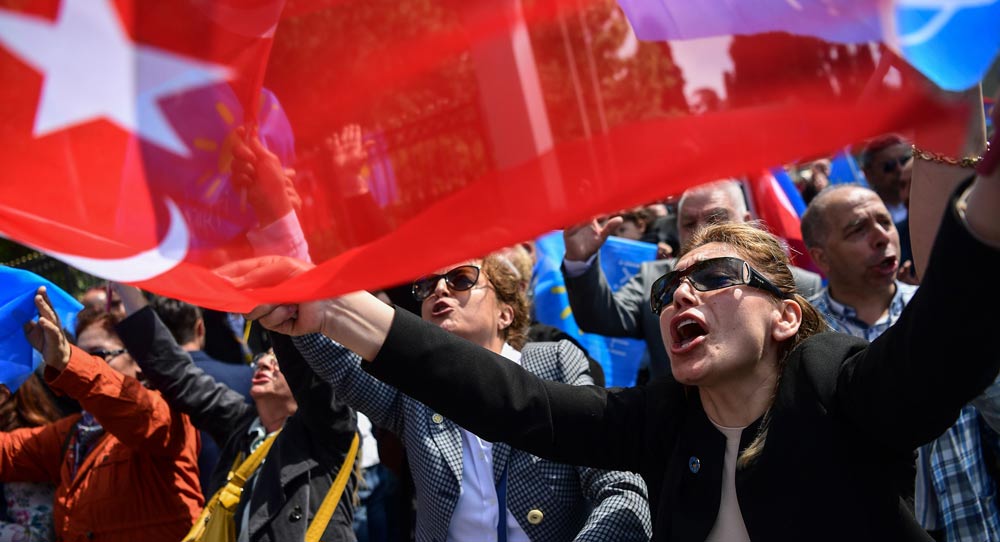
Source: Getty
Upcoming elections in Turkey will determine whether democracy in the country can rebound or will be replaced by one-man rule.
Turkey’s next presidential and legislative elections, initially scheduled for November 3, 2019, have been brought forward to June 24, 2018. President Recep Tayyip Erdoğan’s latest electoral move illustrates his determination to secure another victory at the ballot box. It embodies a political strategy of survival, where all the instruments necessary to capture and keep absolute power are put to work.
Against the backdrop of the highly contested April 2017 constitutional referendum and the super-presidential system it ushered in, four preconditions for an election blitz have been laid in the past few weeks.First, the reform of Turkey’s electoral law has given more control of ballot stations to government officials over party representatives. In addition, the customary double-stamping of ballot envelopes by local electoral boards will no longer be necessary, thereby removing an essential safeguard against fraud.
Second, in parallel, the country’s state of emergency has just been extended for the seventh time since July 2016, giving (among other things) authority to governors to control campaigning by authorizing political rallies (or not) and to move ballot stations at the last minute for security reasons. The situation is bound to favor the coalition currently in power, as it did in the 2017 referendum.
Third, the jailing of Peoples’ Democratic Party (HDP) deputies, mayors, and cadres—or stripping their deputies of their parliamentary mandate—is crippling the HDP by removing its best voices from the political stage. Osman Baydemir, one of the most prominent Kurdish deputies, has just been kicked out of parliament and therefore will not be able to run.
Finally, favorable sales of media groups to government-friendly businesses (the Doğan Group, for example, has just changed hands) is extending the government’s grip on the press.
On these solid foundations, the tactical decision to bring forward the elections by sixteen months entails multiple benefits.
Holding the presidential and legislative elections before municipal votes—the latter remain scheduled for March 2019—will avoid backlash from the predictable loss of municipalities like İzmir, Ankara, and perhaps even Istanbul. Similarly, holding the elections before a foreseeable meltdown of central bank reserves and impending U.S. sanctions against Halkbank as an outcome of the Zarrab case, which exposed the infamous Iran sanction-busting scheme involving Erdogan’s close allies, will help dodge adverse political consequences.
Another “precaution” involves painting all unfavorable economic and financial news as conspiracies, a tactic employed by Ankara specifically surrounding the Zarrab case but also more routinely when rating agencies, international banks, or the exchange rate weigh negatively on the Turkish economy.
Simultaneously, the Turkish leadership is riding the nationalist wave in the wake of the popular military incursion in the northern Syrian district of Afrin. In addition, there have been several recent incidents with foreign powers, including holding U.S. citizens hostage in Turkey and making threats against Greece over territorial disputes in the Aegean.
With respect to the EU, it is worth noting that Turkey’s June 24 elections fall exactly four days before a European Council meeting that is scheduled to draw conclusions from the very negative report on Turkey published in April by the European Commission. A first-round victory by Erdoğan would render obsolete any criticism from Brussels about the dismal state of Turkey’s rule of law—and perhaps even encourage some EU leaders to praise his victory. In case of a second-round vote, the European Council position will be used as a pro- or anti-argument by the Erdoğan campaign, depending on the Council’s tone.
On the foreign policy side, Ankara is likely to make every effort until the end of June to present President Erdoğan as the West’s indispensable interlocutor—and simultaneously as Russia’s close ally. In this vein, possible meetings or calls with Macron, Merkel, and Putin will serve this purpose.
Hopefully, the prevailing nationalist narrative will not lead to incidents with the U.S. military in northern Syria; to incidents at sea in the Aegean or off the coast of Cyprus; or to incidents as EU-based Turkish citizens vote at local polling stations, predominantly in Austria, Germany, and the Netherlands.
This assessment paints a very bleak picture of Turkey’s political architecture and economic prospects. It also presages a tense future relationship with the West. But things could become even bleaker if fraud occurred during the presidential election. International observers will undoubtedly have a challenging task monitoring the results.
Ultimately, the decision to bring forward the presidential election raises a simple question: can such a carefully-charted path toward an Erdoğan victory be opposed? One of the alternative scenarios collapsed when former president Abdullah Gül announced on April 28 that he would not run for president.
However, the likelihood of an autocratic outcome has triggered innovative political tactics around the “anything-but-Erdoğan” slogan. They have taken two different forms.
For the presidential election, incumbent president Erdoğan and leader of the Justice and Development Party (AKP) has the support of the Nationalist Movement Party (MHP) and the Great Unity Party (BBP). Opposition parties have opted to present individual candidates—Muharrem İnce for the Republican People’s Party (CHP); Meral Akşener for the Good Party; Selahattin Demirtaş for the HDP; Temel Karamollaoğlu for the Felicity Party (SP)—in the hope of preventing the incumbent president to win in the first round. The second round would automatically see a run-up between the candidates who received the highest number of votes in the first round.
For the legislative elections, voters will have a choice between two powerful coalitions. One is composed of the AKP, the MHP, and the BBP. The other coalition comprises the CHP, the Good Party, the HDP, the SP, and the smaller Democratic Party (DP).
Given such a tense battle, Turkey’s democracy will either emerge in need of a long recovery period—or be replaced by a one-man-rule system. The answer lies in the hand of the country’s citizens and only them.

Senior Fellow, Carnegie Europe
Pierini is a senior fellow at Carnegie Europe, where his research focuses on developments in the Middle East and Turkey from a European perspective.
Recent Work



James M. Acton, Saskia Brechenmacher, Cecily Brewer, …
Marc Pierini
Carnegie does not take institutional positions on public policy issues; the views represented herein are those of the author(s) and do not necessarily reflect the views of Carnegie, its staff, or its trustees.
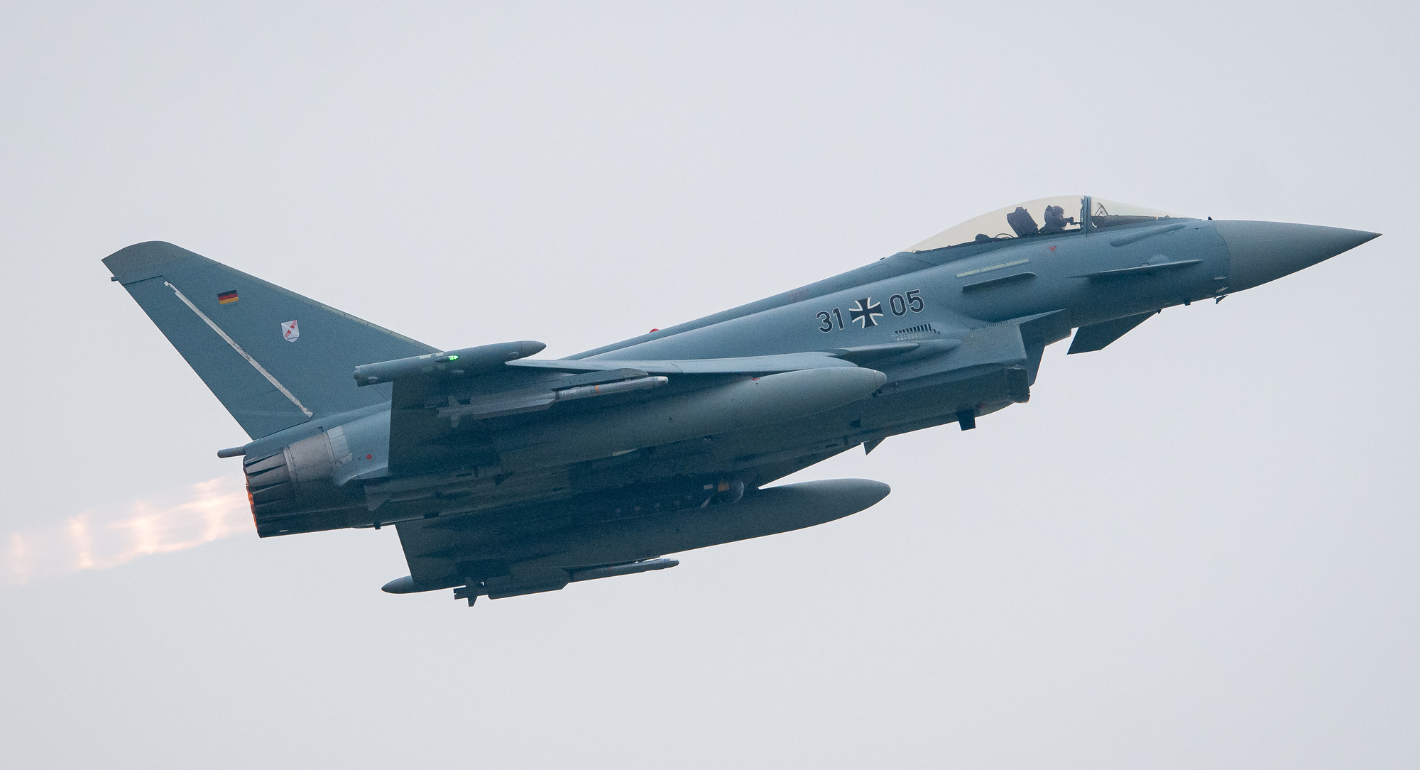
France and Germany’s failure to agree on the Future Combat Air System (FCAS) raises questions about European defense. Amid industrial rivalries and competing strategic cultures, what does the future of European military industrial projects look like?

Rym Momtaz, ed.
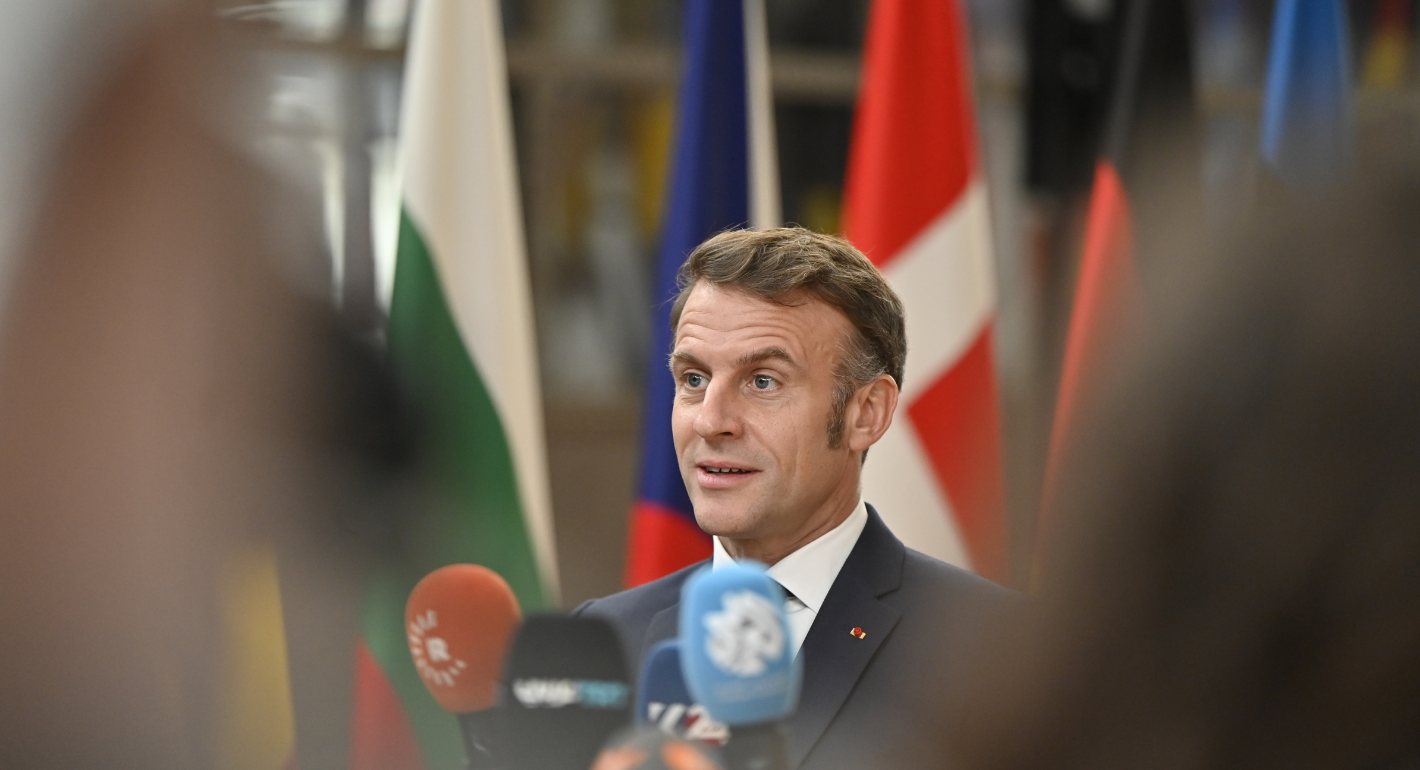
France has stopped clinging to notions of being a great power and is embracing the middle power moment. But Emmanuel Macron has his work cut out if he is to secure his country’s global standing before his term in office ends.
Rym Momtaz
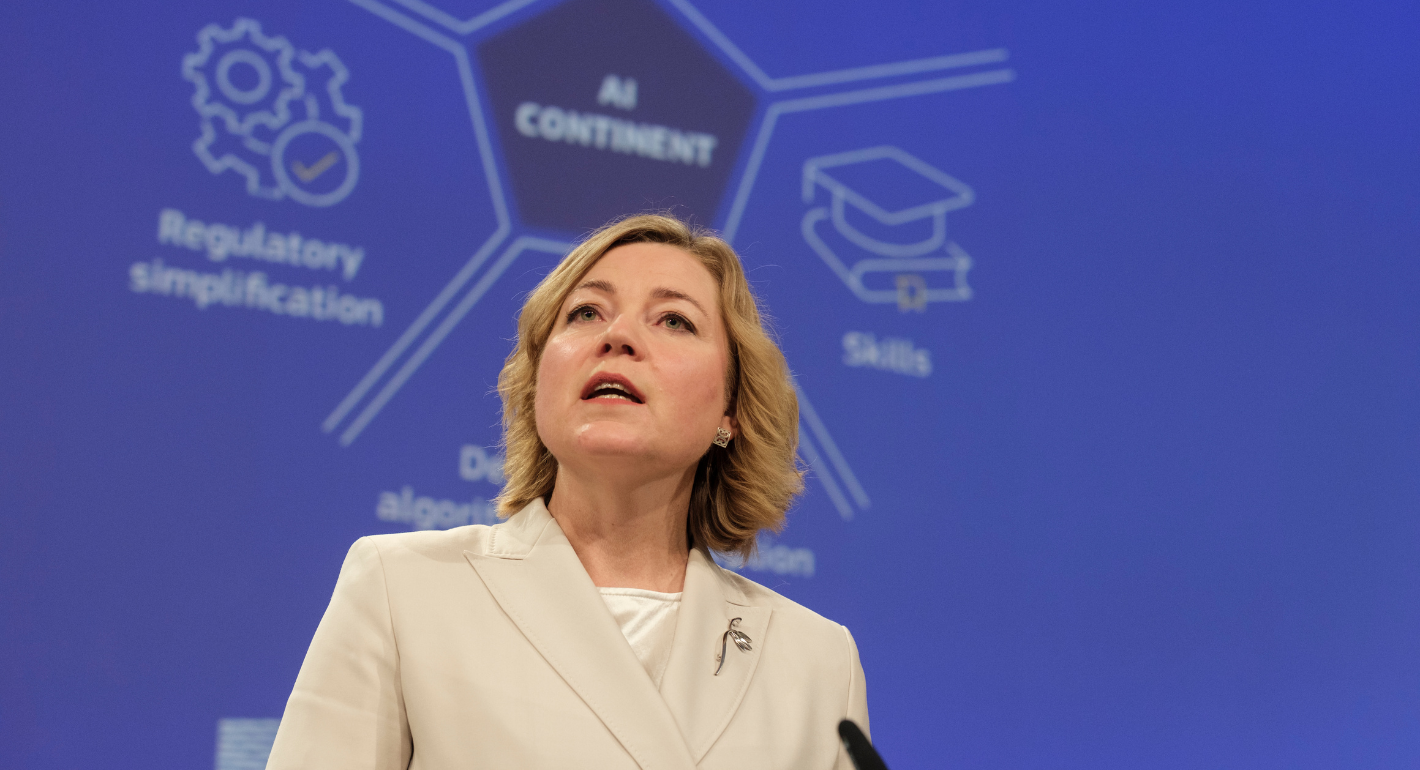
Integrating AI into the workplace will increase job insecurity, fundamentally reshaping labor markets. To anticipate and manage this transition, the EU must build public trust, provide training infrastructures, and establish social protections.

Amanda Coakley
Europe’s interests in Syria extend beyond migration management, yet the EU trails behind other players in the country’s post-Assad reconstruction. To boost its influence in Damascus, the union must upgrade its commitment to ensuring regional stability.


Bianka Speidl, Hanga Horváth-Sántha
EU member states clash over how to boost the union’s competitiveness: Some want to favor European industries in public procurement, while others worry this could deter foreign investment. So, can the EU simultaneously attract global capital and reduce dependencies?
Rym Momtaz, ed.