

Commentary
Judy Dempsey
{
  "authors": [
    "Judy Dempsey"
  ],
  "type": "commentary",
  "blog": "Strategic Europe",
  "centerAffiliationAll": "",
  "centers": [
    "Carnegie Endowment for International Peace",
    "Carnegie Europe"
  ],
  "collections": [
    "Europe’s Eastern Neighborhood"
  ],
  "englishNewsletterAll": "",
  "nonEnglishNewsletterAll": "",
  "primaryCenter": "Carnegie Europe",
  "programAffiliation": "",
  "programs": [],
  "projects": [],
  "regions": [
    "Europe",
    "Eastern Europe",
    "Western Europe",
    "Belarus",
    "Russia"
  ],
  "topics": [
    "Foreign Policy",
    "Security",
    "EU"
  ]
}
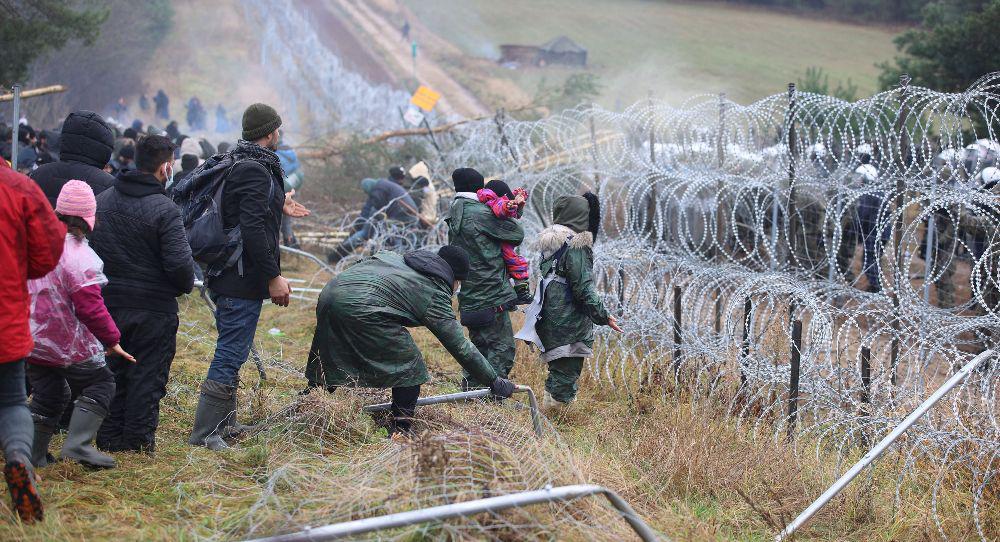
Source: Getty
The EU has been slow and irresolute in stopping Minsk from using migrants as a hybrid weapon to weaken the bloc. A migration and asylum policy—not a fortress Europe—is the answer.
As if EU leaders didn’t realize the potential for escalation.
Since July 2021, thousands of people from Iraq and other Middle Eastern countries have taken advantage of what they considered was a relatively easy way of entering an EU country. Urged by Belarusian leader Alexander Lukashenko’s regime, they bought airplane tickets, easily obtained visas, and flew to Minsk, the capital of Belarus.
Once in Minsk, they were often led by the Belarusian security forces to the border with EU and NATO member Lithuania. There, many crossed illegally.
Vilnius, unaccustomed to such flows of migrants, adopted a two-pronged policy: the authorities provided shelter but also fortified their border. The often-confused scenes at these crossings were a foretaste of things to come at Poland’s and Latvia’s borders with Belarus.
The situation has rapidly escalated: video clips posted on November 8 showed thousands of migrants massing at the Polish-Belarusian border, some of them seeking to forcibly enter Poland. Warsaw had already put up a barbed wire fence to protect its border and banned the media and civil society organizations from the areas. 12,000 soldiers and police have been sent to effectively protect the border.
The conditions for migrants at the border are appalling. They are camping out in cold and miserable weather. They are beaten by Belarusian soldiers and neglected and pushed back by the Polish side. Despite being instrumentalized by Lukashenko and by the Kremlin, they continue their efforts to enter the EU.
Lukashenko remains in power thanks to his violent crackdown on any form of opposition to the results of the rigged presidential elections of August 2020—and thanks to his benefactor, Russian President Vladimir Putin.
Lukashenko, no doubt with Putin’s support, has used the migration issue to punish the EU for imposing sanctions on his discredited regime. Minsk and Moscow know that one of Europe’s biggest vulnerabilities is its visceral reaction to migration.
This vulnerability, which was clear during the 2015 refugee crisis when the bloc was bitterly divided over giving security and shelter to refugees fleeing the war in Syria, has not been addressed.
Instead of tackling the latest crisis head-on, Europe is building a fortress, something Hungarian Prime Minister Viktor Orbán was criticized for doing in 2015, when he constructed a fortified border to keep migrants and refugees from transiting through Hungary to another EU member state. Orbán started a trend. “There is now a massive hardening of policies in this area,” Stefan Lehne, migration expert at Carnegie Europe told Strategic Europe.
The EU imposed tougher sanctions some months ago when Belarus hijacked a Ryanair plane, forcing it to land in Minsk so as to arrest one of its passengers, journalist and opposition activist Roman Protasevich. Now, in response to recent developments, several European governments are calling for a new batch of sanctions.
European Commission president Ursula von der Leyen has finally come up with the idea of sending a top official “to the main countries of origin and of transit.” These countries, she said, “should act to prevent their own nationals from falling into the trap set by the Belarusian authorities. The EU will in particular explore how to sanction, including through blacklisting, third country airlines that are active in human trafficking.” Don’t expect any speedy decisions.
The EU’s reaction to this new migration phenomenon confirms the absence of a migration and asylum policy—even a short-term one.
Would it have been that difficult, with the help of the EU, the United Nations, and migration organizations, to arrange facilities inside the Polish and Lithuanian borders to document and assess the status of the migrants? That would have prevented suffering.
Understandably, EU governments in the region who have been highly critical of Lukashenko’s crackdown and taken the lead on sanctions, are reluctant to accept that idea. It would, they argue, legitimate his weaponization of migrants. He would continue to push migrants over the borders, regardless of the violence used against them.
By comparison, in Brandenburg, the German federal state adjacent to Poland, over the past several weeks 100-150 migrants have been crossing daily from Poland into Germany, where they are given shelter and care. Their asylum requests are being processed. Those procedures are slow and bureaucratic, similar to sending back illegal migrants to their country of origin.
In 2016, the EU, led by Germany, cut a deal with Turkey to stop the flow of migrants and refugees to the EU. Ankara was paid to import Europe’s migration problem.
The same cannot be applied to Lukashenko. It would mean negotiating with his regime, which the EU is loath to do. And it would mean Lukashenko and Putin reaping victory from instrumentalizing migrants.
In the meantime, a NATO official has said the alliance “stands ready to further assist our allies, and maintain safety and security in the region.” One wonders if Belarus and Russia are itching for what could be a dangerous confrontation with NATO.

Nonresident Senior Fellow, Carnegie Europe
Dempsey is a nonresident senior fellow at Carnegie Europe
Recent Work
Judy Dempsey
Judy Dempsey
Carnegie does not take institutional positions on public policy issues; the views represented herein are those of the author(s) and do not necessarily reflect the views of Carnegie, its staff, or its trustees.
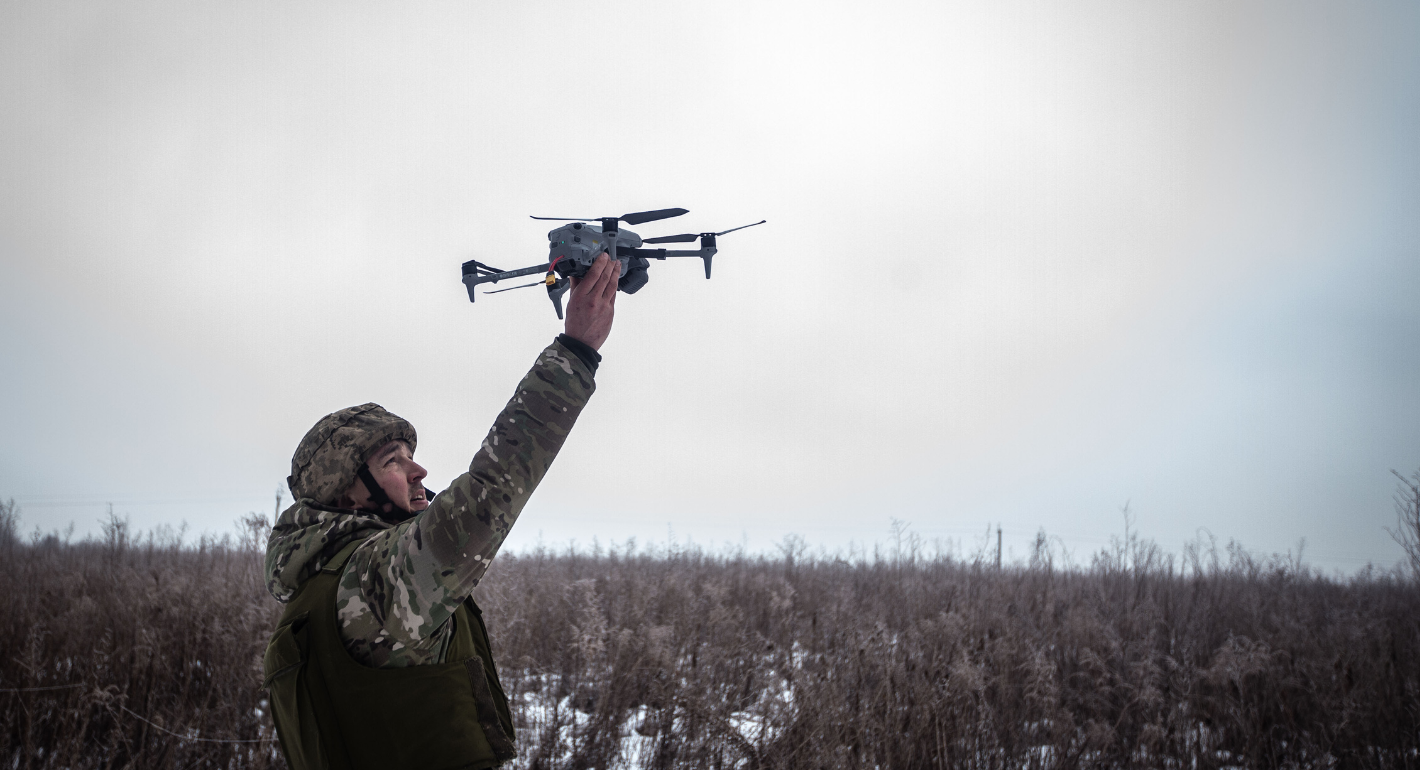
In Ukraine, Gaza, and Iran, AI warfare has come to dominate, with barely any oversight or accountability. Europe must lead the charge on the responsible use of new military technologies.

Raluca Csernatoni
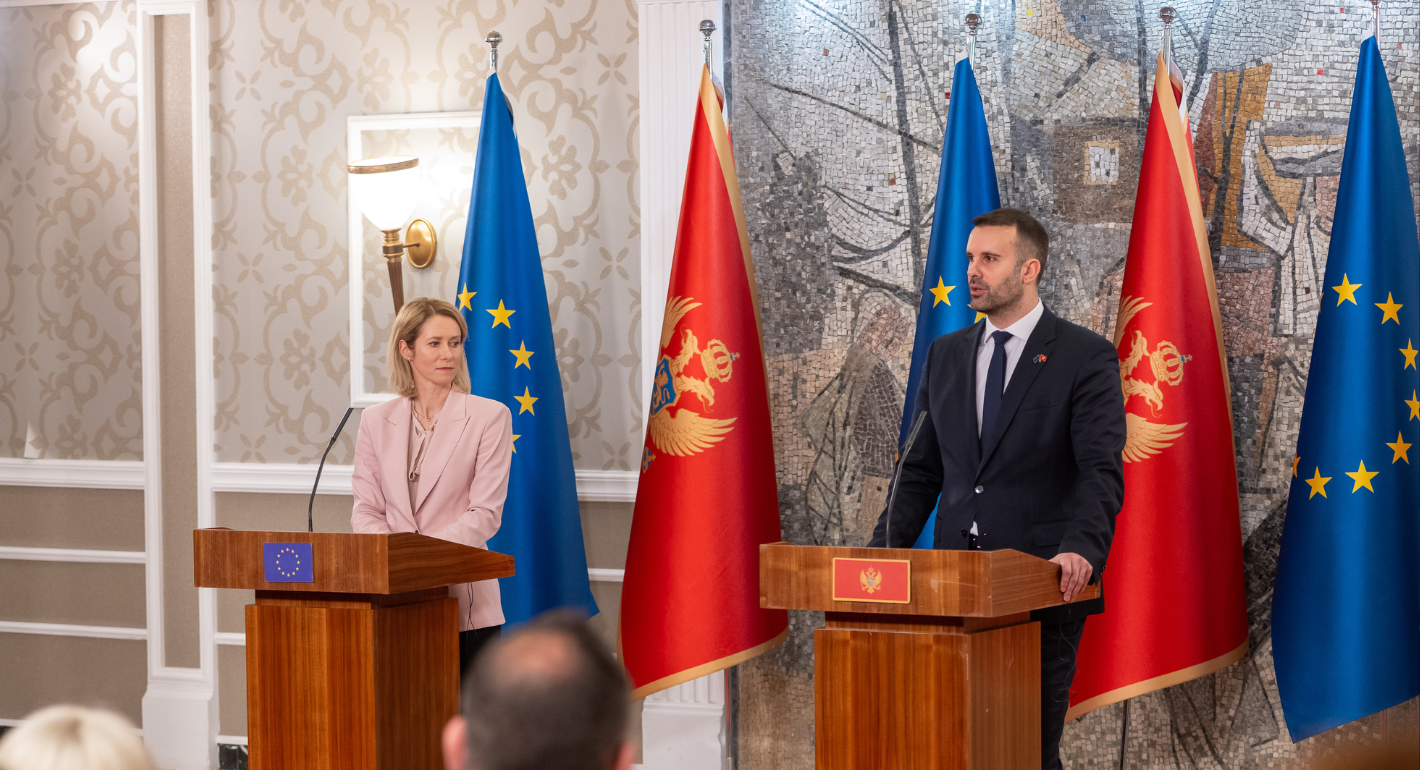
Montenegro and Albania are frontrunners for EU enlargement in the Western Balkans, but they can’t just sit back and wait. To meet their 2030 accession ambitions, they must make a strong positive case.


Dimitar Bechev, Iliriana Gjoni
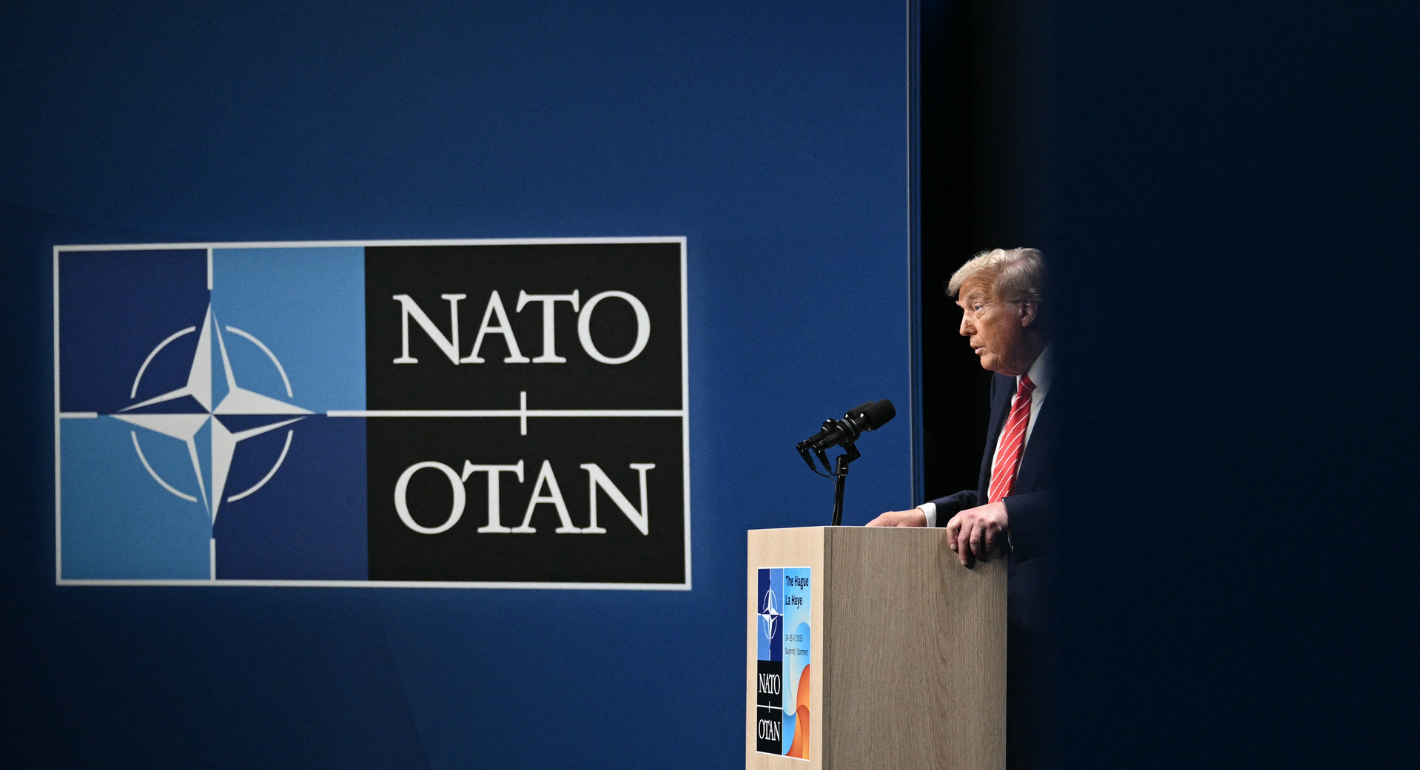
Donald Trump has repeatedly bashed NATO and European allies, threatening to annex Canada and Greenland and deploring their lack of enthusiasm for his war of choice in Iran. Is this latest round of abuse the final straw?

Rym Momtaz, ed.
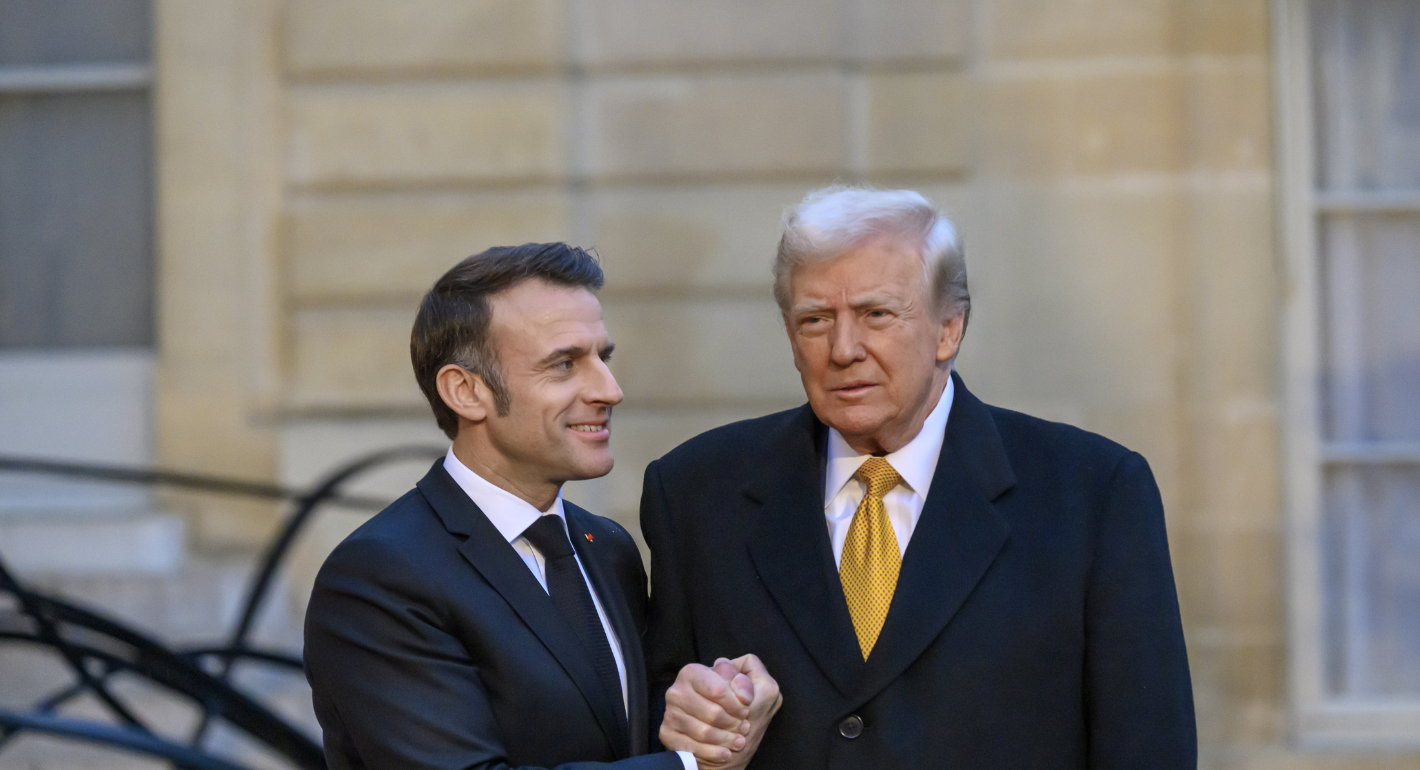
Donald Trump’s repudiation of NATO goes against the Make America Great Again vision of a U.S.-centered foreign policy. If the goal is to preserve the alliance by boosting Europe’s commitments, leaning into France’s vision is the most America First way forward.
Rym Momtaz
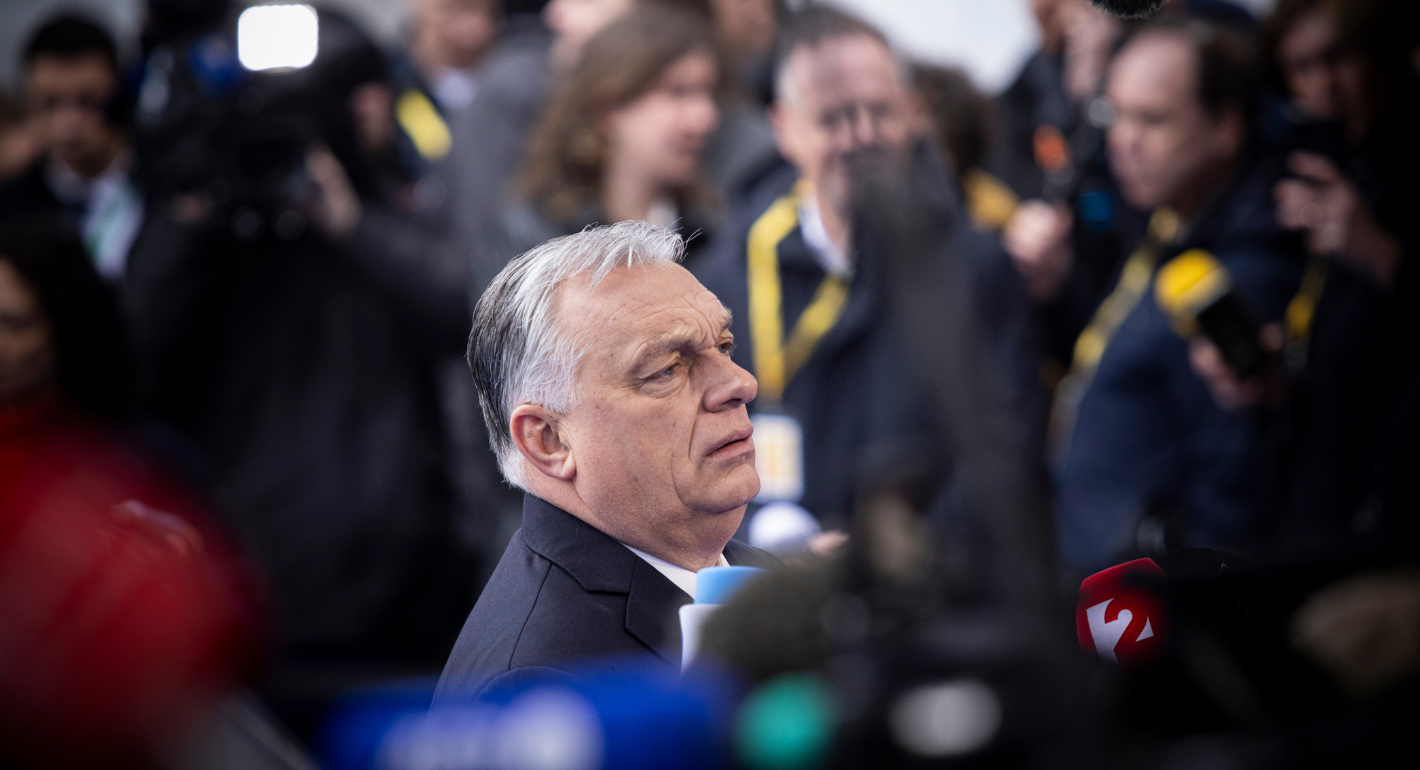
Hungarians head to the polls on April 12 for an election of national and European consequence. Three different outcomes are on the cards, each with their own implications for the EU.

Zsuzsanna Szelényi