

{
  "authors": [
    "Brent Scowcroft",
    "Ted Koppel",
    "J. Stapleton Roy",
    "Evan Medeiros",
    "Jessica Tuchman Mathews",
    "Douglas H. Paal",
    "Minxin Pei"
  ],
  "type": "event",
  "centerAffiliationAll": "dc",
  "centers": [
    "Carnegie Endowment for International Peace"
  ],
  "collections": [],
  "englishNewsletterAll": "asia",
  "nonEnglishNewsletterAll": "",
  "primaryCenter": "Carnegie Endowment for International Peace",
  "programAffiliation": "AP",
  "programs": [
    "Asia"
  ],
  "projects": [],
  "regions": [
    "East Asia",
    "China"
  ],
  "topics": []
}
Twenty Years After Tiananmen
Thu, June 4th, 2009
Washington, D.C.
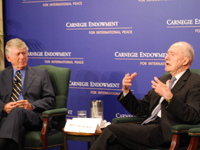
Twenty years after Tiananmen Square, the Chinese Communist Party (CCP) retains complete control of China's political and economic apparatus. Its ability to hold on to power, despite many predictions to the contrary, is largely due to reforms instituted after Tiananmen to prevent social instability at all costs. But there will be another Tiananmen if China does not further reform politically, according to panelists including Ted Koppel, Brent Scowcroft, Ambassador J. Stapleton Roy, Even Medeiros, and Minxin Pei.
Jessica Mathews and Douglas Paal moderated the discussion.
Political Change
- Tiananmen led the CCP to evaluate policy decisions based on their effects on social stability. This imperative has led to agreement within the party that change must be gradual.
- After Tiananmen, the CCP became a more technocratic, competent, and capitalist-minded party. In the 1980s, rural peasants constituted 80 percent of the party; today 70 percent of its members are university-educated elites. The Politburo had no university graduates 25 years ago, while today there are only university graduates in the group.
- Compared to twenty years ago, China today allows its citizens significant personal freedom. Long gone, for example, are the CCP campaigns against "yellow music", "pornography", and Western movies. This personal freedom does not extend to politics: citizens forbidden from challenging the Communist Party’s rule.
Looking to the Future
- The Communist Party faces many challenges, including economic overcapacity, great inequality, and pressure to create jobs for migrants.
- The CCP will likely allow more debate in society over policy direction and decisions, although democracy will remain a forbidden subject. Democracy is an active topic in the CCP’s internal debates, however.
- The CCP will have to implement political reform to overcome future obstacles to growth and avoid another Tiananmen. Though China’s leaders know this, the CCP resists reform for fear that change could rip the party apart.
Carnegie does not take institutional positions on public policy issues; the views represented herein are those of the author(s) and do not necessarily reflect the views of Carnegie, its staff, or its trustees.
Event Speakers
Brent Scowcroft
Gen. Brent Scowcroft is president of The Scowcroft Group. He served as national security adivser to presidents Gerald Ford and George H.W. Bush from 1975-1977 and from 1989-1993.
Ted Koppel
J. Stapleton Roy
Evan Medeiros
Evan Medeiros is managing director, Asia at the Eurasia Group and a nonresident senior fellow at the Carnegie Endowment for International Peace. He previously served as special assistant to the president and senior director of Asian affairs at the White House’s National Security Council.
Jessica Tuchman Mathews
Distinguished Fellow

Mathews is a distinguished fellow at the Carnegie Endowment for International Peace. She served as Carnegie’s president for 18 years.
Douglas H. Paal
Distinguished Fellow, Asia Program
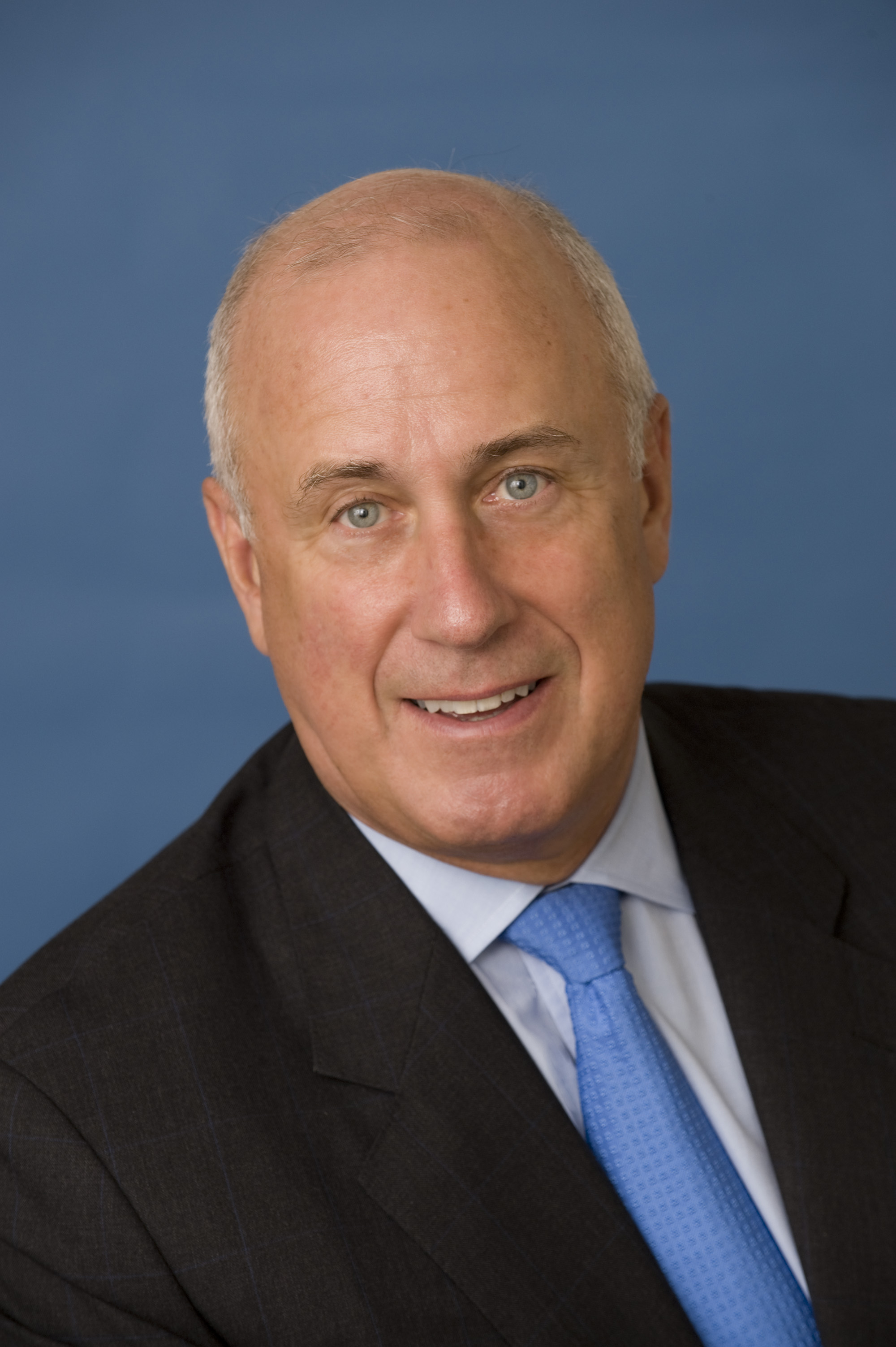
Paal previously served as vice chairman of JPMorgan Chase International and as unofficial U.S. representative to Taiwan as director of the American Institute in Taiwan.
Minxin Pei
Former Adjunct Senior Associate, Asia Program
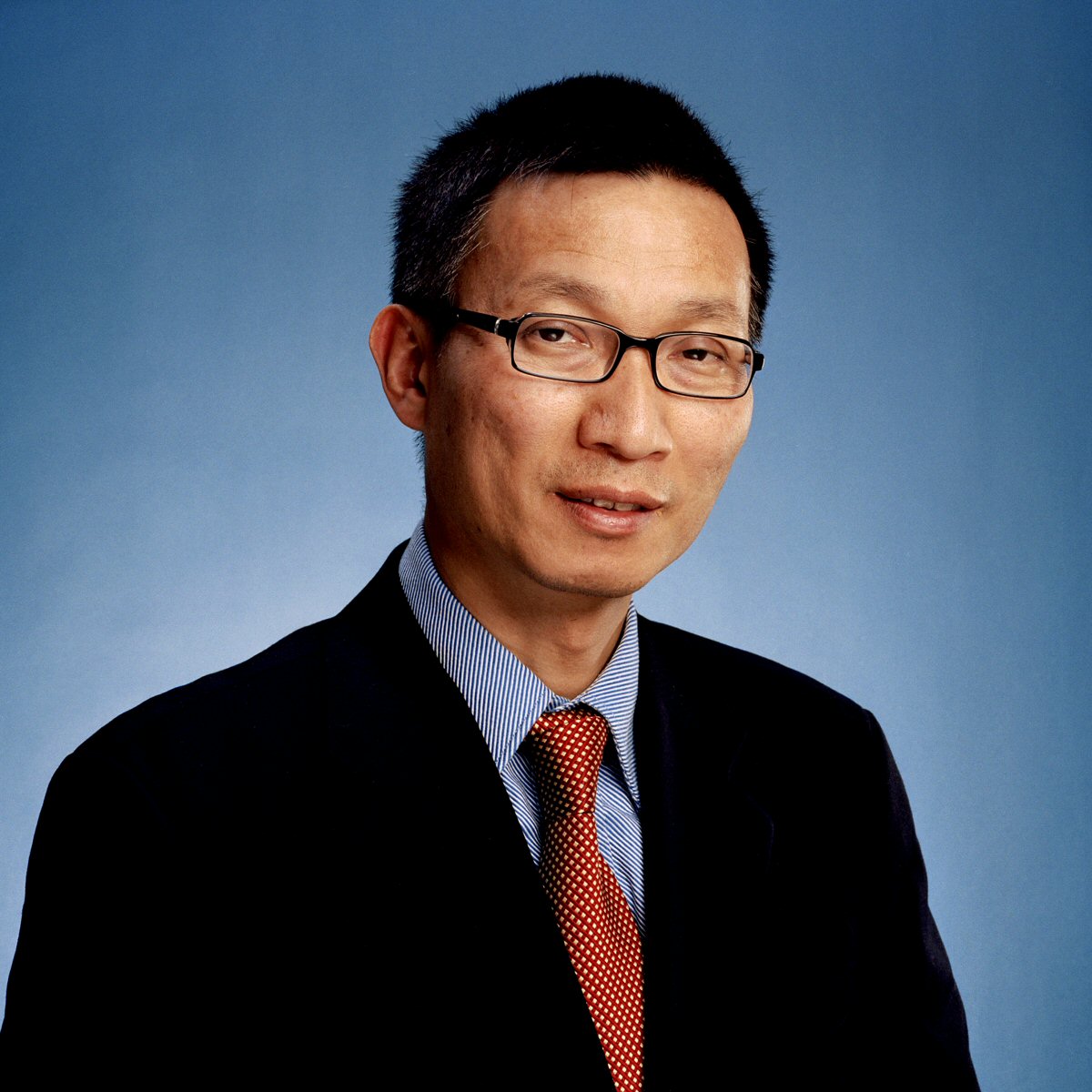
Pei is Tom and Margot Pritzker ‘72 Professor of Government and the director of the Keck Center for International and Strategic Studies at Claremont McKenna College.