

{
  "authors": [
    "Uri Dadush",
    "Justin Lin",
    "Vikram Nehru",
    "Nicholas Lardy"
  ],
  "type": "event",
  "centerAffiliationAll": "dc",
  "centers": [
    "Carnegie Endowment for International Peace"
  ],
  "collections": [],
  "englishNewsletterAll": "asia",
  "nonEnglishNewsletterAll": "",
  "primaryCenter": "Carnegie Endowment for International Peace",
  "programAffiliation": "AP",
  "programs": [
    "Asia"
  ],
  "projects": [],
  "regions": [
    "East Asia",
    "China",
    "North America"
  ],
  "topics": [
    "Economy",
    "Trade"
  ]
}
Demystifying the Chinese Economy
Wed, May 2nd, 2012
Washington, D.C.
Since opening up to the world in 1979, China’s economy has grown by an astonishing 10 percent, on average, in real terms every year. In a matter of years—or at most two decades—it will likely surpass the U.S. economy in size. But many observers have pointed out that China’s recent “rise” is more aptly deemed a “return” to the preeminence it enjoyed before the eighteenth century. How did China decline from one of the most technologically advanced countries before the Industrial Revolution to one of the poorest in the following two-and-a-half centuries? To what extent has China become a market-based economy, and what lies ahead?
Discussing his recently published book, Demystifying the Chinese Economy, World Bank Chief Economist Justin Lin offered insight into these questions and the lessons that China’s experience holds for other countries in economic transition. Carnegie’s Vikram Nehru and Nicholas Lardy of the Peterson Institute for International Economics offered their perspectives. Carnegie’s Uri Dadush moderated.
Carnegie does not take institutional positions on public policy issues; the views represented herein are those of the author(s) and do not necessarily reflect the views of Carnegie, its staff, or its trustees.
Event Speakers
Uri Dadush
Former Senior Associate, International Economics Program

Dadush was a senior associate at the Carnegie Endowment for International Peace. He focuses on trends in the global economy and is currently tracking developments in the eurozone crisis.
Justin Lin
Vikram Nehru
Former Nonresident Senior Fellow, Asia Program
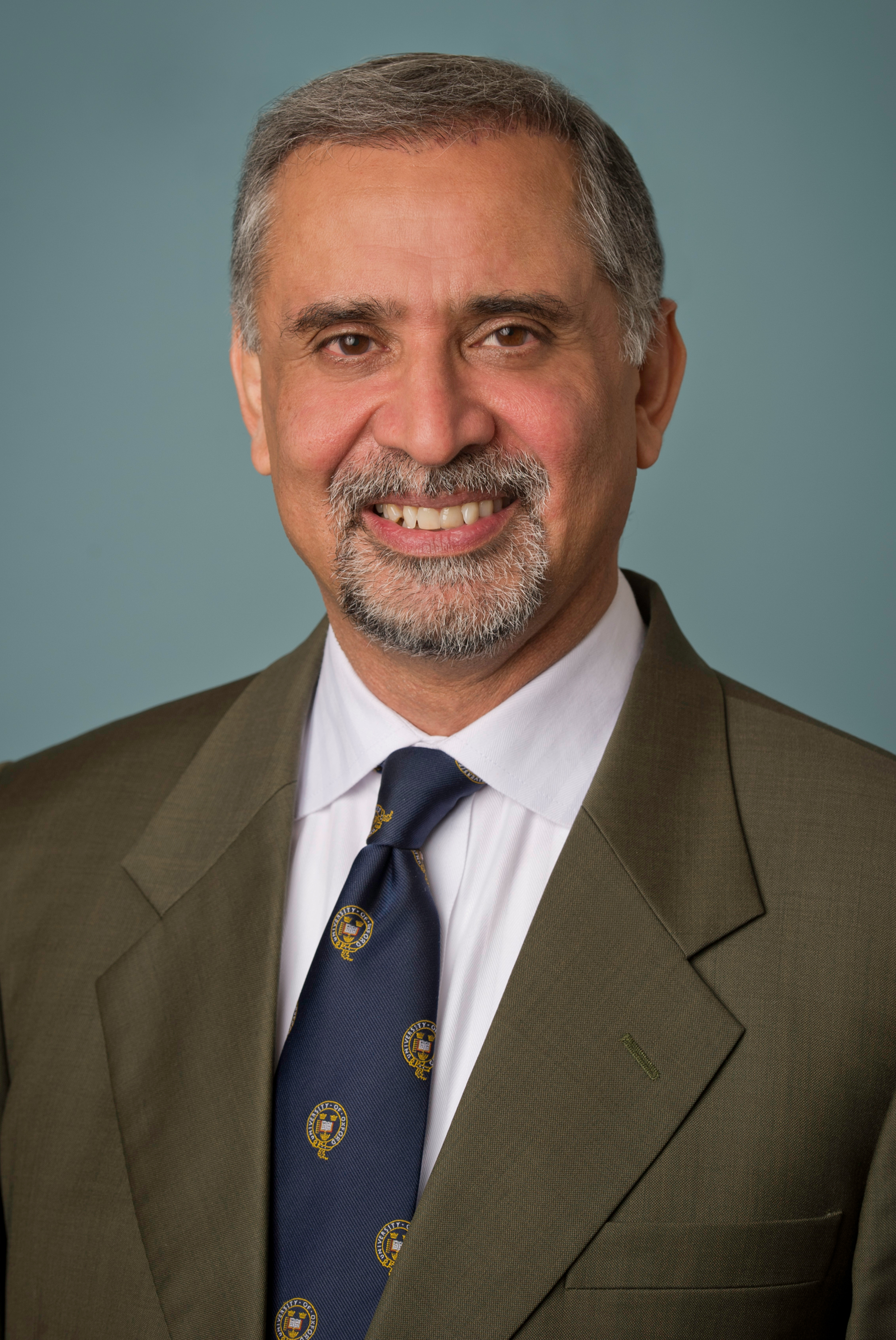
Nehru was a nonresident senior fellow in the Carnegie Asia Program. An expert on development economics, growth, poverty reduction, debt sustainability, governance, and the performance and prospects of East Asia, his research focuses on the economic, political, and strategic issues confronting Asia, particularly Southeast Asia.
Nicholas Lardy
Peterson Institute for International Economics