

{
  "authors": [
    "Kawa Hassan",
    "Rami Khouri",
    "Ibrahim Saif"
  ],
  "type": "event",
  "centerAffiliationAll": "",
  "centers": [
    "Carnegie Endowment for International Peace",
    "Malcolm H. Kerr Carnegie Middle East Center"
  ],
  "collections": [],
  "englishNewsletterAll": "",
  "nonEnglishNewsletterAll": "",
  "primaryCenter": "Carnegie Endowment for International Peace",
  "programAffiliation": "",
  "programs": [],
  "projects": [],
  "regions": [
    "Egypt",
    "Gulf",
    "Levant",
    "Maghreb"
  ],
  "topics": [
    "Political Reform",
    "Economy"
  ]
}
Dignity Revolutions and Western Donors: Redefining Relevance
Fri, February 1st, 2013
Beirut
The Argument
- Revolution, Not Arab Spring: Hassan emphasized the importance of terminology when discussing Arab politics. He argued that the word “revolution” is more accurate than “Arab Spring” because it reflects the full implications of regional developments. He also stressed that prior to these dignity revolutions, the role of civil society was limited in promoting social change—a key reason why the Arab uprisings caught many by surprise.
- Failure to Predict: Hassan suggested that two major factors explain why Western donors failed to foresee the unrest that swept through the Arab world in December 2011. First and foremost, they overestimated the power of Arab autocrats to maintain the status quo. Secondly, he added, Western donors underestimated the power of civil actors to revolutionize state-society relations and to confront the culture of fear.
A Path Forward for Western Donors
- Knowledge Production: Hassan called for Western donors to work on equal footing with Arab think tanks to help build regional capacity.
- Context Analysis: Hassan stressed that data analysis should be conducted by researchers who have a first-hand account of regional developments.
- Patience and Listening: Because transitions to democracy can be arduous, Hassan stated that patience and listening to local actors is key to a successful outcome.
‘Dignity Revolutions’
- Hassan’s Work: Khouri highlighted four key aspects of Hassan’s work:
- NGO-isation of Arab Societies: States across the region have welcomed NGO involvement to ease their own administrative pressures. Because of their heavy presence in Arab societies, Khouri called for a thorough study of NGOs in the Arab world.
- Impact of Foreign Aid: In his discussion, Hassan expressed that foreign aid is often perceived as political intervention and cultural manipulation. Khouri echoed his call for a separate study to examine foreign engagement in Arab countries, both within and outside the region.
- Arab Government Approaches to Western Donors: Khouri stressed that more research needs to explore the relationship between NGOs and Arab governments, particularly where capital flows end up.
- Engagement With Islamic Donors: Khouri reiterated Hassan’s view that the uprisings in the Middle East marked an end of what has been described as “embedded Islamism.” Because Islamist parties are becoming increasingly influential, Western donors should cooperate with them, he argued.
- Patterns in Dignity Revolutions: Khouri looked at two patterns that explain the Arab world’s dignity revolutions:
- Unsustainable Governance: Over twenty-five years of frustration among human rights activists, labor unions, women’s groups, and Arab nationalists led to a lack of popular legitimacy in many Arab states, said Khouri. After people noticed how fragile many of these governments were, revolutions began sweeping through the Arab world.
- Poor Social Conditions: Khouri argued that the failure of many states to meet their citizens’ basic needs, including food, education, freedom of speech, and freedom of assembly, all contributed to the emergence of dignity revolutions across the Arab world.
- Western Aid and Autocrat: Khouri also discussed the implications of Western donors’ support of autocrats in the Middle East, in addition to their allying with the Israeli government. He specifically addressed the contradiction in promoting civil societies though various NGOs, while at the same time, safeguarding autocratic regimes that used security apparatuses to crush domestic opposition.
Carnegie does not take institutional positions on public policy issues; the views represented herein are those of the author(s) and do not necessarily reflect the views of Carnegie, its staff, or its trustees.
Event Speakers
Former Nonresident Scholar, Middle East Center
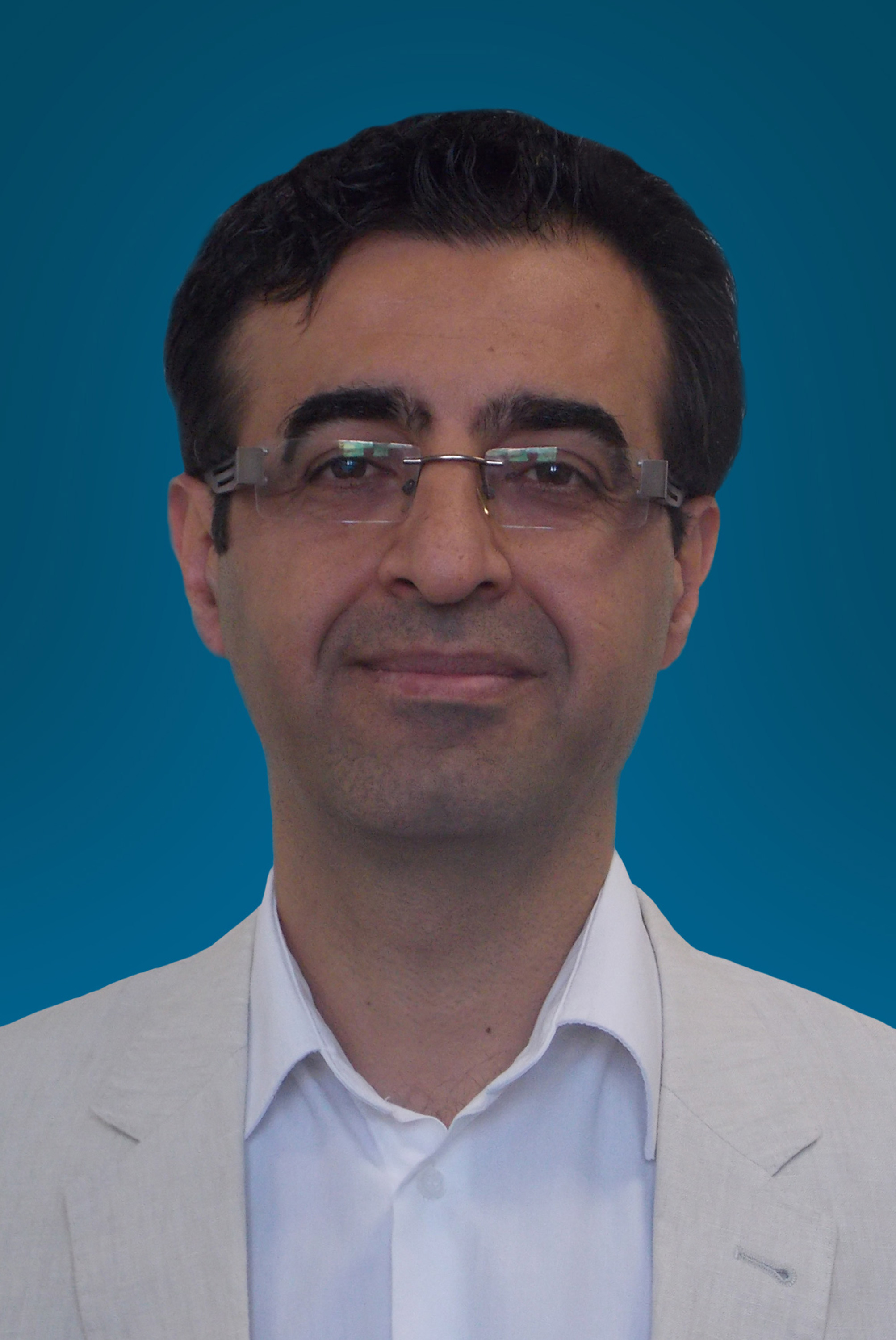
Hassan is a nonresident scholar at the Carnegie Middle East Center, where his research focuses on Kurdish and Iraqi politics, civil society and democratization, donor assistance, and transition processes, especially in the Middle East.
Rami Khouri
Former Senior Associate, Middle East Center

Saif is an economist specializing in the political economy of the Middle East. His research focuses on international trade and structural adjustment programs in developing countries, with emphasis on Jordan and the Middle East.