

{
  "authors": [
    "Steve Coll",
    "Olarenwaju Suraju",
    "Simon Taylor",
    "Sarah Chayes"
  ],
  "type": "event",
  "centerAffiliationAll": "dc",
  "centers": [
    "Carnegie Endowment for International Peace"
  ],
  "collections": [],
  "englishNewsletterAll": "democracy",
  "nonEnglishNewsletterAll": "",
  "primaryCenter": "Carnegie Endowment for International Peace",
  "programAffiliation": "DCG",
  "programs": [
    "Democracy, Conflict, and Governance"
  ],
  "projects": [],
  "regions": [
    "Southern, Eastern, and Western Africa"
  ],
  "topics": [
    "Political Reform",
    "Democracy"
  ]
}
Oil Corruption: How the United States Can Counteract a Curse
Tue, August 8th, 2017
Washington, DC
The oil industry has been entangled in serious corruption controversies, from the legality of some companies’ stance on climate change to dealings with producer-country governments. In response, the U.S. government has shown leadership over the past decade in helping bring more transparency to the sector. What are the dimensions of this problem? What is the status of the U.S. commitment?
Carnegie and Global Witness hosted an engaging discussion of new findings by Global Witness on Shell’s activities in Nigeria, why corruption in this key economic sector matters, and how the U.S. government—and companies—can be part of the solution.
Steve Coll
Steve Coll is dean of the Columbia School of Journalism and a staff writer at The New Yorker. He wrote Private Empire: ExxonMobil and American Power.
Olarenwaju Suraju
Olarenwaju Suraju is a Nigerian anticorruption and environmental activist, chair of that country’s Civil Society Network Against Corruption, and of the Human and Environmental Development Agenda.
Simon Taylor
Simon Taylor is a co-founding director of the international anticorruption organization Global Witness.
Sarah Chayes
Sarah Chayes is a senior fellow in Carnegie’s Democracy and Rule of Law Program, and co-author of “The Oil Curse: A Remedial Role for the Oil Industry.”
Carnegie does not take institutional positions on public policy issues; the views represented herein are those of the author(s) and do not necessarily reflect the views of Carnegie, its staff, or its trustees.
Event Speakers
Steve Coll
Steve Coll is dean of the Columbia School of Journalism.
Olarenwaju Suraju
Olarenwaju Suraju is a Nigerian anticorruption and environmental activist, chair of that country’s Civil Society Network Against Corruption, and of the Human and Environmental Development Agenda.
Simon Taylor
Simon Taylor is a co-founding director of the international anticorruption organization Global Witness.
Former Senior Fellow, Democracy, Conflict, and Governance Program
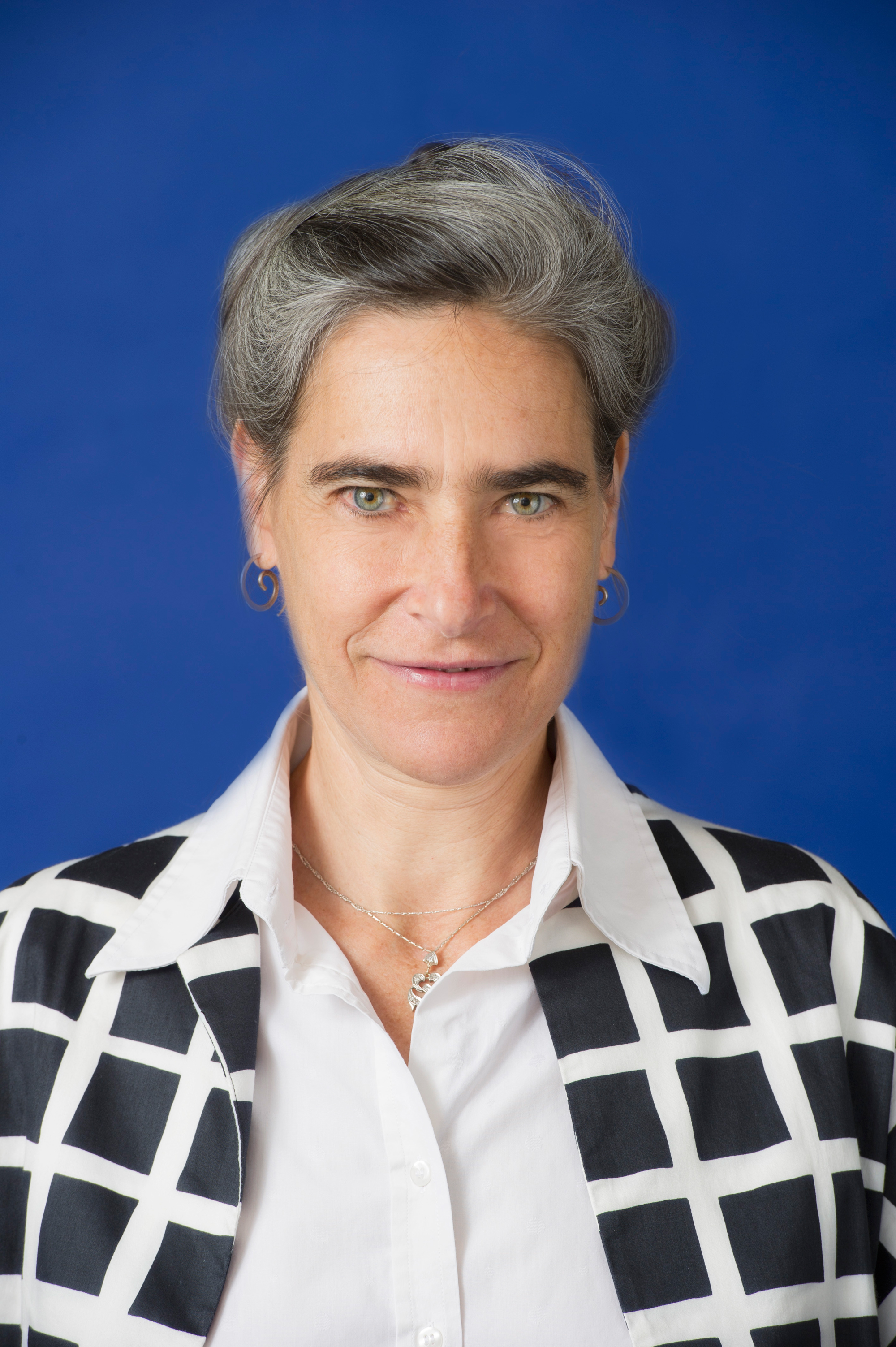
Sarah Chayes is internationally recognized for her innovative thinking on corruption and its implications. Her work explores how severe corruption can help prompt such crises as terrorism, revolutions and their violent aftermaths, and environmental degradation.