

{
  "authors": [
    "Chen Kane",
    "Ankit Panda",
    "Tristan Volpe",
    "Heather Williams",
    "Toby Dalton"
  ],
  "type": "event",
  "centerAffiliationAll": "dc",
  "centers": [
    "Carnegie Endowment for International Peace"
  ],
  "collections": [
    "Renovating the Nuclear Order"
  ],
  "englishNewsletterAll": "ctw",
  "nonEnglishNewsletterAll": "",
  "primaryCenter": "Carnegie Endowment for International Peace",
  "programAffiliation": "NPP",
  "programs": [
    "Nuclear Policy"
  ],
  "projects": [],
  "regions": [
    "Middle East",
    "Iran",
    "East Asia",
    "South Korea",
    "North Korea"
  ],
  "topics": [
    "Nuclear Policy"
  ]
}
Nearly Nuclear: How Small States Compel Concessions from Big States
Thu, April 20th, 2023
In Person, Washington, DC, and Live Online
Over the last seven decades, some small states successfully leveraged the threat of acquiring nuclear weapons to compel concessions from superpowers. This strategy remains alluring today. South Korea, Japan, Iran, and Saudi Arabia have all used the prospect of fielding nuclear forces to pressure the United States for security and other benefits. Investments in nuclear energy programs alongside conventional strike and space launch capabilities make such threats more credible.
But under what conditions does nuclear latency—the technical capacity to build the bomb—enable states to pursue effective coercion? What are the consequences of using nuclear and rocket technology as a bargaining tool in world politics? And how might the further spread of such dual-use capabilities shape the incentives for great powers to consider arms control agreements over their arsenals?
Join Carnegie for a hybrid event to discuss how the availability of nuclear and missile technologies affects the future of the global nuclear order. Drawing on his new book, Leveraging Latency: How the Weak Compel the Strong with Nuclear Technology, Tristan Volpe will discuss how nations can coerce concessions from great powers by threatening to acquire atomic weapons. He will be joined in discussion by Chen Kane, Ankit Panda, and Heather Williams. Toby Dalton will moderate.
Tea, coffee, and pastries will be served.
Carnegie does not take institutional positions on public policy issues; the views represented herein are those of the author(s) and do not necessarily reflect the views of Carnegie, its staff, or its trustees.
Event Speakers
Chen Kane
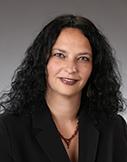
Chen Kane is director of the Middle East Nonproliferation Program at the James Martin Center for Nonproliferation Studies.
Stanton Senior Fellow, Nuclear Policy Program
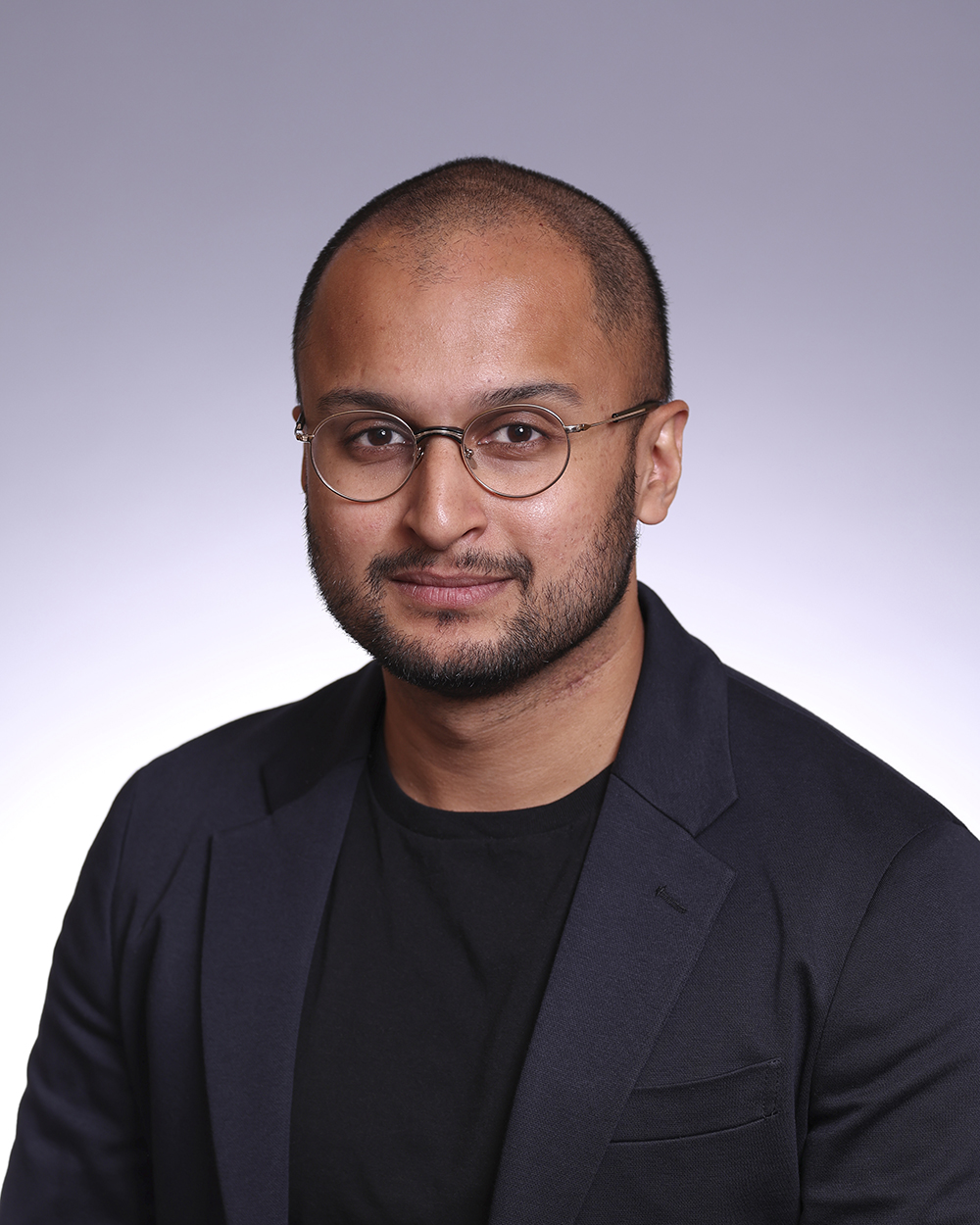
Ankit Panda is the Stanton Senior Fellow in the Nuclear Policy Program at the Carnegie Endowment for International Peace.
Former Nonresident Fellow, Nuclear Policy Program
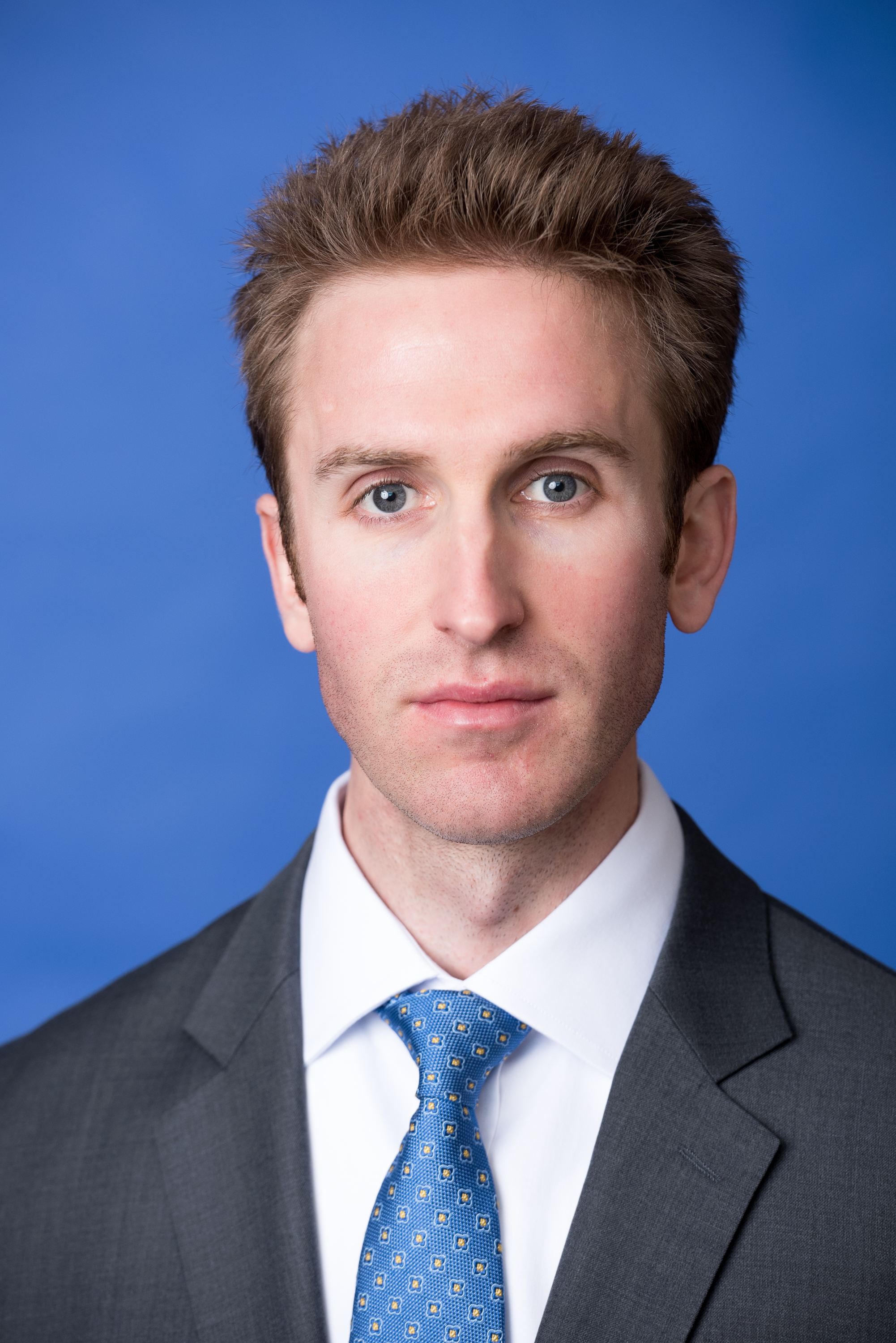
Tristan Volpe was a nonresident fellow at the Carnegie Endowment for International Peace and assistant professor of defense analysis at the Naval Postgraduate School.
Heather Williams

Heather Williams is the director of the Project on Nuclear Issues and a senior fellow in the International Security Program at the Center for Strategic and International Studies (CSIS).
Senior Fellow and Co-director, Nuclear Policy Program

Toby Dalton is a senior fellow and co-director of the Nuclear Policy Program at the Carnegie Endowment. An expert on nonproliferation and nuclear energy, his work addresses regional security challenges and the evolution of the global nuclear order.