

Article
How Ukraine is driving doctrinal change in modern warfare.
Andriy Zagorodnyuk

REQUIRED IMAGE
Source: Carnegie
Summary
The nuclear crisis on the Korean peninsula continues to
pose the most serious security threat to U.S. interests and friends in East
Asia. North Korea's nuclear activities include both an active plutonium
production capability and a still-under-construction uranium enrichment
capability. This program presents a critical security challenge for the United
States, countries in East Asia, and, through North Korea's potential to sell
nuclear materials abroad, the entire world. All of the states engaged with North
Korea agree that the goal of international efforts should be the complete
elimination of North Korea's nuclear program and the firm establishment of a
non-nuclear Korean peninsula.
The papers included in this report are meant to spur discussion and exploration of these complex issues, and give support to efforts to negotiate an agreement that ends the potential for North Korea to directly threaten the security of its neighbors and other countries.
Click on link above for full text of this Carnegie Paper.
About the Authors
Seongwhun Cheon is senior research fellow at the
Korea Institute for National Unification (KINU) in Seoul. Before joining KINU in
1991, he served with the Office of Arms Control, Ministry of National Defense,
Republic of Korea. He is the author of numberous books including U.S. NCM
Initiatives and Security of the Korean Peninsula (Seoul, KINU, 2001).
Fred McGoldrick is principle in the international consulting firm of Bengeslsdorf, McGoldrick and Associates, LLC. He has held senior positions in the U.S. Department of Energy and the U.S. Department of State, where he negotiated U.S. peaceful nuclear cooperation agreements and helped shape U.S. policy to prevent the spread of nuclear weapons.
Jon B. Wolfsthal is deputy director and associate of the Carnegie Endowment's Non-Proliferation Project. Prior to joining the Endowment, he held a number of positions at the U.S. Department of Energy, including service as the U.S. government's on-site monitor at North Korea's nuclear complex at Yongyon. He is the co-author of Deadly Arsenals: Tracking Weapons of Mass Destruction (Carnegie Endowment, 2002).
Click here to read more on issues related to weapons of mass destruction.
A limited number of print copies are also available.
Request
a copy
Carnegie does not take institutional positions on public policy issues; the views represented herein are those of the author(s) and do not necessarily reflect the views of Carnegie, its staff, or its trustees.

How Ukraine is driving doctrinal change in modern warfare.

Andriy Zagorodnyuk

One is hopeful. One is realistic. One is cautionary.

Andrew Leber, Sam Worby

Military rule is now a defining political factor in South Asia. Here’s how analysts can understand and account for it.

Paul Staniland
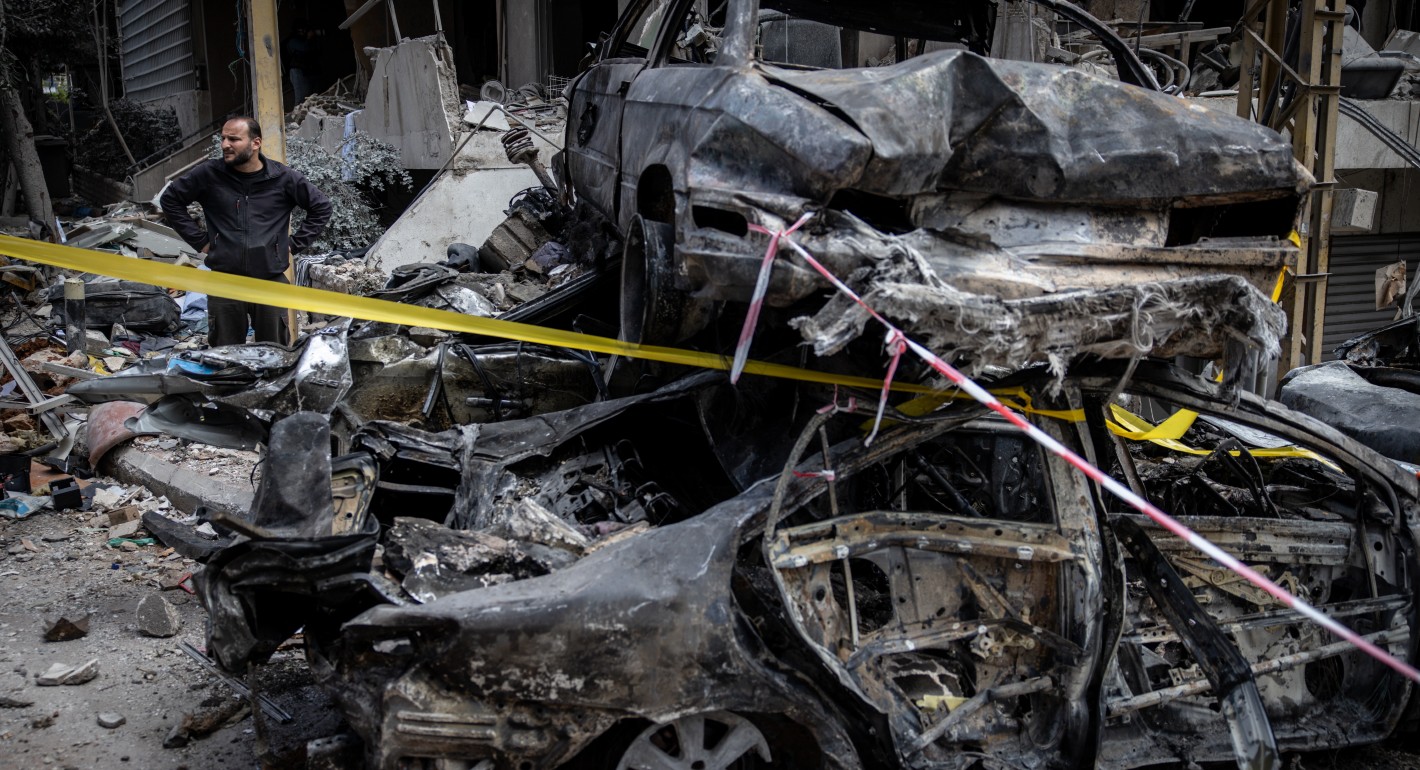
Four Middle East experts analyze the region’s reactions and next steps.


Amr Hamzawy, Andrew Leber, Eric Lob, …
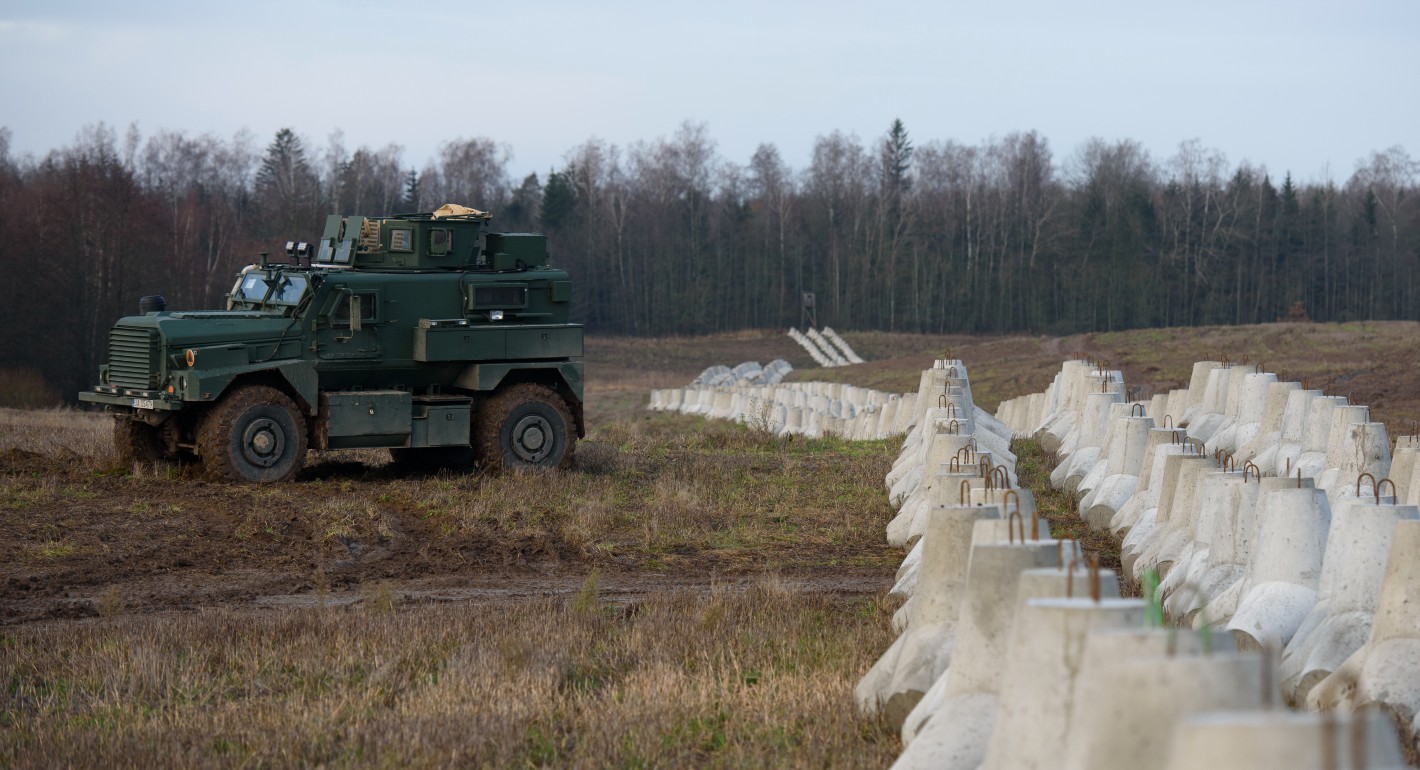
Putin’s blunder has created new and enduring security challenges for Russia and Europe.
Eugene Rumer