• Research
  • Emissary
  • About
  • Experts
Carnegie Global logoCarnegie lettermark logo
DemocracyIran
  • Donate
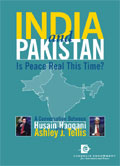
India and Pakistan: Is Peace Real This Time?: A Conversation between Husain Haqqani and Ashley J. Tellis
Report

India and Pakistan: Is Peace Real This Time?: A Conversation between Husain Haqqani and Ashley J. Tellis

Will the latest diplomatic engagement between India and Pakistan lead to lasting peace, or simply be another in a long string of disappointments?

Link Copied
By Mr. Husain Haqqani and Ashley J. Tellis
Published on Apr 1, 2004

Additional Links

Full Text (PDF)
Program mobile hero image

Program

South Asia

The South Asia Program informs policy debates relating to the region’s security, economy, and political development. From strategic competition in the Indo-Pacific to India’s internal dynamics and U.S. engagement with the region, the program offers in-depth, rigorous research and analysis on South Asia’s most critical challenges.

Learn More

Since 1999, when Indian and Pakistani forces briefly fought in the Kargil area of Kashmir, India and Pakistan have experienced extremely strained relations. Tensions got particularly high during 2001–2002, when the two countries deployed a million or more troops along their common border; elements of the two massed forces frequently exchanged artillery fire in Kashmir. The specter of nuclear war haunts any armed conflict between India and Pakistan; India first demonstrated its nuclear capabilities in 1974 and Pakistan in 1998. Even when the two states manage to avoid war, their mutual hostility impedes economic development and gives a reactive cast to their internal politics. Further complicating the situation, Pakistan and India are, in different ways, frontline states in the struggle against terrorism. Thus, when Indian Prime Minister Atal Bihari Vajpayee and Pakistani President General Pervez Musharraf met, with little advance notice, at a regional summit in Pakistan in early January 2004, it behooved U.S. policy makers and other informed Americans to take note of this breakthrough and explore whether and how the United States could enhance the chances of further diplomatic progress.
In the following discussion, Haqqani and Tellis highlight key issues they raised in their respective visits. Both were particularly interested in assessing whether this latest diplomatic engagement would lead to lasting peace, or simply be another in a long string of disappointments.

Click on the link above for full text of this report.

About the Authors
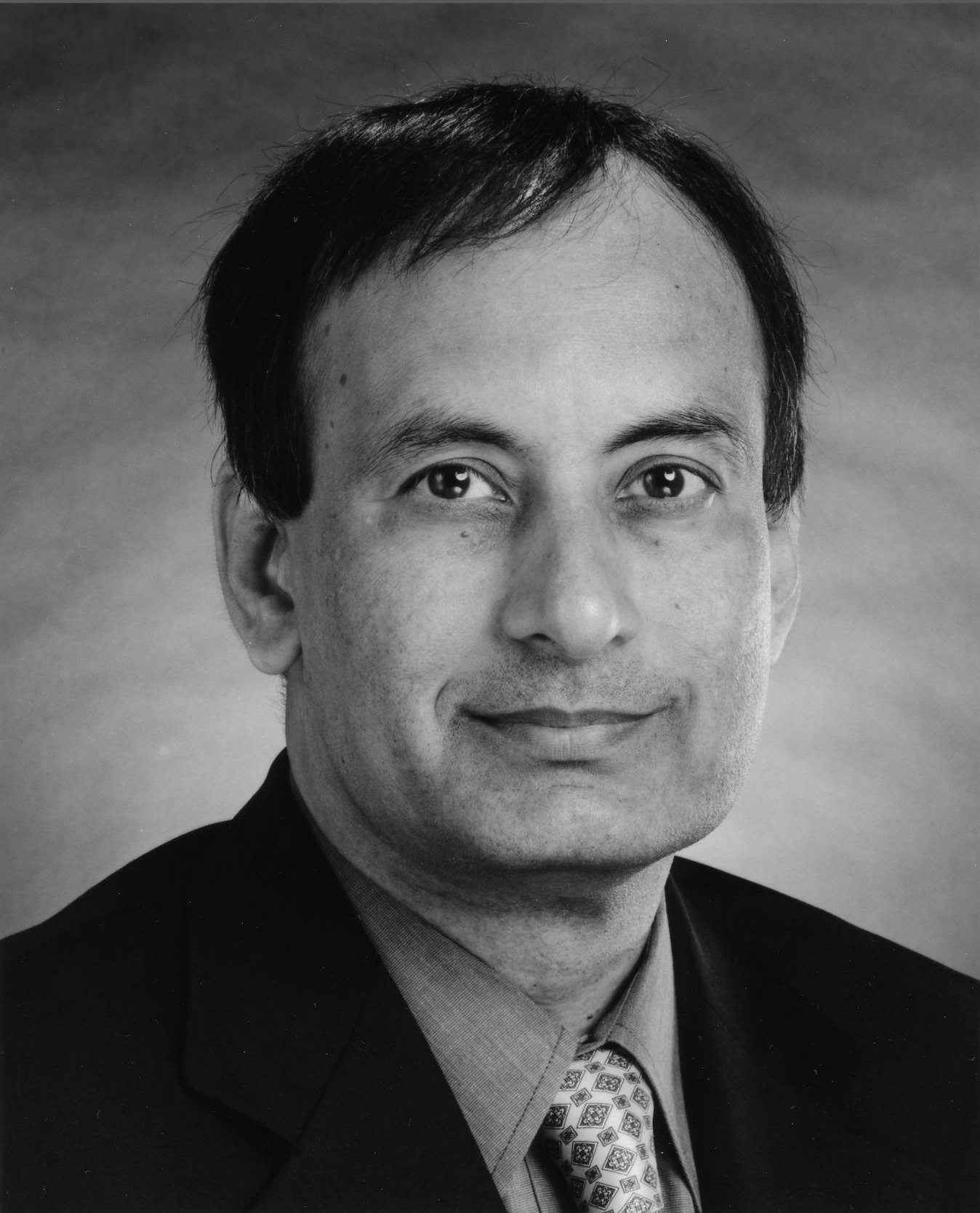
Husain Haqqani is a visiting scholar at the Carnegie Endowment. He is also a leading journalist and diplomat, and a former adviser to Pakistani prime ministers, as well as a syndicated columnist for the Indian Express, Gulf News, and The Nation (Pakistan). He is the author of Pakistan: Between Mosque and Military (Carnegie Endowment for International Peace, 2005).

Ashley J. Tellis is a senior associate at the Carnegie Endowment for International Peace in Washington, D.C. Previously, he served as senior adviser to the ambassador at the embassy of the United States in India. He also served on the National Security Council staff as special assistant to the president and senior director for strategic planning and Southwest Asia. Before his government service, he was for eight years a senior policy analyst at RAND and professor of policy analysis at the RAND graduate school. He is the author of India’s Emerging Nuclear Posture and co-author of Interpreting China’s Grand Strategy. He has co-edited Strategic Asia 2004-05: Confronting Terrorism in the Pursuit of Power and Strategic Asia 2005-06: Military Modernization in an Era of Uncertainty.
About the Authors

Mr. Husain Haqqani

Former Visiting Scholar

Ashley J. Tellis

Former Senior Fellow

Ashley J. Tellis was a senior fellow at the Carnegie Endowment for International Peace.

Authors

Mr. Husain Haqqani
Former Visiting Scholar
Husain Haqqani
Ashley J. Tellis
Former Senior Fellow
United StatesSouth AsiaIndiaPakistan

Carnegie does not take institutional positions on public policy issues; the views represented herein are those of the author(s) and do not necessarily reflect the views of Carnegie, its staff, or its trustees.

More Work from Carnegie Endowment for International Peace

  • Shipping port at dawn from above
    Commentary
    Emissary
    The U.S. Export-Import Bank Was Built for a Different Era. Here's How to Fix It.

    Five problems—and solutions—to make it actually work as a tool of great power competition.
      • Afren Akhter

      Afreen Akhter

  • Commentary
    Carnegie Politika
    Russia Is Meddling for Meddling’s Sake in the Middle East

    The Russian leadership wants to avoid a dangerous precedent in which it is squeezed out of Iran by the United States and Israel—and left powerless to respond in any meaningful way.

      Nikita Smagin
  • Commentary
    Strategic Europe
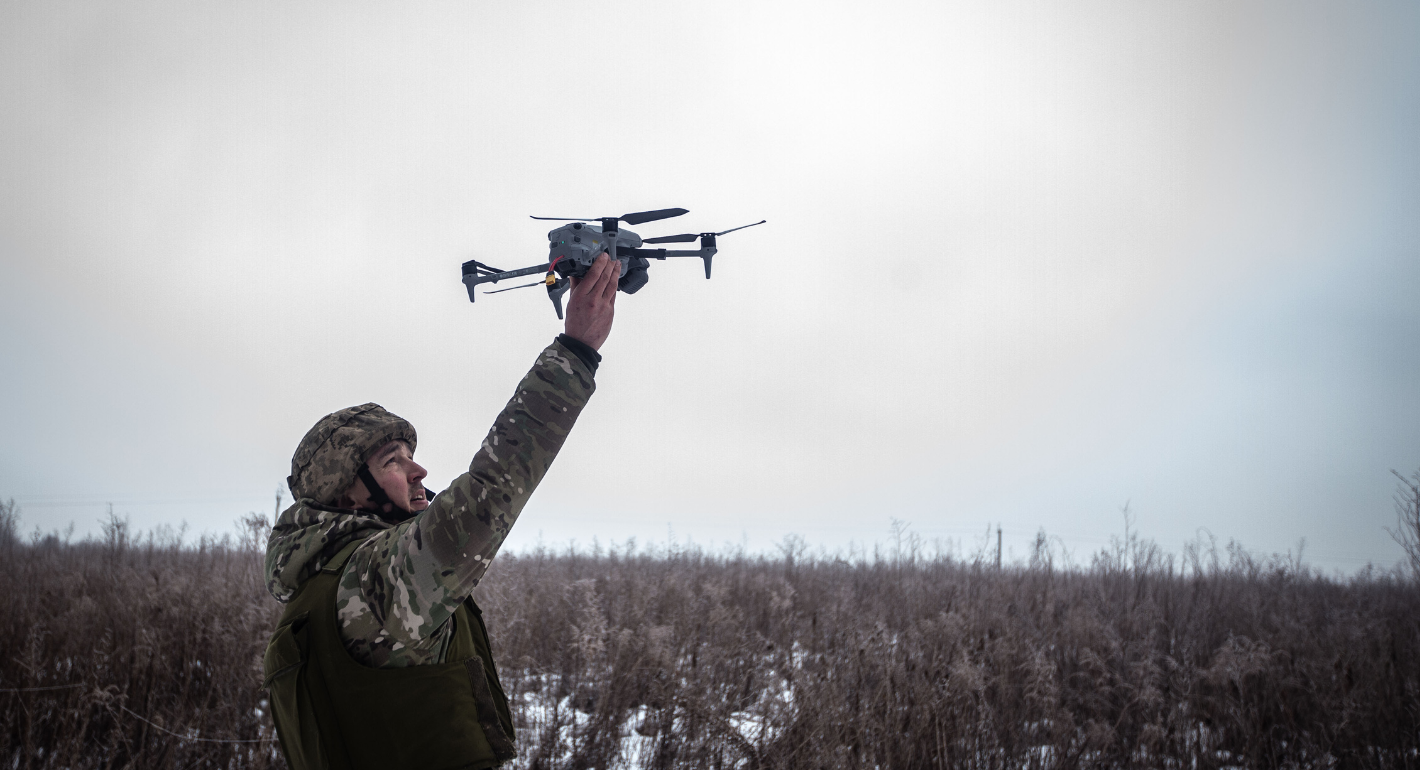
    The Fog of AI War

    In Ukraine, Gaza, and Iran, AI warfare has come to dominate, with barely any oversight or accountability. Europe must lead the charge on the responsible use of new military technologies.

      Raluca Csernatoni
  • Commentary
    Diwan
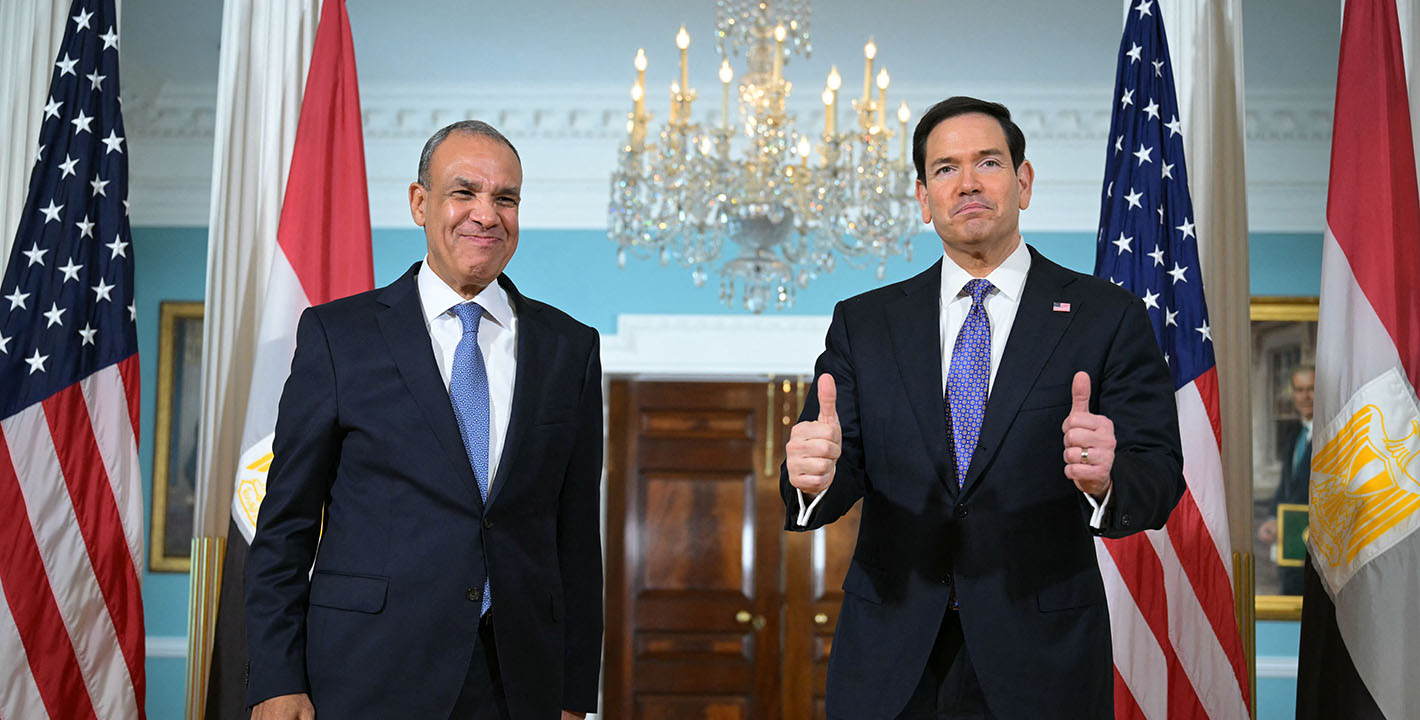
    Egypt’s Discrete Role in the Ceasefire with Iran

    Cairo’s efforts send a message to the United States and the region that it still has a place at the diplomatic table.

      • Angie Omar

      Angie Omar

  • Army personnel stand guard after a pro-monarchy protest turns violent in Kathmandu, Nepal, on March 28, 2025.
    Article
    The Shadow of the Military in Modern South Asia

    Military rule is now a defining political factor in South Asia. Here’s how analysts can understand and account for it.

      Paul Staniland

Get more news and analysis from
Carnegie Endowment for International Peace
Carnegie global logo, stacked
1779 Massachusetts Avenue NWWashington, DC, 20036-2103Phone: 202 483 7600Fax: 202 483 1840
  • Research
  • Emissary
  • About
  • Experts
  • Donate
  • Programs
  • Events
  • Blogs
  • Podcasts
  • Contact
  • Annual Reports
  • Careers
  • Privacy
  • For Media
  • Government Resources
Get more news and analysis from
Carnegie Endowment for International Peace
© 2026 Carnegie Endowment for International Peace. All rights reserved.