

Podcast Episode
Join Aaron David Miller as engages Admiral McRaven in a wide-ranging discussion of the state and fate of the American republic at home and abroad, on Carnegie Connects.
Aaron David Miller, Admiral William H. McRaven
Join Aaron David Miller as he assesses the state of the Trump administration's plan to end the war in Gaza with Carnegie’s Marwan Muasher, Israel Policy Forum’s Nimrod Novik, and former Palestinian Authority adviser Manal Zeidan, on the next Carnegie Connects.
As 2025 draws to a close, the fate of the Trump administration’s twenty point plan to end the war in Gaza, disarming Hamas and withdrawing Israeli forces, and facilitate good governance, security and reconstruction, has run headlong into harsh Middle Eastern realities. The administration is promising a transition to phase two by the end of the year, but the status of the International Stabilization Force and an on the ground Palestinian governing structure seem more theoretical than real.
What are the chances of implementation of the Trump plan, particularly on security? What, or who, will actually govern Gaza? And what of the other U.S. efforts in Lebanon, Syria, and Iran? Join Aaron David Miller as he addresses these issues and others with Carnegie’s Marwan Muasher, Israel Policy Forum’s Nimrod Novik, and former Palestinian Authority adviser Manal Zeidan, on the next Carnegie Connects.
Carnegie does not take institutional positions on public policy issues; the views represented herein are those of the author(s) and do not necessarily reflect the views of Carnegie, its staff, or its trustees.

Join Aaron David Miller as engages Admiral McRaven in a wide-ranging discussion of the state and fate of the American republic at home and abroad, on Carnegie Connects.

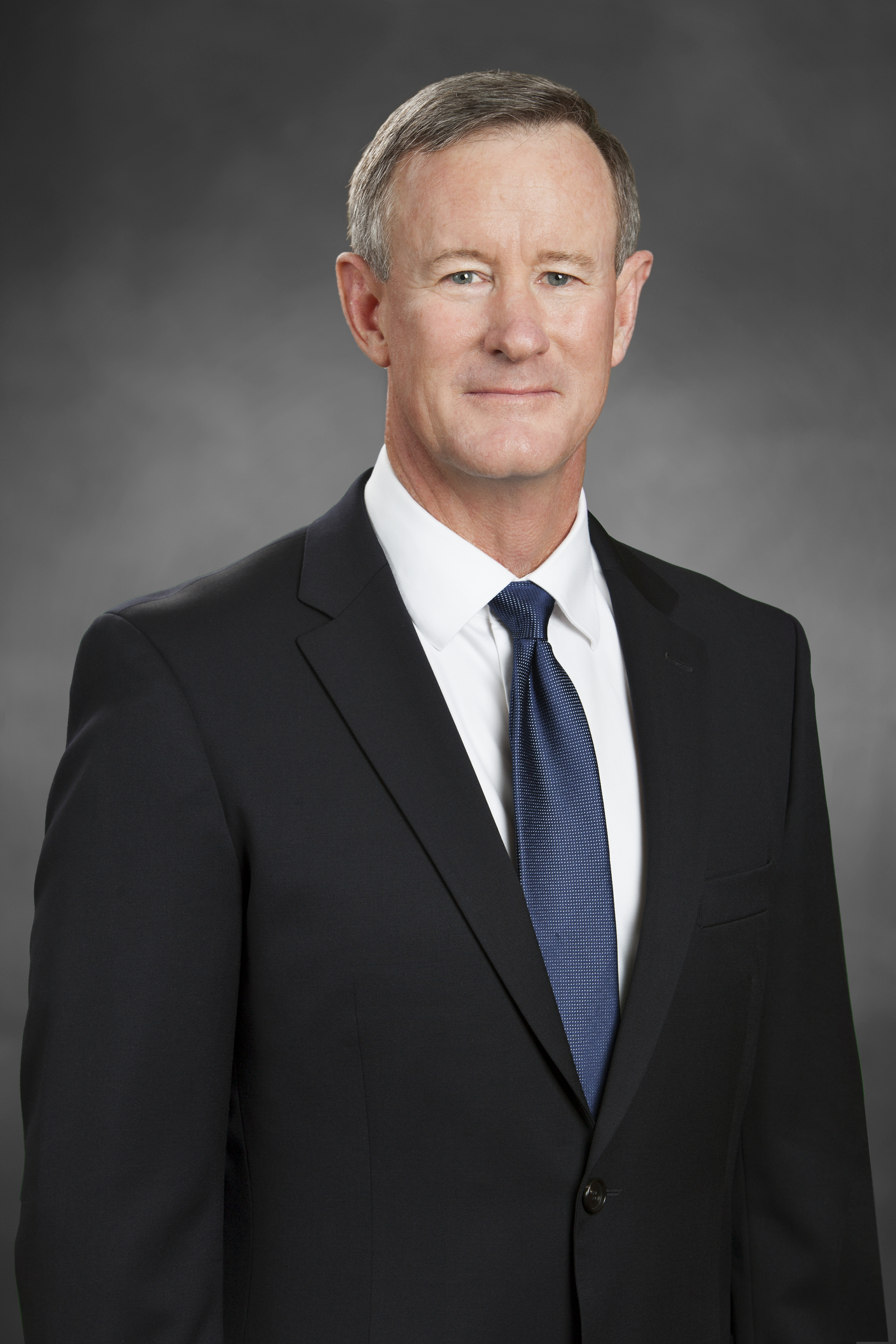
Aaron David Miller, Admiral William H. McRaven
Join Aaron David Miller as he engages the Brookings Institution’s Suzanne Maloney and the Carnegie Endowment’s Karim Sadjadpour in a wide-ranging conversation on these and other issues, on Carnegie Connects.


Aaron David Miller, Suzanne Maloney, Karim Sadjadpour
Join Aaron David Miller as engages the Institute for National Security Studies’ Danny Citrinowicz in a wide-ranging conversation analyzing the current state of the alliance and where the U.S.-Israel relationship goes from here.

Aaron David Miller, Danny Citrinowicz

Aaron David Miller, David Rennie
Join Aaron David Miller as he engages the University of Miami’s Michael Bustamante and Ricardo Zuniga of Dinámica Americas in a broad ranging conversation on the past, present, and future of U.S.-Cuba relations.
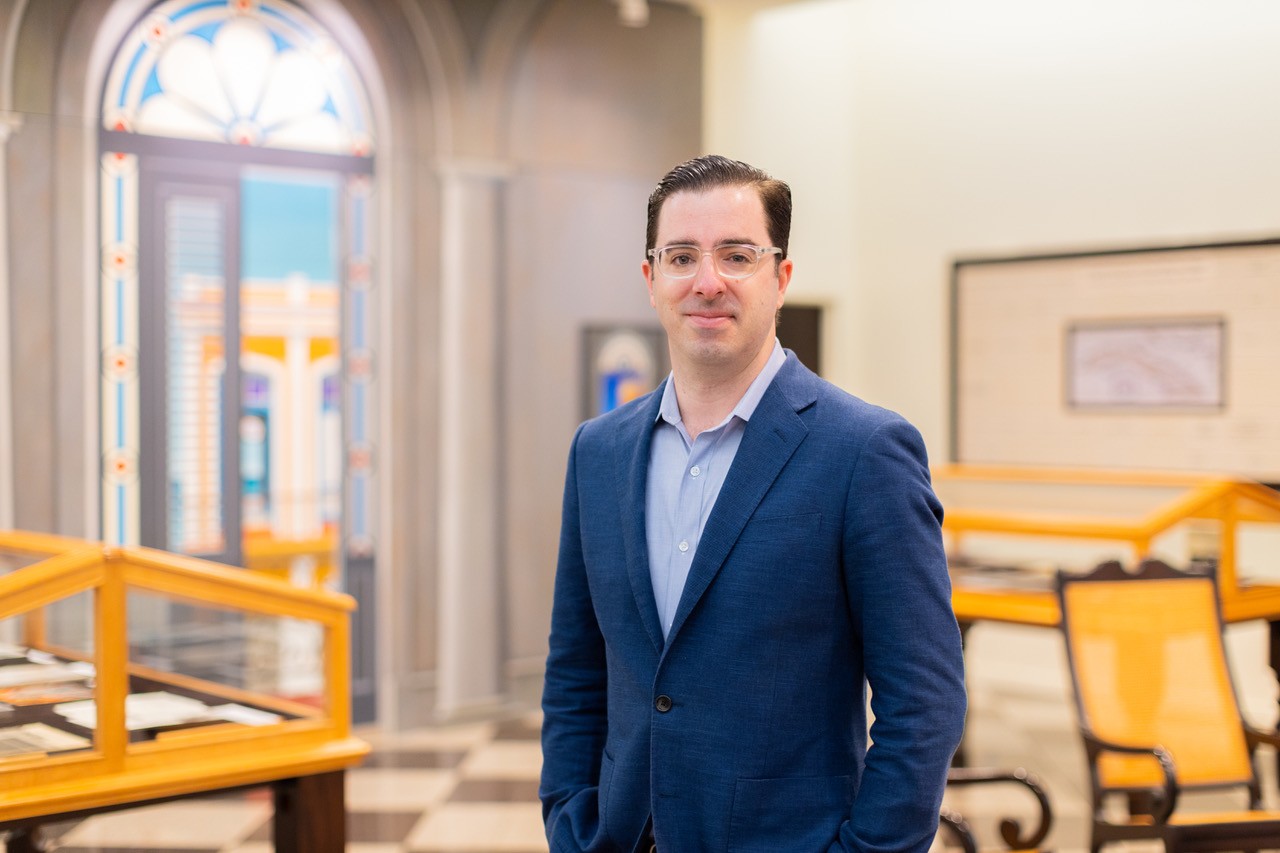
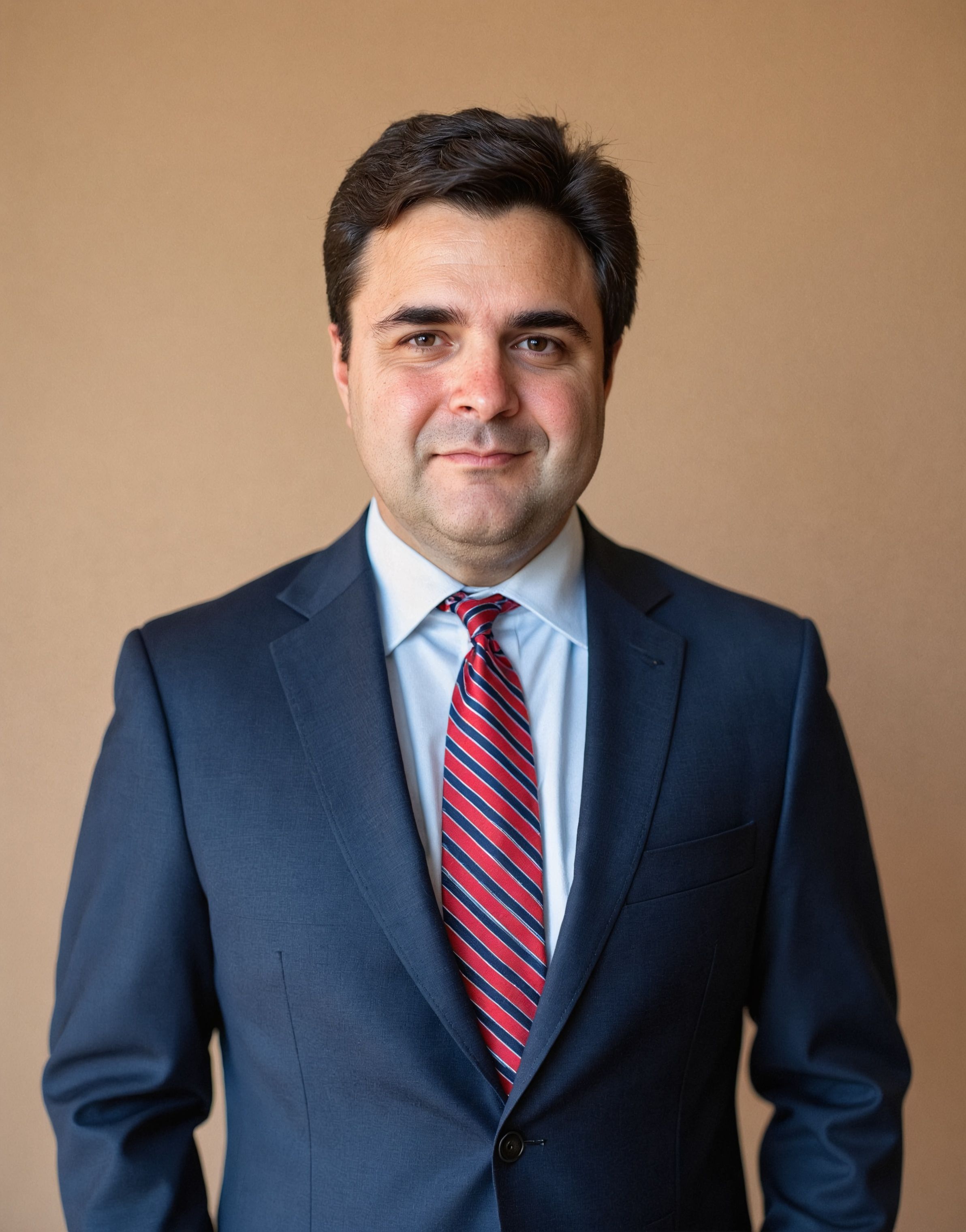
Aaron David Miller, Michael J. Bustamante, Ricardo Zuniga