

Podcast Episode
Join Aaron David Miller as he engages S.E. Cupp and Ron Brownstein, two leading American political analysts, in conversation on Israel and domestic U.S. politics, on Carnegie Connects.
Aaron David Miller, S.E. Cupp, Ron Brownstein
Join Aaron David Miller as he engages the University of Miami’s Michael Bustamante and Ricardo Zuniga of Dinámica Americas in a broad ranging conversation on the past, present, and future of U.S.-Cuba relations.
Cuba has presented a long-standing dilemma for American foreign policymakers. The nation was at the center of the most fraught moment in recent American history, bringing the U.S. and former Soviet Union to the cusp of nuclear during the Cuban Missile Crisis. In the decades since, U.S. presidents have continued to struggle to create an effective their policy for engaging with a Castro-dominated Cuba. Now, President Trump has declared “Cuba is next,” implying that the country could be the administration’s latest target.
Why has the Cuba puzzle been so hard to solve? What policy makes the most sense to advance U.S. interests, and presents an opportunity for a bipartisan consensus? How have domestic politics—particularly the views of the Cuban-American community—shaped American policy?
Join Aaron David Miller as he engages the University of Miami’s Michael Bustamante and Ricardo Zuniga of Dinámica Americas in a broad ranging conversation on the past, present, and future of U.S.-Cuba relations, on the next Carnegie Connects.
Carnegie does not take institutional positions on public policy issues; the views represented herein are those of the author(s) and do not necessarily reflect the views of Carnegie, its staff, or its trustees.
Join Aaron David Miller as he engages S.E. Cupp and Ron Brownstein, two leading American political analysts, in conversation on Israel and domestic U.S. politics, on Carnegie Connects.


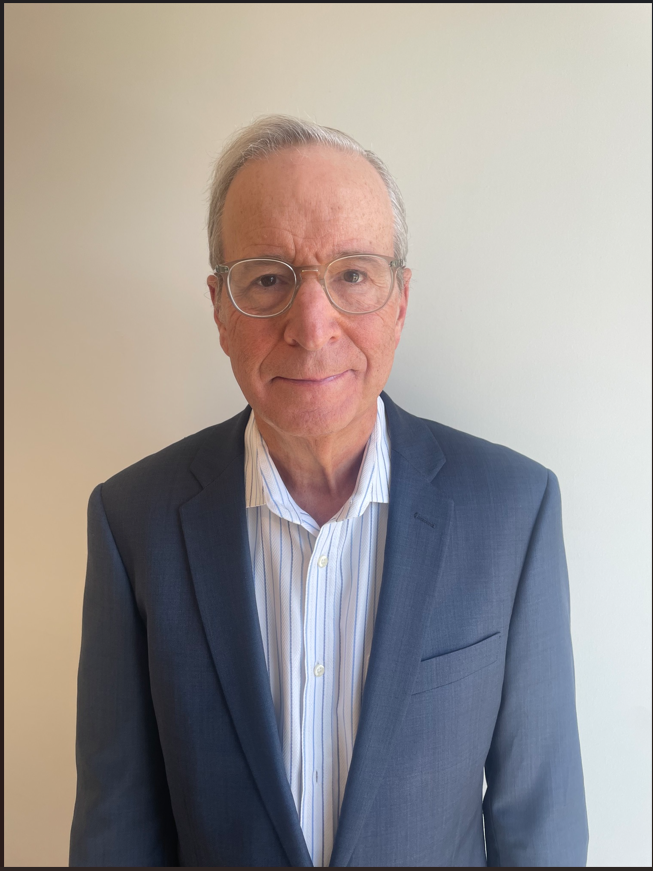
Aaron David Miller, S.E. Cupp, Ron Brownstein
Join Aaron David Miller in conversation with three former American negotiators: Robert Malley and Alan Eyre, members of the negotiating team for the Joint Comprehensive Plan of Action (JCPOA) in 2015; and Michael Singh, former senior director for Middle East affairs at the National Security Council during President George W. Bush’s administration (2005-2008), to discuss the best path forward for the U.S. and Iran, on Carnegie Connects.
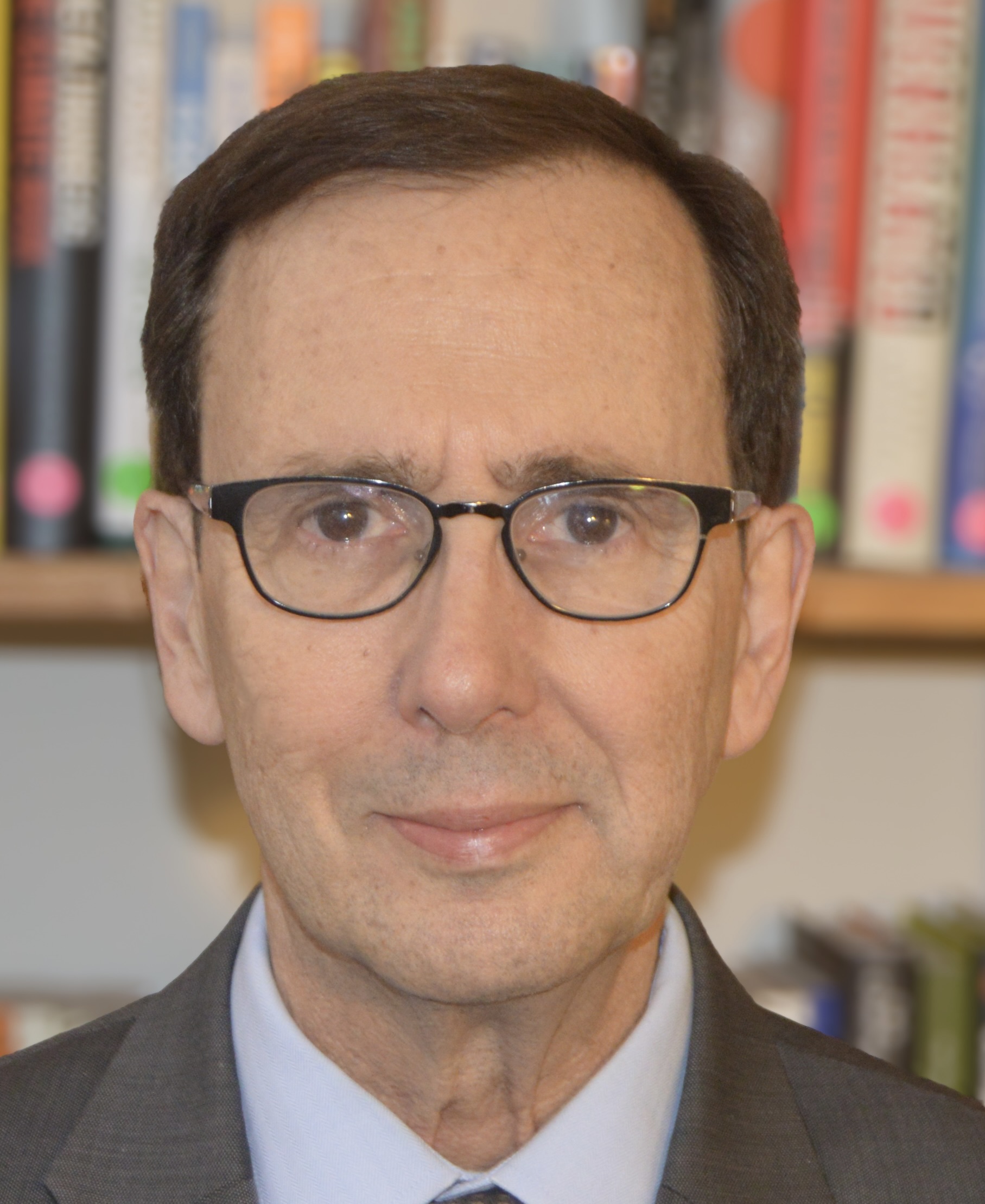
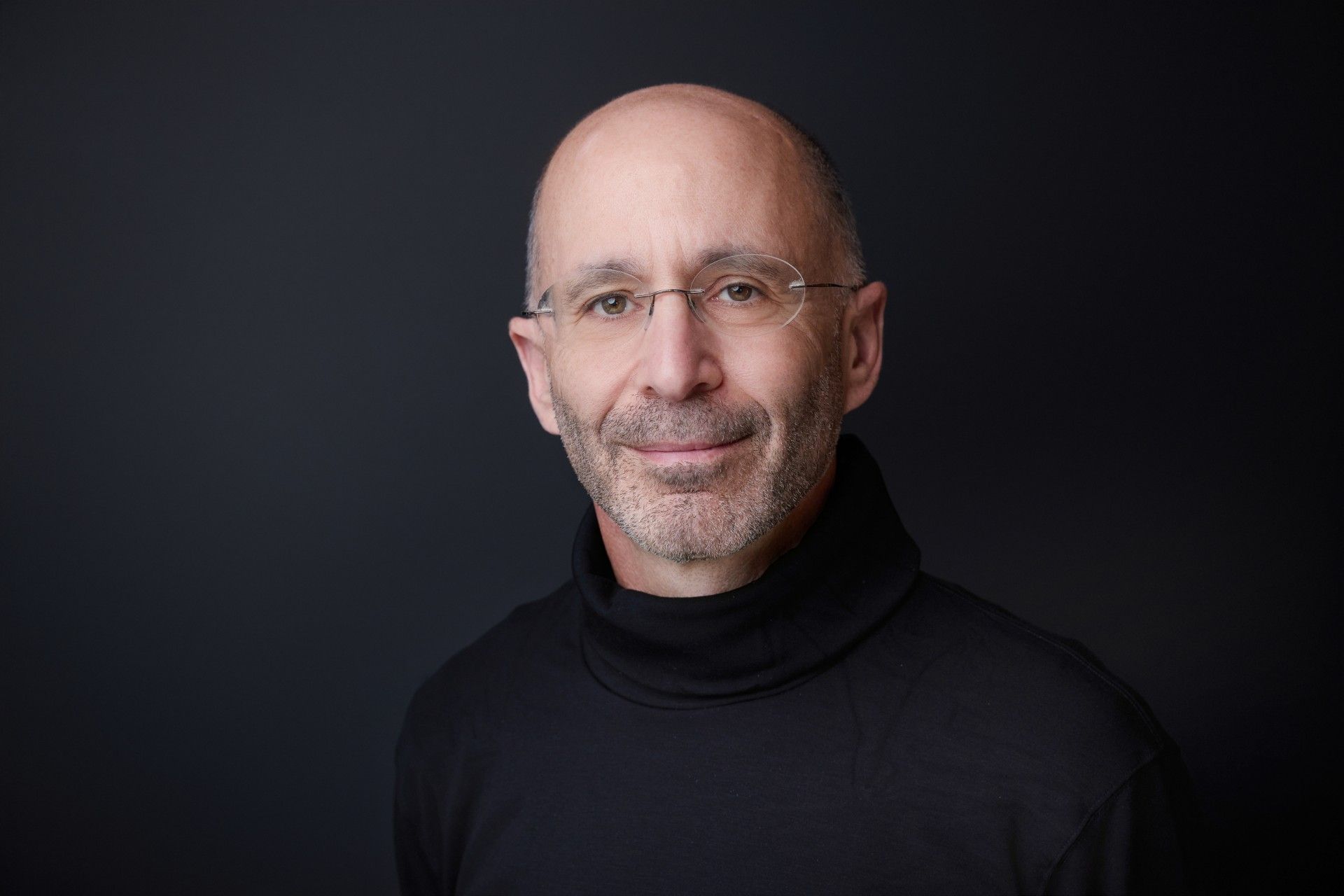
Aaron David Miller, Alan Eyre, Robert Malley, …
Join Aaron David Miller as engages Admiral McRaven in a wide-ranging discussion of the state and fate of the American republic at home and abroad, on Carnegie Connects.
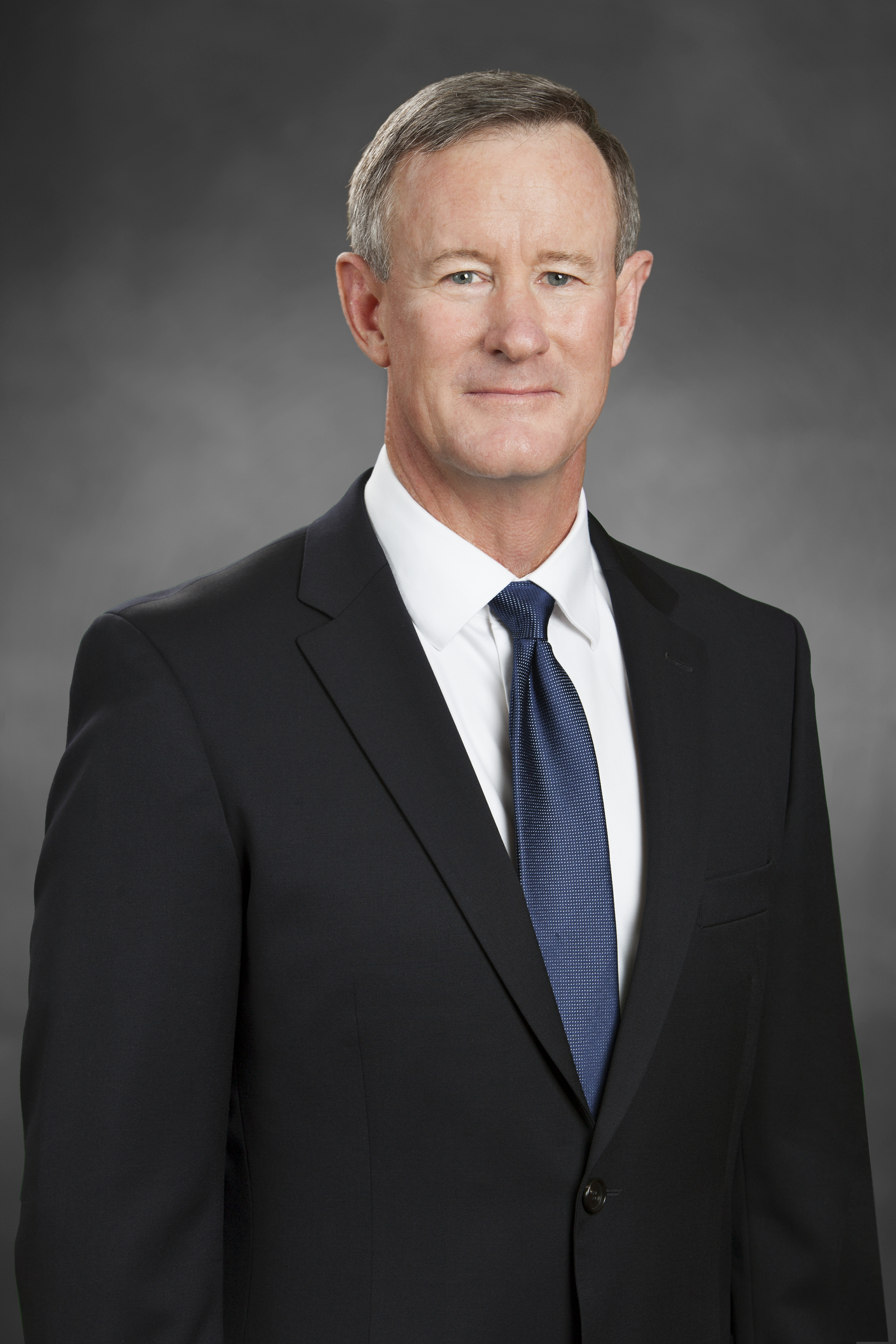
Aaron David Miller, Admiral William H. McRaven
Join Aaron David Miller as he engages the Brookings Institution’s Suzanne Maloney and the Carnegie Endowment’s Karim Sadjadpour in a wide-ranging conversation on these and other issues, on Carnegie Connects.


Aaron David Miller, Suzanne Maloney, Karim Sadjadpour
Join Aaron David Miller as engages the Institute for National Security Studies’ Danny Citrinowicz in a wide-ranging conversation analyzing the current state of the alliance and where the U.S.-Israel relationship goes from here.

Aaron David Miller, Danny Citrinowicz