• Research
  • Emissary
  • About
  • Experts
Carnegie Global logoCarnegie lettermark logo
DemocracyIran
  • Donate
Podcast Episode

Decolonization and India’s Constitutional Order

Scholar Sandipto Dasgupta's new book, Legalizing the Revolution: India and the Constitution of the Postcolony explores India's post-colonial development and institutional reform. He joins Milan this week to share key takeaways from his book and the post-colonial era's lasting impact on India.

Link Copied
By Milan Vaishnav and Sandipto Dasgupta
Published on May 27, 2025

Subscribe on

Apple PodcastsOvercastSpotifyYoutube

Anticolonial movements of the 20th century generated audacious ideas of freedom. After decolonization, however, the challenge was to give an institutional form to those radical ideas.

Legalizing the Revolution: India and the Constitution of the Postcolony is a new book by the scholar Sandipto Dasgupta which provides an innovative account of how India ultimately addressed this daunting challenge.

It's a fresh, somewhat revisionist look at the making of the postcolonial constitutional order and tries to place the current crisis of liberal democracy in proper historical and conceptual context.

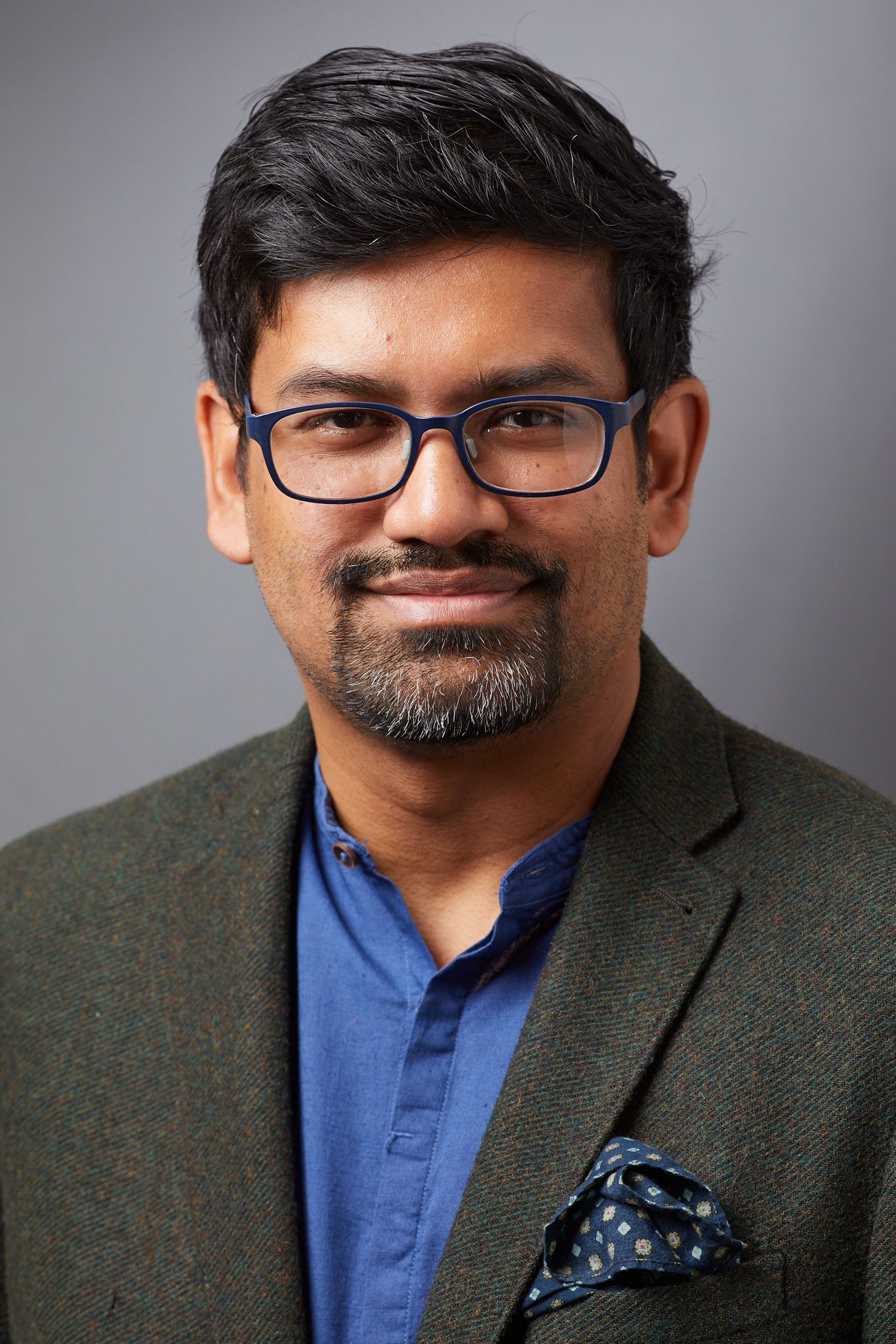
Sandipto is an assistant professor of politics at the New School for Social Research, where he works on the history of modern political and social thought, especially the political theory of empire, decolonization, and postcolonial order.

To talk more about his book, Sandipto joins Milan on the podcast this week. They discuss the two-way relationship between decolonization and constitution-making, the absence of representation unity between the Congress Party and the masses, and why India’s leaders believed a planned economy would forestall a social revolution. Plus, the two discuss how the absence—rather than the excesses—of democracy have led to rising majoritarianism.

Episode notes:

1. “Republic Day Episode: Madhav Khosla on India’s Founding Moment,” Grand Tamasha, January 28, 2020.

2. Sandipto Dasgupta, “Gandhi’s Failure: Anticolonial Movements,” Perspectives on Politics 15, no. 3 (2017).

3. Sandipto Dasgupta, “‘A Language Which Is Foreign to Us’: Continuities and Anxieties in the Making of the Indian Constitution,” Comparative Studies of South Asia, Africa and the Middle East 34, no. 2 (2014): 228–242.

Hosted by

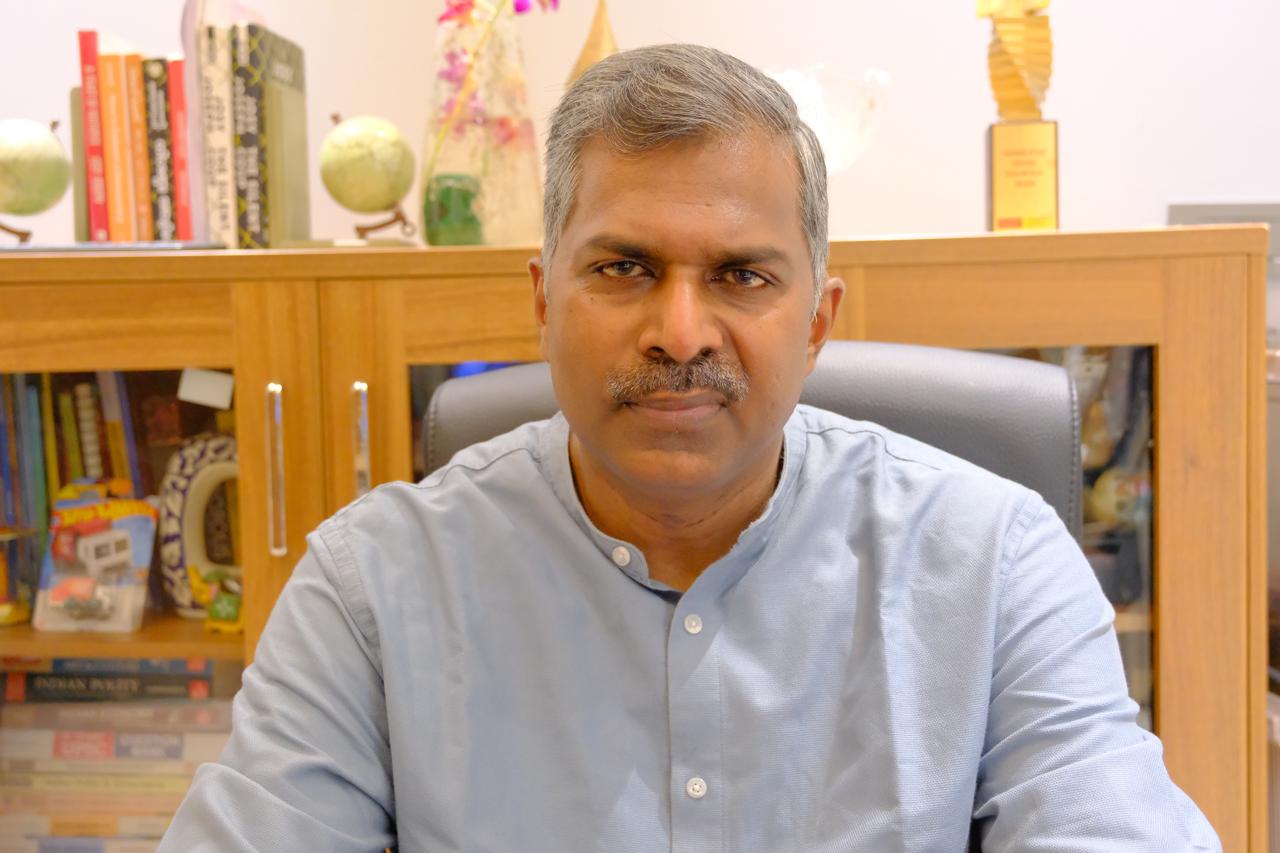
Milan Vaishnav
Director and Senior Fellow, South Asia Program
Milan Vaishnav

Featuring

Sandipto Dasgupta
Sandipto Dasgupta

Carnegie does not take institutional positions on public policy issues; the views represented herein are those of the author(s) and do not necessarily reflect the views of Carnegie, its staff, or its trustees.

More Work from Grand Tamasha

  • Podcast Episode
    India’s Middle Class Hits a Breaking Point

    Facing a convergence of job disruption, wage stagnation, and rising debt, the Indian middle class may no longer be the engine of growth it once was. This is the argument made in a new book titled, Breakpoint: The Crisis of the Middle Class and the Future of Work. It is authored by Saurabh Mukherjea, along with Nandita Rajhansa and Sapana Bhavsar.

      • Saurabh Mukherjea
      • Nandita Rajhansa

      Milan Vaishnav, Saurabh Mukherjea, Nandita Rajhansa

  • Podcast Episode
    Inside The Complex: Family, Power, and India in Turmoil

    On this week’s show, Milan sits down with the novelist Karan Mahajan, author of a much-anticipated new novel, The Complex. Karan is an associate professor in Literary Arts at Brown University and the author of the books Family Planning and The Association of Small Bombs.

      • Karan Mahajan

      Milan Vaishnav, Karan Mahajan

  • Podcast Episode
    Can India Thrive in Trump’s World?

    The second Trump administration has adopted a more assertive and unpredictable approach to U.S. foreign policy. For India, this evolving context raises several important questions about the viability of its foreign policy approach.

      • +1

      Milan Vaishnav, Shoumitro Chatterjee, Sameer Lalwani, …

  • Podcast Episode
    Inside Washington: Ami Bera on Shifting U.S.–India Ties

    Over the past two decades, Washington and New Delhi have drawn steadily closer—driven by shared concerns about China, expanding economic ties, and a growing Indian diaspora in the United States. To help us unpack all of this, this week Milan spoke with Congressman Ami Bera in his office on Capitol Hill.

      • Ami Bera

      Milan Vaishnav, Ami Bera

  • Podcast Episode
    India’s AI Moment?

    Just weeks ago, India hosted the 2026 AI Impact Summit, the latest chapter in a global process that began in 2023 in the UK. For the Modi government, the summit was part diplomatic showcase, part investment pitch, and part declaration of ambition. To talk more about the summit and its key takeaways, Milan is joined on the show this week by Anirudh Suri, a nonresident scholar with Carnegie India.

      Milan Vaishnav, Anirudh Suri

Get more news and analysis from
Carnegie Endowment for International Peace
Carnegie global logo, stacked
1779 Massachusetts Avenue NWWashington, DC, 20036-2103Phone: 202 483 7600Fax: 202 483 1840
  • Research
  • Emissary
  • About
  • Experts
  • Donate
  • Programs
  • Events
  • Blogs
  • Podcasts
  • Contact
  • Annual Reports
  • Careers
  • Privacy
  • For Media
  • Government Resources
Get more news and analysis from
Carnegie Endowment for International Peace
© 2026 Carnegie Endowment for International Peace. All rights reserved.