• Research
  • Emissary
  • About
  • Experts
Carnegie Global logoCarnegie lettermark logo
DemocracyIran
  • Donate
Podcast Episode

Kishore Mahbubani and the Asian Century

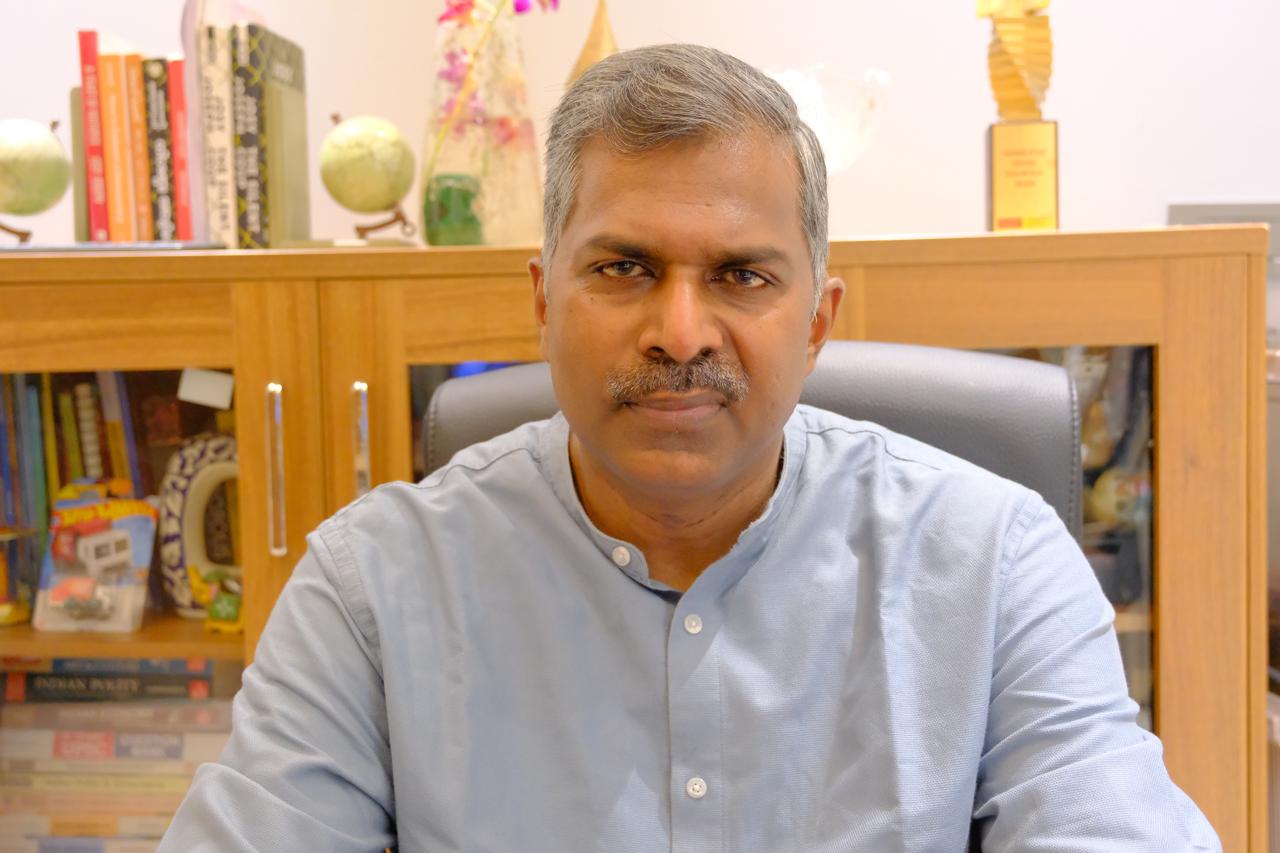
Kishore Mahbubani brings his decades of experience as a diplomat and strategic analyst to the podcast this week to share key lessons from his storied life and career with Milan, drawing on his memoir, Living the Asian Century: An Undiplomatic Memoir.

Link Copied
By Milan Vaishnav and Kishore Mahbubani
Published on Mar 25, 2025

Subscribe on

Apple PodcastsOvercastSpotifyYoutube

Kishore Mahbubani is widely regarded as one of Asia’s most well-known diplomats, commentators, and strategic analysts. Having grown up in poverty in Singapore in the 1950s, however, there was nothing preordained about Mahbubani’s success.

But over the course of the second half of the twentieth century, he would go on to become one of the most recognizable and revered diplomats of his generation.

Mahbubani served in Cambodia, Malaysia, and the United States. He was Permanent Secretary at the Singapore Ministry of Foreign Affairs and twice served as the country’s Permanent Representative to the United Nations. He later served as founding dean of the Lee Kuan Yew School of Public Policy.

Mahbubani chronicles his life journey in a new memoir titled, Living the Asian Century: An Undiplomatic Memoir.

Mahbubani’s journey mirrors Singapore’s own metamorphosis and the book sheds equal light on Mahbubani’s life as it does the Asian country’s own improbable evolution.

To talk more about the book, Kishore Mahbubani joins Milan on the podcast this week. They discuss Kishore’s childhood poverty, his “Indian soul,” and his lifelong interactions with former Singaporean Prime Minister Lee Kuan Yew. Plus, Milan and Kishore discuss the explosion of cultural self-confidence in Asia and what this means for the emerging world order.

Episode notes:

1. [open access] Kishore Mahbubani, The Asian 21st Century (Springer, 2022).

2. Kishore Mahbubani, “It’s Time for Europe to Do the Unthinkable,” Foreign Policy, February 18, 2025.

3. Tony Chan et al., “America Can’t Stop China’s Rise,” Foreign Policy, September 19, 2023.

4. Kishore Mahbubani and Lawrence H. Summers, “The Fusion of Civilizations: The Case for Global Optimism,” Foreign Affairs (May/June 2016).

Hosted by

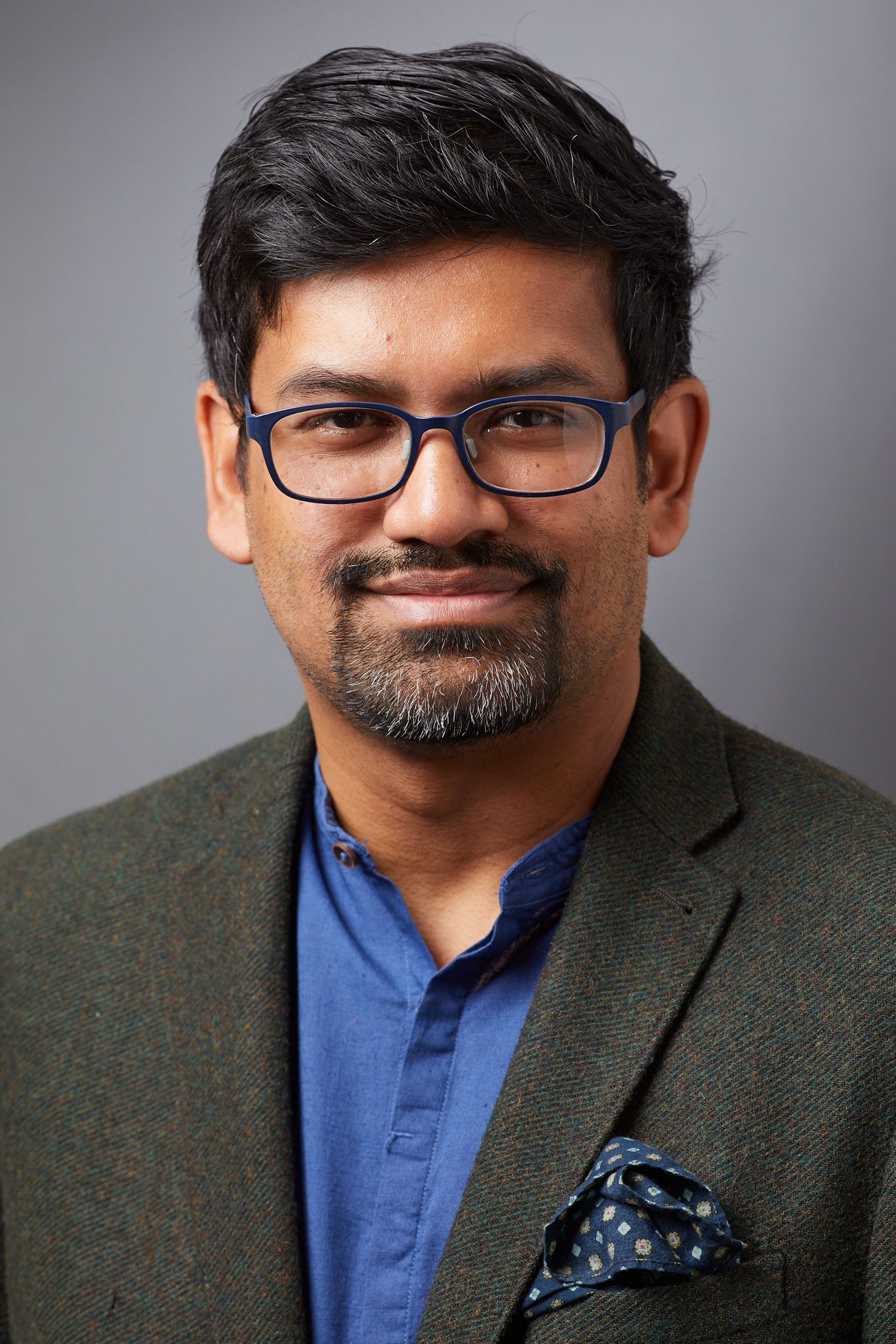
Milan Vaishnav
Director and Senior Fellow, South Asia Program
Milan Vaishnav

Featuring

Kishore Mahbubani
Kishore Mahbubani

Carnegie does not take institutional positions on public policy issues; the views represented herein are those of the author(s) and do not necessarily reflect the views of Carnegie, its staff, or its trustees.

More Work from Grand Tamasha

  • Podcast Episode
    India’s AI Moment?

    Just weeks ago, India hosted the 2026 AI Impact Summit, the latest chapter in a global process that began in 2023 in the UK. For the Modi government, the summit was part diplomatic showcase, part investment pitch, and part declaration of ambition. To talk more about the summit and its key takeaways, Milan is joined on the show this week by Anirudh Suri, a nonresident scholar with Carnegie India.

      Milan Vaishnav, Anirudh Suri

  • Podcast Episode
    Populism and the Politics of India’s Foreign Policy

    We tend to think of populist leaders around the world as disruptive. But a new book by scholars Sandra Destradi and Johannes Plagemann argues that the extent of change depends on key factors. Milan and Sandra discuss the definitional debates around populism, the conditional effects of populism on foreign policy, and the reasons for the Modi government’s differential approach to Pakistan and China.

      Milan Vaishnav, Sandra Destradi

  • Podcast Episode
    Europe’s Discovery of India

    Over the past year, Europe–India relations have entered a markedly upbeat phase. What was once a diffuse partnership now looks far more purposeful. To unpack what’s driving this convergence Milan is joined on the show this week by German Marshall Fund senior fellow Garima Mohan to discuss the geopolitical drivers that are bringing the EU and India closer together, Europe’s views on the limits to India’s potential, and the key takeaways from the EU-India FTA.

      Milan Vaishnav, Garima Mohan

  • Podcast Episode
    India’s Return to the Trade Game

    After years of trade skepticism, India appears to be back in the deal-making business—signing new agreements, reviving stalled talks, and announcing ambitious frameworks with key bilateral partners. To help make sense of what’s changed—and what hasn’t—Milan is joined by Mark Linscott, a nonresident senior fellow on India at the Atlantic Council who previously served as the assistant US trade representative for South and Central Asian Affairs from 2016 to 2018.

      • Mark Linscott

      Milan Vaishnav, Mark Linscott

  • Podcast Episode
    How India Lost the Neighborhood

    Over the past few years, South Asia has witnessed a striking wave of mass protests toppling governments and upending long-standing political arrangements in countries ranging from Bangladesh to Nepal and Sri Lanka. University of Pennsylvania Fellow Muhib Rahman joins Milan to discuss India’s illiberal hegemony in its neighborhood, the downturn in Bangladesh-India ties, and the enabling role of the United States.

      Milan Vaishnav, Muhib Rahman

Get more news and analysis from
Carnegie Endowment for International Peace
Carnegie global logo, stacked
1779 Massachusetts Avenue NWWashington, DC, 20036-2103Phone: 202 483 7600Fax: 202 483 1840
  • Research
  • Emissary
  • About
  • Experts
  • Donate
  • Programs
  • Events
  • Blogs
  • Podcasts
  • Contact
  • Annual Reports
  • Careers
  • Privacy
  • For Media
  • Government Resources
Get more news and analysis from
Carnegie Endowment for International Peace
© 2026 Carnegie Endowment for International Peace. All rights reserved.