

Podcast Episode
Milan is joined on the podcast this week by Jacob Poushter, the lead author of recent Pew report titled, “India and Pakistan: Rivals with Divergent Views of the Global Order.”
Milan Vaishnav, Jacob Poushter
Christopher Clary joins Milan to discuss Operation Sindoor and its implications for security in South Asia and the region's broader future.
On Saturday, India and Pakistan announced a ceasefire, ending—at least for now—the latest bout of armed conflict between the two South Asian rivals. The announcement followed the launch of “Operation Sindoor”—India’s response to the April 22nd terrorist attack in Kashmir, which claimed the lives of 26 innocent civilians.
India’s strike prompted a worrying tit-for-tat standoff which quickly escalated into the worst conflict between the two nuclear-armed nations in a quarter-century. The fighting has stopped for now, leaving policymakers, scholars, and analysts the task of deciphering the longer-term consequences of the recent crisis.
To break things down, Milan is joined on the show this week by Christopher Clary. Chris is an associate professor of political science at the University of Albany. He’s also a non-resident fellow at the Henry L. Stimson Center in Washington, D.C.
Listeners may remember Chris from his 2022 appearance on Grand Tamasha, when he discussed his book, The Difficult Politics of Peace: Rivalry in Modern South Asia.
Milan and Chris discuss why the Pahalgam episode marked a new chapter in India-Pakistan relations, how the recent conflict will serve as a template for the next crisis, and the possible motivations for U.S. intervention. Plus, the two discuss what the Israeli-Palestinian conflict in the Middle East can teach us about India and Pakistan’s likely future.
Episode notes:
1. Christopher Clary, “India-Pakistan rivalry is old, but Pahalgam marked a new chapter,” Times of India, May 11, 2025.
2. Sudhi Ranjan Sen et al., “Trump Truce Leaves India Furious, Pakistan Elated as Risks Loom,” Bloomberg, May 11, 2025.
3. Karishma Mehrotra et al., “The U.S. helped deliver an India-Pakistan ceasefire. But can it hold?” Washington Post, May 10, 2025.
4. “When and Why Do India and Pakistan Fight (with Christopher Clary),” Grand Tamasha, September 14, 2022.
Carnegie does not take institutional positions on public policy issues; the views represented herein are those of the author(s) and do not necessarily reflect the views of Carnegie, its staff, or its trustees.
Milan is joined on the podcast this week by Jacob Poushter, the lead author of recent Pew report titled, “India and Pakistan: Rivals with Divergent Views of the Global Order.”

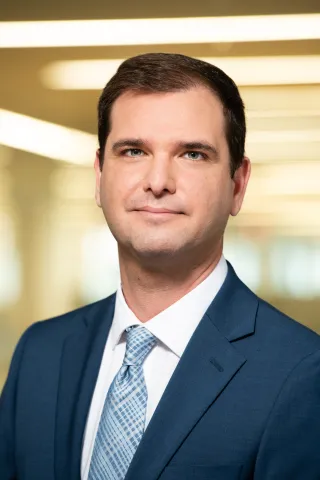
Milan Vaishnav, Jacob Poushter
This week, Milan, Sadanand Dhume, and Tanvi Madan discuss the political fall-out of this summer’s Gen Z protests, the political future of the Cockroach Janata Party (CJP), and the churn within the ruling Bharatiya Janata Party (BJP).
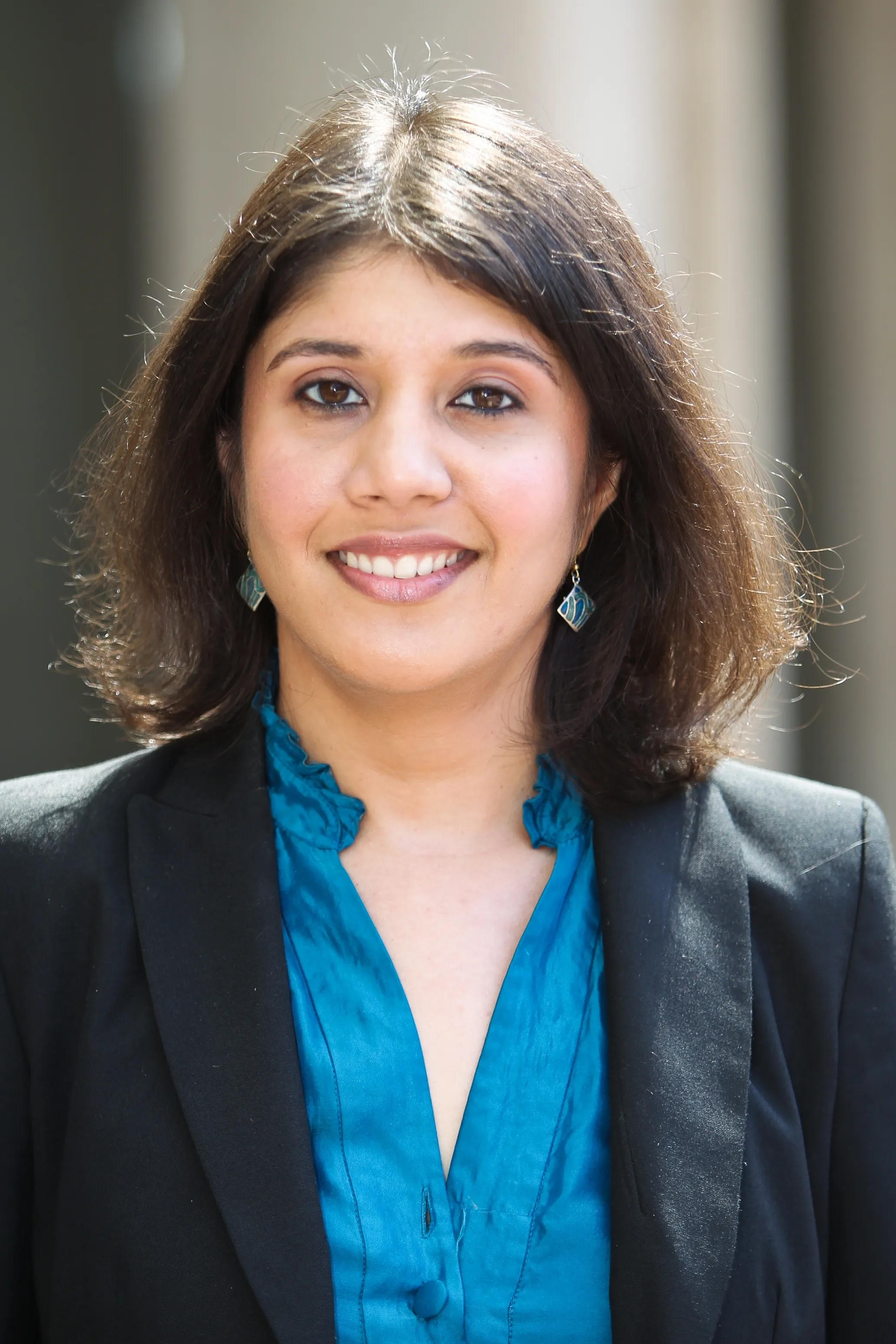
Milan Vaishnav, Sadanand Dhume, Tanvi Madan
Josy Joseph joins Milan on the podcast this week to talk about his best-selling new book, The Birth of a Nation: Twenty-One Days That Changed India, which reconstructs the dramatic three weeks leading up to August 15, 1947.
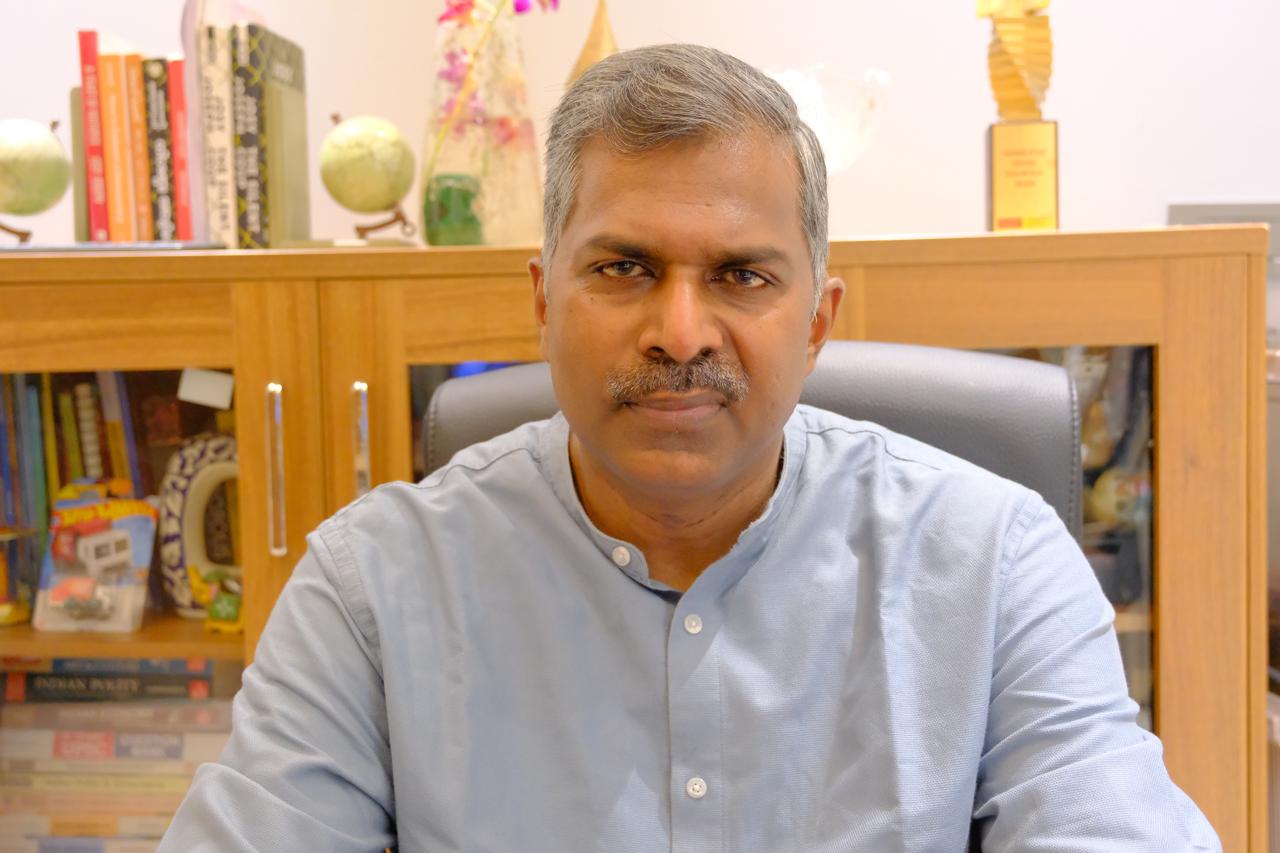
Milan Vaishnav, Josy Joseph
Vidya Mahambare joins Milan on the Season 16 premiere of Grand Tamasha to discuss the economic drivers of the Gen Z protests, the link between unemployment and education, and the futility of the manufacturing versus services debate.

Milan Vaishnav, Vidya Mahambare
This week, Rahul Sagar join Milan to discuss his new book The Birth of Indian Liberalism: Mama Parmanand’s Letters to an Indian Raja, which uncovers an older tradition of Indian liberal thought through a remarkable work first published in 1891 and then largely forgotten for more than a century.
Milan Vaishnav, Rahul Sagar