• Research
  • Emissary
  • About
  • Experts
Carnegie Global logoCarnegie lettermark logo
DemocracyIran
  • Donate
Podcast Episode

The Secret to Indian Americans' Success

What makes Indian Americans so successful? Author and journalist Meenakshi Ahamed returns to Grand Tamasha to discuss the diaspora's immense success in the United States, drawing on her new book Indian Genius: The Meteoric Rise of Indians in America.

Link Copied
By Milan Vaishnav and Meenakshi Ahamed
Published on Jun 3, 2025

Subscribe on

Apple PodcastsOvercastSpotifyYoutube

Indian Genius: The Meteoric Rise of Indians in America is a new book by the author and journalist Meenakshi Ahamed. 

While many immigrant groups have found success in the United States, few have excelled as far and as fast as Indian Americans, reaching heights in a single generation that many thought would take the better part of a century to achieve. 

Ahamed’s new book offers fascinating portraits of several Indian Americans in three distinct sectors—technology, medicine, and public policy. The book tries to understand what exactly accounts for Indian Americans' ability to break into mainstream American culture and their meteoric rise within its ranks.

Listeners may remember our 2021 conversation with Meena on her previous book, A Matter of Trust: India–US Relations from Truman to Trump.

To talk about her new book, Meena joins Milan on the show this week. They talk about the “godfather” of the Indian tech community in Silicon Valley, the balance between creativity and execution, and the role of caste. Plus, the two discuss the real (and perceived) influence of Indian Americans in Washington.

Episode notes:

1. Sanjoy Chakravorty, Devesh Kapur, and Nirvikar Singh, The Other One Percent: Indians in America (New York: Oxford University Press, 2016).

2. “Understanding India’s Diaspora,” Carnegie Endowment for International Peace.

3. Sumitra Badrinathan, Devesh Kapur, and Milan Vaishnav, “Indian Americans at the Ballot Box: Results From the 2024 Indian American Attitudes Survey,” Carnegie Endowment for International Peace, October 28, 2024.

4. “Meenakshi Ahamed on U.S.-India Relations from Truman to Trump,” Grand Tamasha, February 17, 2021.

Hosted by

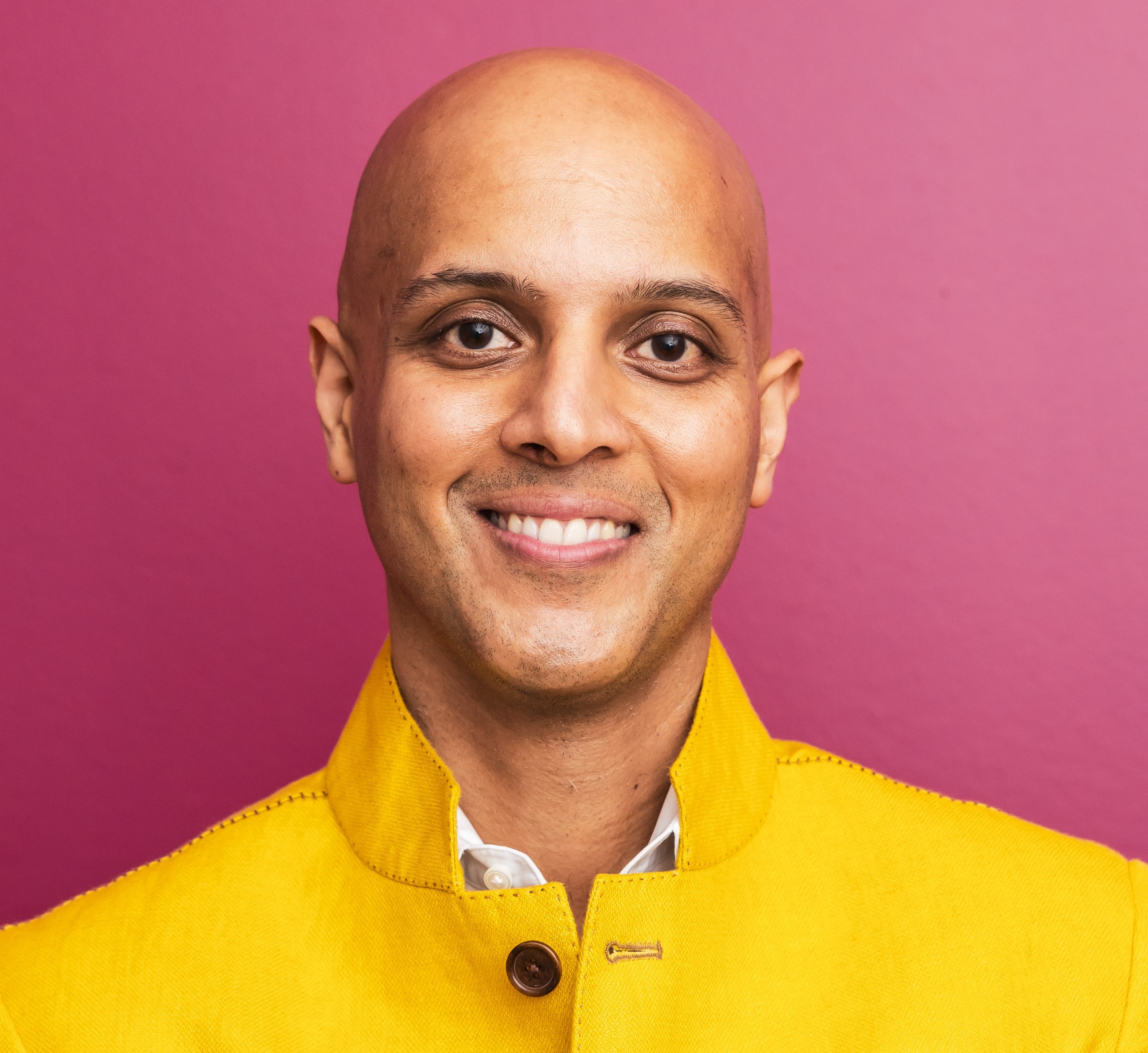
Milan Vaishnav
Director and Senior Fellow, South Asia Program
Milan Vaishnav

Featuring

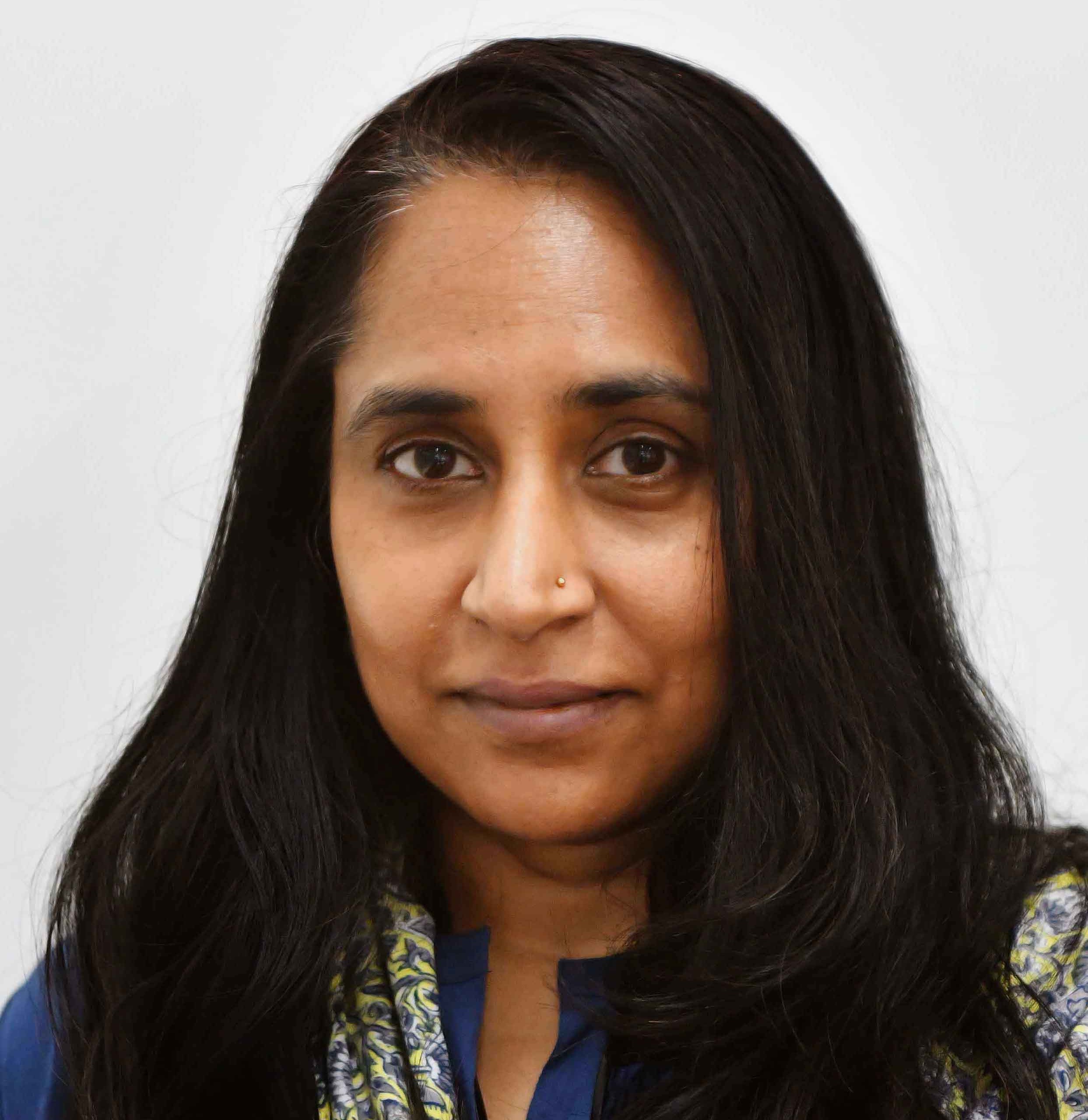
Meenakshi Ahamed
Meenakshi Ahamed

Carnegie does not take institutional positions on public policy issues; the views represented herein are those of the author(s) and do not necessarily reflect the views of Carnegie, its staff, or its trustees.

More Work from Grand Tamasha

  • Podcast Episode
    How India and Pakistan See Each Other—and the World

    Milan is joined on the podcast this week by Jacob Poushter, the lead author of recent Pew report titled, “India and Pakistan: Rivals with Divergent Views of the Global Order.”

      Milan Vaishnav, Jacob Poushter

  • Podcast Episode
    Episode 300: India, Then and Now

    This week, Milan, Sadanand Dhume, and Tanvi Madan discuss the political fall-out of this summer’s Gen Z protests, the political future of the Cockroach Janata Party (CJP), and the churn within the ruling Bharatiya Janata Party (BJP). 

      Milan Vaishnav, Sadanand Dhume, Tanvi Madan

  • Podcast Episode
    The Three Weeks That Made India

    Josy Joseph joins Milan on the podcast this week to talk about his best-selling new book, The Birth of a Nation: Twenty-One Days That Changed India, which reconstructs the dramatic three weeks leading up to August 15, 1947.

      Milan Vaishnav, Josy Joseph

  • Podcast Episode
    The Truth About India’s Jobs Crisis

    Vidya Mahambare joins Milan on the Season 16 premiere of Grand Tamasha to discuss the economic drivers of the Gen Z protests, the link between unemployment and education, and the futility of the manufacturing versus services debate.

      Milan Vaishnav, Vidya Mahambare

  • Podcast Episode
    The Forgotten Origins of Indian Liberalism

    This week, Rahul Sagar join Milan to discuss his new book The Birth of Indian Liberalism: Mama Parmanand’s Letters to an Indian Raja, which uncovers an older tradition of Indian liberal thought through a remarkable work first published in 1891 and then largely forgotten for more than a century.

      Milan Vaishnav, Rahul Sagar

Get more news and analysis from
Carnegie Endowment for International Peace
Carnegie global logo, stacked
1779 Massachusetts Avenue NWWashington, DC, 20036-2103Phone: 202 483 7600
  • Research
  • Emissary
  • About
  • Experts
  • Donate
  • Programs
  • Events
  • Blogs
  • Podcasts
  • Contact
  • Annual Reports
  • Careers
  • Privacy
  • For Media
  • Government Resources
Get more news and analysis from
Carnegie Endowment for International Peace
© 2026 Carnegie Endowment for International Peace. All rights reserved.