• Research
  • Emissary
  • About
  • Experts
Carnegie Global logoCarnegie lettermark logo
Democracy
  • Donate
Podcast Episode
Carnegie India

Interpreting China: The People’s Liberation Army—Reforms and Challenges

In this episode of Interpreting India, host Saheb Singh Chadha is joined by Suyash Desai, nonresident fellow at the Foreign Policy Research Institute, to explore the transformation and challenges facing China’s military, the People’s Liberation Army (PLA).

Link Copied
By Saheb Singh Chadha and Suyash Desai
Published on May 29, 2025

Subscribe on

SpotifyApple PodcastsAmazon MusicYoutube
Project hero Image

Project

Security Studies

India’s evolving role in regional and global security is shaped by complex dynamics. Experts in the Security Studies Program examine India’s position in this world order through informed analyses of its foreign and security policies, focusing on the relationship with China, the securitization of borders, and the geopolitics of the Indo-Pacific. 

Learn More

Episode Summary

In this episode of Interpreting India, host Saheb Singh Chadha is joined by Suyash Desai, nonresident fellow at the Foreign Policy Research Institute, to explore the transformation and challenges facing China’s military, the People’s Liberation Army (PLA). Over the past decade, the PLA has seen rapid changes under Xi Jinping, from sweeping structural reforms to new mobilization and training strategies. But how ready is it really for a conflict over Taiwan? And what do these changes mean for India?

This is the second episode in our special three-part Interpreting China series, based on Views From Taipei, a collection of essays by young Indian scholars on China. Suyash’s essay, The People’s Liberation Army in the 2020s: Buoyed by Reforms, Limited by Roadblocks, serves as the foundation for this wide-ranging conversation.

Episode Notes

Saheb and Suyash begin by laying out where the PLA stands today in terms of its strengths, weaknesses, and the factors driving its evolution. While the PLA has made major strides in modernizing across land, air, sea, space, and cyber, it still struggles with issues like deep-rooted corruption, a lack of well-trained personnel, and delays in meeting its own ambitious goals.

The discussion dives into how the PLA is preparing for a potential Taiwan contingency through new mobilization efforts, localized recruitment (especially in border regions like Tibet), and more frequent joint military exercises. Suyash argues that despite these efforts, the PLA still isn’t ready for a full-scale operation anytime soon. 

They also examine China’s changing nuclear posture, including its gradual shift toward a “launch on warning” approach. Even though both India and China adhere to no-first-use policies, new developments in missile systems and strategic signaling are quietly reshaping the region’s security dynamics.

Finally, the episode looks at what all this means for India. With growing military capabilities on both sides, we may be entering a period of “armed coexistence”—a tense, yet controlled standoff that defines the new normal along the India–China border.

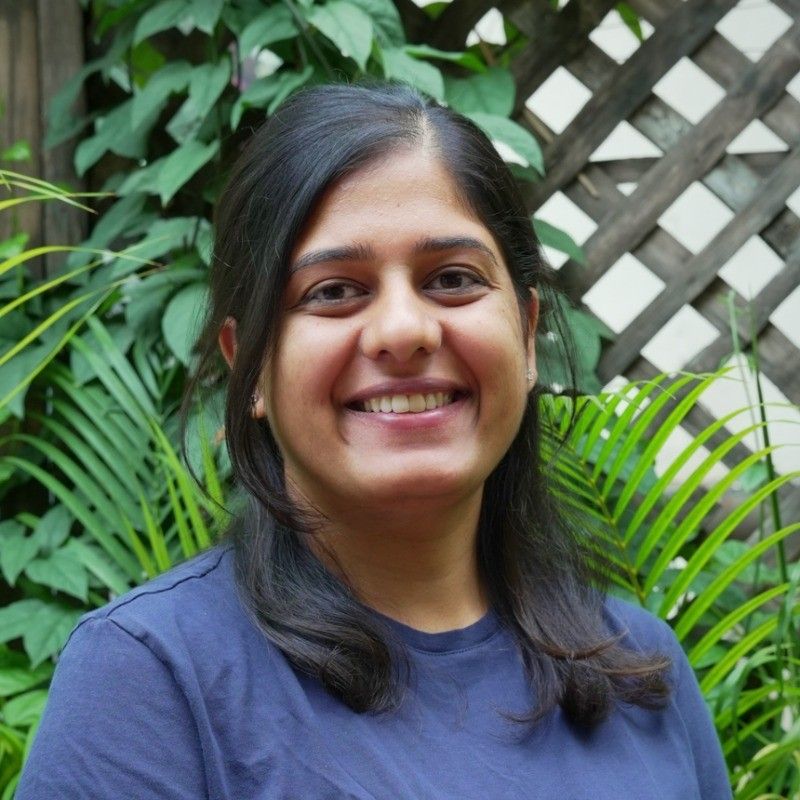
Hosted by

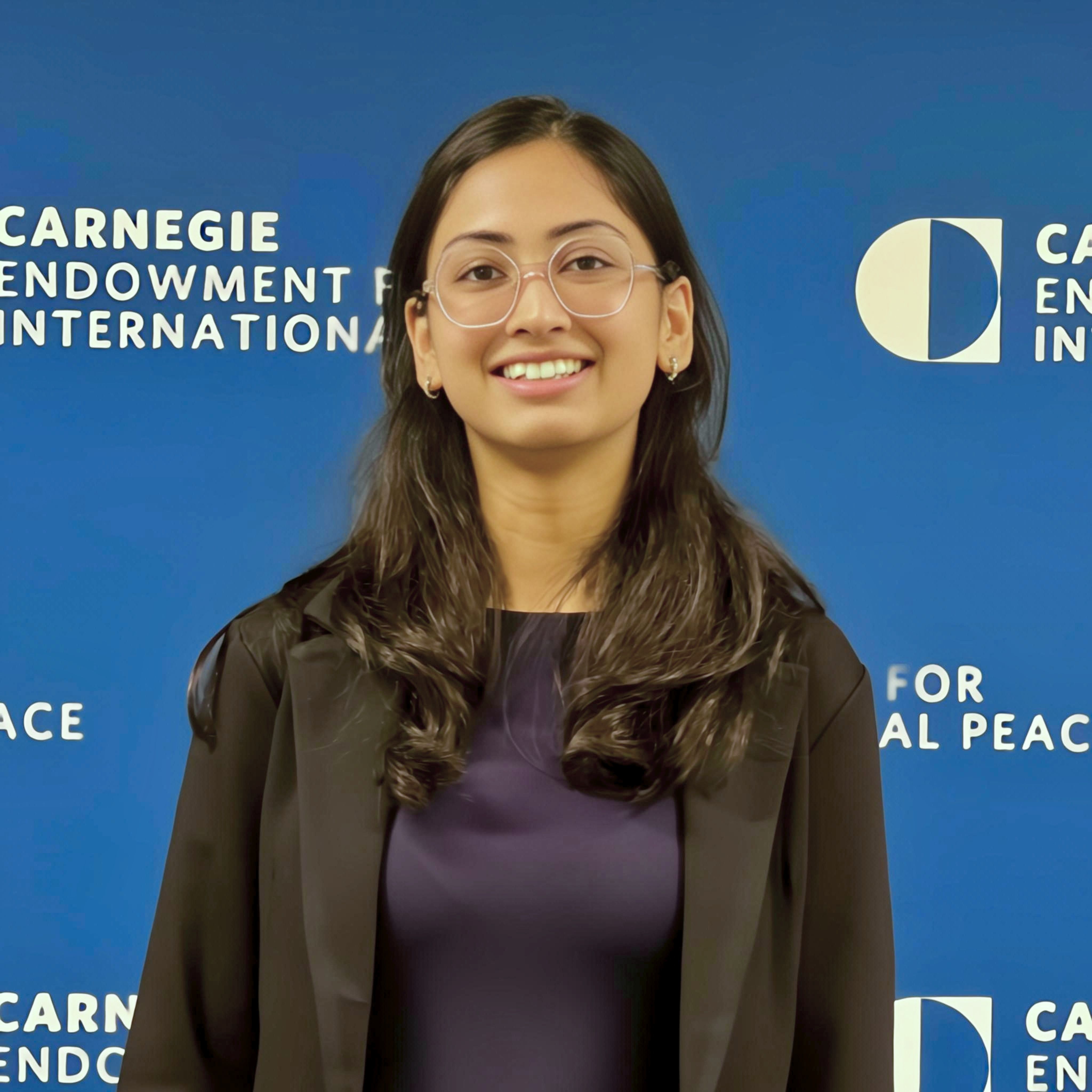
Saheb Singh Chadha
Former Senior Research Analyst, Security Studies Program
Saheb Singh Chadha

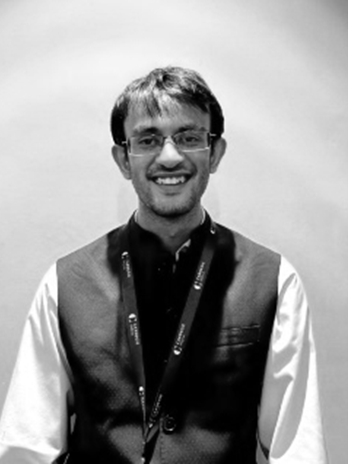
Featuring

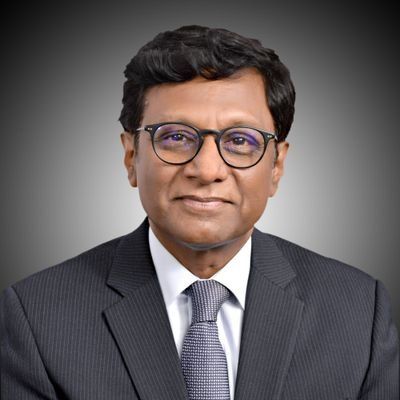
Suyash Desai
Nonresident Fellow, Foreign Policy Research Institute
Suyash Desai

Carnegie does not take institutional positions on public policy issues; the views represented herein are those of the author(s) and do not necessarily reflect the views of Carnegie, its staff, or its trustees.

More Work from Interpreting India

  • Podcast Episode
    Scarcity, Sovereignty, Strategy: Mapping the Political Geography of AI Compute

    In this episode of Interpreting India, Adarsh Ranjan is joined by Zoe Jay Hawkins, co-founder and deputy executive director of the Tech Policy Design Institute. They explore the evolving idea of AI sovereignty, the geopolitics of compute, and how countries are navigating access to the foundational infrastructure that powers artificial intelligence. Drawing from her research at the Oxford Internet Institute, Zoe unpacks the political geography of AI compute, the rising concentration of AI chips and data centers, and what this means for both developed and developing economies.

      Adarsh Ranjan, Zoe Jay Hawkins

  • Podcast Episode
    Cybersecurity in Outer Space: A Growing Concern

    In this episode of Interpreting India, host Tejas Bharadwaj is joined by P. J. Blount, an assistant professor of space law at Durham University. Together, they delve into the critical topic of cybersecurity in outer space, exploring the challenges and implications of protecting space-based assets amidst rising geopolitical tensions and technological advancements. Blount shares insights from his extensive research in international space law and cyberspace governance, highlighting the complexities of legal attribution and the evolving landscape of space security.

      Tejas Bharadwaj, P. J. Blount

  • Podcast Episode
    Unbundling AI Openness: Beyond the Binary

    In this episode of Interpreting India, host Shruti Mittal speaks with Chinmayi Sharma, associate professor of law at Fordham Law School. Together, they explore the evolving and often misunderstood debate on openness in artificial intelligence. Drawing from her forthcoming paper, Unbundling AI Openness, in the Wisconsin Law Review, Sharma explains why the traditional “open versus closed” framing oversimplifies the reality of modern AI development.

      Shruti Mittal, Chinmayi Sharma

  • Podcast Episode
    India’s Air Defense After Operation Sindoor: Lessons and the Road Ahead

    In this episode of Interpreting India, host Dinakar Peri is joined by Air Marshal Diptendu Choudhury, former Commandant of the National Defence College. Together, they unpack the evolution of India’s multilayered air defense network, tracing their journey from limited radar coverage in the 1960s to today’s multilayered, integrated network capable of projecting power into adversarial airspace.

      Dinakar Peri, Diptendu Choudhury

  • Podcast Episode
    Military AI and Autonomous Weapons: Gender, Ethics, and Governance

    In this episode of Interpreting India, host Charukeshi Bhatt is joined by Shimona Mohan, associate researcher at the United Nations Institute for Disarmament Research (UNIDIR). Together, they unpack the rapidly evolving landscape of artificial intelligence in the military domain, with a special focus on lethal autonomous weapons systems (LAWS).

      Charukeshi Bhatt, Shimona Mohan

Get more news and analysis from
Carnegie Endowment for International Peace
Carnegie global logo, stacked
1779 Massachusetts Avenue NWWashington, DC, 20036-2103Phone: 202 483 7600Fax: 202 483 1840
  • Research
  • Emissary
  • About
  • Experts
  • Donate
  • Programs
  • Events
  • Blogs
  • Podcasts
  • Contact
  • Annual Reports
  • Careers
  • Privacy
  • For Media
  • Government Resources
Get more news and analysis from
Carnegie Endowment for International Peace
© 2026 Carnegie Endowment for International Peace. All rights reserved.