• Research
  • Emissary
  • About
  • Experts
Carnegie Global logoCarnegie lettermark logo
DemocracyIran
  • Donate
Podcast Episode

Should America want a stronger Japan?

On this episode of Pivotal States, Christopher Chivvis speaks with Yuki Tatsumi, a senior director at the Institute for Indo-Pacific Security. They examine the U.S.–Japan alliance, Japan’s military rearmament, the future of Japanese relations with the other major powers of East Asia and the Indo-Pacific. 

Link Copied
By Christopher S. Chivvis and Yuki Tatsumi
Published on Nov 6, 2026

Subscribe on

YoutubeApple PodcastsSpotify
Program mobile hero image

Program

American Statecraft

The American Statecraft Program develops and advances ideas for a more disciplined U.S. foreign policy aligned with American values and cognizant of the limits of American power in a more competitive world.

Learn More

Invalid video URL

After defeating Japan in World War II, the United States wrote pacifism into Japan’s constitution. For decades, Japan’s political and economic power dwarfed its military, and the United States has provided Japan with its security. 


But times are changing, especially as China has adopted a more aggressive foreign policy. Successive Japanese prime ministers have pushed to develop powerful military capabilities that will allow it to play an even greater regional role and push back against China—including with military force. 


A stronger Japan could be the kind of ally America needs in this crucial region. Japan’s current prime minister, Sanae Takaichi, is pushing forward, but rearmament is going to require Japan’s leaders to hurdle large obstacles—domestic and foreign. 

On this episode of Pivotal States, Christopher Chivvis speaks with Yuki Tatsumi, a senior director at the Institute for Indo-Pacific Security. They examine the U.S.–Japan alliance, Japan’s military rearmament, the future of Japanese relations with the other major powers of East Asia and the Indo-Pacific. 

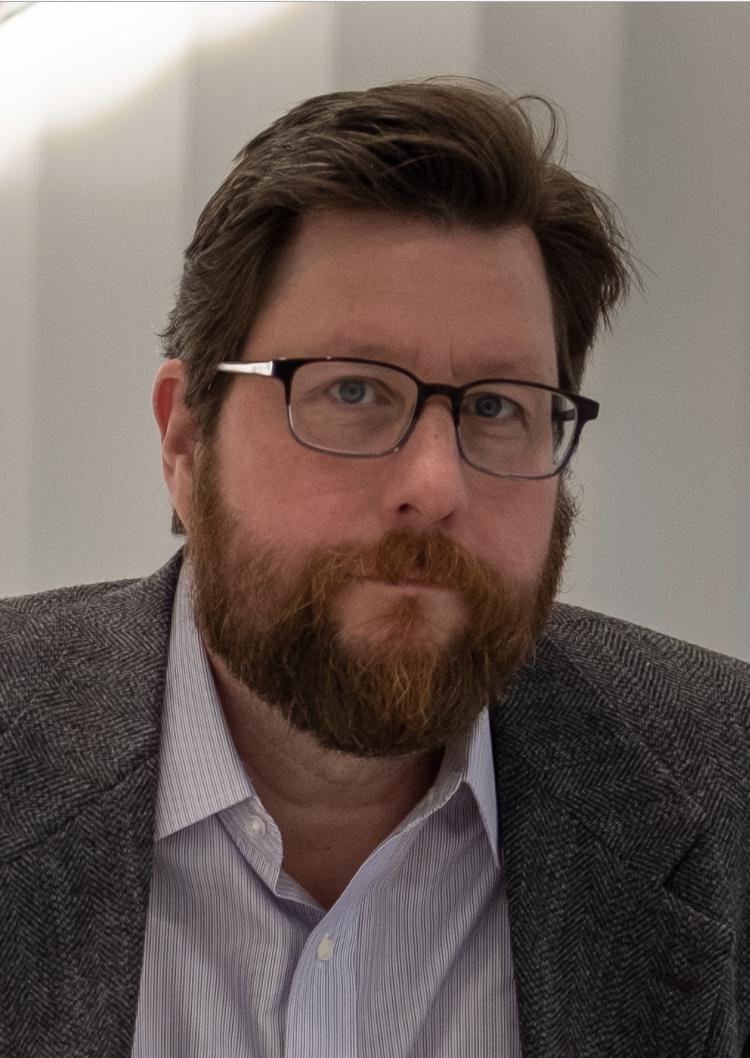
Hosted by

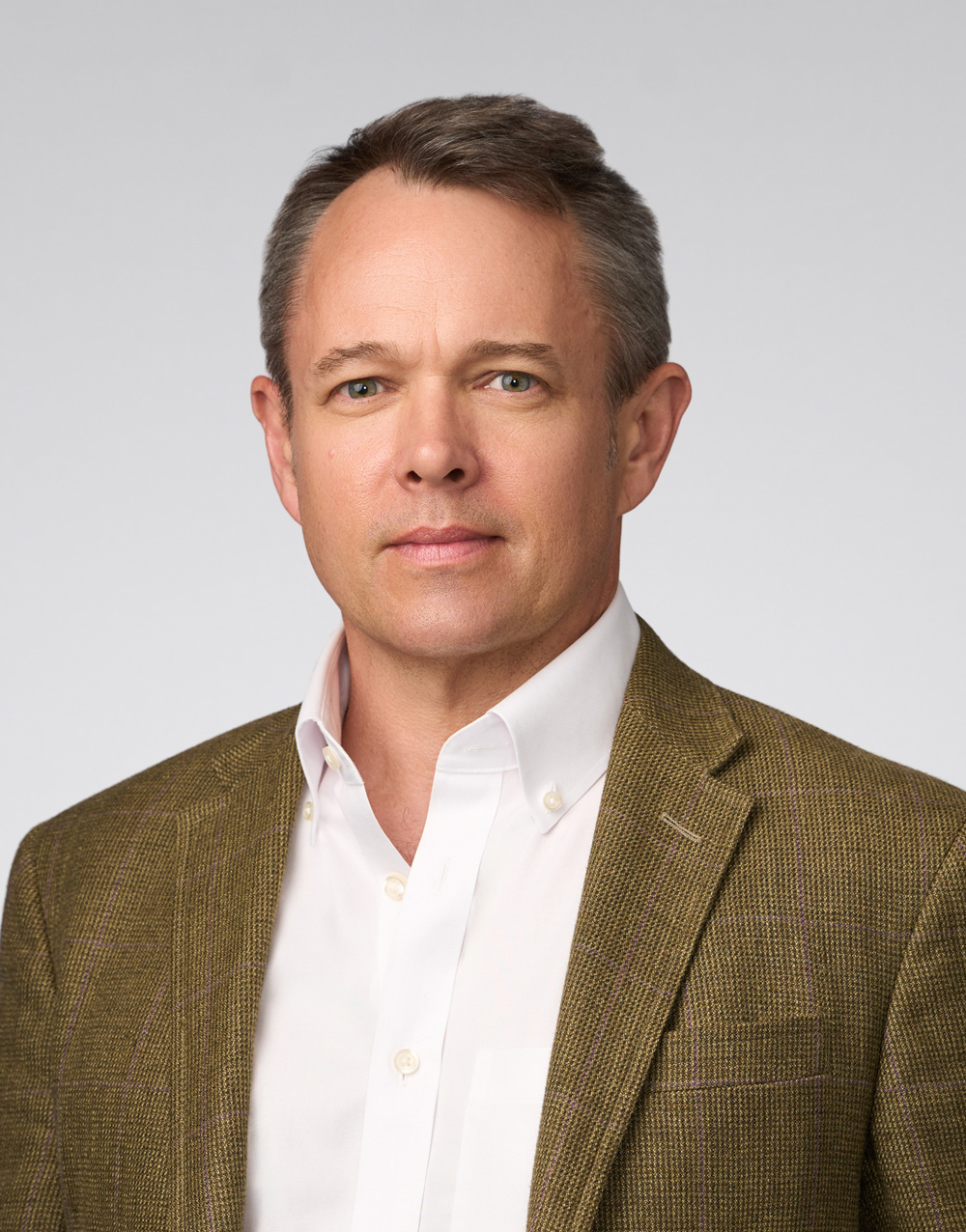
Christopher S. Chivvis
Senior Fellow and Director, American Statecraft Program
Christopher S. Chivvis

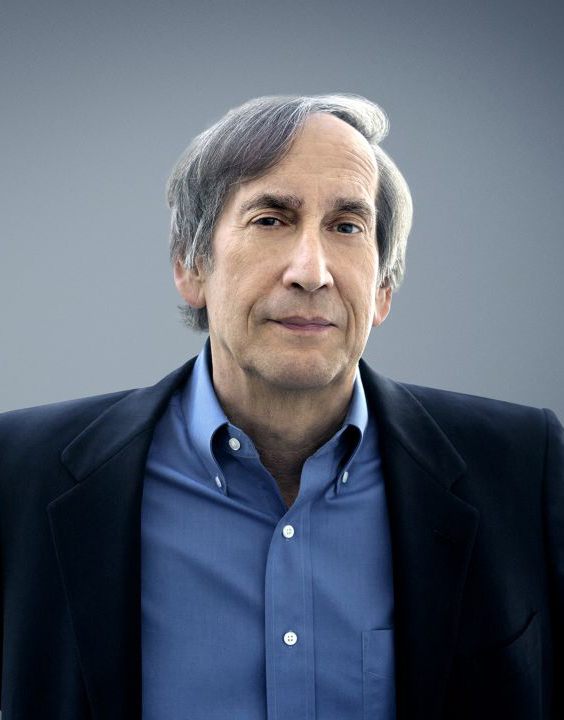
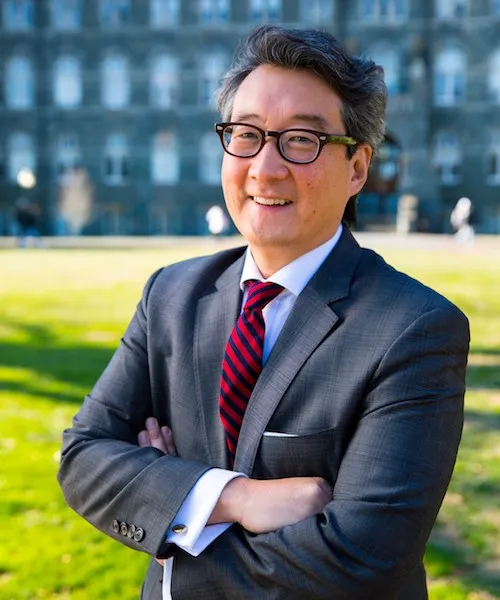
Featuring

Yuki Tatsumi
Senior Director at the Institute for Indo-Pacific Security.
Yuki  Tatsumi

Carnegie does not take institutional positions on public policy issues; the views represented herein are those of the author(s) and do not necessarily reflect the views of Carnegie, its staff, or its trustees.

More Work from Pivotal States Podcast

  • Podcast Episode
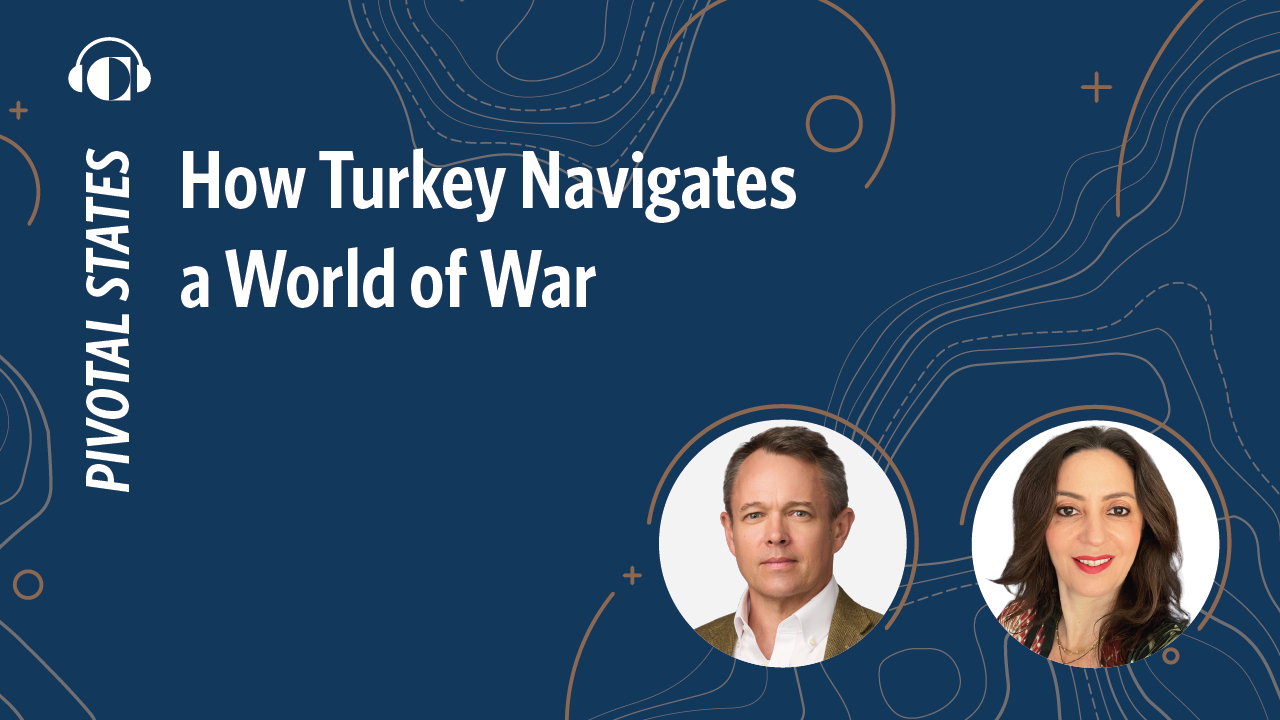
    How Türkiye Navigates a World of War

    On this episode of Pivotal States, Christopher Chivvis sits down with Aslı Aydıntaşbaş, a fellow at the Brookings Institution and director of the Turkey project. They discuss the U.S.–Türkiye relations, Türkiye's regional ambitions, and the role this U.S. ally has to play in shaping international politics.

      • Christopher Chivvis

      Christopher S. Chivvis, Aslı Aydintaşbaş

  • Podcast Episode
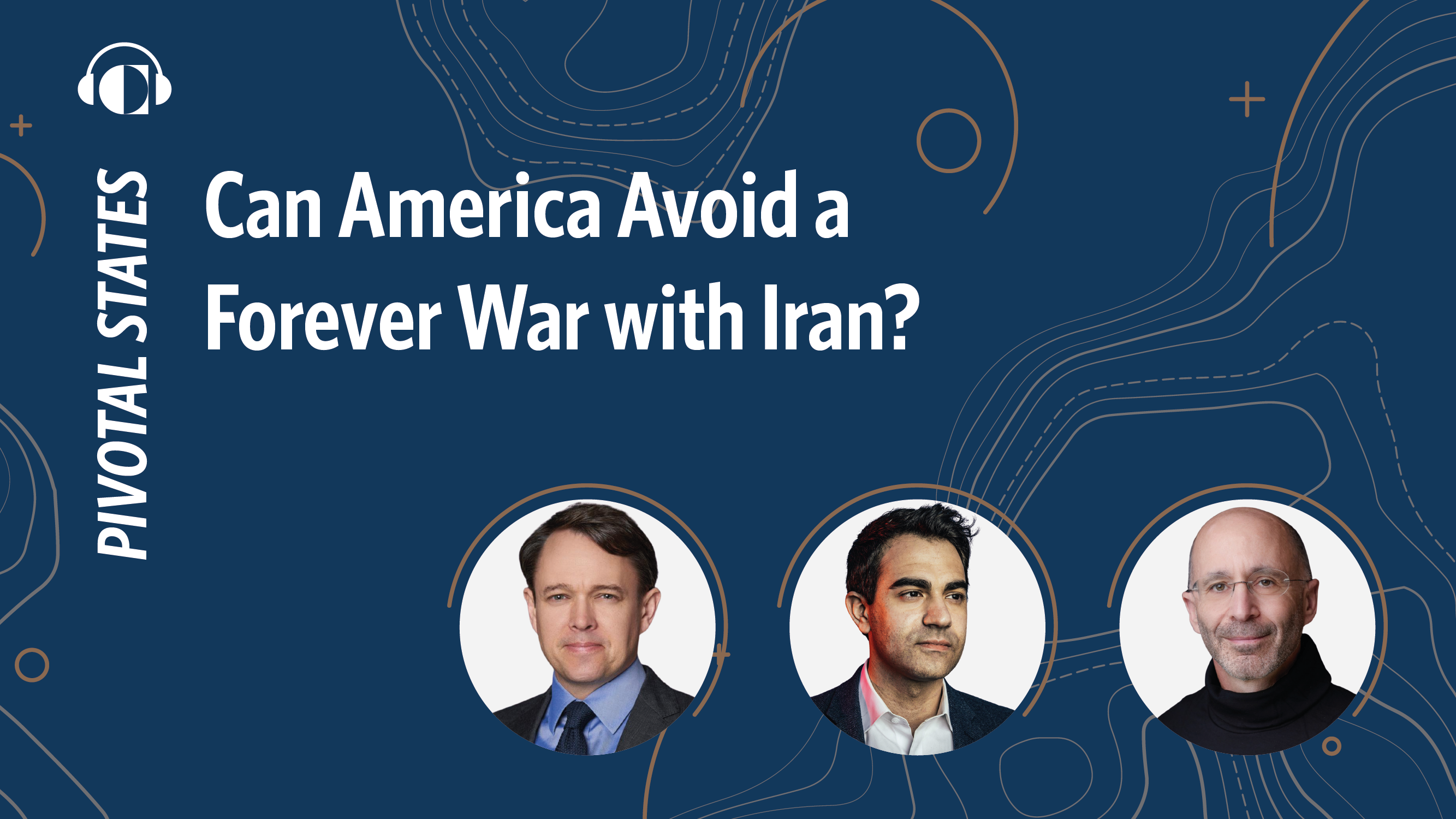
    Can America Avoid a Forever War with Iran?

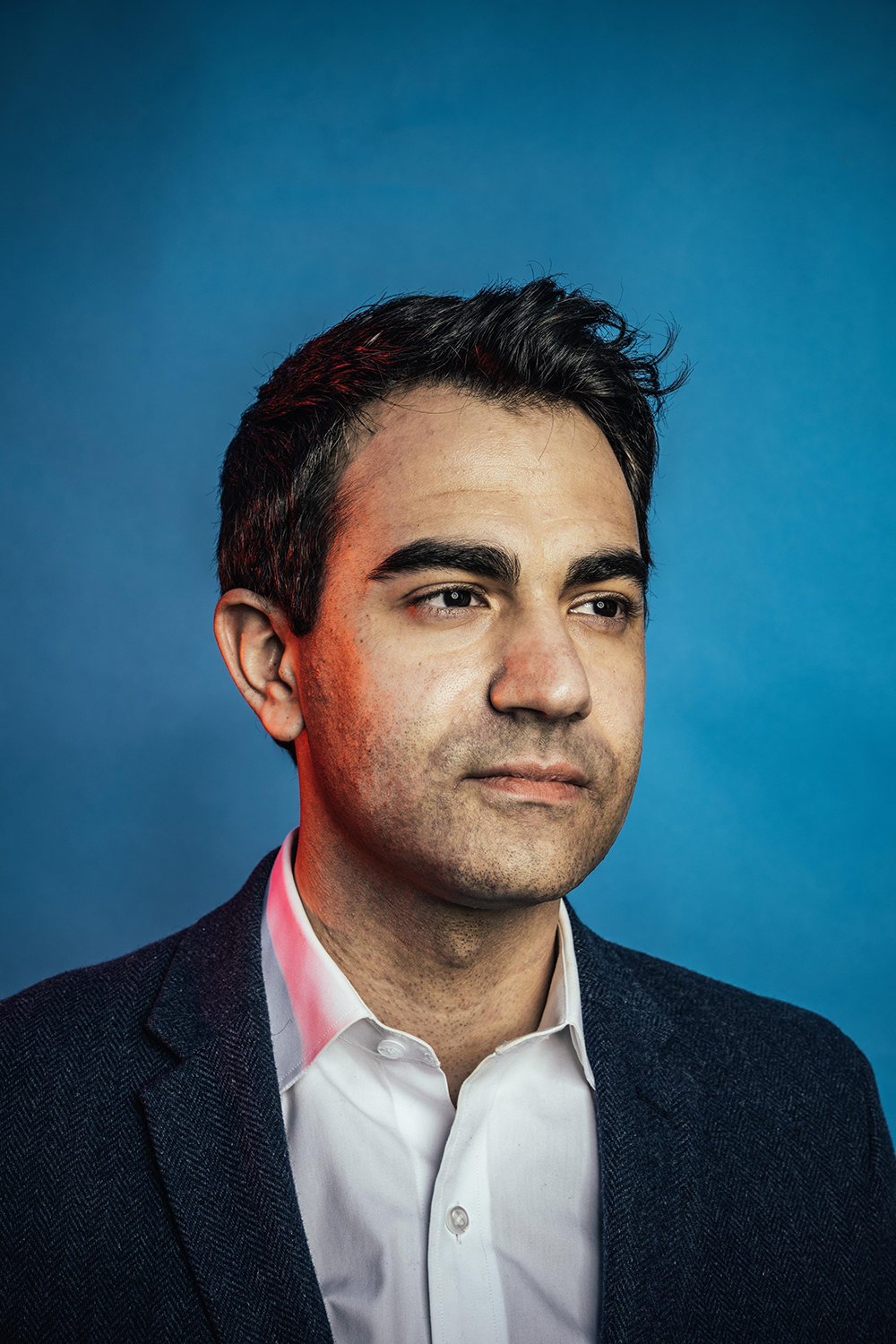
    In this episode of Pivotal States, Christopher Chivvis is joined by Rob Malley of Yale University's Jackson School, a lead U.S. negotiator for the 2015 Iran nuclear agreement, and Carnegie's Stephen Wertheim to examine the political and strategic forces that keep pulling the United States back toward conflict with Iran.

      • Christopher Chivvis
      • Rob Malley

      Christopher S. Chivvis, Stephen Wertheim, Robert Malley

  • Podcast Episode
    Is America Ready to Reset Ties with Israel?

    On this episode of Pivotal States, Christopher Chivvis is joined by Matt Duss, Executive Vice President at the Center for International Policy, and Aaron David Miller of the Carnegie Endowment for International Peace to discuss whether America is ready to reset its relationship with Israel, and what that reset might look like.

      • Christopher Chivvis

      Christopher S. Chivvis, Matthew Duss, Aaron David Miller

  • Podcast Episode
    Is America's North Korea Policy Out of Touch with Reality?

    For decades, U.S. policy toward North Korea has been organized around a single objective: denuclearization. Yet despite sanctions, diplomatic initiatives, and pressure campaigns, Pyongyang has continued to expand its nuclear arsenal while deepening its ties with Russia and China.

      • Christopher Chivvis

      Christopher S. Chivvis, Victor Cha

  • Podcast Episode
    Do U.S.-German Relations Have a Future?

    Germany is the key power in Europe today. The future of the continent—and America's relations with it—will hinge on decisions made in Berlin. Yet the relationship is under mounting strain.

      • Christopher Chivvis

      Christopher S. Chivvis, Sophia Besch

Get more news and analysis from
Carnegie This Week
Carnegie global logo, stacked
1779 Massachusetts Avenue NWWashington, DC, 20036-2103Phone: 202 483 7600
  • Research
  • Emissary
  • About
  • Experts
  • Donate
  • Programs
  • Events
  • Blogs
  • Podcasts
  • Contact
  • Annual Reports
  • Careers
  • Privacy
  • For Media
  • Government Resources
Get more news and analysis from
Carnegie This Week
© 2026 Carnegie Endowment for International Peace. All rights reserved.