

Podcast Episode
Brian Merchant on the Industrial Revolution’s failures, how AI undercuts workers, and the social order of technology.
Jon Bateman, Brian Merchant
Sarah Yerkes, a senior fellow in Carnegie's Middle East Program, joins Sophia to discuss the recent re-election of President Kais Saied and what it means for Tunisia's democracy.
Following Sunday's controversial presidential election, Kais Saied has secured his second term in office. While this result was widely anticipated, it raises deeper questions about the trajectory of Tunisia's democracy. Tunisia was once seen as the shining success of the Arab Spring – a beacon of democratic hope. But now, like several of its neighbors, it finds itself grappling with rising authoritarianism, weakened institutions, and disillusioned voters.
Today, we’re not just looking at Tunisia’s election results, but also exploring what these trends tell us about the state of democracy in the wider region. How did Tunisia arrive at this point in its democratic trajectory? What does this mean for the future of political reform, governance, and stability in North Africa and beyond?
In this episode, Sophia Besch discusses these questions and more with Sarah Yerkes, a senior fellow in Carnegie’s Middle East Program and expert on Tunisia’s political and economic reforms.
Notes:
Carnegie does not take institutional positions on public policy issues; the views represented herein are those of the author(s) and do not necessarily reflect the views of Carnegie, its staff, or its trustees.
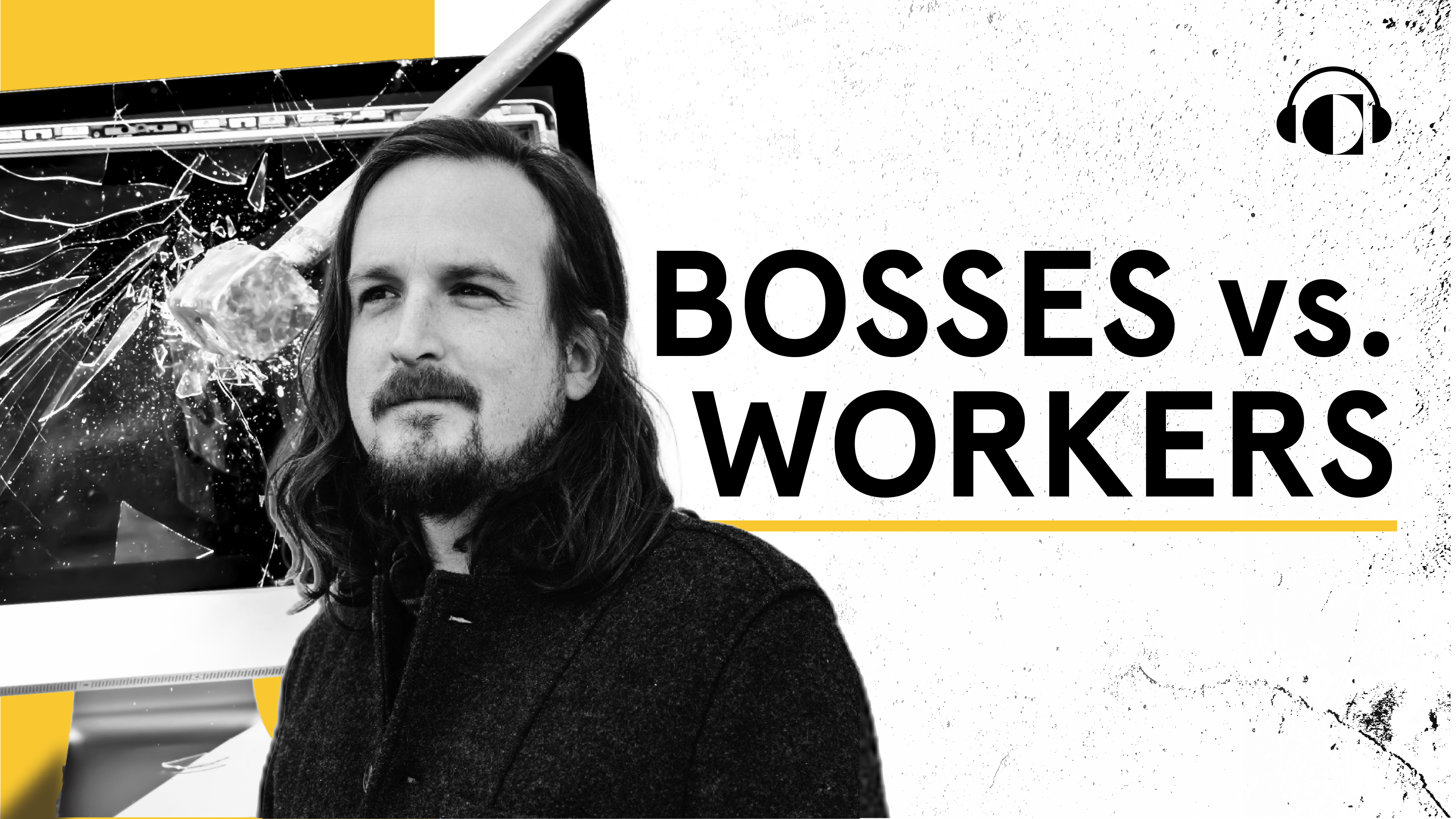
Brian Merchant on the Industrial Revolution’s failures, how AI undercuts workers, and the social order of technology.


Jon Bateman, Brian Merchant

The missing context that shows how AI isn’t the resource hog everyone thinks it is – with Andy Masley.

Jon Bateman, Andy Masley
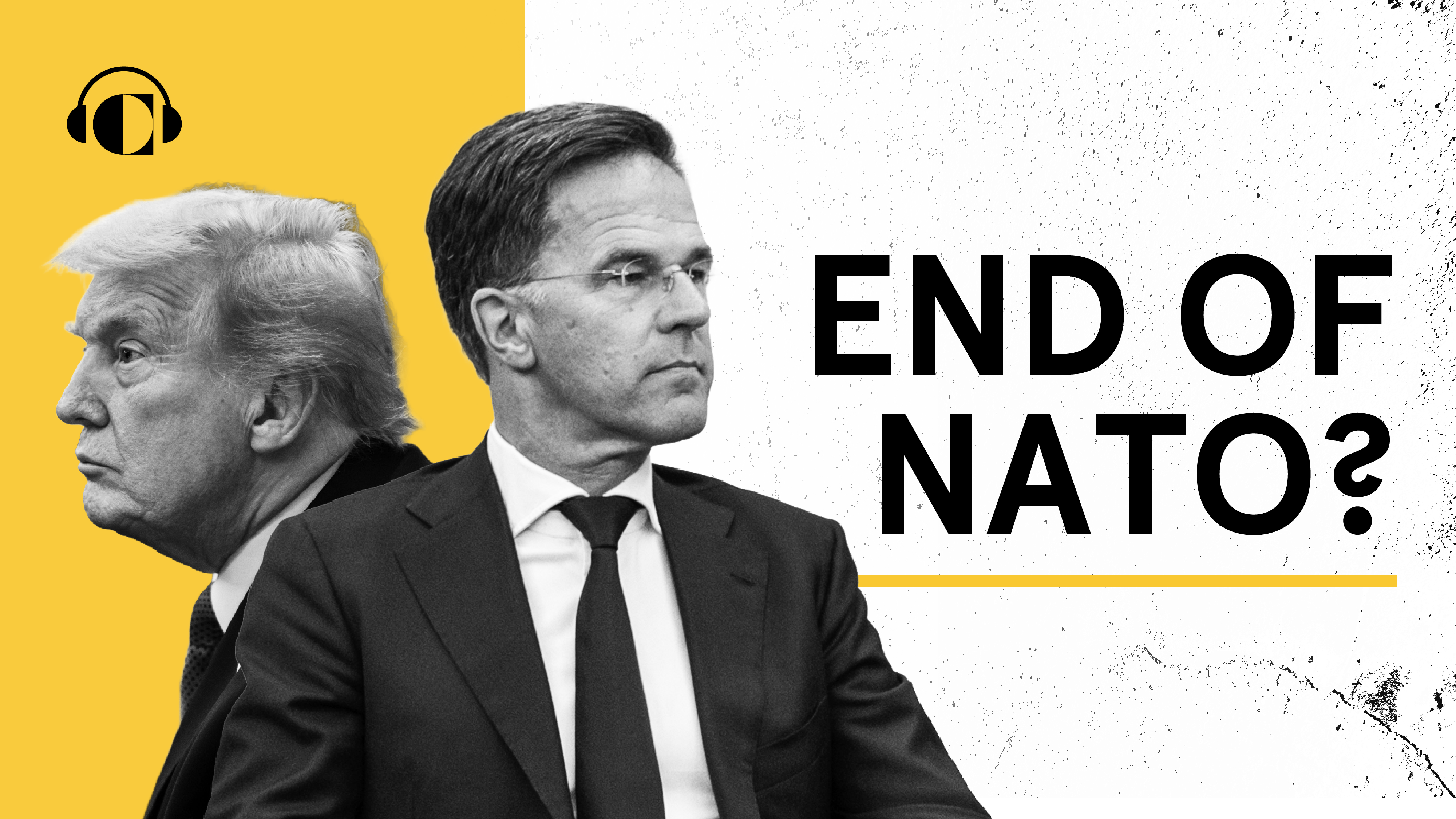
Sophia Besch games out NATO’s future, Baltic scenarios, German rearmament, and Europe’s next way of war.

Jon Bateman, Sophia Besch
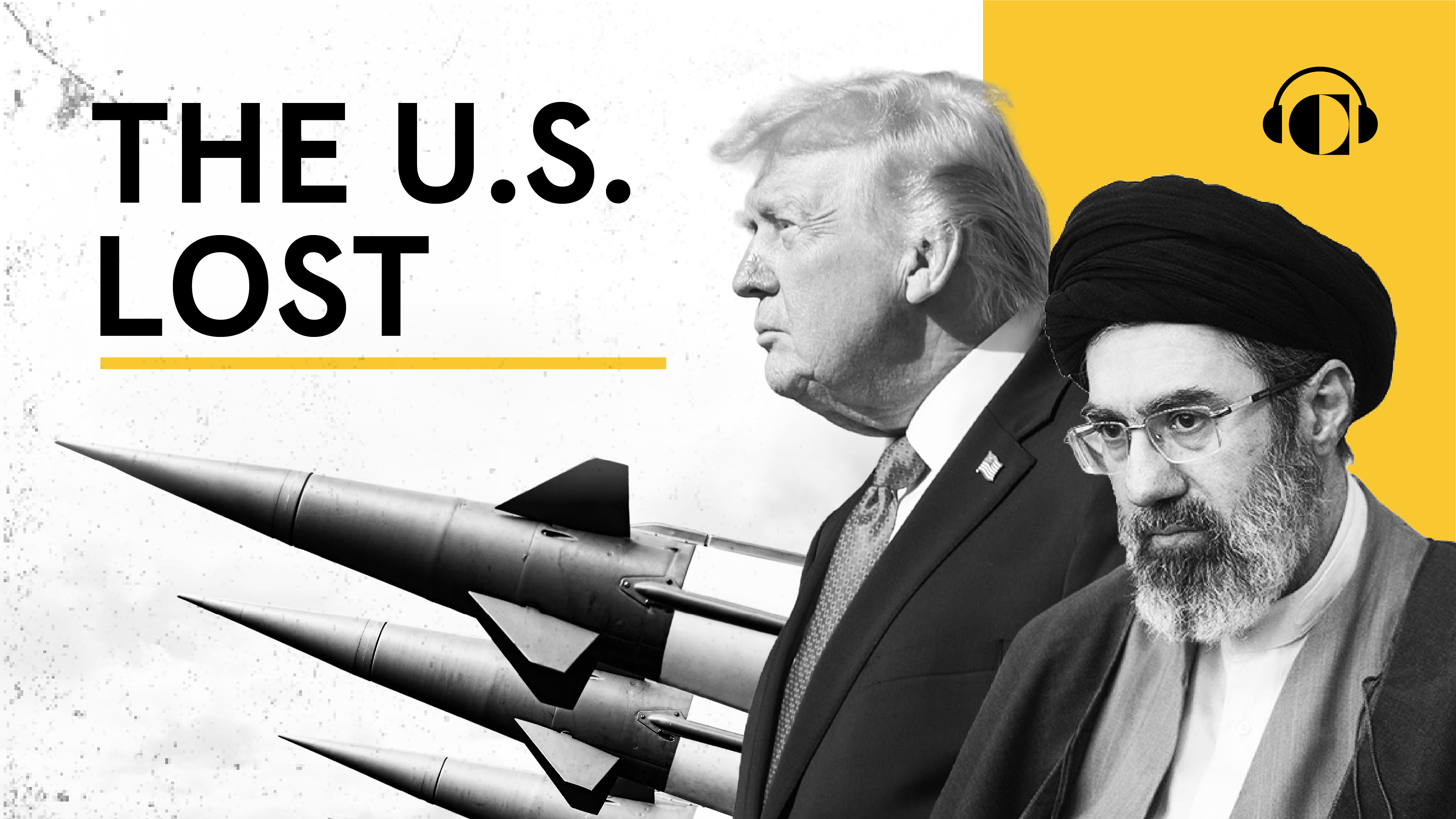
James Acton gives 50% odds of an Iranian nuke in 3 years and tells U.S. negotiators what to prioritize.

Jon Bateman, James M. Acton
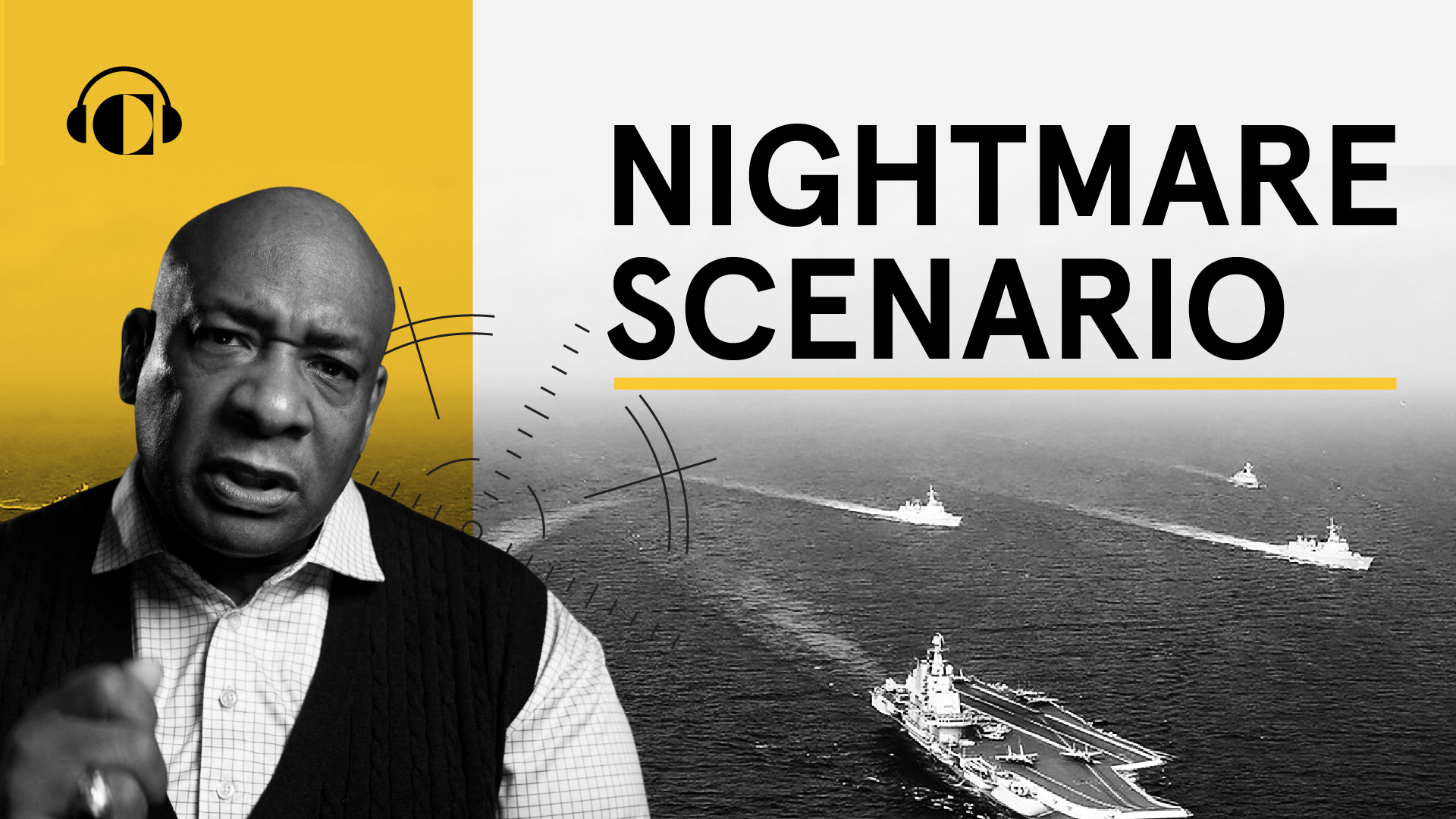
A U.S.-China war over Taiwan would be catastrophic for all sides and the world. Preventing such a war requires understanding how it might unfold—from start to finish—including worst-case scenarios.

Jon Bateman, Charles Hooper