• Research
  • Emissary
  • About
  • Experts
Carnegie Global logoCarnegie lettermark logo
DemocracyIran
  • Donate
{
  "authors": [
    "Martha Brill Olcott"
  ],
  "type": "legacyinthemedia",
  "centerAffiliationAll": "dc",
  "centers": [
    "Carnegie Endowment for International Peace"
  ],
  "collections": [],
  "englishNewsletterAll": "ctw",
  "nonEnglishNewsletterAll": "",
  "primaryCenter": "Carnegie Endowment for International Peace",
  "programAffiliation": "russia",
  "programs": [
    "Russia and Eurasia"
  ],
  "projects": [],
  "regions": [
    "Central Asia",
    "Kazakhstan"
  ],
  "topics": []
}
REQUIRED IMAGE

REQUIRED IMAGE

In The Media

Pipelines and Pipe Dreams: Energy Development and Caspian Society

Link Copied
By Martha Brill Olcott
Published on Jan 1, 1999
Program mobile hero image

Program

Russia and Eurasia

The Russia and Eurasia Program continues Carnegie’s long tradition of independent research on major political, societal, and security trends in and U.S. policy toward a region that has been upended by Russia’s war against Ukraine.  Leaders regularly turn to our work for clear-eyed, relevant analyses on the region to inform their policy decisions.

Learn More

Source: Carnegie

About the Author

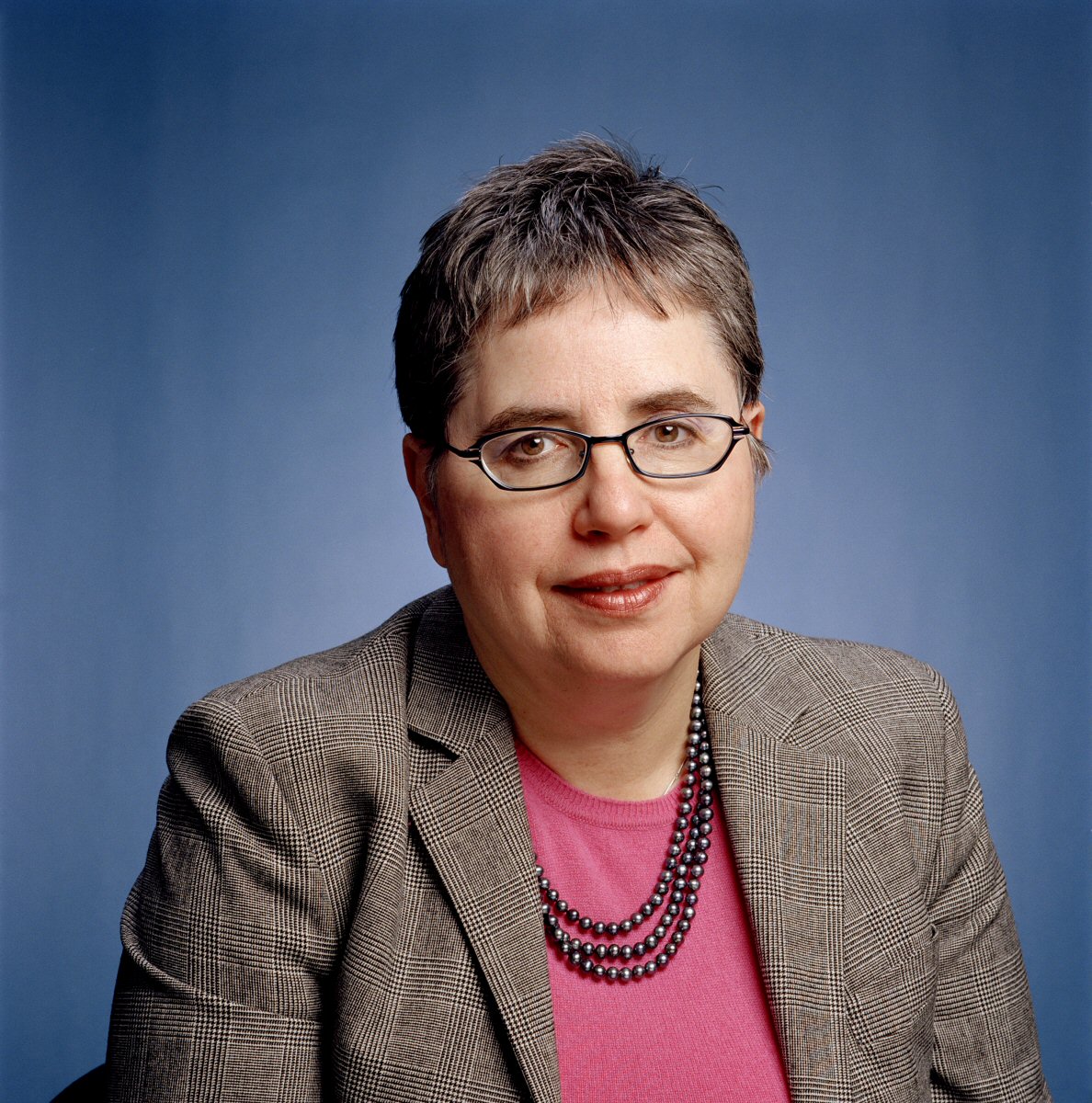
Martha Brill Olcott

Former Senior Associate, Russia and Eurasia Program and, Co-director, al-Farabi Carnegie Program on Central Asia

Olcott is professor emerita at Colgate University, having taught political science there from 1974 to 2002. Prior to her work at the endowment, Olcott served as a special consultant to former secretary of state Lawrence Eagleburger.

    Recent Work

  • In The Media
    After Crimea: Will Kazakhstan be Next in Putin’s Reintegration Project?

      Martha Brill Olcott

  • Article
    China’s Unmatched Influence in Central Asia

      Martha Brill Olcott

Martha Brill Olcott
Former Senior Associate, Russia and Eurasia Program and, Co-director, al-Farabi Carnegie Program on Central Asia
Martha Brill Olcott
Central AsiaKazakhstan

Carnegie does not take institutional positions on public policy issues; the views represented herein are those of the author(s) and do not necessarily reflect the views of Carnegie, its staff, or its trustees.
More Work from Carnegie Endowment for International Peace

  • Men in suits watching people dancing
    Commentary
    Emissary
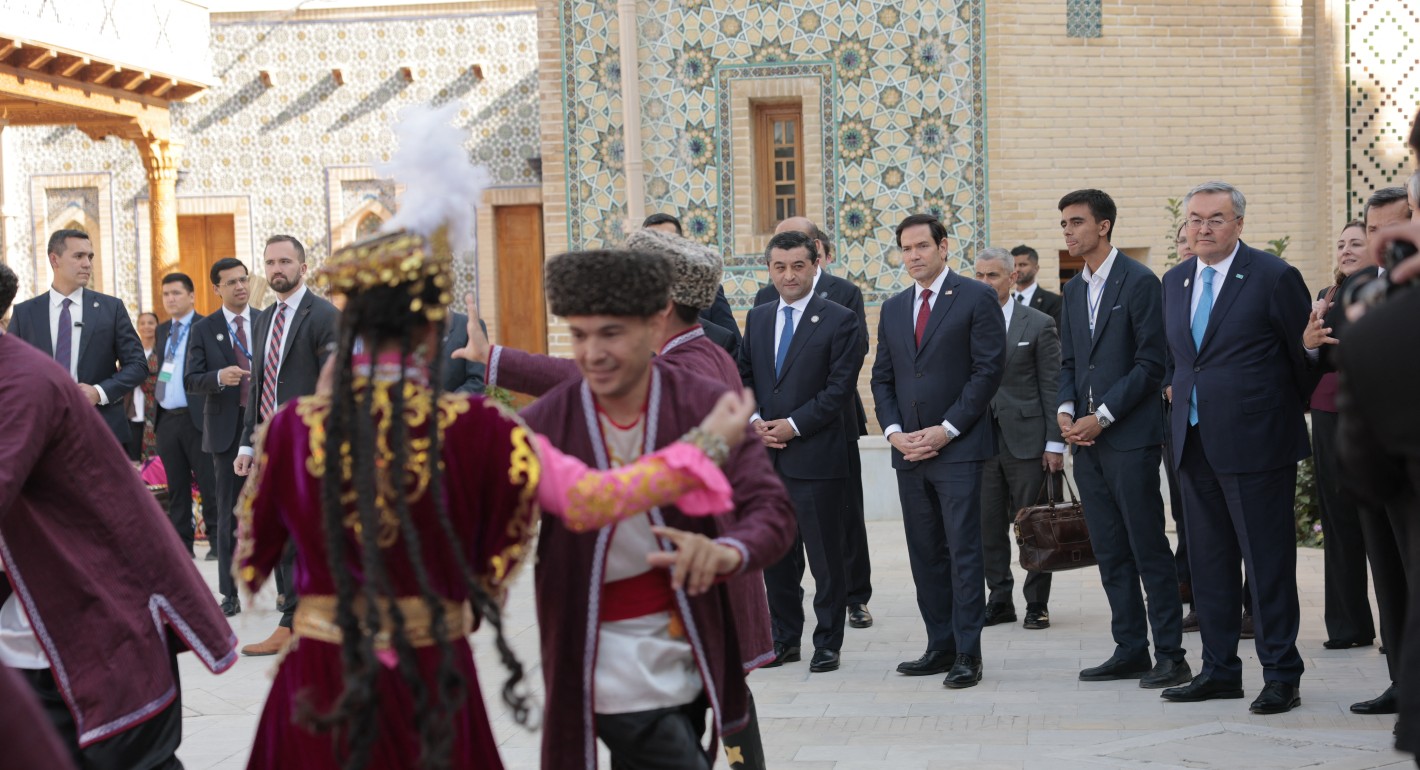
    Central Asia Wants U.S. Investments. It Is Less Sure About U.S. Conditions.

    Rubio’s recent visit brought welcome attention, but more capital requires governance changes that may be a hard sell for regional governments.
      Jennifer B. Murtazashvili
  • Commentary
    Carnegie Politika
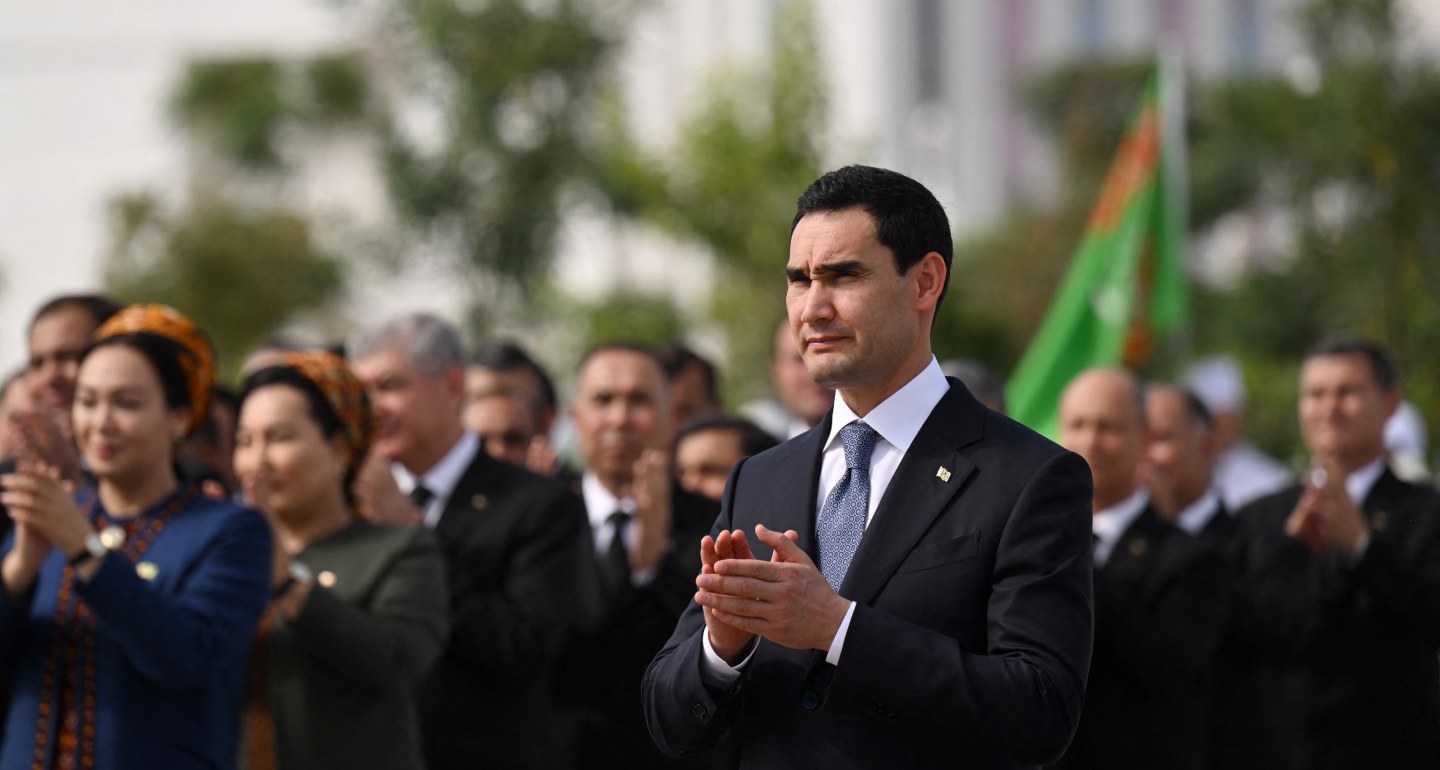
    Turkmenistan’s Ruling Duo Is Having a Family Feud. Will Their Regime Survive It?

    Ex-president Gurbanguly Berdimuhamedov remains interested in politics, but his son Serdar, Turkmenistan’s current president, is becoming increasingly independent and willing to break with his father’s legacy. If their covert rivalry goes too far, both risk losing power.
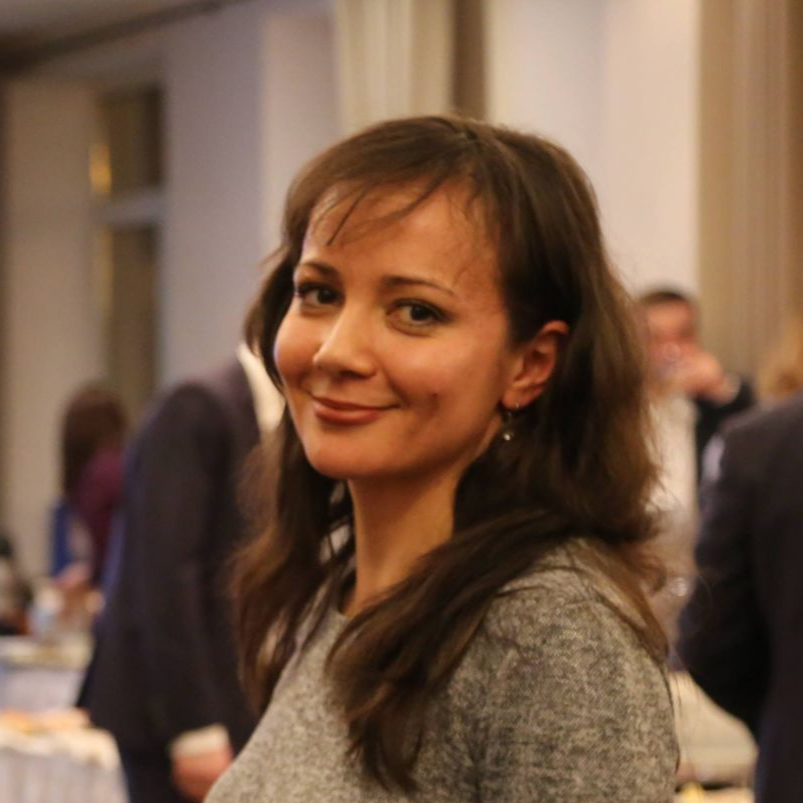
      Galiya Ibragimova
  • Commentary
    Carnegie Politika
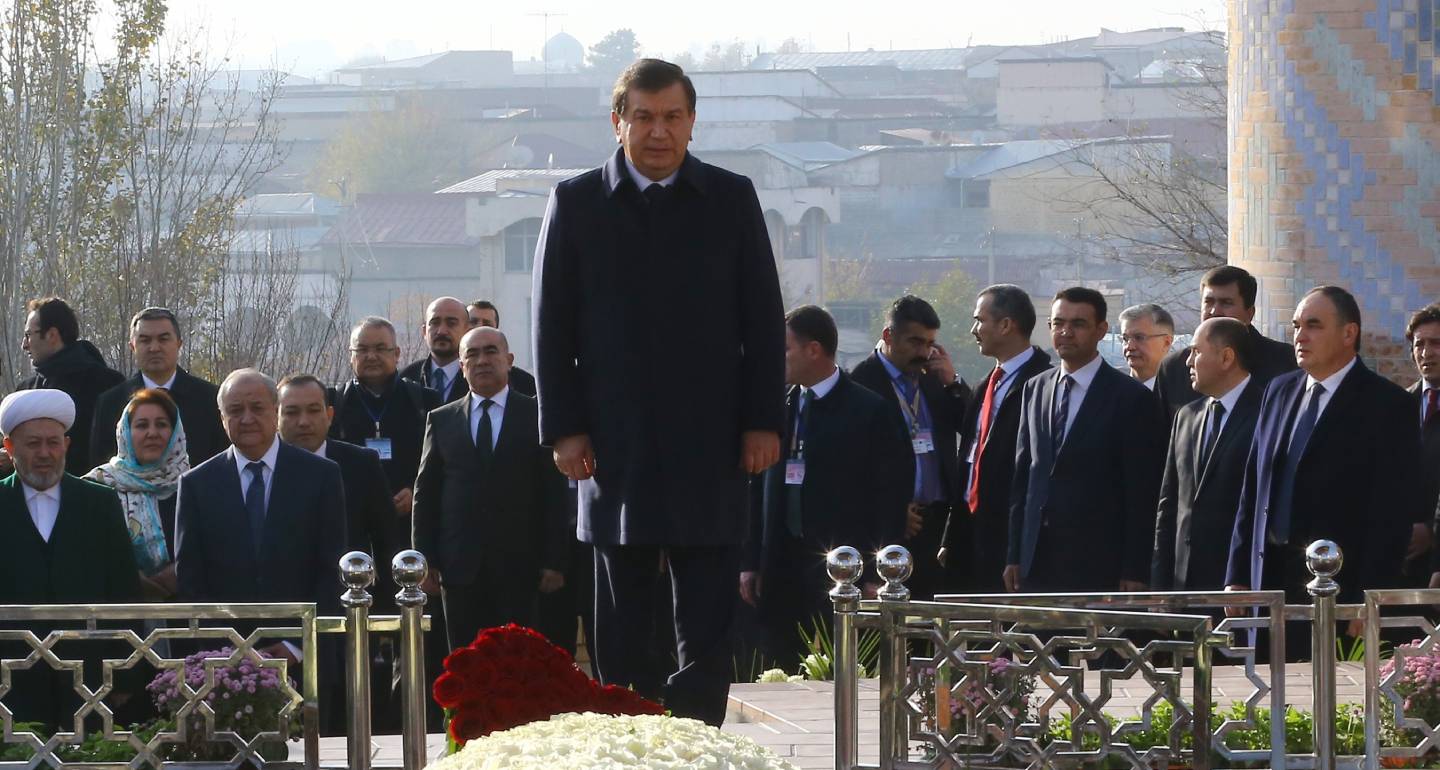
    Ten Years After Karimov’s Death, How Much Has Uzbekistan Really Changed?

    In the tenth year of his presidency, President Mirziyoyev’s system is becoming even more personalized than that of his predecessor Karimov.

      Galiya Ibragimova
  • Commentary
    Carnegie Politika
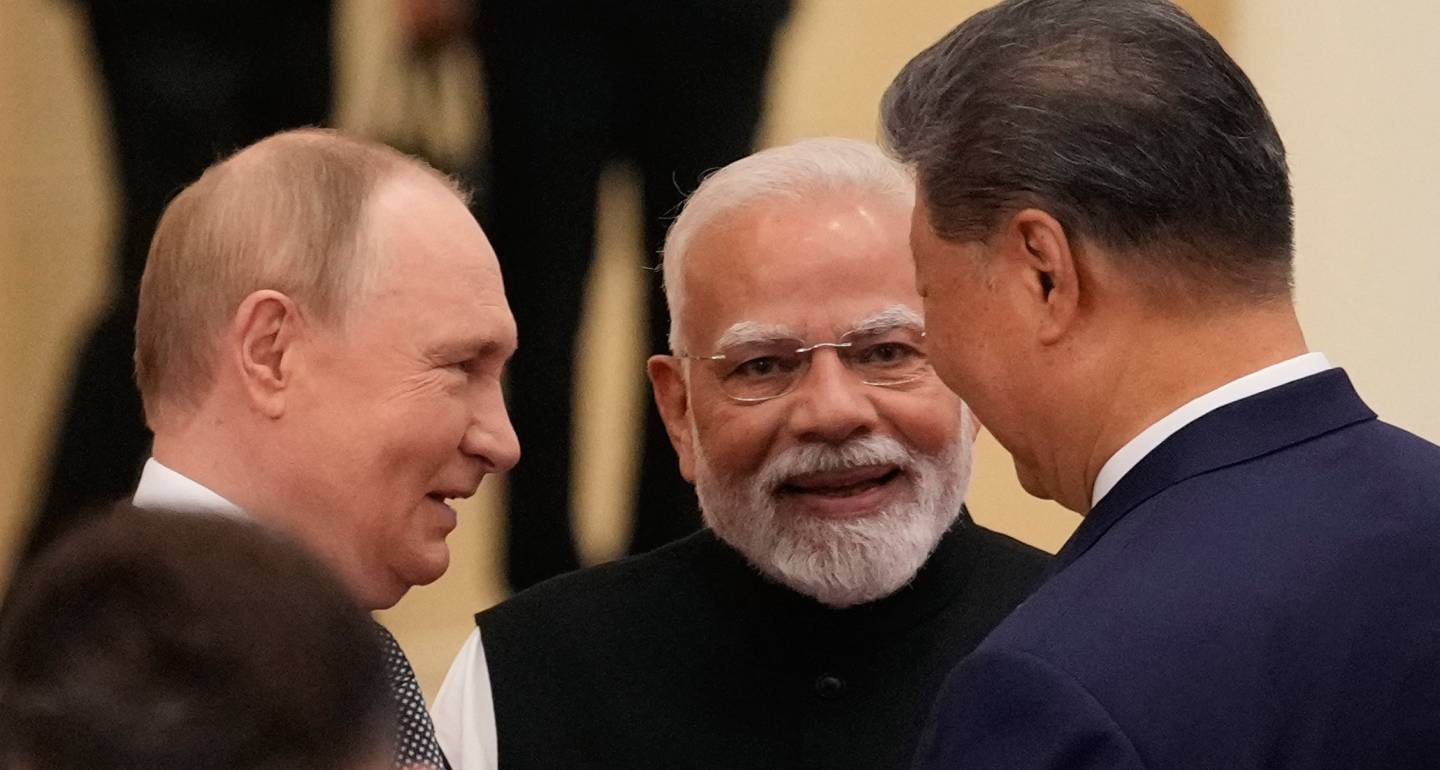
    As It Turns 25, the Shanghai Cooperation Organization Reflects the New World Order

    With the growth in points of friction between the great powers, organizations like the SCO will continue to play a role in the strategic adaptation of the smaller powers caught between them.
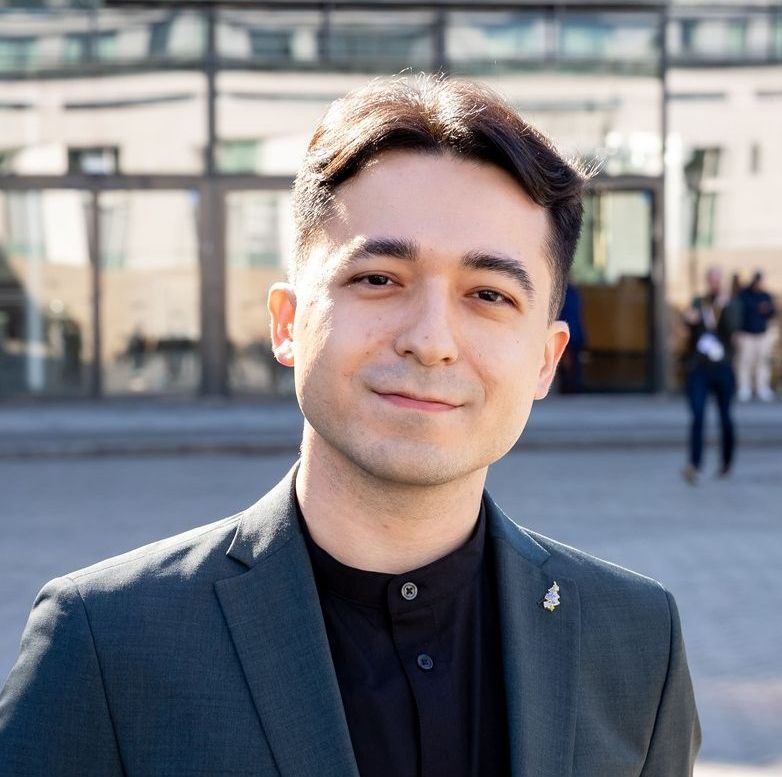
      Temur Umarov
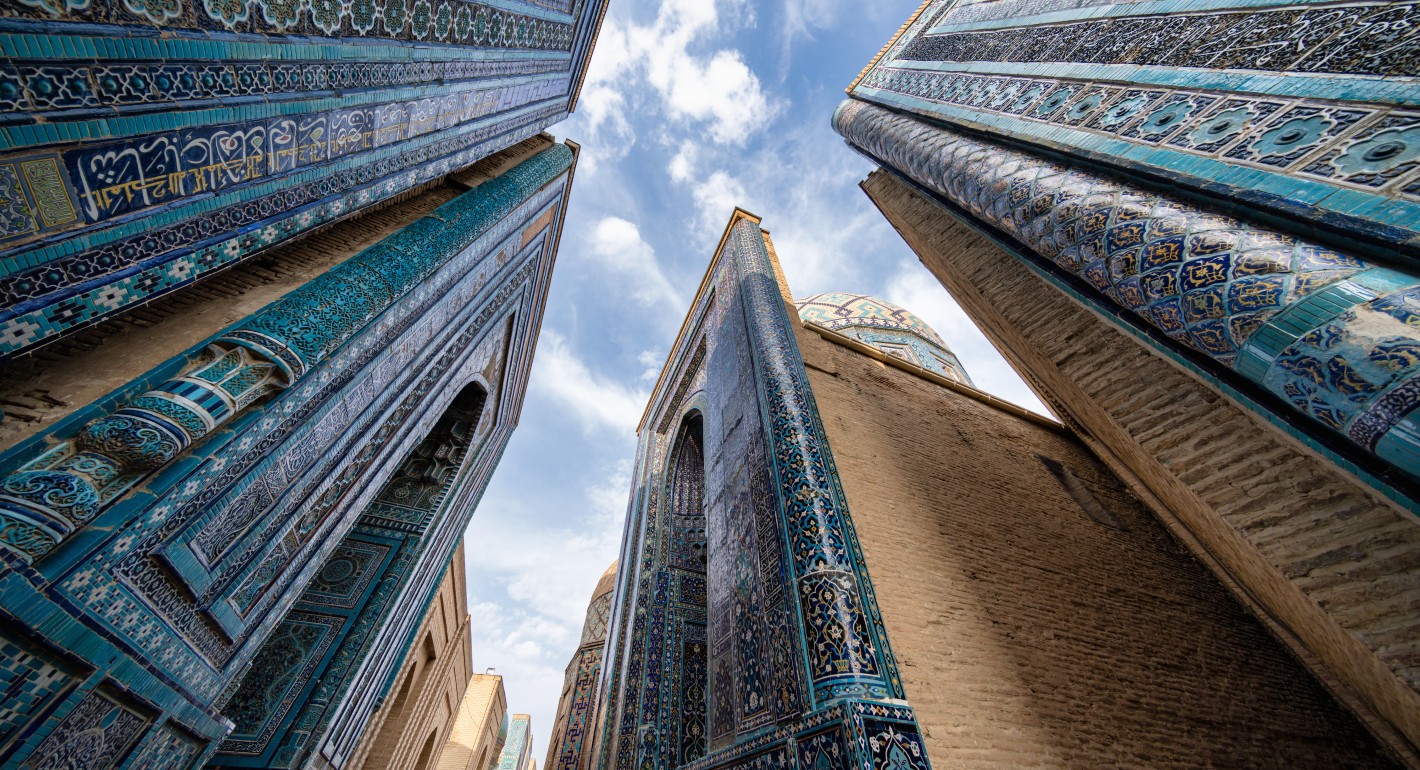
  • upward-facing view of ornately tiled buildings
    Commentary
    Emissary
    Is the Shanghai Cooperation Organisation Performance Art or Meaningful Collaboration?

    Xi, Putin, and other regional leaders are back-slapping in Bishkek, but the SCO has yet to answer the most serious questions about continental Asia's economic future.
      Evan A. Feigenbaum

Get more news and analysis from
Carnegie Endowment for International Peace
Carnegie global logo, stacked
1779 Massachusetts Avenue NWWashington, DC, 20036-2103Phone: 202 483 7600
  • Research
  • Emissary
  • About
  • Experts
  • Donate
  • Programs
  • Events
  • Blogs
  • Podcasts
  • Contact
  • Annual Reports
  • Careers
  • Privacy
  • For Media
  • Government Resources
Get more news and analysis from
Carnegie Endowment for International Peace
© 2026 Carnegie Endowment for International Peace. All rights reserved.