

In The Media
Minxin Pei
{
  "authors": [
    "Minxin Pei"
  ],
  "type": "legacyinthemedia",
  "centerAffiliationAll": "dc",
  "centers": [
    "Carnegie Endowment for International Peace"
  ],
  "collections": [],
  "englishNewsletterAll": "asia",
  "nonEnglishNewsletterAll": "",
  "primaryCenter": "Carnegie Endowment for International Peace",
  "programAffiliation": "AP",
  "programs": [
    "Asia",
    "Democracy, Conflict, and Governance"
  ],
  "projects": [],
  "regions": [
    "United States",
    "Middle East",
    "China"
  ],
  "topics": [
    "Security",
    "Military",
    "Foreign Policy"
  ]
}
REQUIRED IMAGE
Source: Carnegie
South China Morning Post, September 19, 2001
The terrorist attack against the United States last week is a defining moment in the post-Cold War world, and a test of US relations with the major powers of nearly every region. It is also an opportunity to recast Sino-US relations and move them beyond years of dispute and underlying malaise. Just as Beijing's decision not to block the United Nations Security Council resolution authorising the use of force by an international coalition in the 1991 Gulf War helped China emerge from the shadow of the Tiananmen Square crackdown, so the ne wly declared war against international terrorism offers an opportunity for China to affirm its role as a world leader and partner to the US.
After all, China is also a victim of the terrorist attack. The offices of Chinese firms were destroyed in both towers of the World Trade Centre and a number of Chinese nationals are reportedly among those who perished there. China's exports, already under pressure from the ongoing global economic slow-down, were dealt another blow by the disruption in international civil aviation. More broadly, the Chinese economy will suffer if the attack pushes the American economy into recession. As it enters the World Trade Organisation, this is not a prospect Beijing will relish.
But there are also considerable political gains for Beijing in co-operating closely with the US. Although anti-terrorism has long been touted as an issue where Chinese and American interests overlap, there are not yet any concrete programmes of co-operation between the two nations. A substantive bilateral initiative would help expand high-level exchanges beyond the purely economic arena, where they have been confined by the administration of US President George W. Bush.
China's support for the US effort against terrorism is needed on two fronts: as a permanent member of the UN Security Council and as a key regional player. Despite cautions from officials in Washington that the investigation is still in progress, the broad parameters of US strategy are clearly focused on Saudi dissident Osama bin Laden and Afghanistan, as well as Pakistan's links to Kabul. China could bring considerable leverage to bear on its historic partner Pakistan, as well as on Afghanistan.
Support for the US at this time would go a long way towards changing the tone in the volatile Sino-US relationship, and generating much-needed mutual trust. China's response to US initiatives and requests for support will be closely scrutinised in Washington as evidence of Beijing's intentions towards America generally. Thus, a policy of co-operation is likely to be reciprocated by the Bush administration.
Beijing must also consider the consequences of not co-operating with the US. While vigorous participation by China could make it a key decision-maker in any international campaign against terror, a failure to co-operate, or a lukewarm response, will not materially affect the outcome of any efforts by the US and its allies. Rather, China would be left isolated in the new global fight against terrorism.
There is another tangible benefit for China in joining an international coalition against terrorism. A targeted campaign could reduce China's own vulnerability to terrorism, particularly in Xinjiang province. The separatist movement there has received funding, weapons and training from Afghanistan, so the eradication of the terrorists' networks inside Afghanistan would be a result much welcomed by Beijing.
But this prospect puts China in a short-term dilemma. Recent efforts to strengthen ties between Beijing and Kabul are intended to persuade the Taleban leadership to cut off its support for Xinjiang's Muslim separatists. Beijing can try to persuade Kabul to back an international effort to target bin Laden, but it is more likely that China will have to abandon its engagement with Afghanistan if Kabul refuses to co-operate with the international community.
China also needs to pay careful attention to perceptions involving Sino-US relations. Beijing's initial response to last week's attacks was perceived as being more lacklustre than that of the European countries and even Russia, although President Jiang Zemin's subsequent pledge of support and co-operation may have done some damage control.
At a time of rare unity across the US political spectrum, the Chinese leadership needs to increase its profile of support for America. The payoffs would be exponential.
Catharin Dalpino is deputy director of the Centre for Northeast Asian Policy Studies at the Brookings Institution.

Former Adjunct Senior Associate, Asia Program
Pei is Tom and Margot Pritzker ‘72 Professor of Government and the director of the Keck Center for International and Strategic Studies at Claremont McKenna College.
Recent Work
Minxin Pei
Minxin Pei
Carnegie does not take institutional positions on public policy issues; the views represented herein are those of the author(s) and do not necessarily reflect the views of Carnegie, its staff, or its trustees.

China’s political future will be shaped between now and next October. As the Communist Party enters its intense “campaign season” to prepare for a major political transition in 2027, reading Beijing's actions and responses may become more difficult as domestic politics weigh on its behavior more than usual.

Damien Ma

The EU can impose sanctions but struggles to enforce them without the United States. With Washington increasingly disinterested in backing European interests, the bloc must now fend for itself.


Nicu Popescu, Tiago Antunes
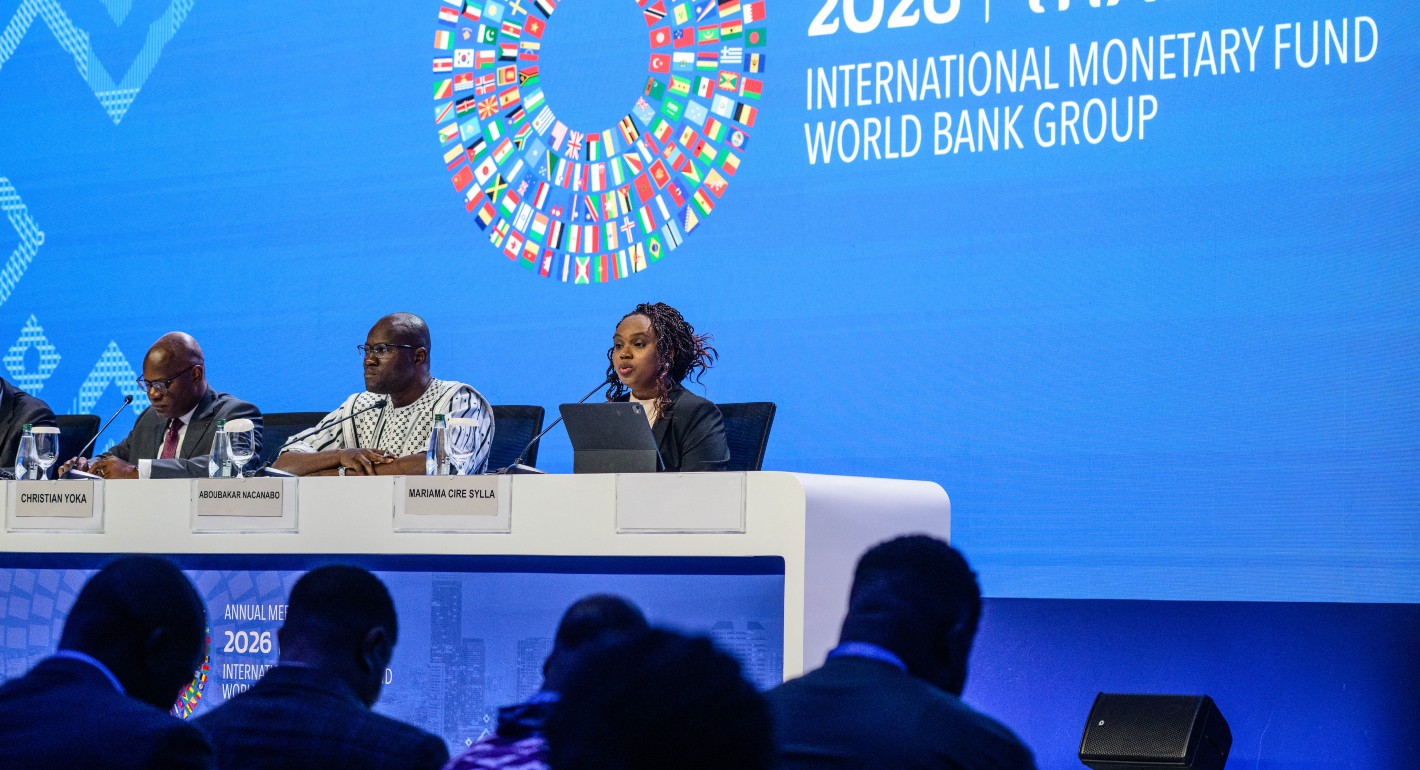
Global and rising powers will need to engage with Africa’s priorities and agency in order to secure the continent’s increasingly attractive partnerships.

Fonteh Akum
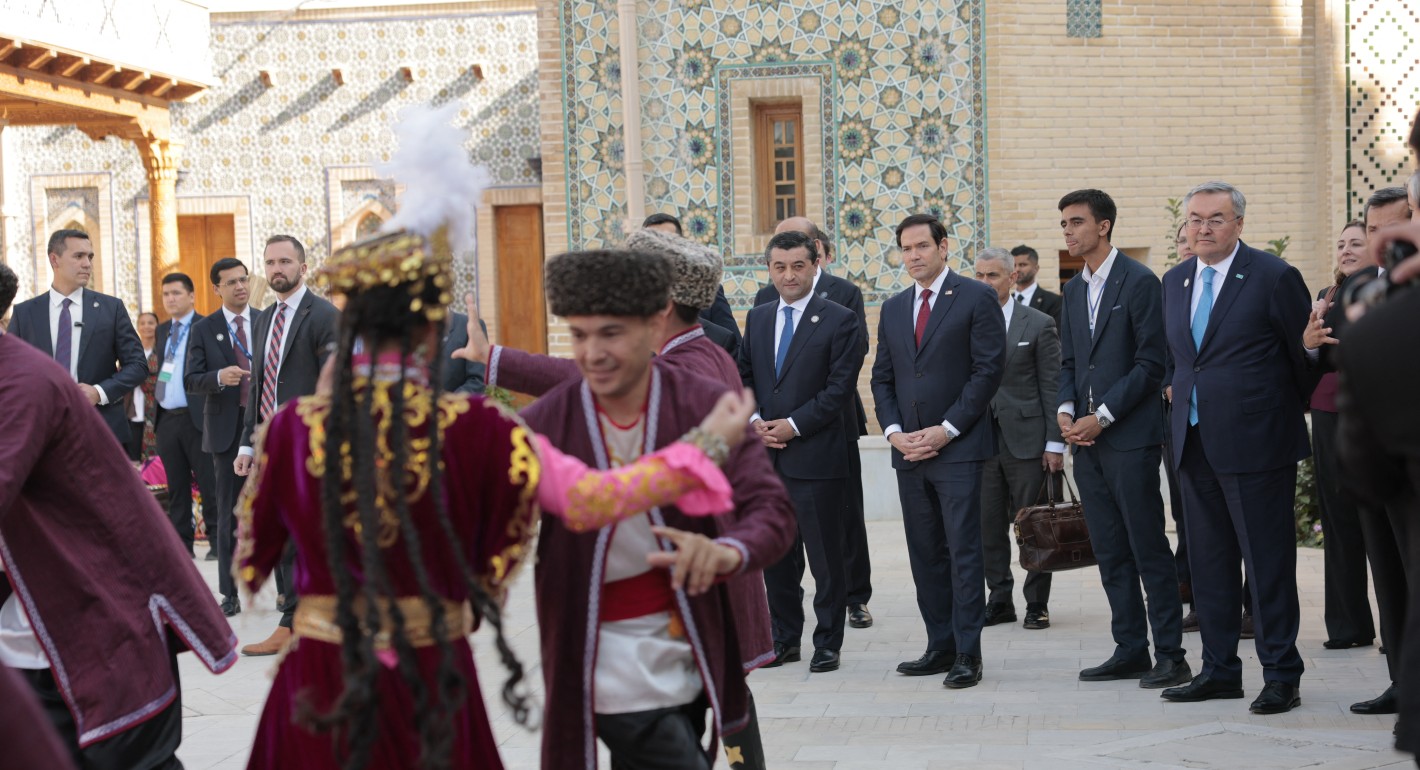
Rubio’s recent visit brought welcome attention, but more capital requires governance changes that may be a hard sell for regional governments.

Jennifer B. Murtazashvili

America’s foreign-policy objectives have grown more demanding while Americans have demanded greater focus on their own affairs.
Stephen Wertheim