

Commentary
Despite its flop at the box office, the film raises important questions for the climate community to answer.
Leonardo Martinez-Diaz
{
  "authors": [
    "Daniel Bodansky"
  ],
  "type": "other",
  "centerAffiliationAll": "",
  "centers": [
    "Carnegie Endowment for International Peace"
  ],
  "collections": [],
  "englishNewsletterAll": "",
  "nonEnglishNewsletterAll": "",
  "primaryCenter": "Carnegie Endowment for International Peace",
  "programAffiliation": "",
  "programs": [],
  "projects": [],
  "regions": [
    "North America",
    "United States"
  ],
  "topics": [
    "Economy",
    "Climate Change"
  ]
}
REQUIRED IMAGE
In contrast to Kyoto—which tries to construct a comprehensive global architecture all at once—the United States should proceed step by step, starting with domestic action and then moving outward, beginning with like-minded states. It should initially address fewer greenhouse gases and use relatively simple procedures.
The decision by the Bush administration to abandon the Kyoto Protocol and go its own way on climate change is not necessarily the disaster for climate policy often portrayed by environmentalists. Because Kyoto's success is far from assured, having alternative approaches is a prudent hedging strategy. The real disappointment has been the failure of the United States to develop a credible climate change policy of its own.
In contrast to Kyoto—which tries to construct a comprehensive global architecture all at once—the United States should proceed step by step, starting with domestic action and then moving outward, beginning with like-minded states. It should initially address fewer greenhouse gases and use relatively simple procedures. And it should employ a safety valve that caps costs to provide economic predictability and prevent unexpectedly high costs that would tempt countries not to comply. In the long run, the race to combat climate change will go to the most durable policy, not the speediest.
A limited number of print copies are also available.
Request a copy
About the Author
Daniel Bodansky is professor of law at the University of Washington. From August 1999 to June 2001, he served as the climate change coordinator at the U.S. Department of State, where he played a central role in formulating and negotiating U.S. climate change policy. He has followed the climate change negotiations closely since they began in 1991, and he has worked as a consultant for the U.N. Climate Change Secretariat and the Pew Center on Global Climate Change. He has published widely on the United Nations climate change regime, including a comprehensive commentary on the U.N. Framework Convention on Climate Change.
Related resource: Managing Global Issues: Lessons Learned, edited by P.J. Simmons and Chantal de Jonge Oudraat
The Endowment's Global Policy Program addresses the challenges arising from the globalizing processes of economic, political, and technological change. It seeks to integrate the emerging global policy agenda with traditional security concerns and to advance new responses to specific transnational issues.
Daniel Bodansky
Carnegie does not take institutional positions on public policy issues; the views represented herein are those of the author(s) and do not necessarily reflect the views of Carnegie, its staff, or its trustees.

Despite its flop at the box office, the film raises important questions for the climate community to answer.
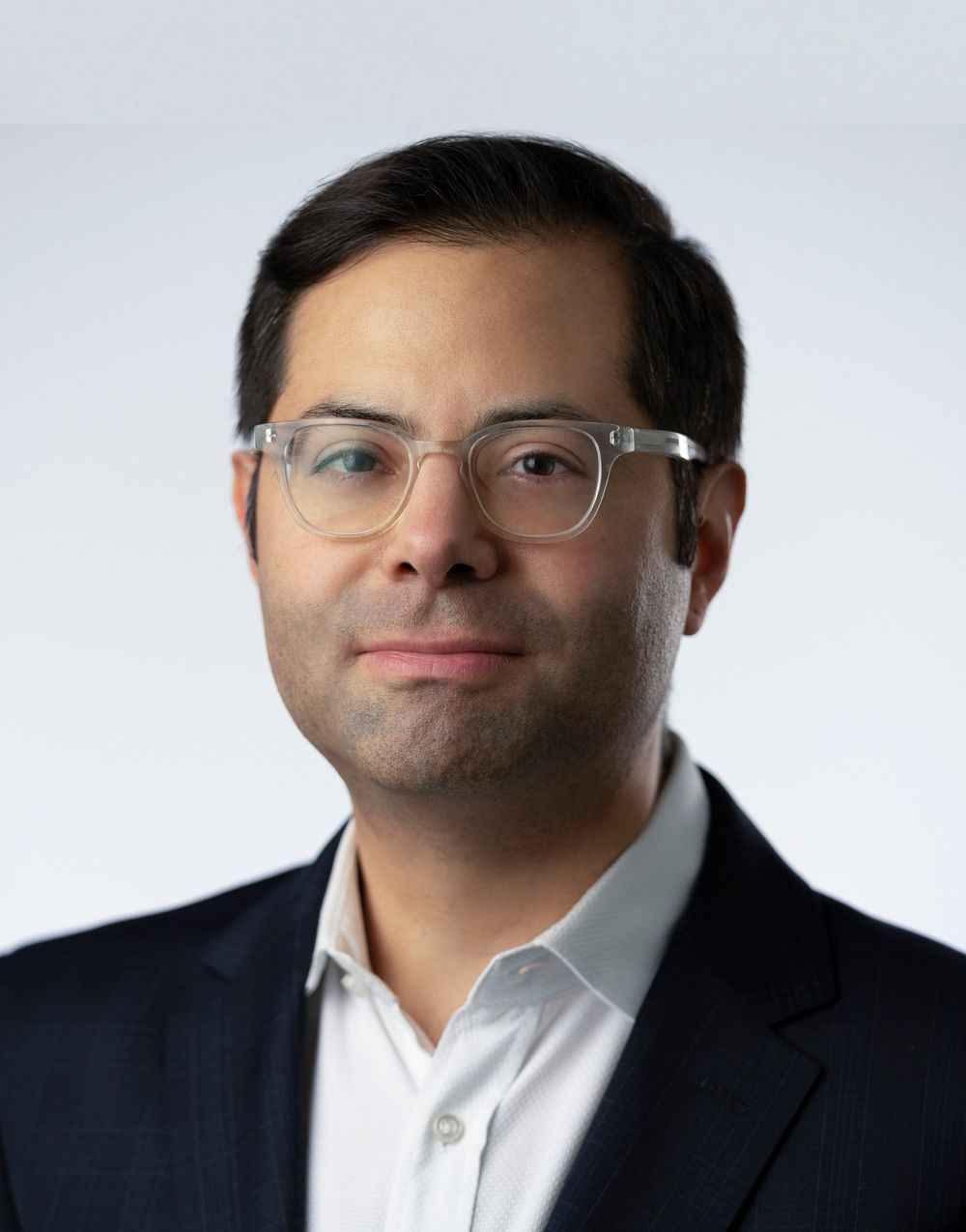
Leonardo Martinez-Diaz

Russian strikes are weakening the economy sustaining Ukraine’s war effort. Closing the growing funding gap will require more European support and politically contentious reforms in Kyiv.

Balázs Jarábik

In an interview, Rozina Ali discusses her new book on the rise and manifestations of Islamophobia in the United States.

Michael Young

While the EU and European governments are embracing the much-lauded middle-power moment, this entails three difficult conundrums.

Richard Youngs

Europe is facing rising populism internally as well as external pressures from Russia, China, Turkey, and the United States.

Dimitar Bechev