

Other
Fiona Hill, Anatol Lieven, Thomas de Waal
{
  "authors": [
    "Anatol Lieven"
  ],
  "type": "legacyinthemedia",
  "centerAffiliationAll": "dc",
  "centers": [
    "Carnegie Endowment for International Peace"
  ],
  "collections": [],
  "englishNewsletterAll": "ctw",
  "nonEnglishNewsletterAll": "",
  "primaryCenter": "Carnegie Endowment for International Peace",
  "programAffiliation": "russia",
  "programs": [
    "Russia and Eurasia"
  ],
  "projects": [],
  "regions": [
    "South Asia"
  ],
  "topics": []
}
REQUIRED IMAGE
Source: Carnegie
The US and the international community are right to place the government of Pakistan under intense pressure to stop the infiltration of militants into Indian-controlled Kashmir and to make aid to Pakistan conditional on this.
But it is critically important that pressure on Pakistan be balanced by clearly visible pressure on India to seek a political solution in Kashmir. Equally, pressure on Pakistan to crack down on domestic terrorists and extremists should be balanced by condemnation of the Hindu extremist groups in India responsible for the massacres of Muslims in Gujarat earlier this year.
European countries have condemned both the massacres and the links between the Bharatiya Janata party, dominant in the ruling coalitions in Delhi and Gujarat, and the Hindu extremist groups behind the killings. It is disappointing that the US has not done the same. The US should publicly urge the Indian government to control these groups and distance itself from them. This is of the greatest importance to Indian democracy.
Western balance is also necessary if Pakistan's willingness and ability to co-operate in the struggle against Islamist terrorism is not to be wrecked. Support for the Kashmiri Muslims has been a central part of Pakistani nationalism since Pakistan's inception. To be seen to abandon it under pressure from India and the US, with no concession in return, would be a dangerous humiliation for the administration of President Pervez Musharraf.
When Gen Musharraf came out in support of the US campaign in Afghanistan last autumn, the belief in Pakistan was that this would remove the possibility of a US-Indian alliance against Pakistan. This belief may have been foolish but if America now appears to take India's side, it will be seen by Pakistanis and other Muslims as a betrayal. It will also be taken as further evidence of US hostility to Muslim states in general. In this event, any cut-off of Pakistani aid to the militants in Kashmir would prove only temporary.
When it comes to Kashmir, there is no moral problem about the west's being balanced, as there is more than enough blame to go round. The present Kashmiri conflict has lasted since 1989 but is only the latest stage in the armed dispute between India and Pakistan over the territory, dating back to partition in 1947.
The initial blame for the Kashmiri insurgency since 1989 lay with successive Indian governments. These undermined Kashmir's autonomy within the Indian federation, rigged elections, discriminated against the region's Muslim majority and responded to protest with ferocious repression.
But Pakistan has played a crucial part not only in keeping the insurgency going but also in infecting it with international Islamist terrorism, thereby making the conflict more brutal and intractable. Pakistan has provided support and bases for radical Muslim groups funded by the Arab world. In doing so, it has made a parallel error to that committed by itself and the US during the war against the Soviet occupation of Afghanistan.
These militants have not just carried out terrorist attacks on the Indian armed forces and ordinary members of the Hindu and Sikh minorities in Kashmir. They have also murdered Muslim Kashmiris of whom they disapproved. Their victims have been both advocates of reconciliation with India, and supporters of Kashmiri independence and of a secular Kashmiri state. The mili tant groups and their Pakistani backers have professed support for the right of the Kashmiri people to decide their own fate. But they have aimed throughout at Kashmir's joining Pakistan.
It is therefore encouraging that Pakistan has declared that it will support any solution acceptable to the people of Kashmir. It is now for India to begin negotiations with the chief Kashmiri groups in an effort to find a political solution.
Unfortunately, many of India's actions to date suggest that the Delhi government would refuse serious negotiations with Kashmiri political forces if the militants and terrorists were crushed. The west must therefore be ready to step in with two demands once terrorism has ended: first, India should begin negotiations aimed at the full autonomy and ultimate demilitarisation of its part of Kashmir. Second, the international community should have a central role in any talks over Kashmir. Without such international participation, these talks are likely to fail as others have done so often in the past.
India has always rejected outside involvement, whether by international bodies or individual states. This position is now untenable. The world is threatened by the possibility of a war between two nuclear powers. Furthermore, India has itself demanded the involvement of the international community in forcing Pakistan to stop supporting Kashmiri militants. Broader inter-national involvement would make it easier for Pakistan to continue a more responsible Kashmir policy.
There are those who say that Pakistan must be forced to take such a line anyway, regardless of any Indian concessions; and that the US should simply throw its full weight behind India. Unfortunately, these voices include quite a number of senior figures both in the US media and the US Congress, assiduously stoked by the increasingly powerful Indian lobby in the US.
They forget two things. First, Pakistani help, although far from fully satisfactory, has nonetheless been of critical importance in the fight against al-Qaeda. Second, an invasion and occupation of Pakistan, whether by Indian or US troops, are not an option. In practical terms, it would be impossible to control Pakistan's huge population in this way. Nor would it be desirable to act in this way against a country that is relatively well developed and liberal compared with Islamic countries such as Afghanistan and Iraq.
Furthermore, to bring about the collapse of the Pakistani state would be virtually to ensure that nuclear materials found their way into the hands of terrorists. In the end, the only force that can control extremism and terrorism in Pakistan is a strong Pakistani government that enjoys the support of its own people.

Former Senior Associate
Recent Work

Fiona Hill, Anatol Lieven, Thomas de Waal
Carnegie does not take institutional positions on public policy issues; the views represented herein are those of the author(s) and do not necessarily reflect the views of Carnegie, its staff, or its trustees.
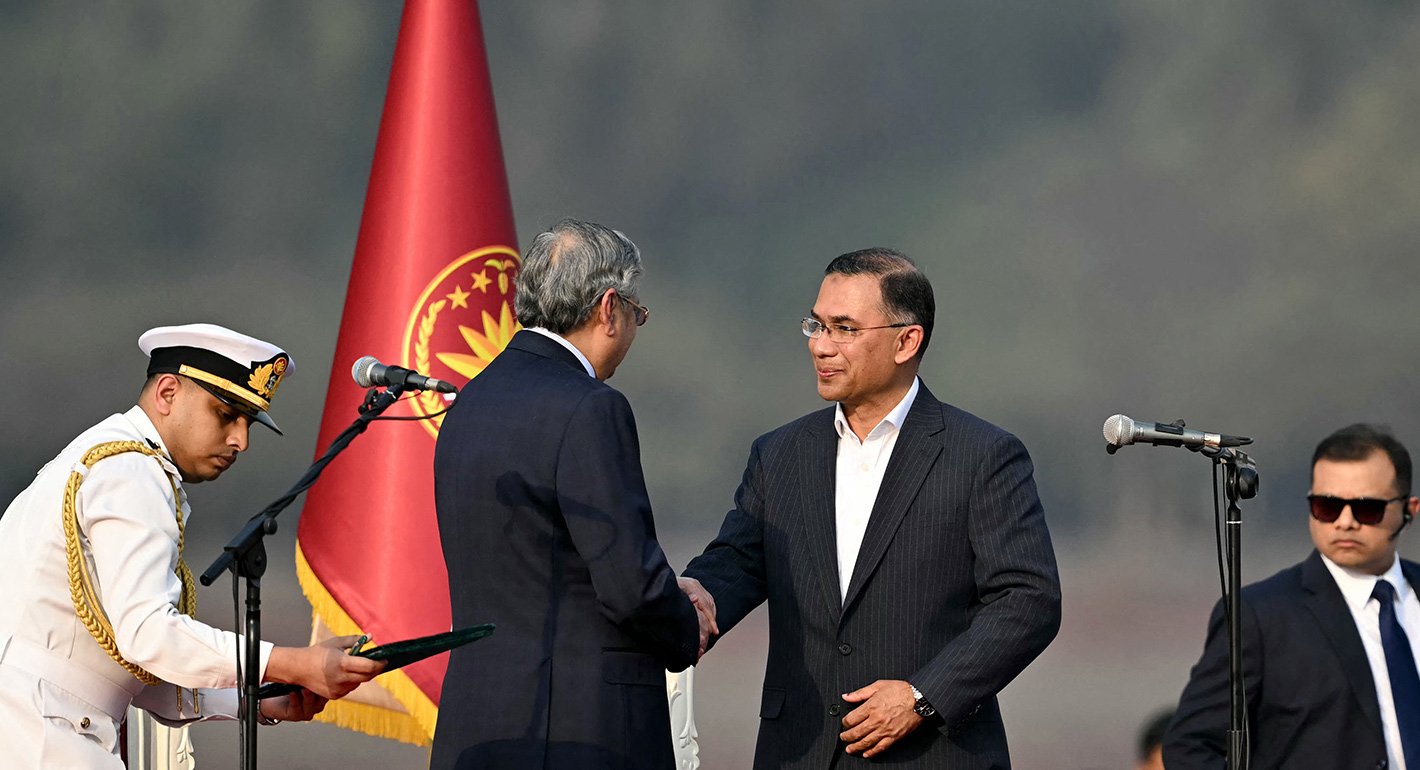
Bangladesh’s February 2026 elections were the most credible in nearly two decades. But within weeks of the BNP’s return to power, the fundamental characteristics of the country’s political economy threaten to pull it back toward continuity rather than change.

Avinash Paliwal
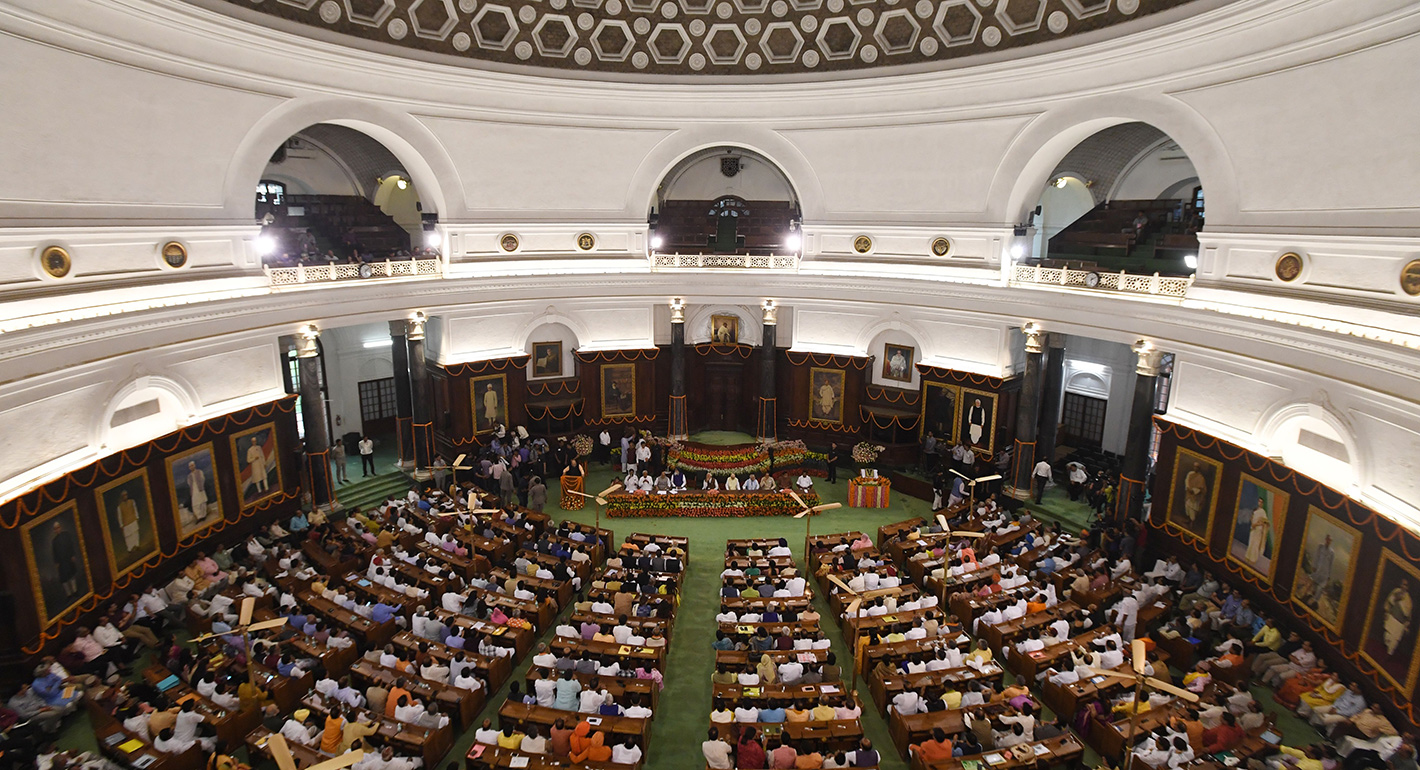
The battle over representation and regional power has been delayed—not resolved—and will shape the future of India’s federal balance.



Louise Tillin, Milan Vaishnav, Andy Robaina
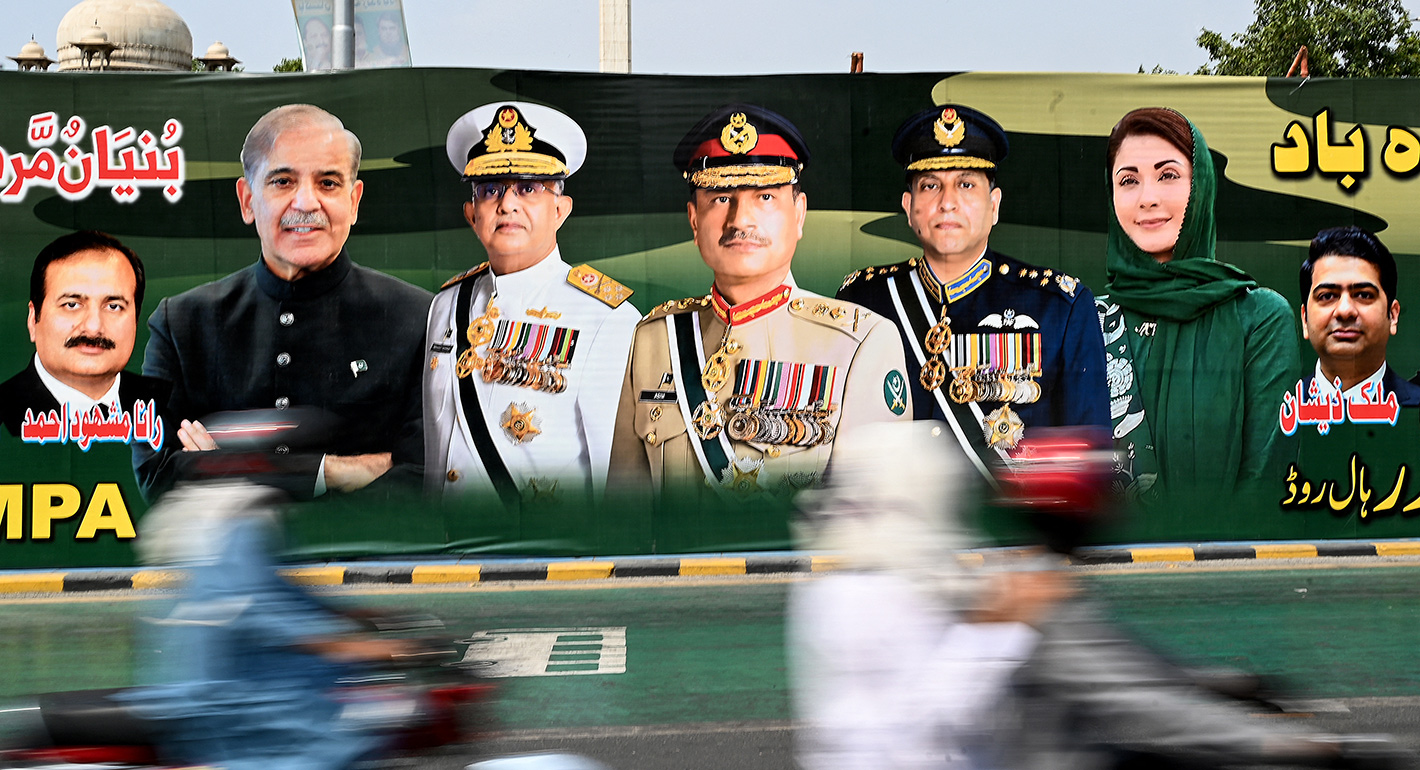
The regime bets that international legitimacy can be translated into domestic stability. But that depends upon whether it can leverage international goodwill to manage grievances and the economy at home.
Zoha Waseem, Yasser Kureshi
India’s demographic transition is underway, but its economic payoff remains far from guaranteed.

Apoorva Jadhav

In the Philippines, Duterte-era discourse emphasizing sovereignty, anti-Western skepticism, and strongman diplomacy mirrors tenets of populist foreign policy around the world.

Aries A. Arugay